Ricette
Ricette facili e divertenti con Braun
Funzione di sanificazione
Elimina oltre il 99,99% di virus e batteri¹.
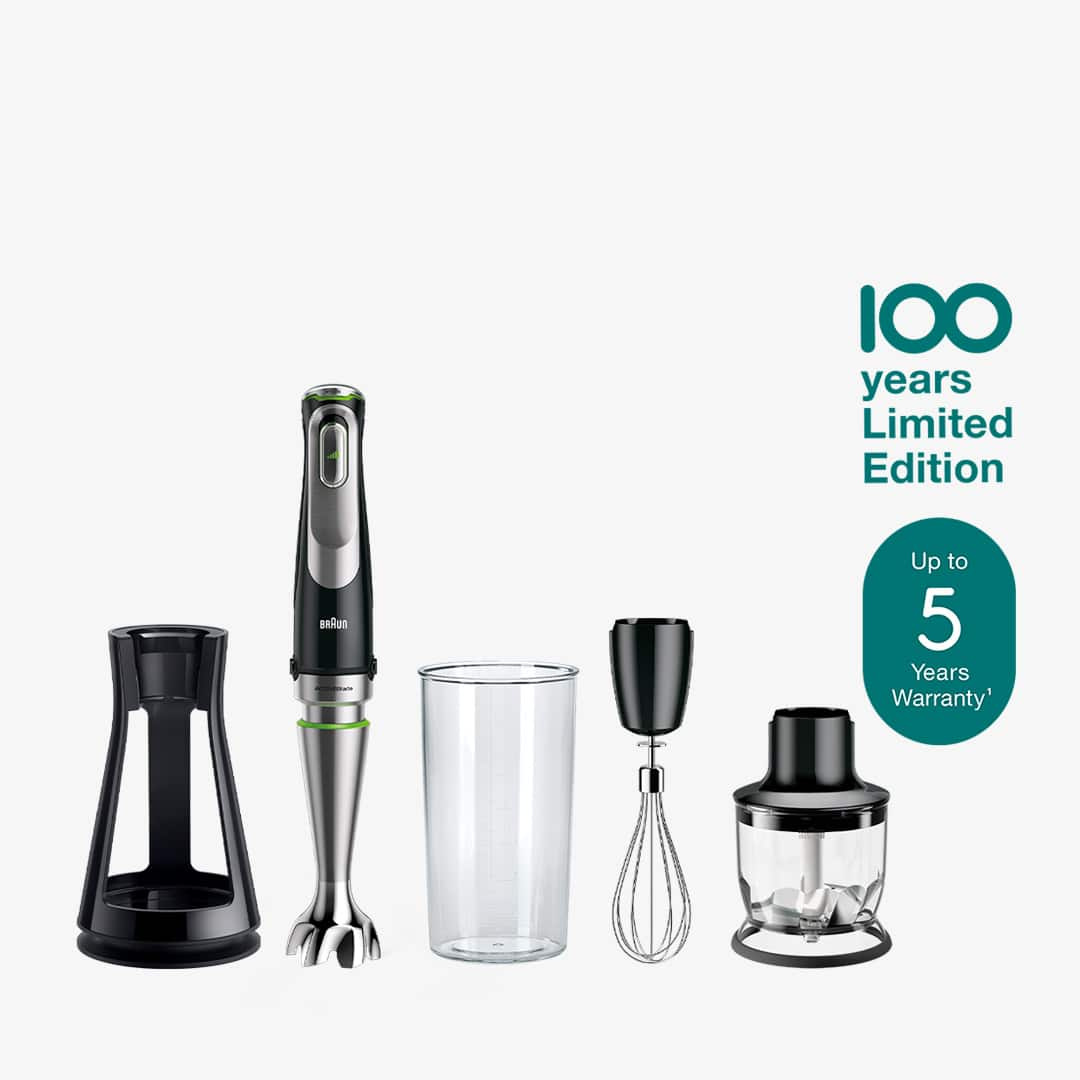
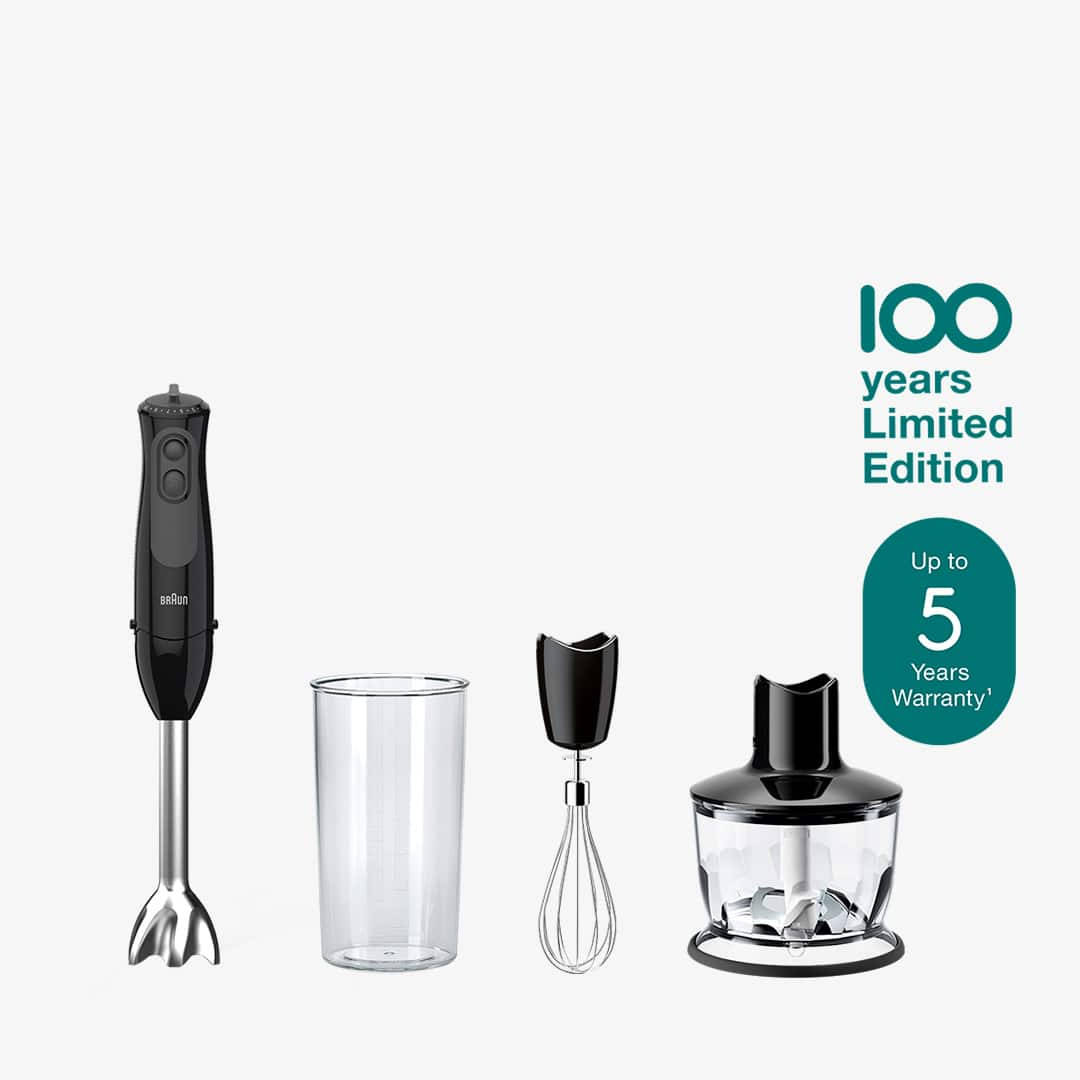
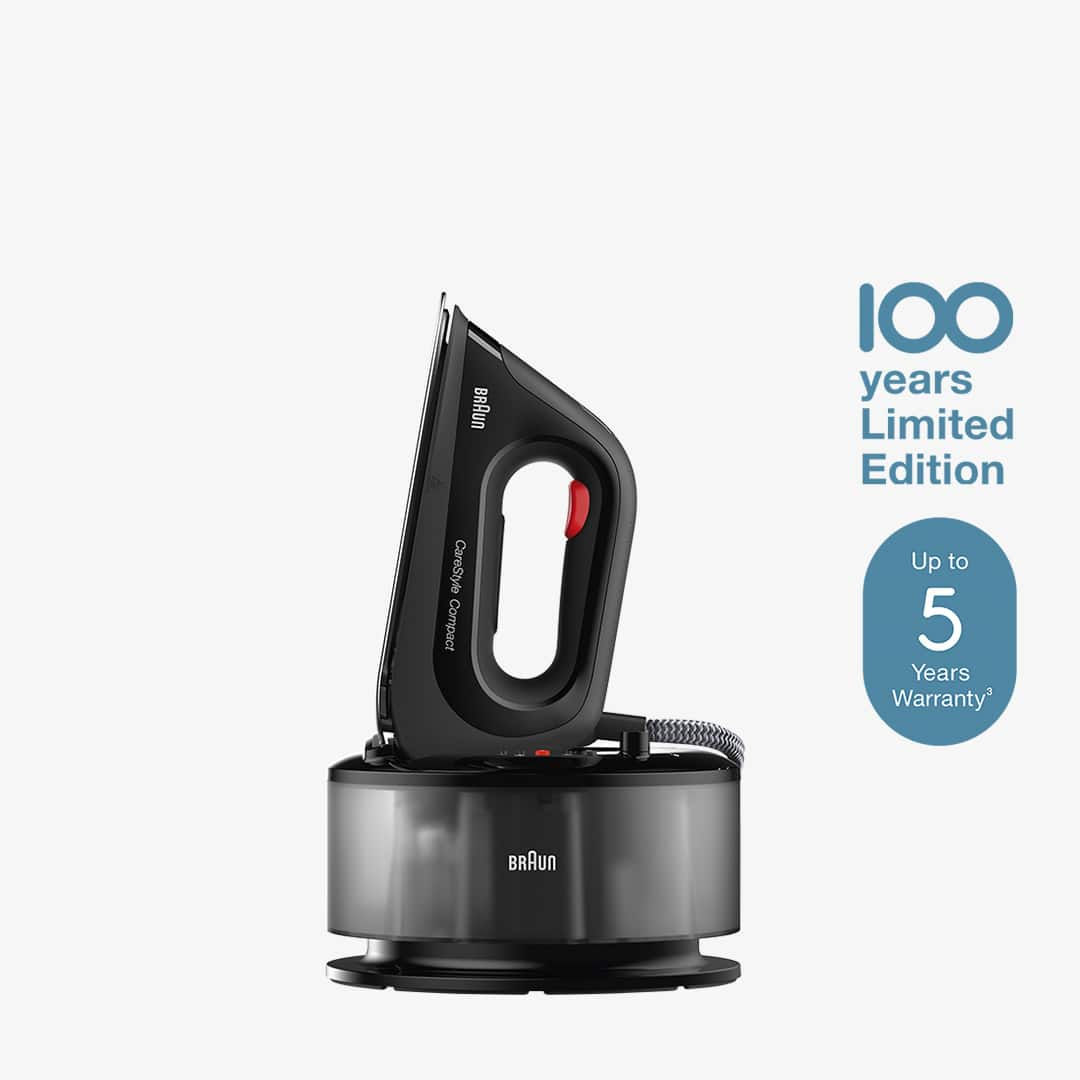
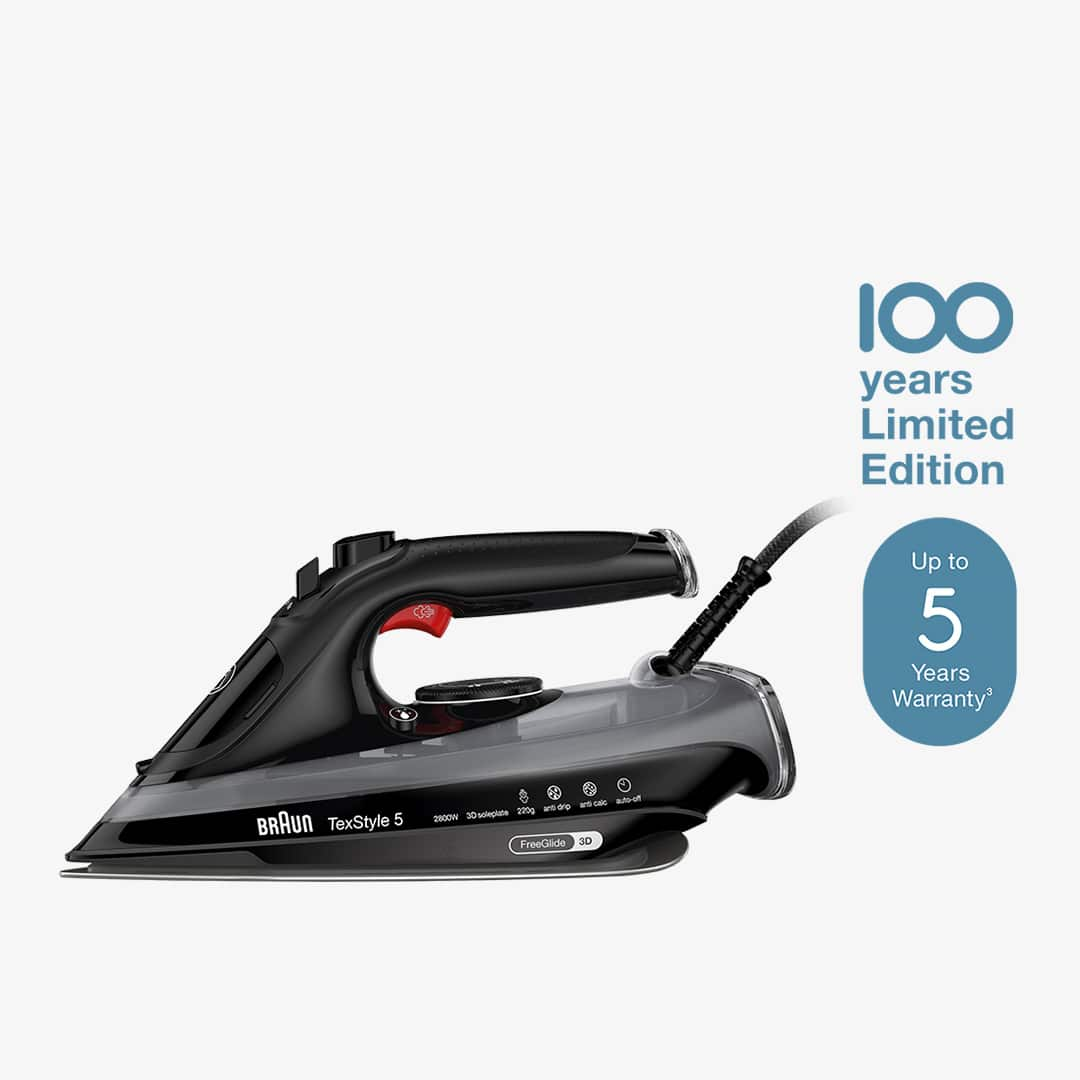
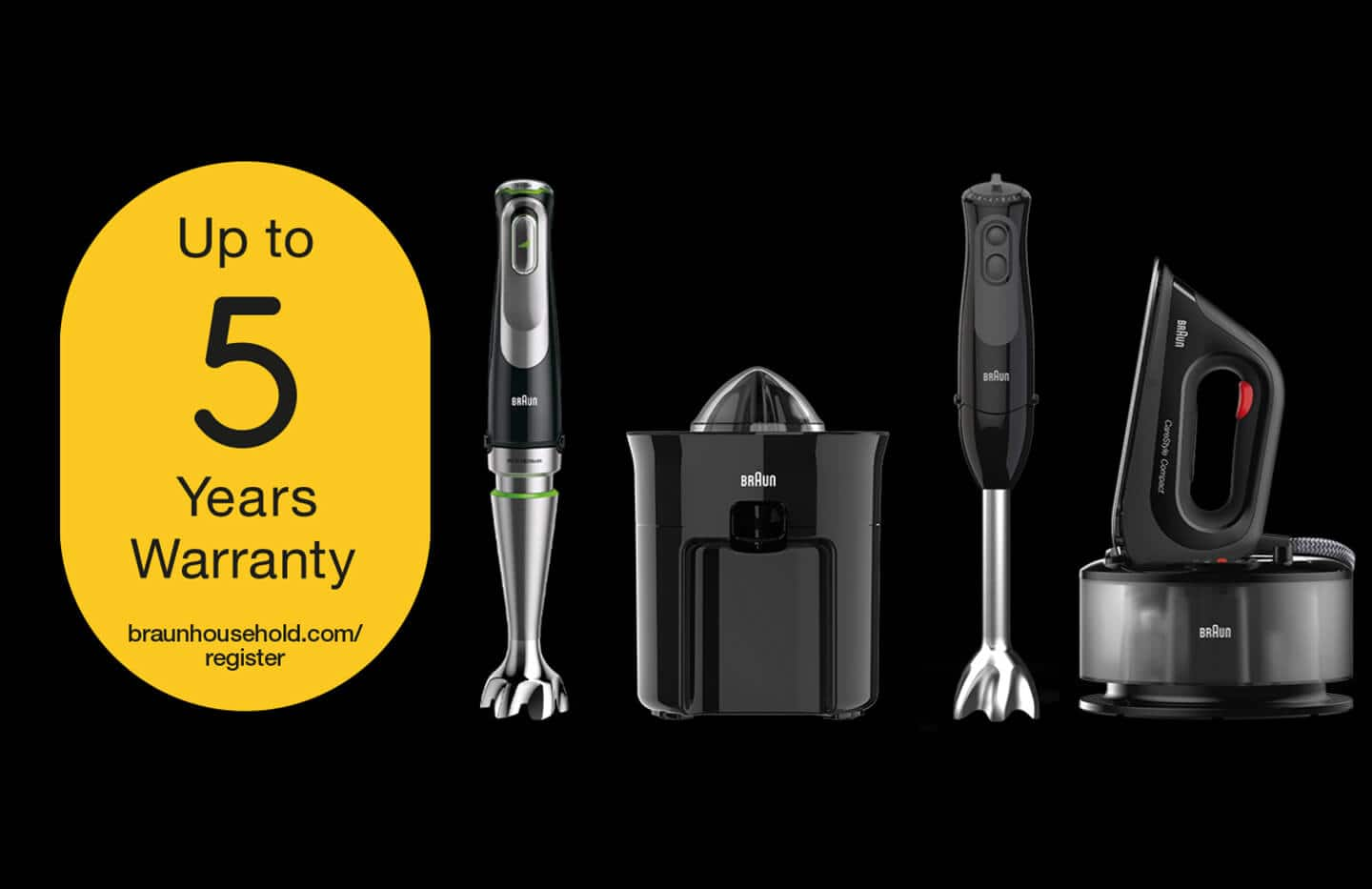
Simple. Useful. Built to last. Discover our 100 year anniversary editions and register for 5 years warranty.
From the everyday things. To a better future.
Simple.
Design that doesn’t get in the way of life. With that simple application of pressure - click - you get what you want. Nothing more than what it needs to be. Which means you can get on with what you want to be.
Useful.
Everything has a purpose. A human problem to solve. Down to the finest details. Because good design shouldn’t leave anything behind, it’s thorough and has a reason for being. There is no design for design’s sake.
Built to Last.
When something has been designed well. It doesn’t need anything new, there is no obsolescence - it doesn’t dominate or take over. It lasts. Better for the environment, better for people.
Learn more about our 100 years Limited Edition here.
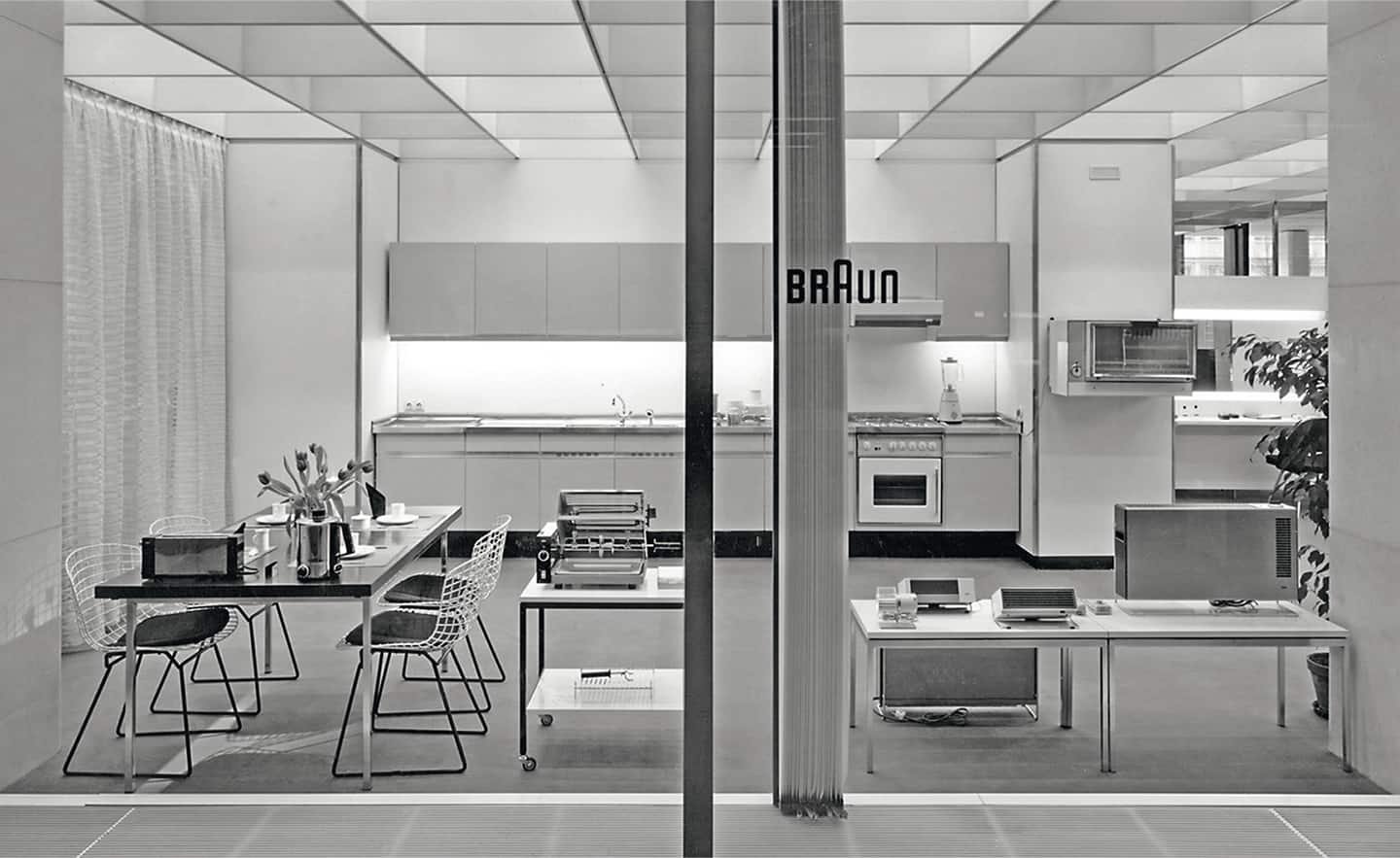
Hired as an architect for redesigning Braun’s office Dieter Rams became one of the leading designers, who developed Braun’s memorable design language and defined the 10 principles of good design, a design manual that is still relevant today.
1 Good design is innovative.
The possibilities for innovation are not, by any means, exhausted. Technological development is always offering new opportunities for innovative design.
2 Good design makes a product useful.
A product is bought to be used. It has to satisfy certain criteria, not only functional, but also psychological and aesthetic. Good design emphasises the usefulness of a product whilst disregarding anything that could possibly detract from it.
3 Good design is aesthetic.
The aesthetic quality of a product is integral to its usefulness because products we use every day affect our person and our well-being. But only well-executed objects can be beautiful.
4 Good design makes a product understandable.
It clarifies the product’s structure. Better still, it can make the product talk. At best, it is self-explanatory.
5 Good design is unobtrusive.
Products fulfilling a purpose are like tools. They are neither decorative objects nor works of art. Their design should therefore be both neutral and restrained, to leave room for the user’s self-expression.
6 Good design is honest.
It does not make a product more innovative, powerful or valuable than it really is. It does not attempt to manipulate the consumer with promises that cannot be kept.
7 Good design is long-lasting.
It avoids being fashionable and therefore never appears antiquated. Unlike fashionable design, it lasts many years - even in today’s throwaway society.
8 Il buon design è curato fin nei minimi dettagli.
Nulla deve essere arbitrario o lasciato al caso. La cura e la precisione nel processo di progettazione dimostrano rispetto nei confronti del consumatore.
9 Il buon design è ecologico.
Il design contribuisce in modo significativo alla conservazione dell’ambiente. Consente di risparmiare risorse e di ridurre al minimo l’inquinamento fisico e visivo per tutto il ciclo di vita del prodotto.
10 Il buon design è il più piccolo possibile.
Meno, ma meglio, perché si concentra sugli aspetti essenziali e i prodotti non sono gravati da elementi inutili. Un ritorno alla purezza, un ritorno alla semplicità.
1953 | Fabbrica Braun
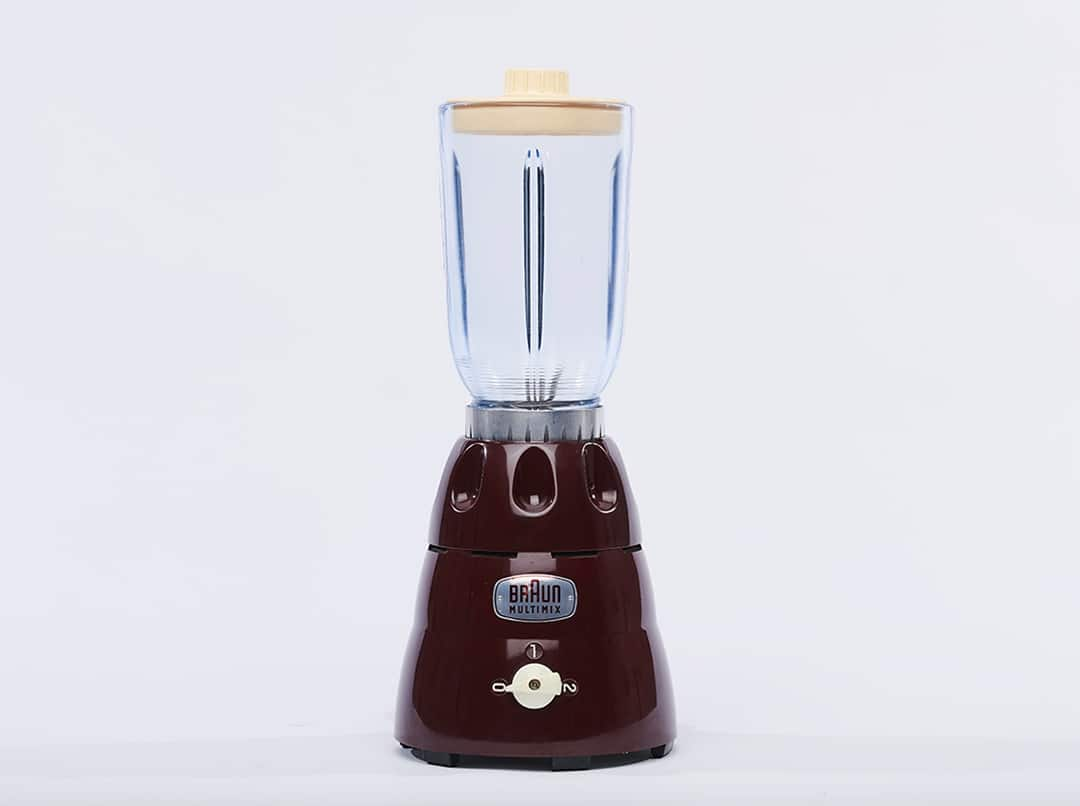
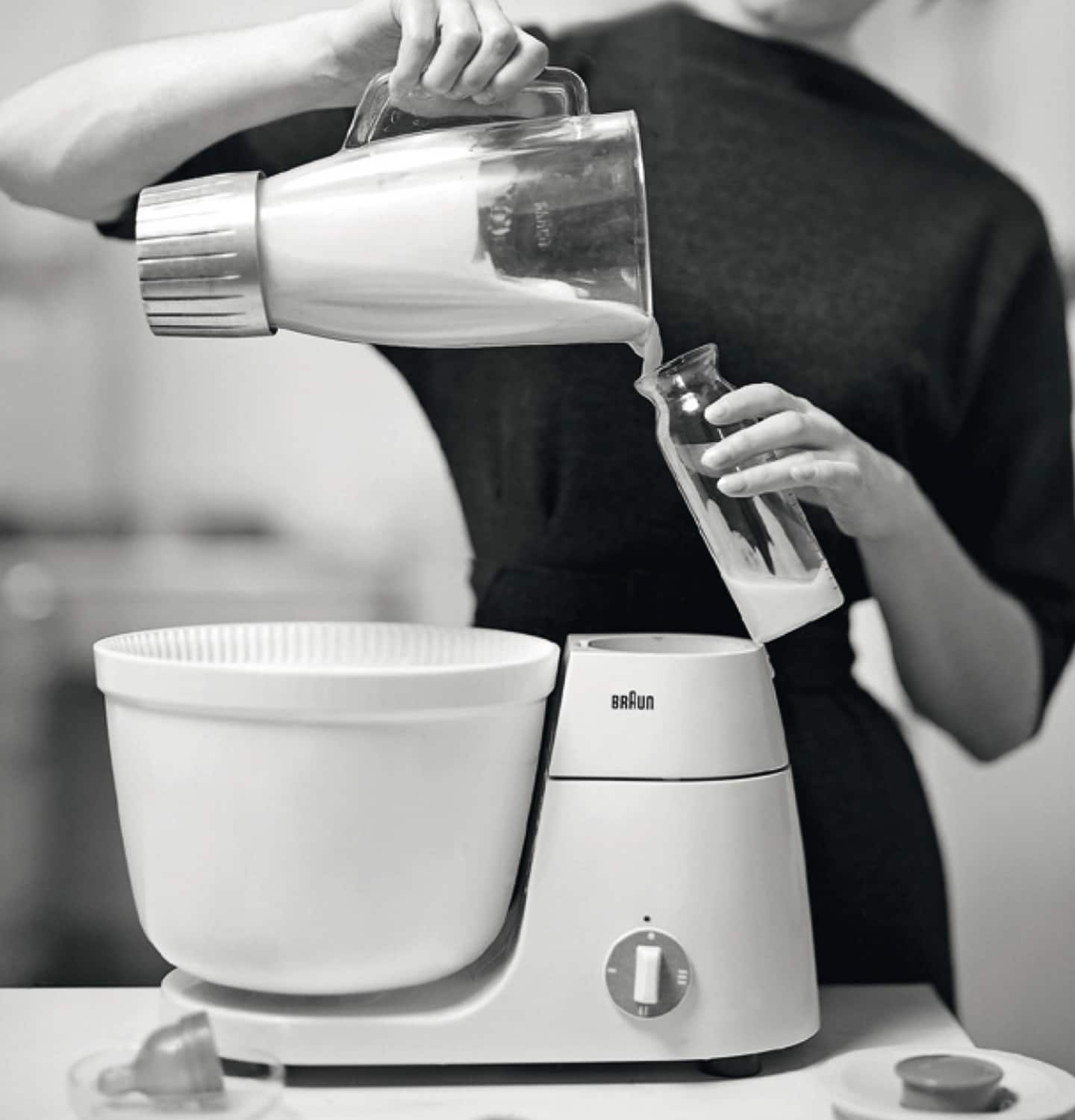
Frullatore Braun Multimix
Negli anni ’50 il milkshake divenne un caposaldo del mondo occidentale, in parte grazie al Multimix, il frullatore all’avanguardia con un mixer rimovibile in vetro. Taglia gli ingredienti con un'efficacia industriale. Ancora ampiamente in uso oggi.
1957 | Gerd Alfred Müller
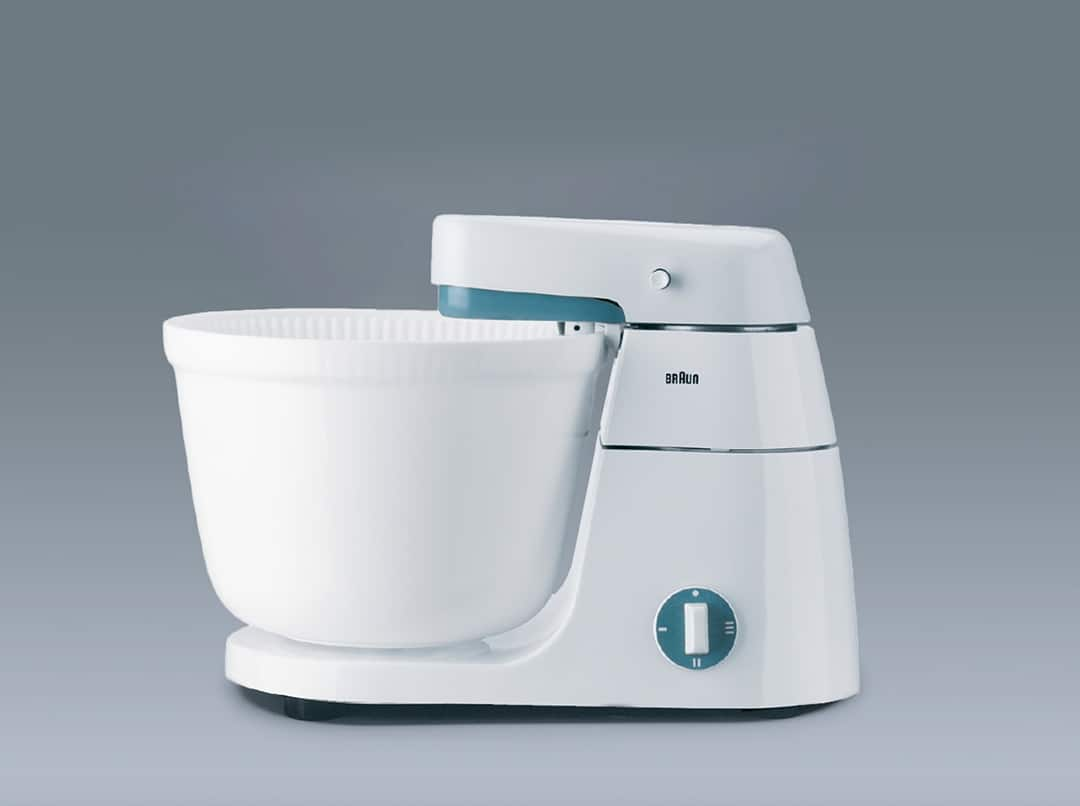
KM3/31
A hugely influential blender or “food processor” as it was known that birthed a whole new product category: “kitchen machines” or appliances. With its hyper-reduced, simple and useful design one of the most influential industrial products of all time.
1963 | Reinhold Weiss
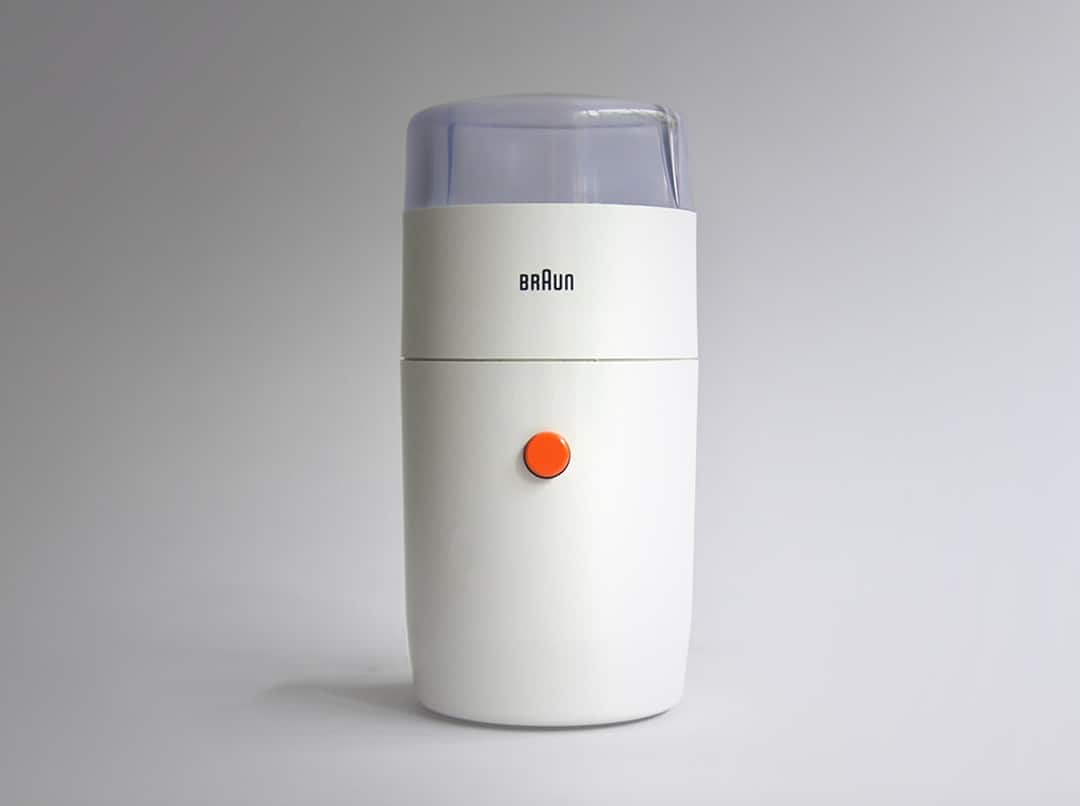
KSM 1/11
Design doesn’t get much more minimalistic than this: a coffee grinder so purpose-built it needed just one, centrallyplaced button to operate. Finely ground beans were just a finger click away.
1963 | Reinhold Weiss
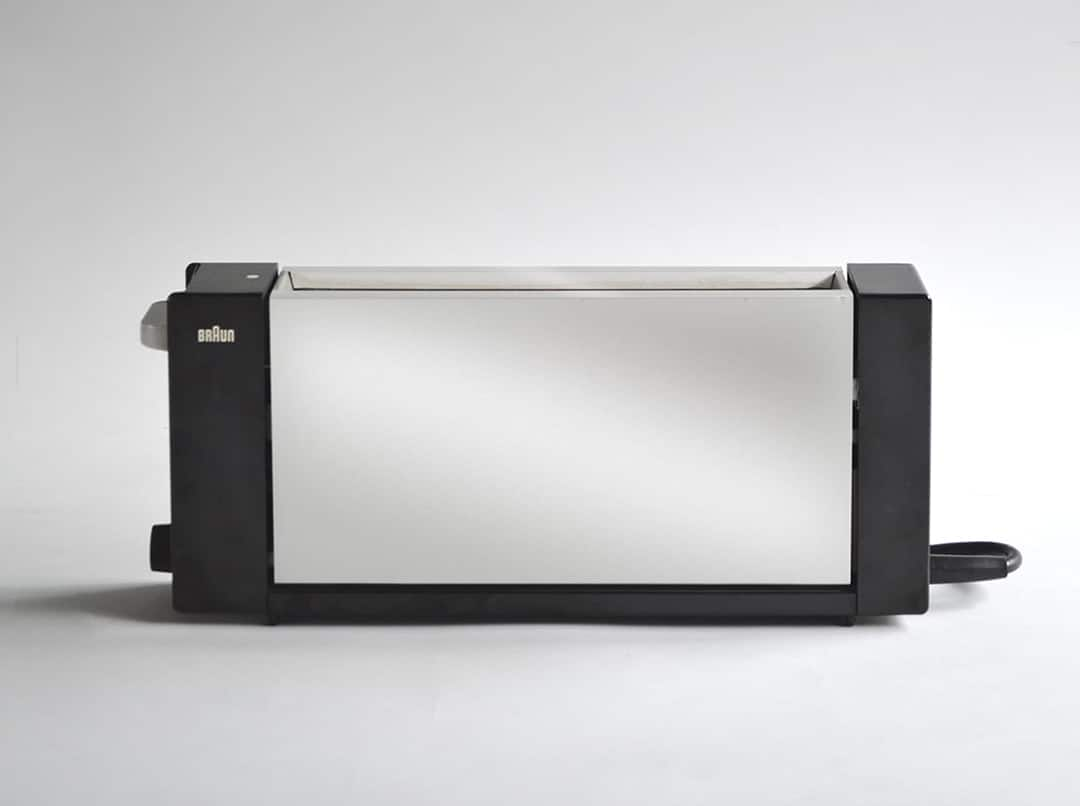
HT 2
This toaster’s sleek, reduced design so inspired renowned artist Richard Hamilton that he based one of his works (aptly titled ‘Toaster’) on it. Oh, and it also browned bread to perfection.
1972 | Florian Seiffert
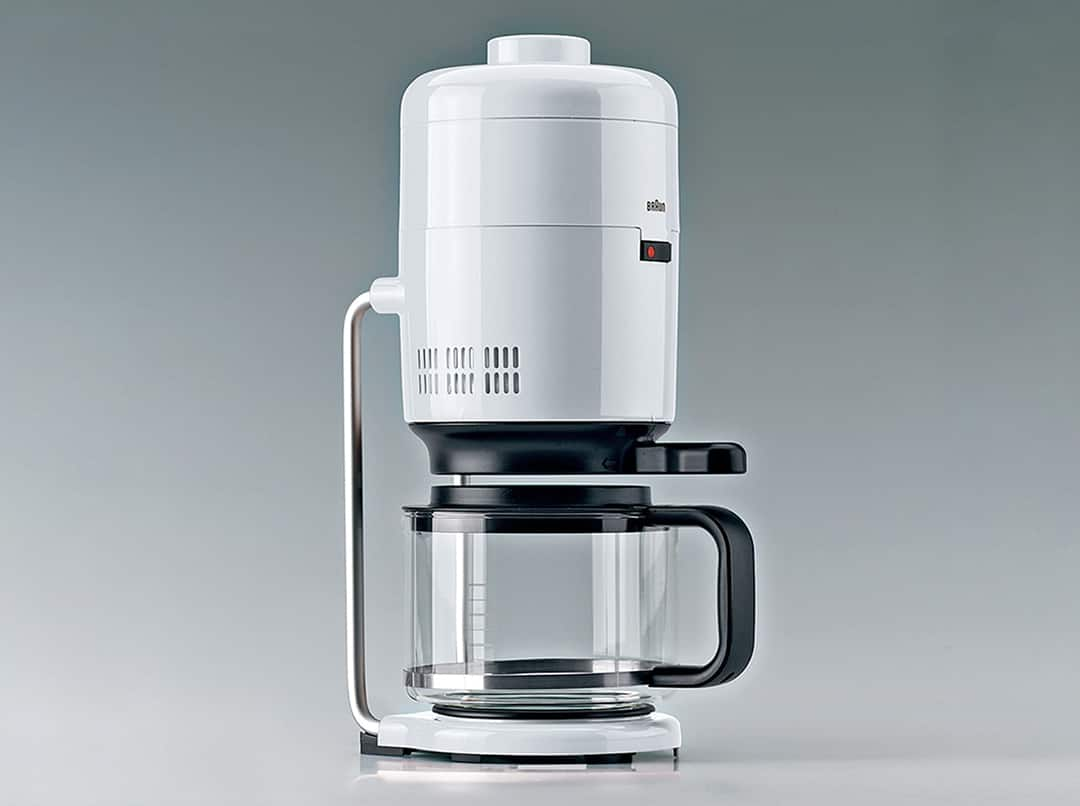
KF 20
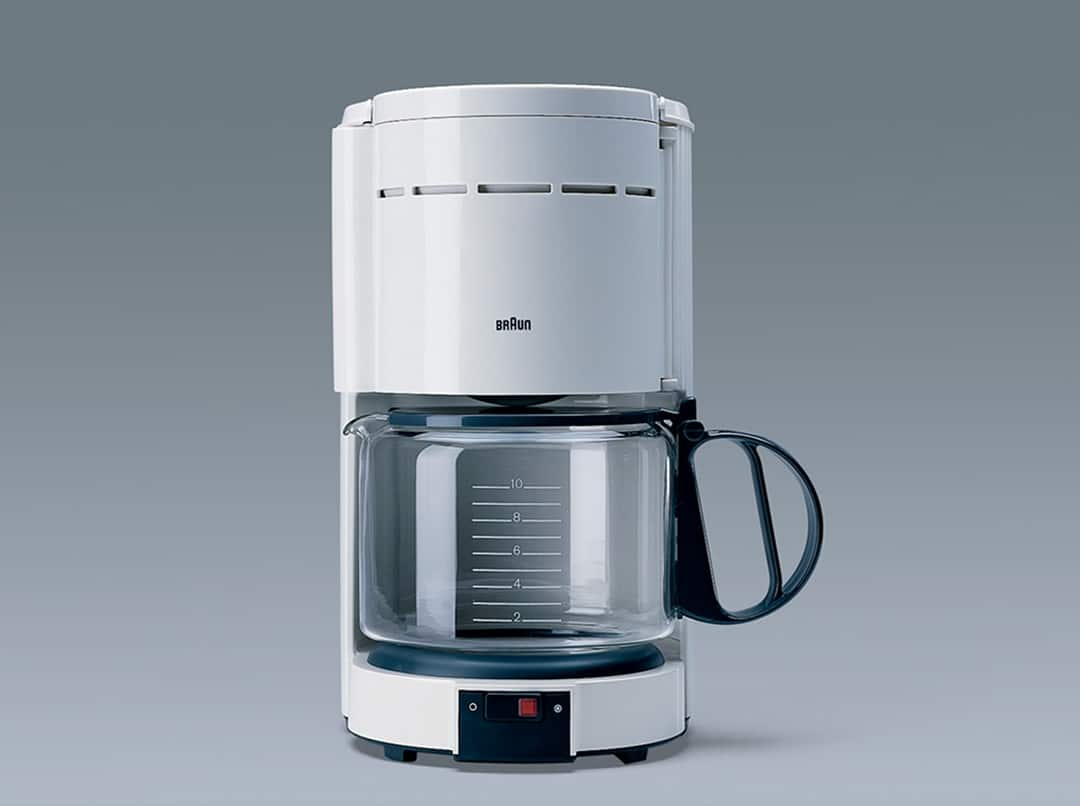
With a stacked, vertical design that resembled a water tower, the KF 20 was known as the Aromaster. Instantlyrecognizable for its unciventional shape, this coffee maker added a touch of the exrtaordinary to everyday morning filter coffee.
1972 | Jürgen Greubel, Dieter Rams
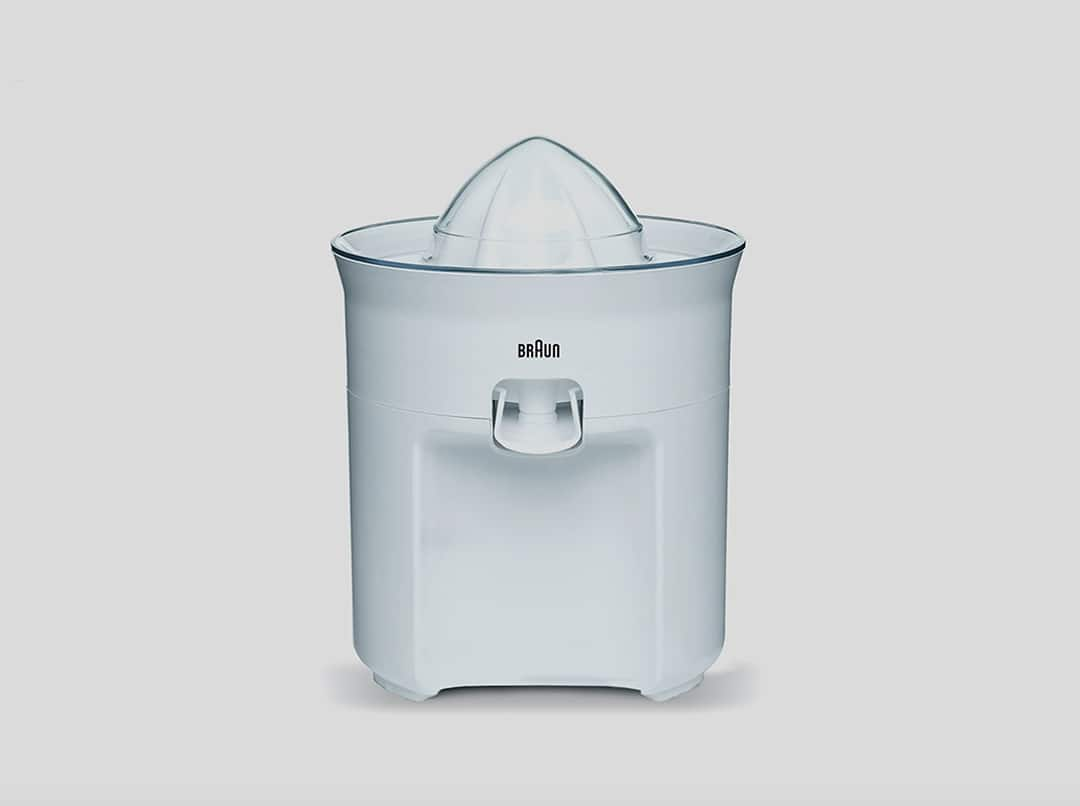
MPZ 22
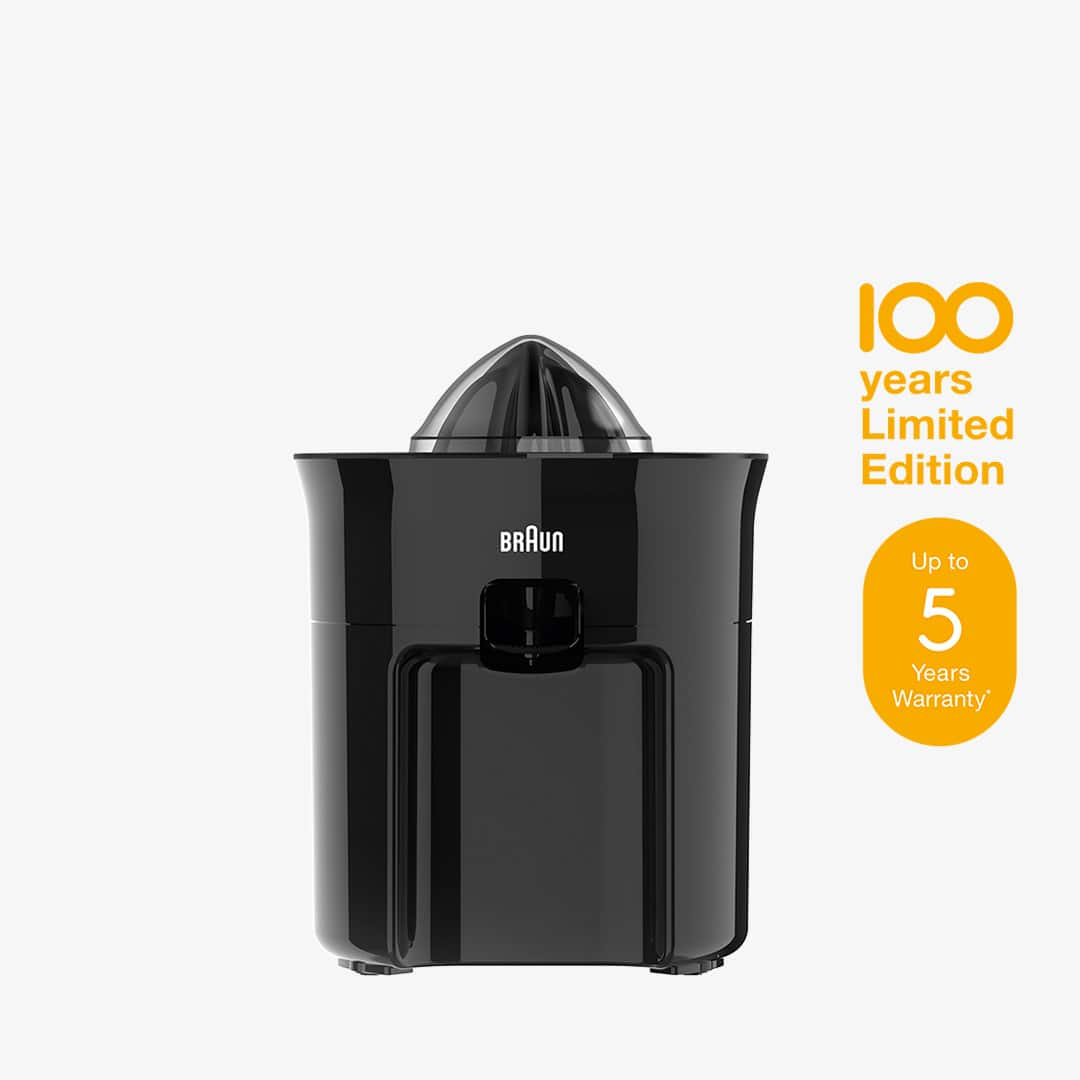
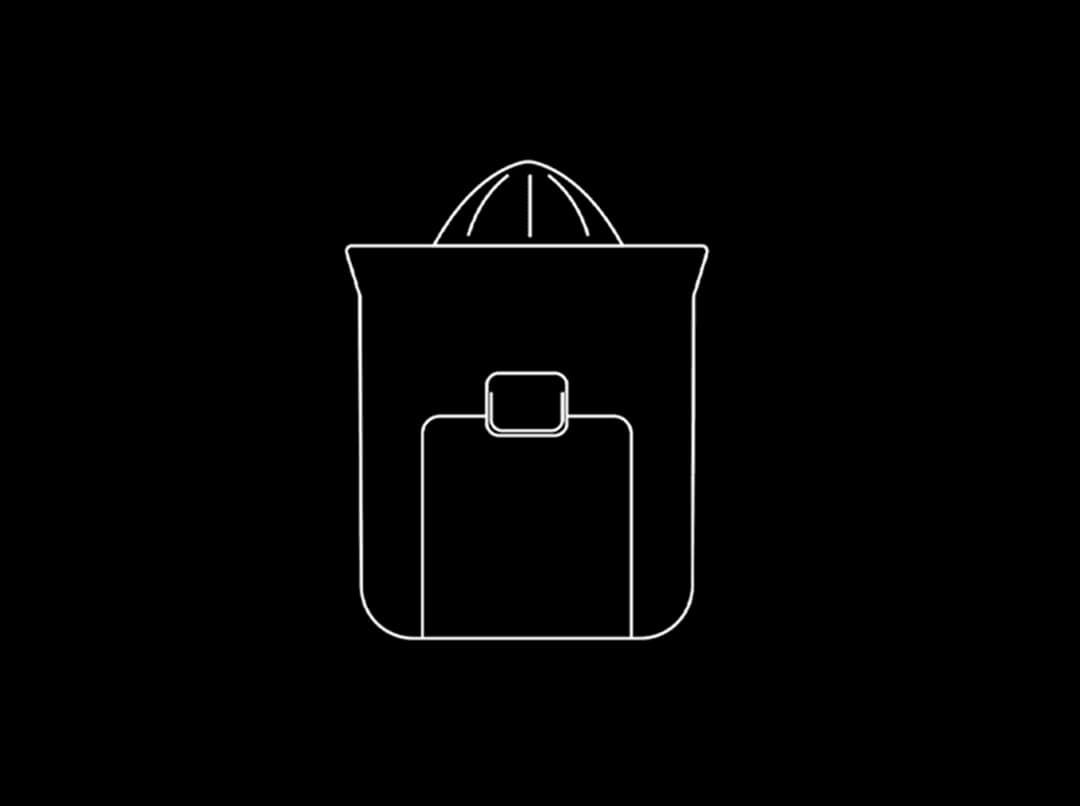
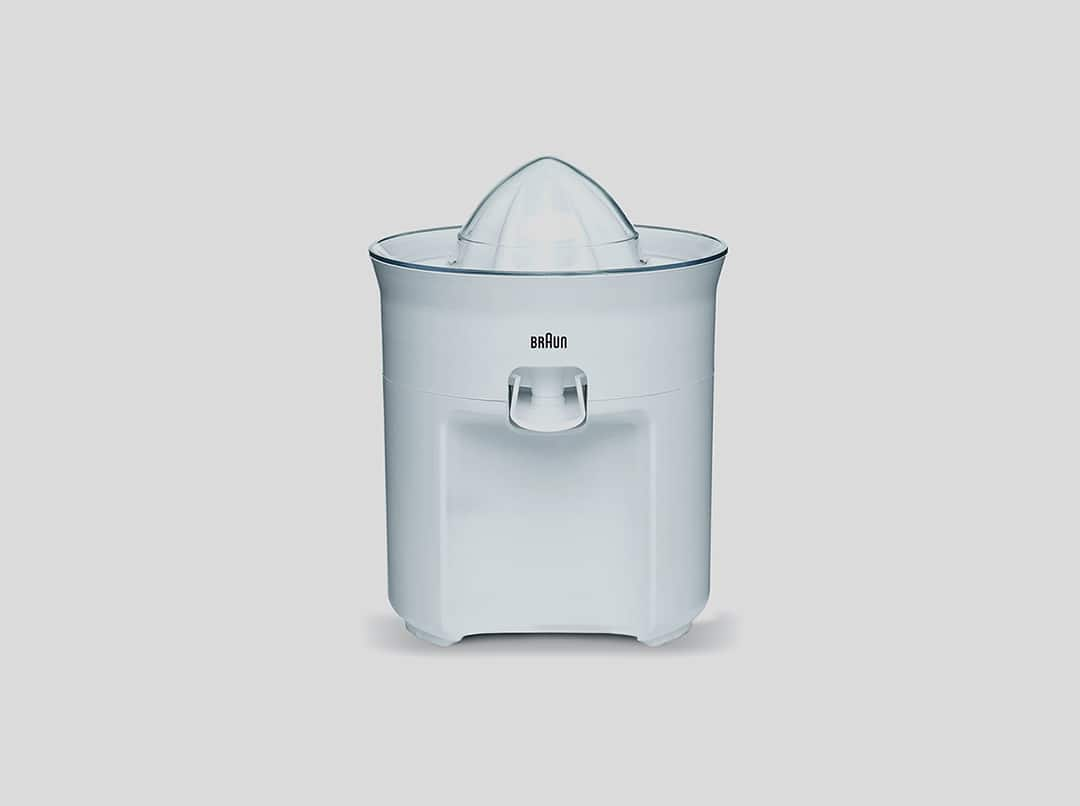
Questo spremiagrumi elettrico, noto anche come citromatico, è stato per decenni un punto fermo affidabile e incredibilmente facile da pulire in tutte le cucine. È stato solo dopo oltre vent’anni che Braun ha deciso di aggiornare il design originale.
1981 | Ludwig Littmann
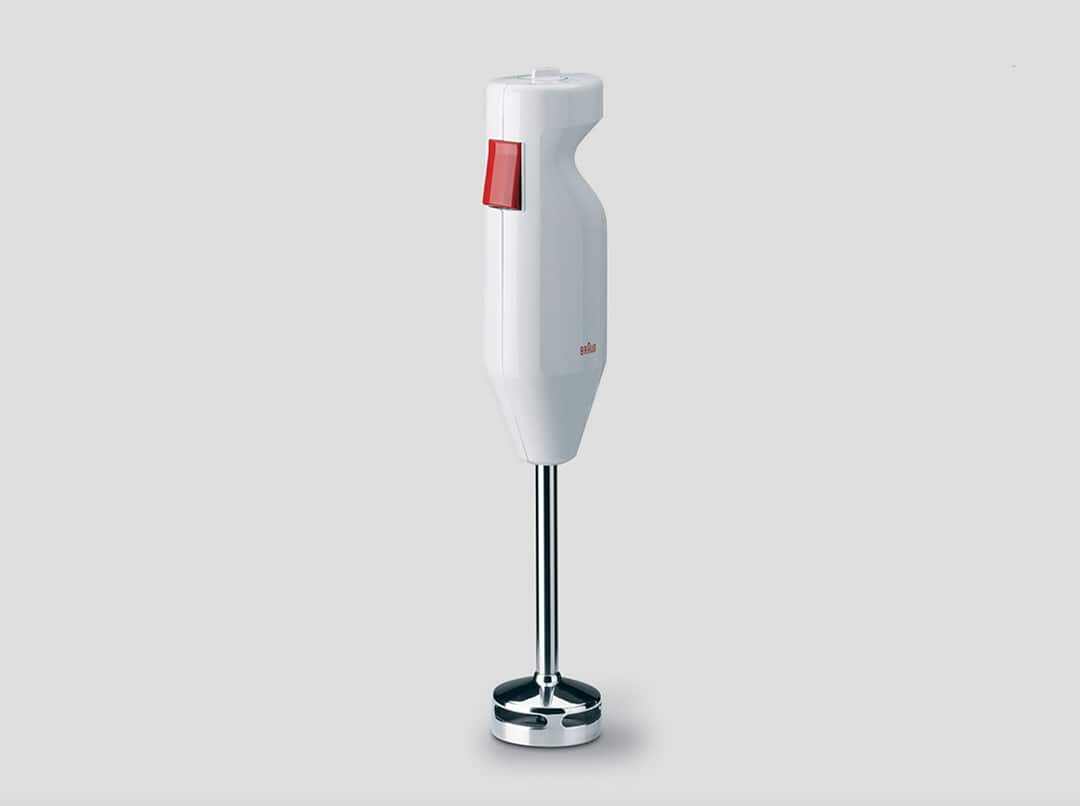
MR 6
Un precursore del più sofisticato MR 500, l’MR 6 era così robusto e resistente che era in grado di miscelare alimenti che altri prodotti non riuscivano a frullare. Un importante passo avanti verso la creazione del frullatore portatile perfetto.
1984 | Hartwig Kahlcke
KF 40
Questa caffettiera fu discussa alla Braun poiché realizzata in polipropilene economico e non in resistente policarbonato. Braun aveva deciso di passare alla plastica. La superficie ondulata della KF 40 è una soluzione di design che conquistò Dieter Rams.
2016 | Markus Orthey, Ludwig Littmann
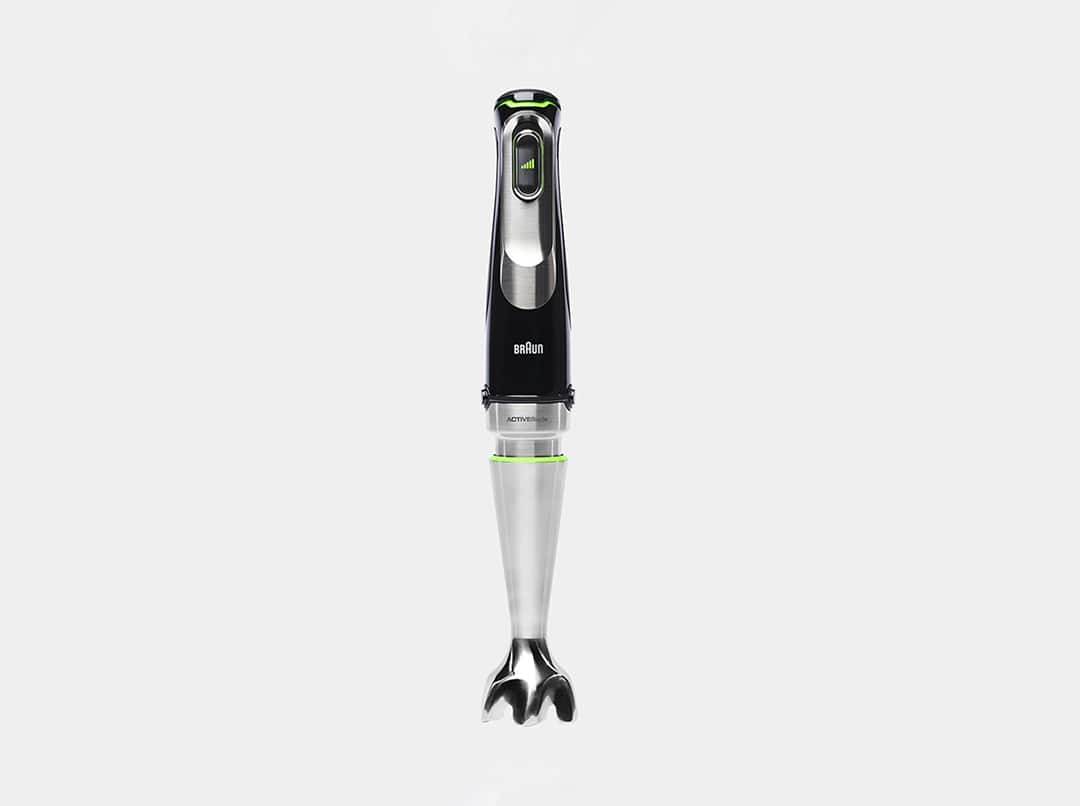
MultiQuick 9
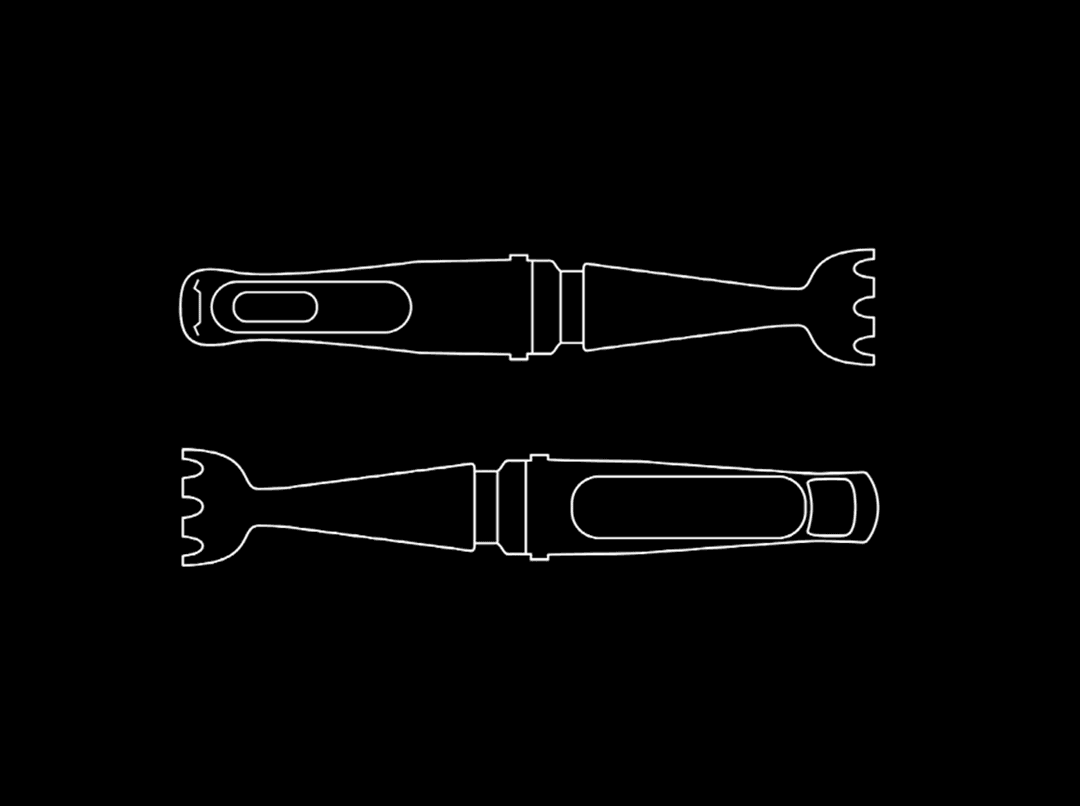
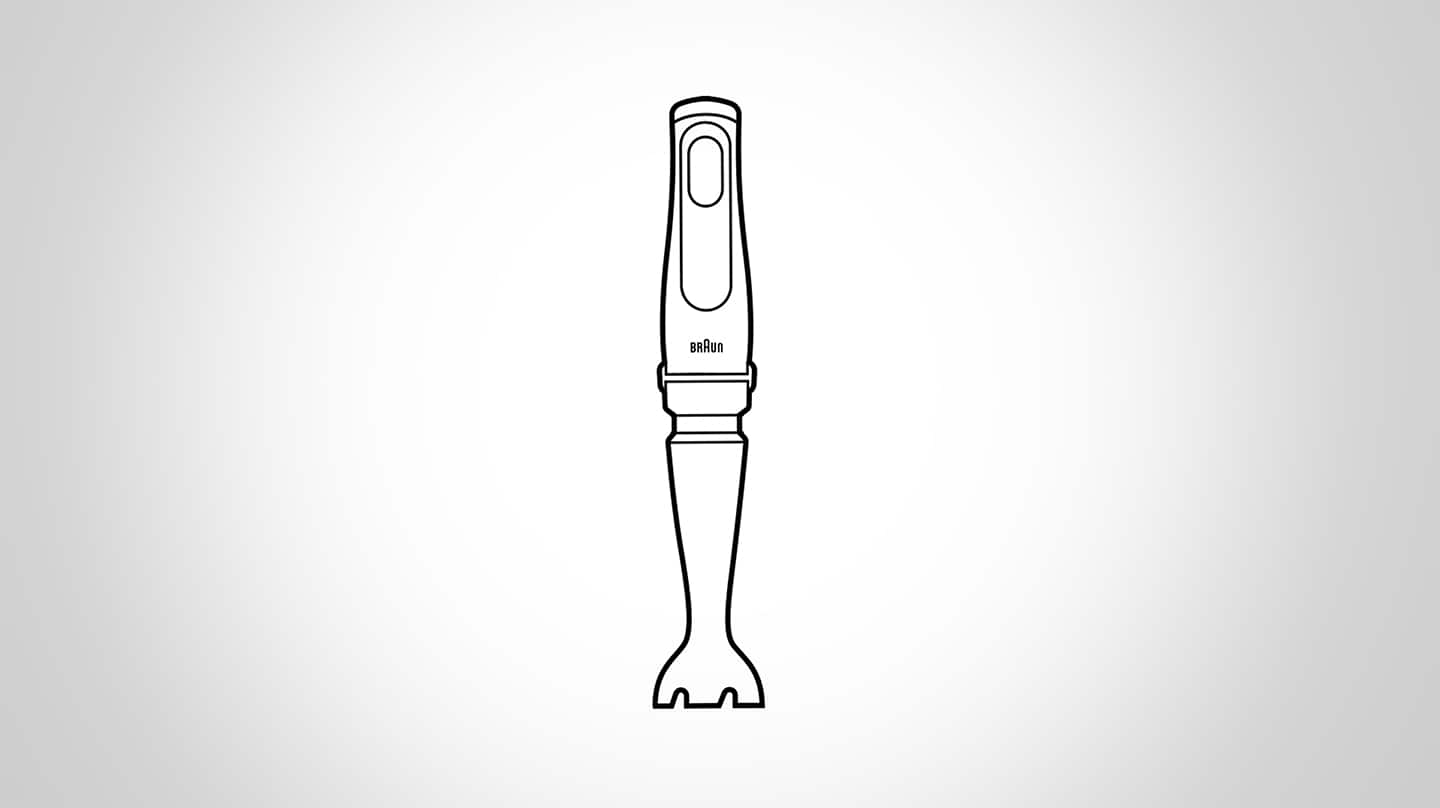
Un frullatore a tutto tondo che riunisce le funzionalità dei dispositivi con dimensioni di gran lunga maggiori, tutte racchiuse in una semplice 'bacchetta' portatile. La definizione di design ridotto: compatto ma potente.
Italia
Fai clic qui per accedere al sito web globale.