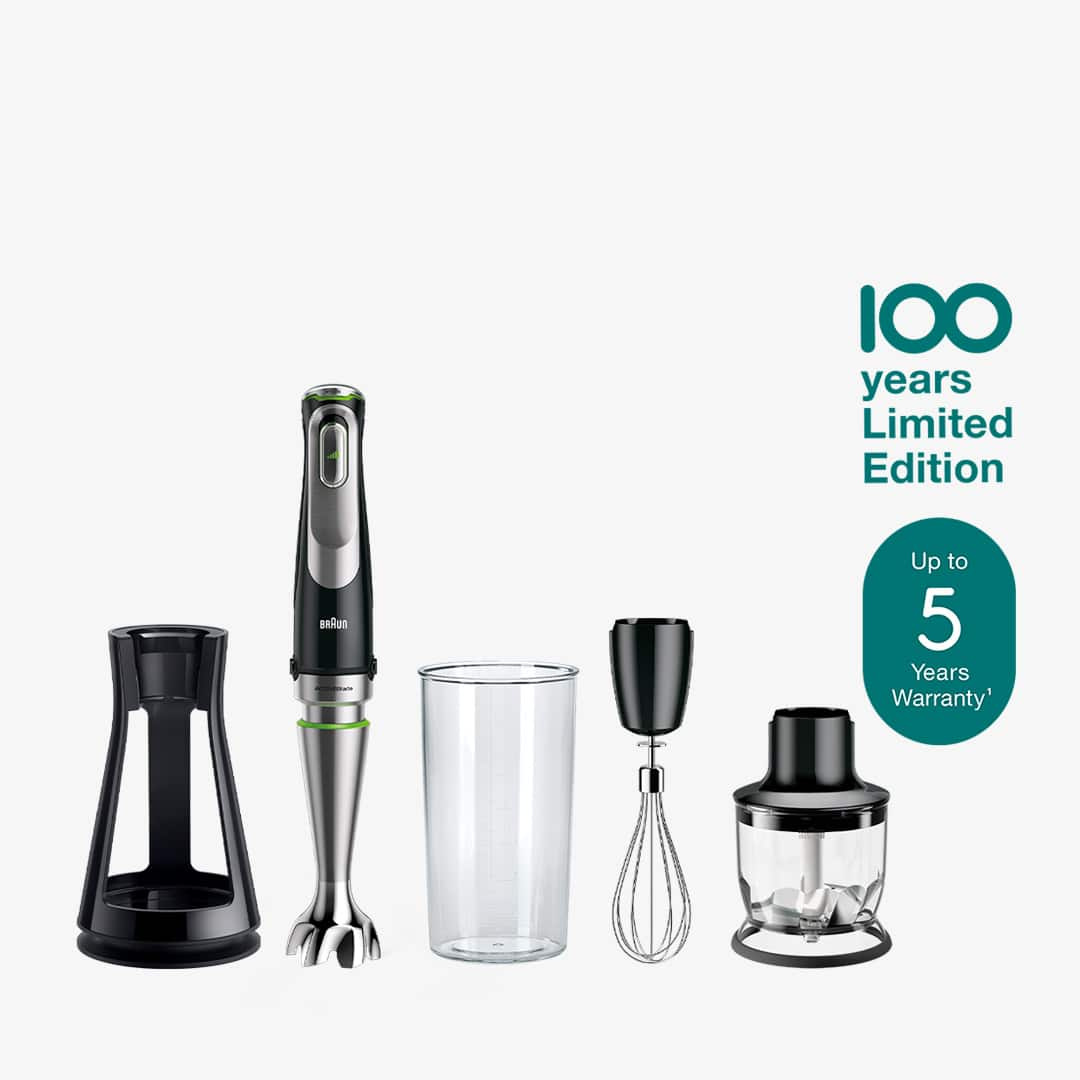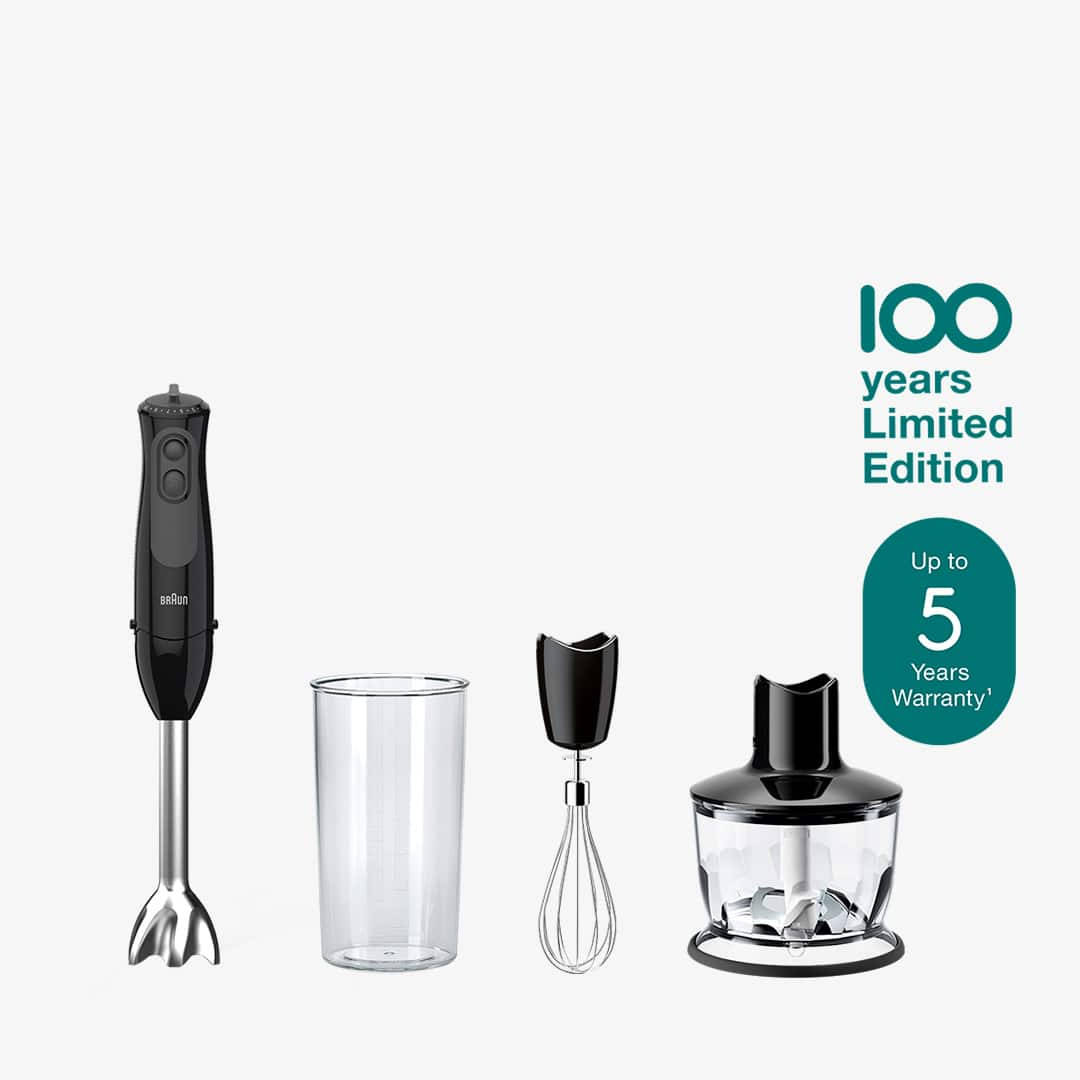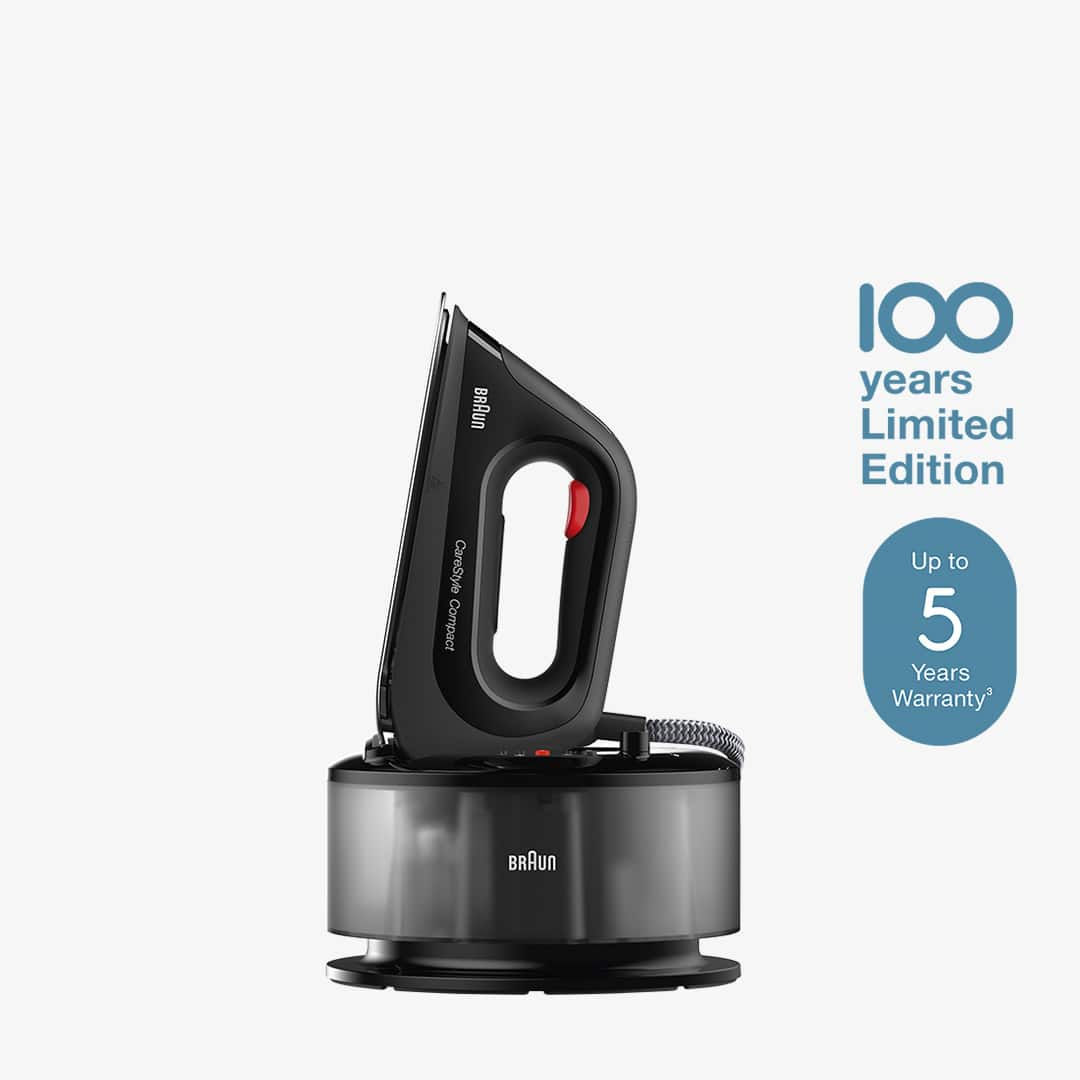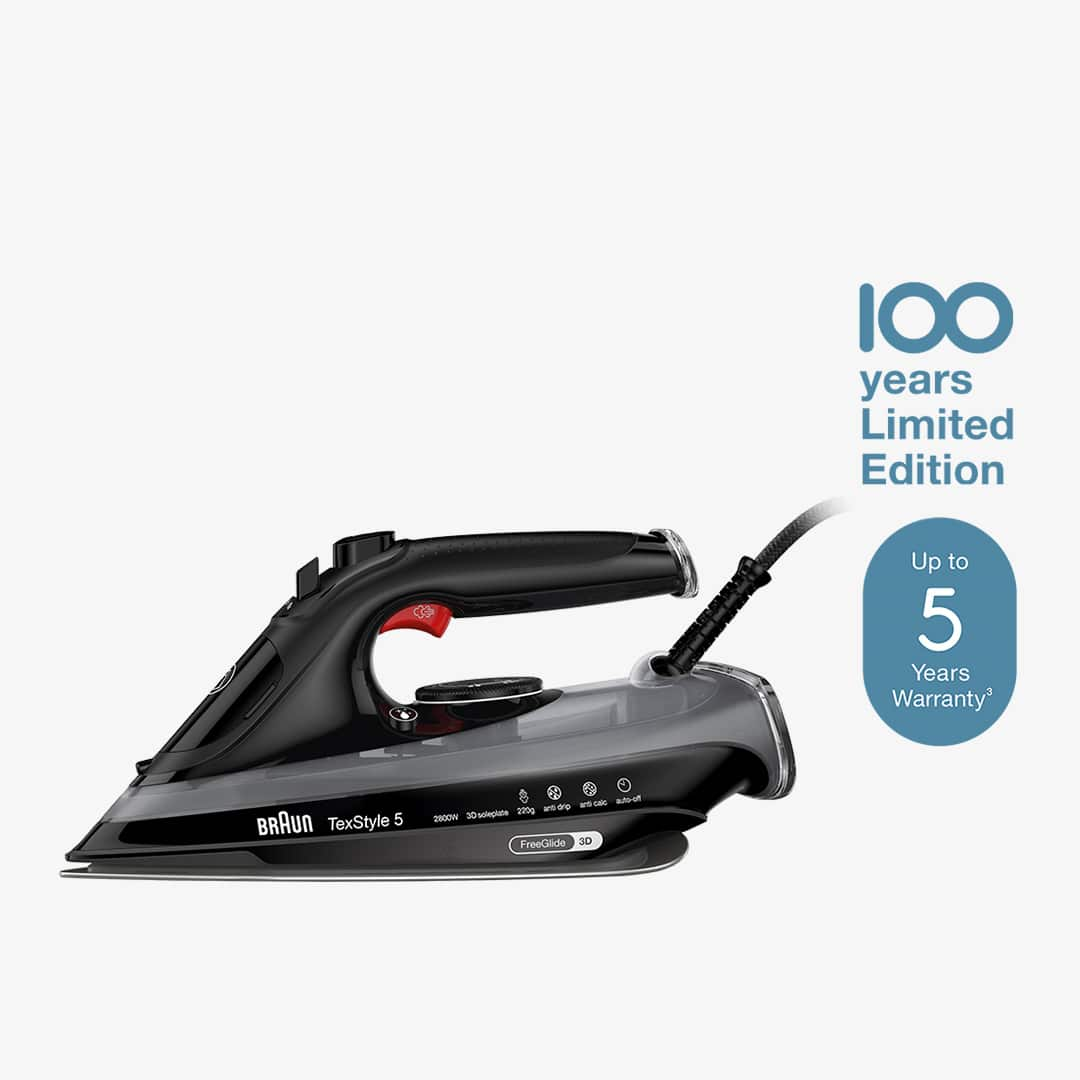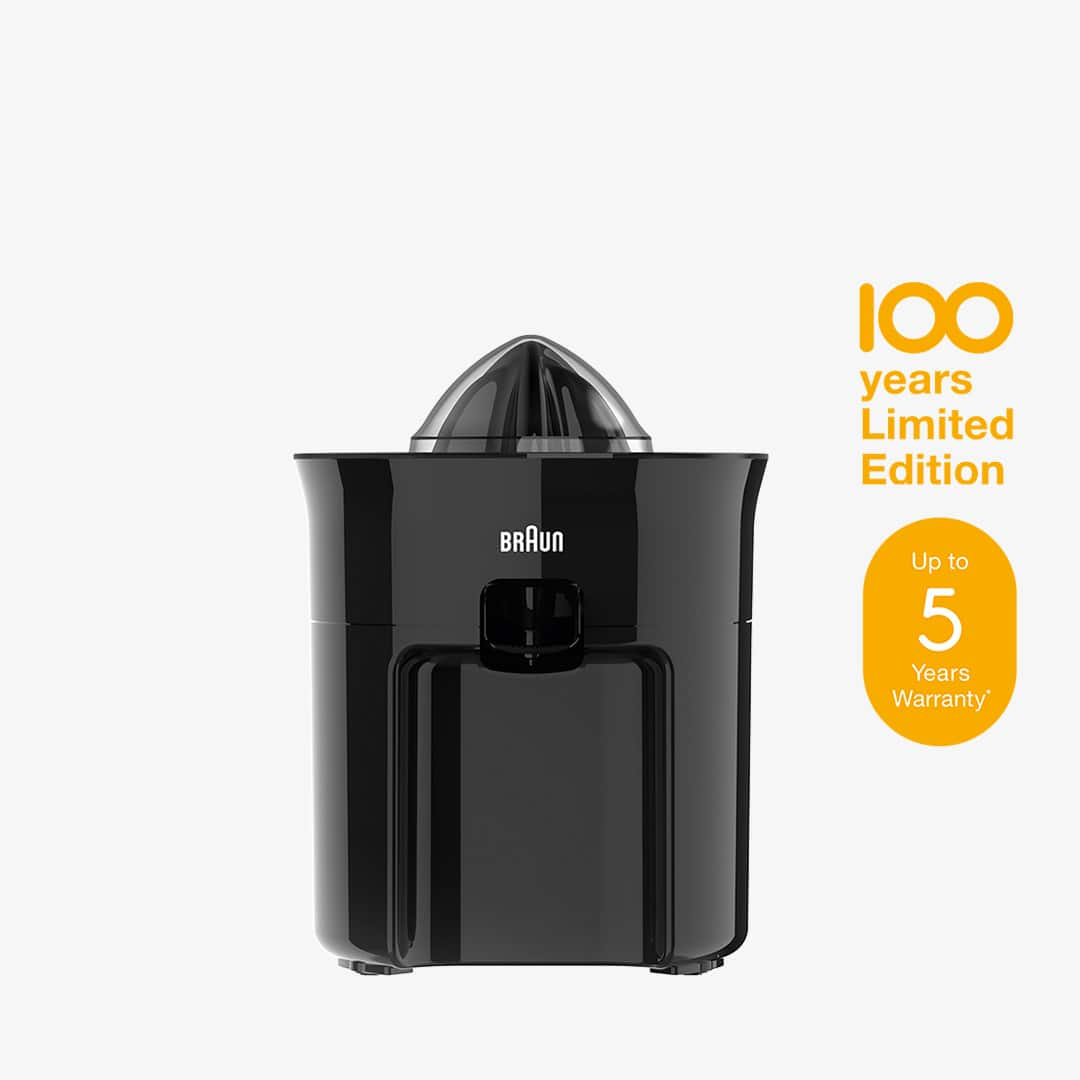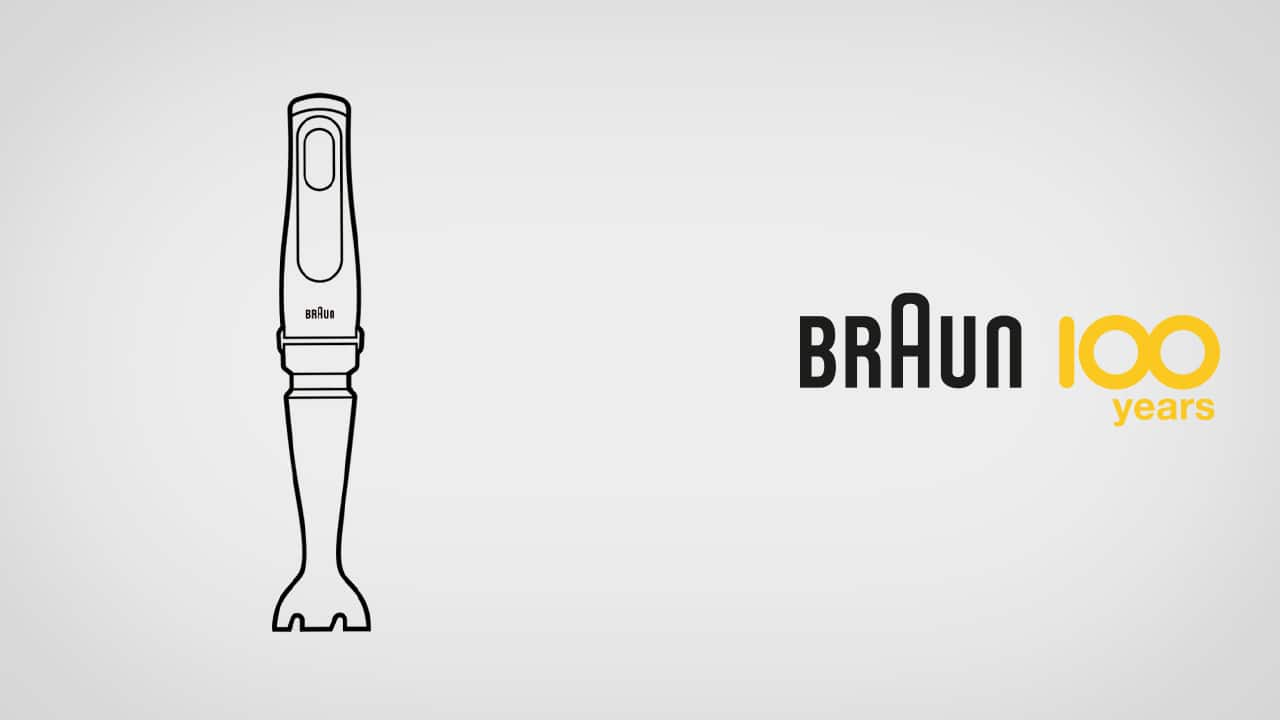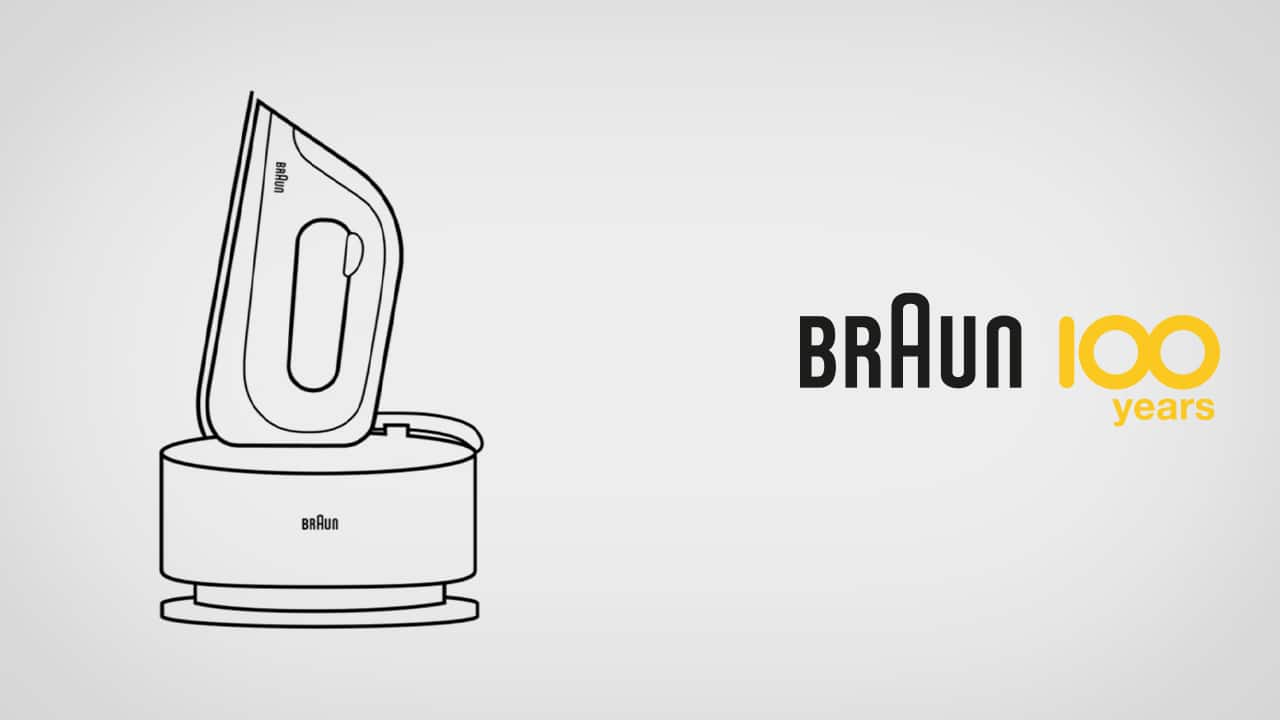
Simple. Useful. Built to last. Discover our 100 year anniversary editions and register for 5 years warranty.
From the everyday things. To a better future.
Simple.
Design that doesn’t get in the way of life. With that simple application of pressure - click - you get what you want. Nothing more than what it needs to be. Which means you can get on with what you want to be.
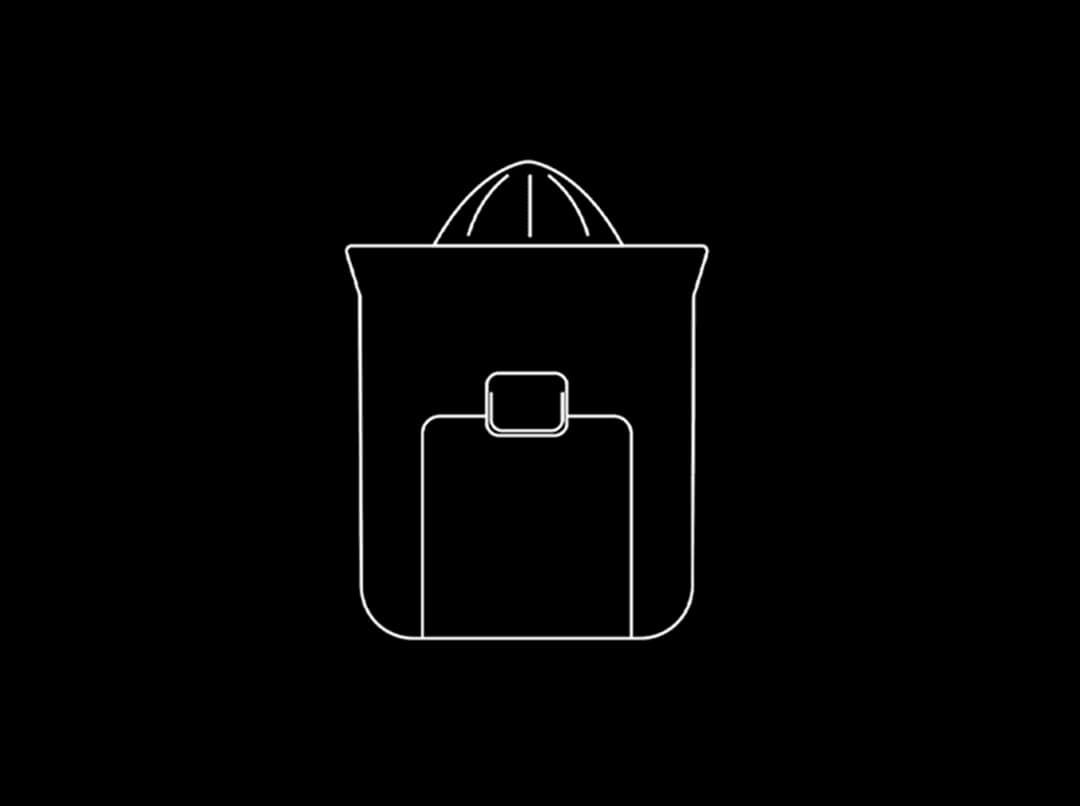
Useful.
Everything has a purpose. A human problem to solve. Down to the finest details. Because good design shouldn’t leave anything behind, it’s thorough and has a reason for being. There is no design for design’s sake.
Built to Last.
When something has been designed well. It doesn’t need anything new, there is no obsolescence - it doesn’t dominate or take over. It lasts. Better for the environment, better for people.
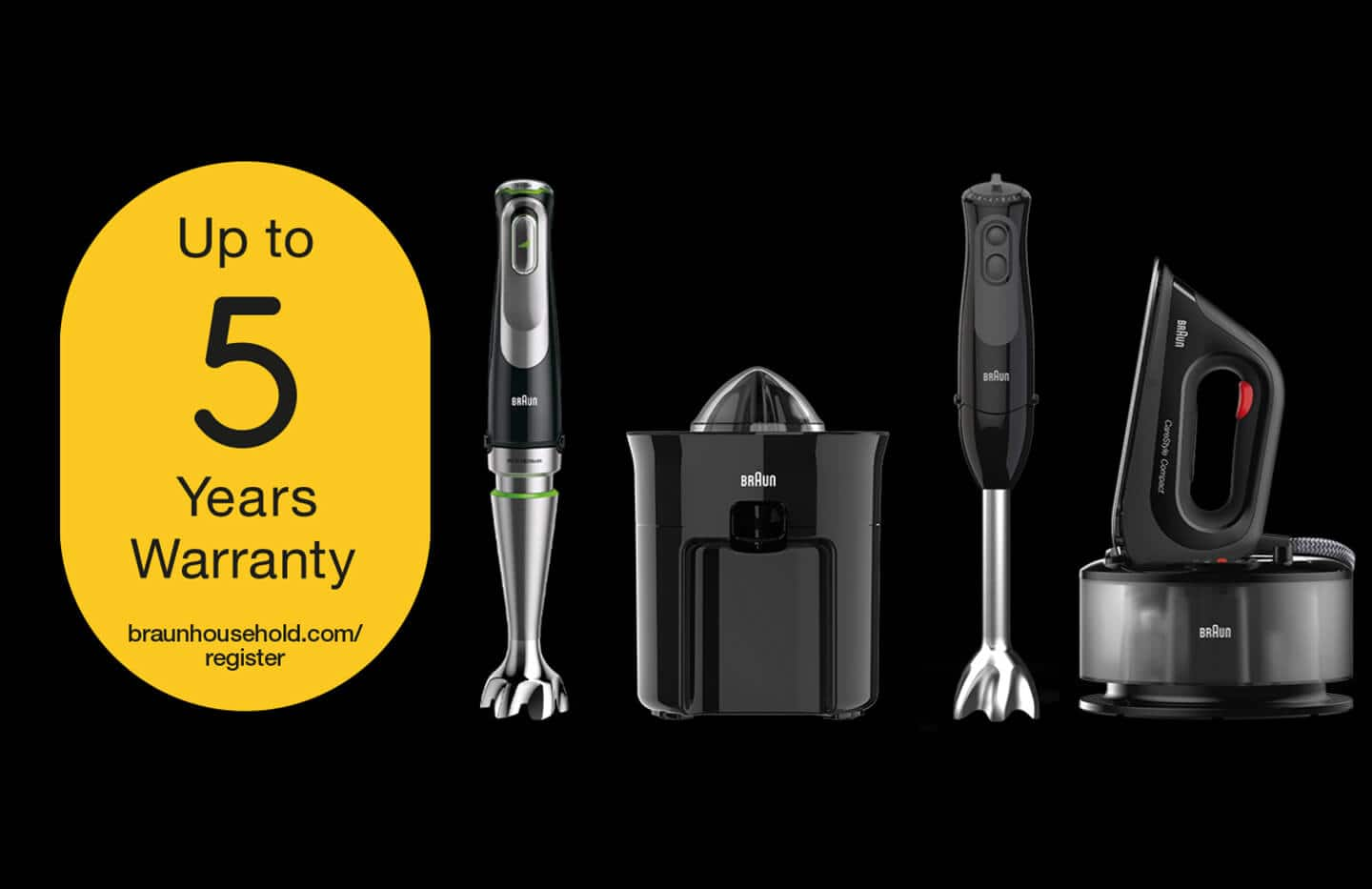
Learn more about our 100 years Limited Edition here.
1 Designul bun este inovator.
Posibilitățile de inovare nu sunt nici pe departe epuizate. Dezvoltarea tehnologică oferă întotdeauna noi oportunități de proiectare inovatoare.
2 Un design bun face ca un produs să fie util.
Un produs este cumpărat pentru a fi utilizat. Trebuie să îndeplinească anumite criterii, nu doar funcționale, ci și psihologice și estetice. Un design bun subliniază utilitatea unui produs, ignorând aspectele care ar putea abate atenția de la aceasta.
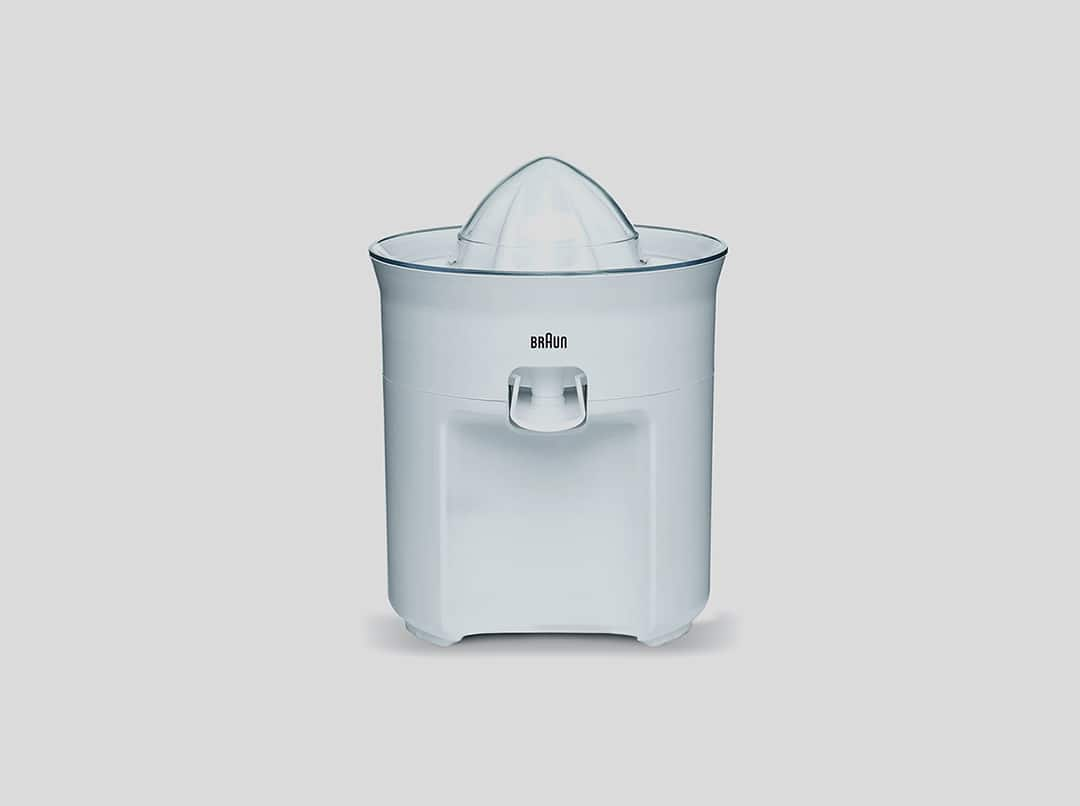
3 Un design bun este estetic.
Calitățile estetice ale unui produs reprezintă o parte adiacentă a utilității sale, deoarece produsele pe care le utilizăm în fiecare zi ne influențează starea de spirit. Dar numai obiectele bine executate pot fi frumoase.
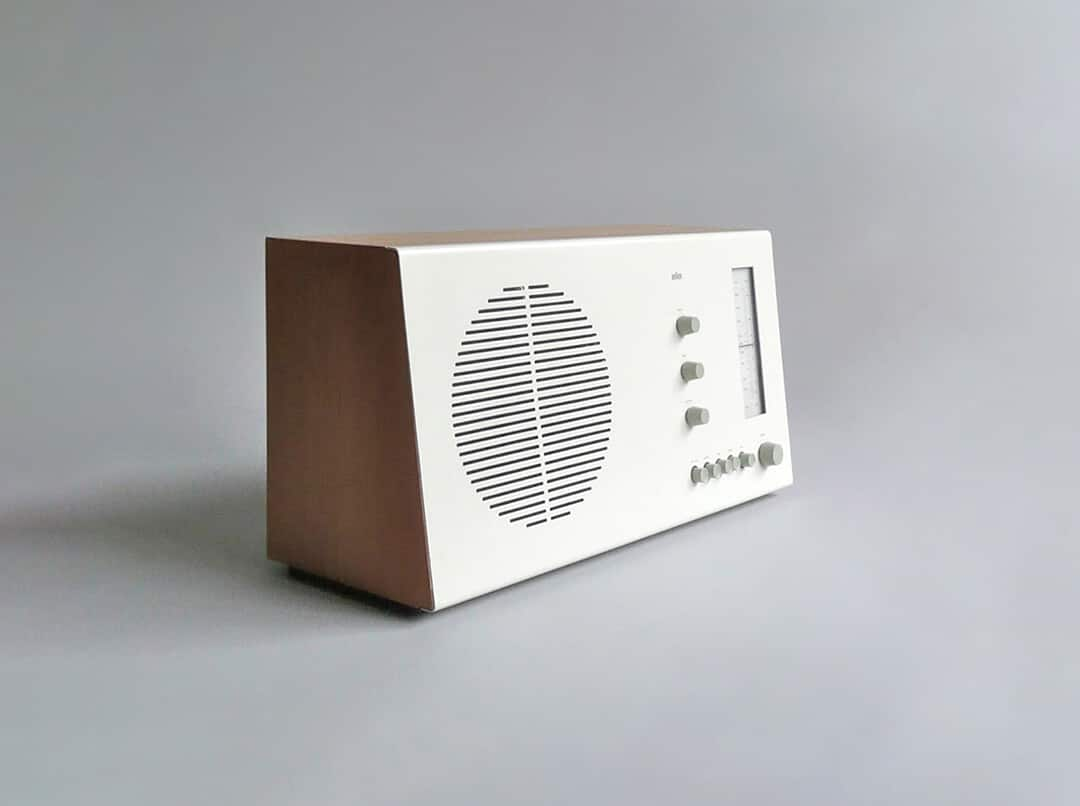
4 Un design bun face ca produsul să fie înțeles.
Acesta clarifică structura produsului. Și, cu atât mai bine, poate face produsul să vorbească de la sine. În cel mai bun caz, este propria sa explicație.
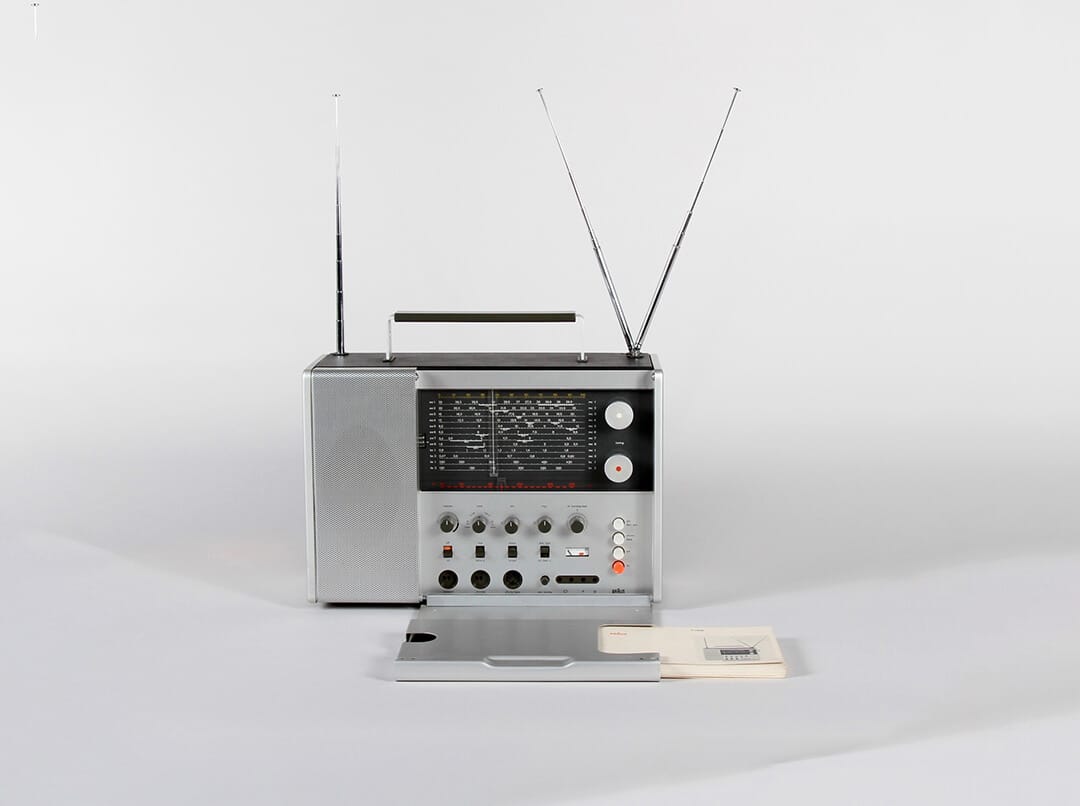
5 Designul bun este discret.
Produsele care îndeplinesc un scop sunt precum instrumentele sau uneltele. Nu sunt nici obiecte decorative și nici opere de artă. Prin urmare, designul lor trebuie să fie neutru și concis, pentru a lăsa loc interpretării proprii a utilizatorului.
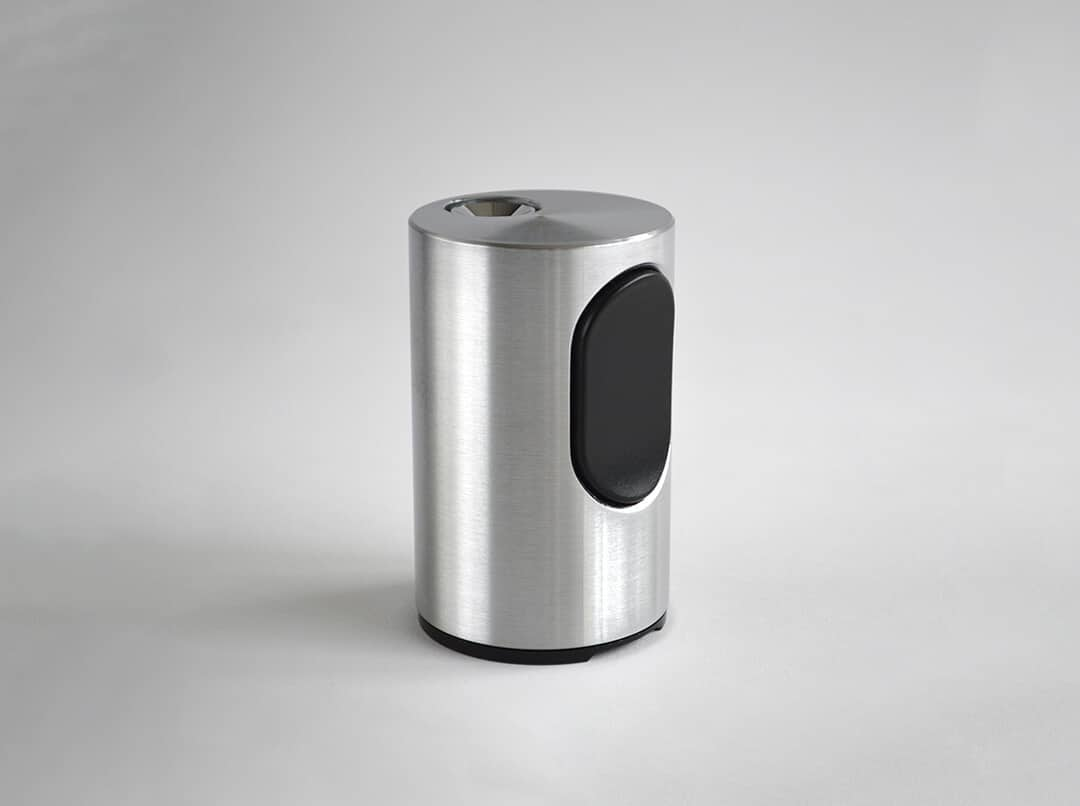
6 Designul bun este onest.
Nu face ca un produs să fie mai inovator, mai puternic sau mai valoros decât este deja. Nu încearcă să manipuleze consumatorul cu promisiuni care nu pot fi îndeplinite.
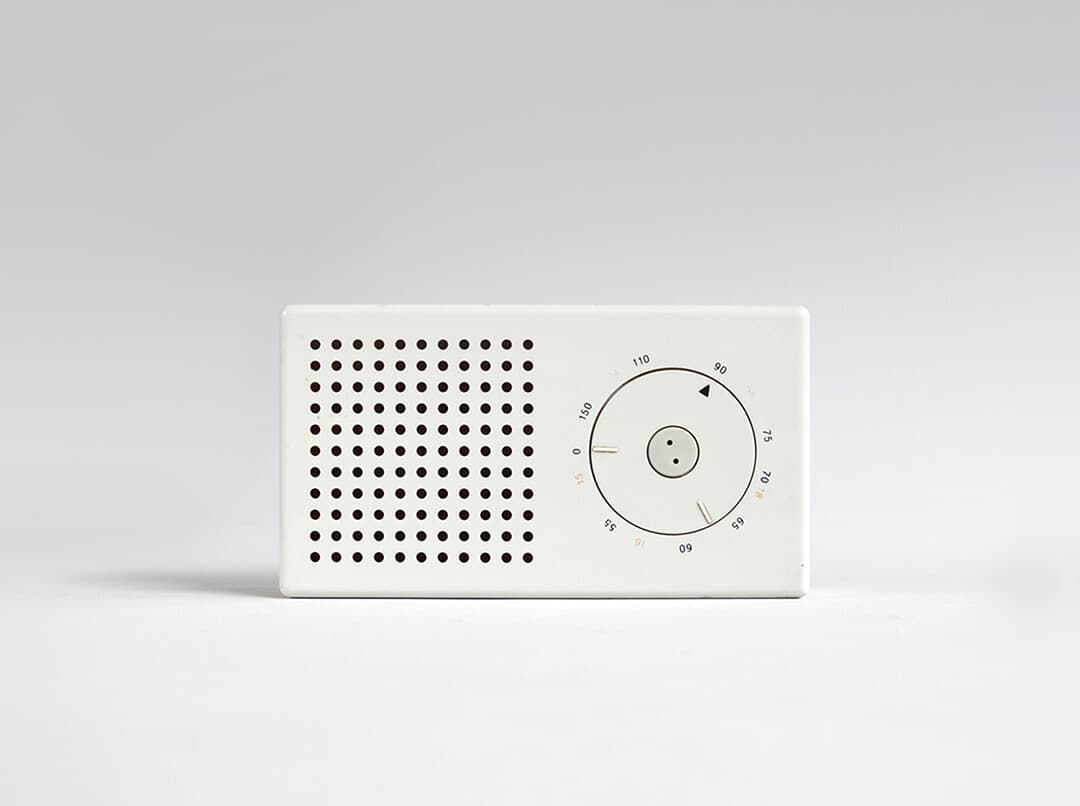
7 Designul bun este de lungă durată.
Evită să fie la modă și, prin urmare, nu pare niciodată depășit. Spre deosebire de designul la modă, acesta durează mulți ani - chiar și în societatea actuală unde ceea ce este uzat sau consumat se aruncă la gunoi.
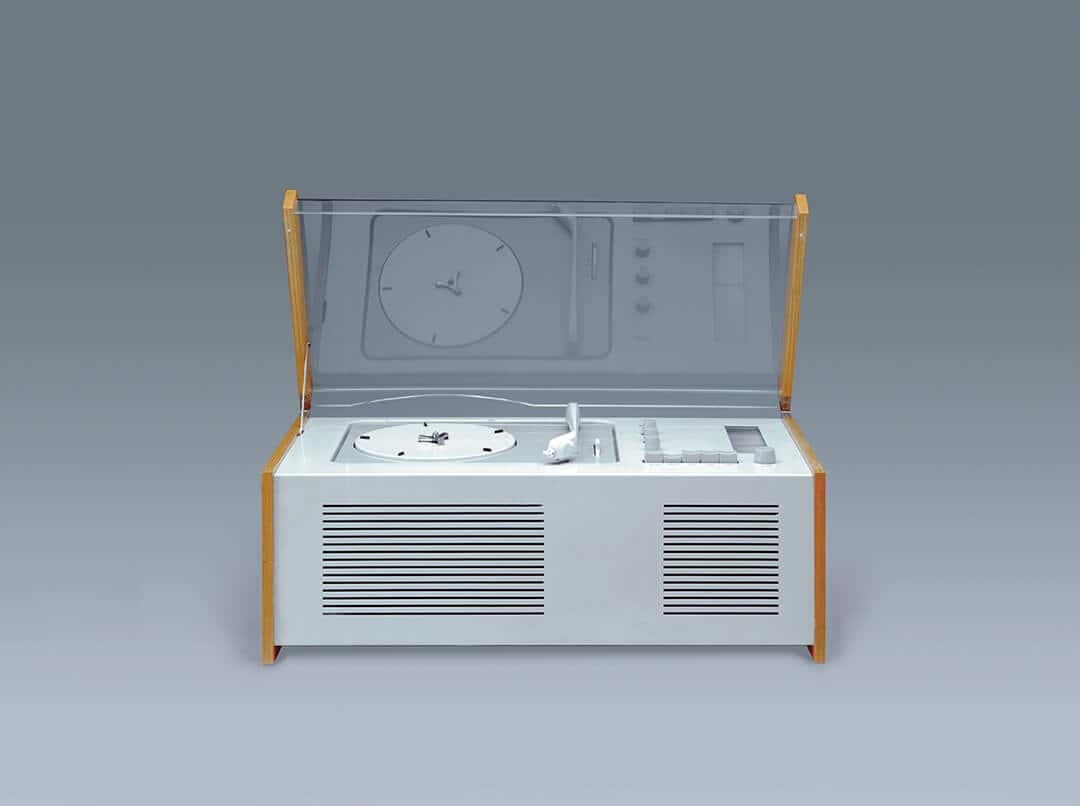
8 Designul bun este detaliat.
Nimic nu trebuie să fie arbitrar sau lăsat la voia întâmplării. Atenția și acuratețea în procesul de proiectare dă dovadă de respect față de consumator.
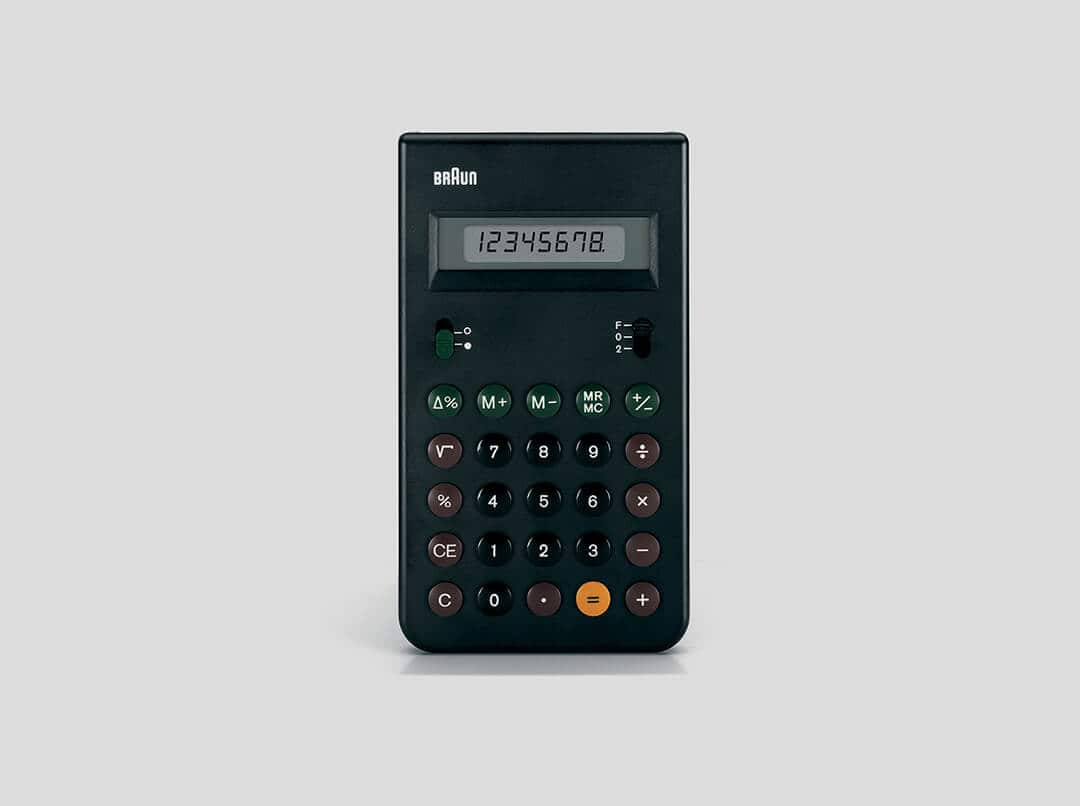
9 Good design is environmentally friendly.
Design makes an important contribution to the preservation of the environment. It conserves resources and minimises physical and visual pollution throughout the lifecycle of the product.
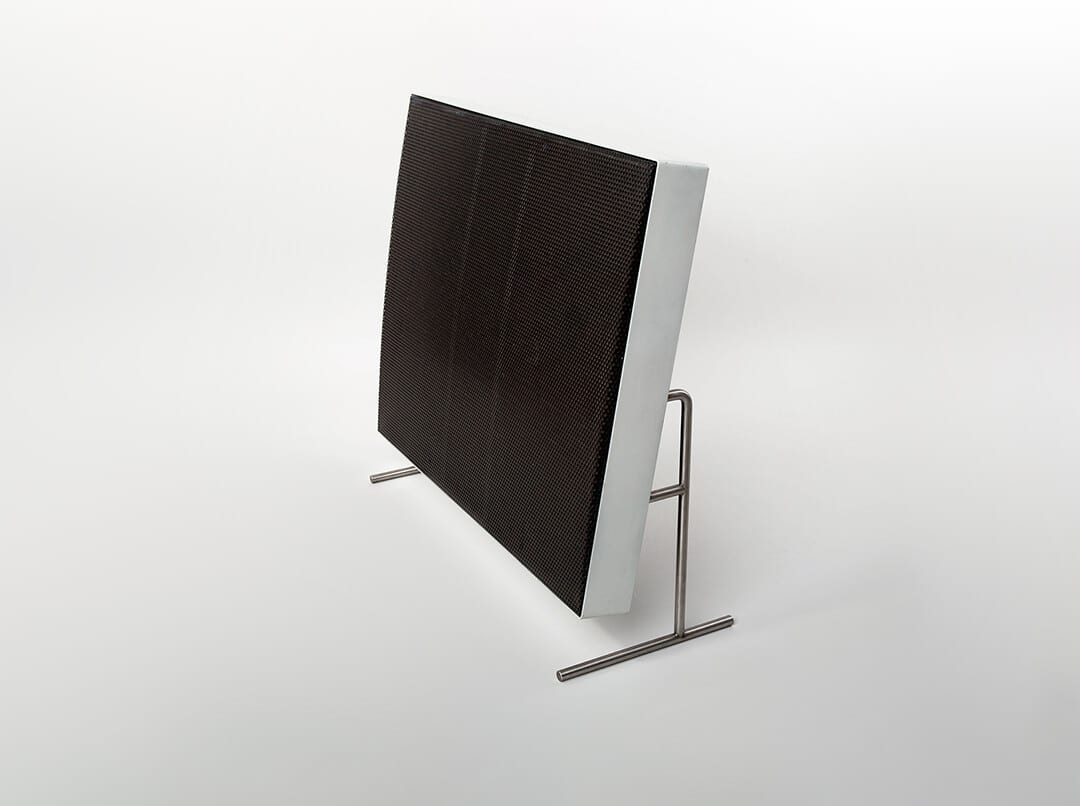
10 Good design is as little design as possible.
Less, but better - because it concentrates on the essential aspects, and the products are not burdened with nonessentials. Back to purity, back to simplicity.
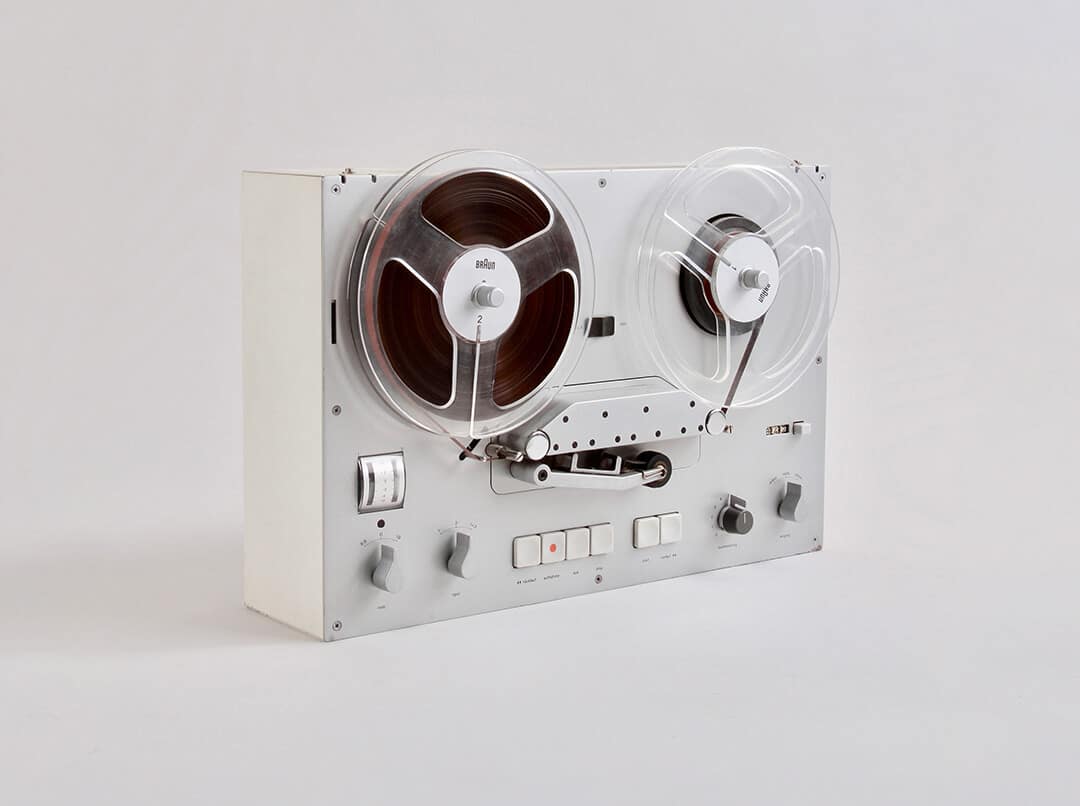
1953 | Fabrica Braun
Blender Multimix Braun
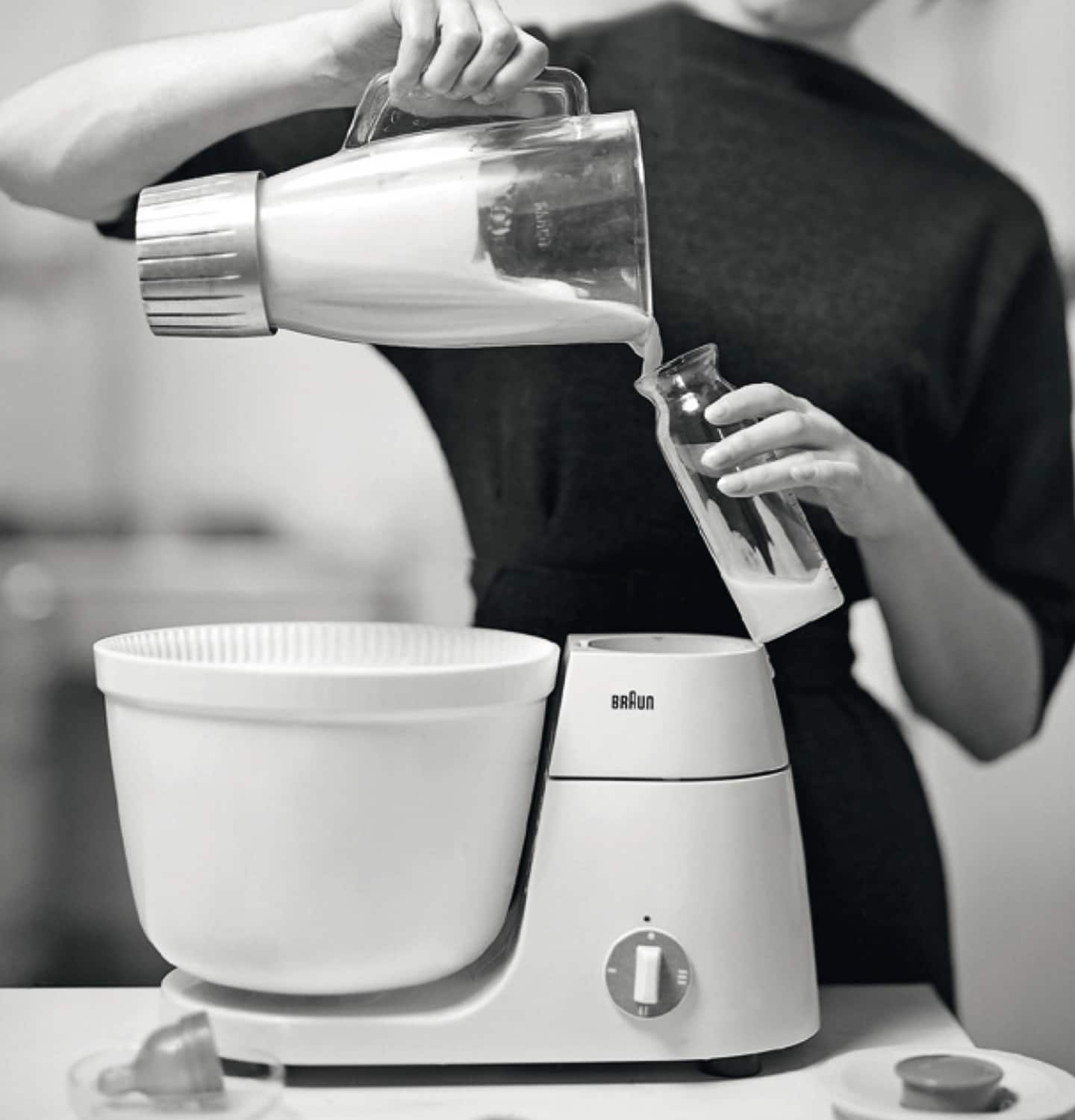
În anii '50 milkshake-ul era în vogă în vest, în parte datorită blenderului de ultimă generație Multimix, cu vas detașabil de amestecare. Se reduce cantitatea de ingrediente, datorită eficacității sale. Este utilizat pe scară largă chiar și astăzi.
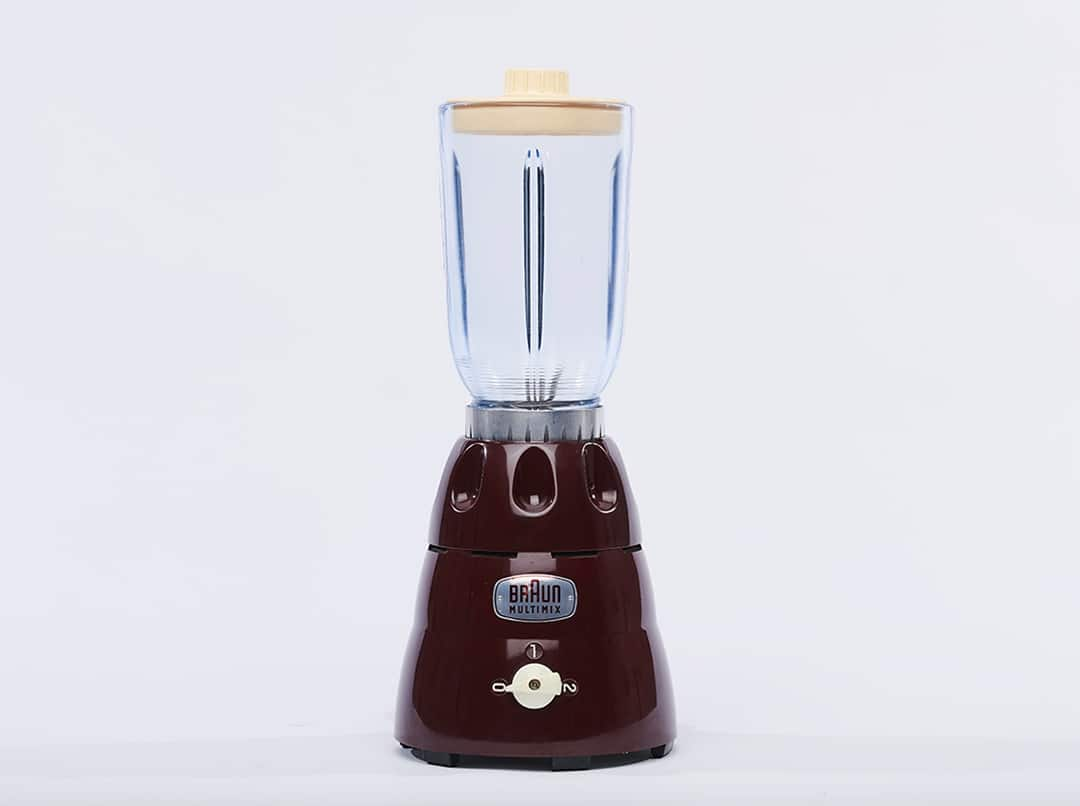
1957 | Gerd Alfred Müller
KM3/31
A hugely influential blender or “food processor” as it was known that birthed a whole new product category: “kitchen machines” or appliances. With its hyper-reduced, simple and useful design one of the most influential industrial products of all time.
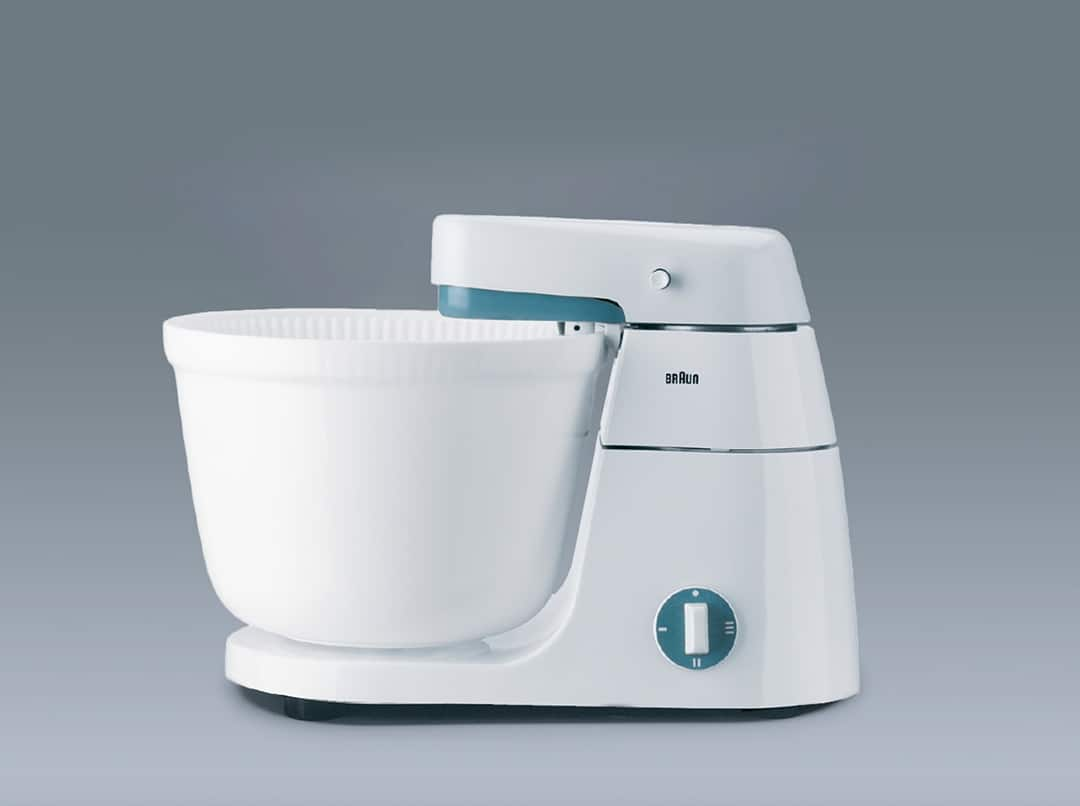
1963 | Reinhold Weiss
KSM 1/11
Design doesn’t get much more minimalistic than this: a coffee grinder so purpose-built it needed just one, centrallyplaced button to operate. Finely ground beans were just a finger click away.
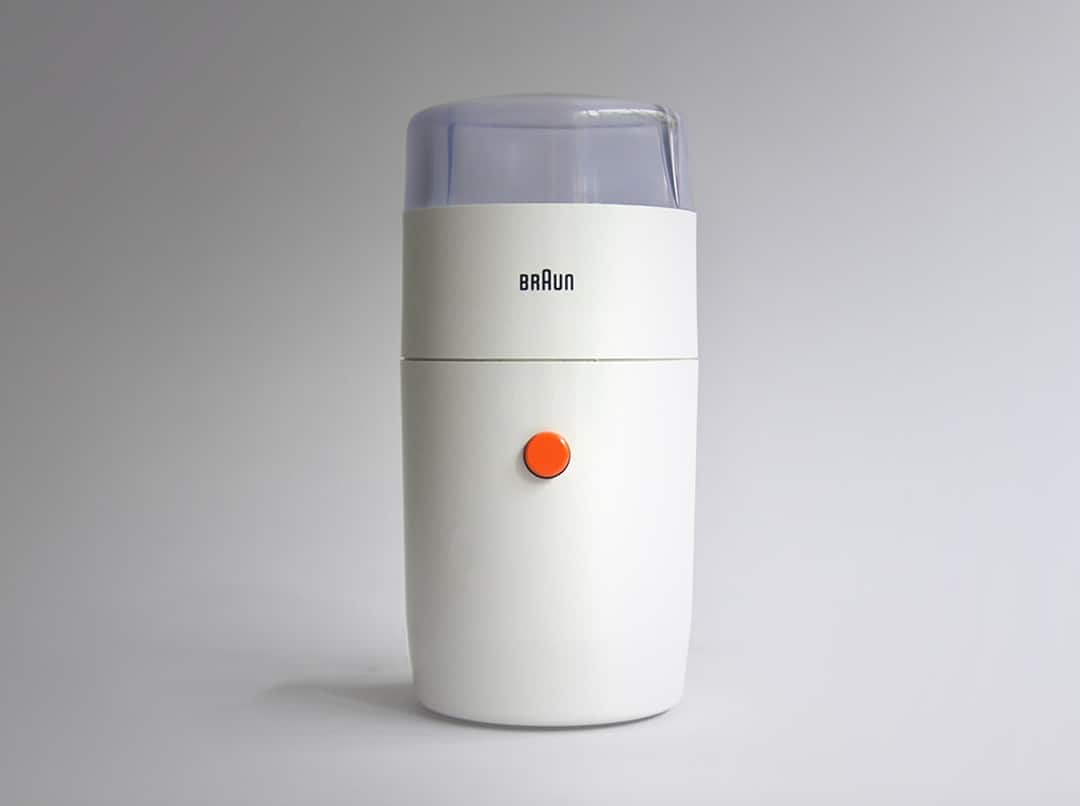
1963 | Reinhold Weiss
HT 2
This toaster’s sleek, reduced design so inspired renowned artist Richard Hamilton that he based one of his works (aptly titled ‘Toaster’) on it. Oh, and it also browned bread to perfection.
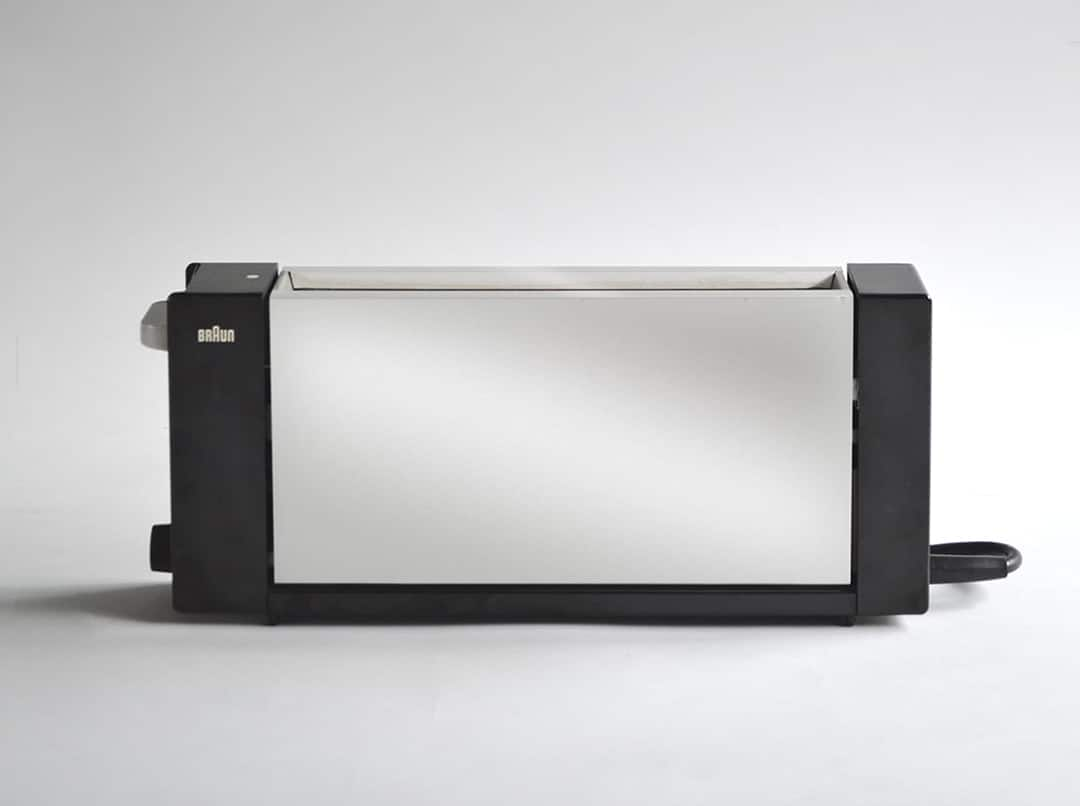
1972 | Florian Seiffert
KF 20
With a stacked, vertical design that resembled a water tower, the KF 20 was known as the Aromaster. Instantlyrecognizable for its unciventional shape, this coffee maker added a touch of the exrtaordinary to everyday morning filter coffee.
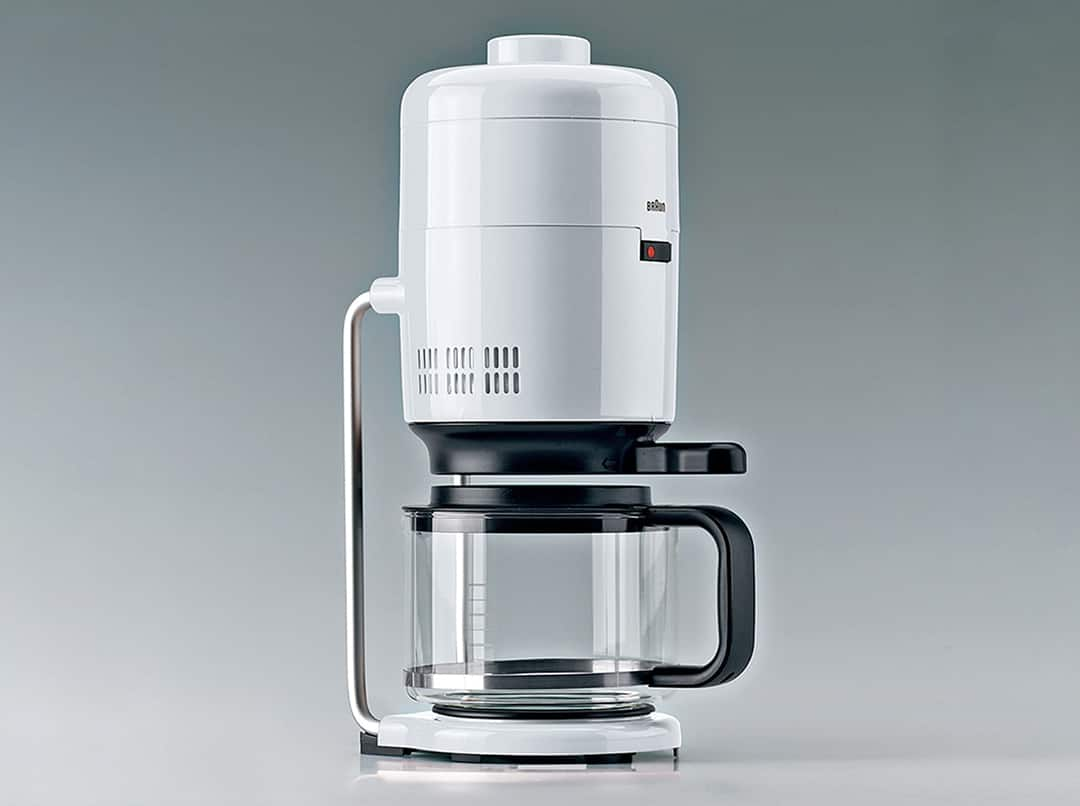
1972 | Jürgen Greubel, Dieter Rams
MPZ 22
This electric juicer, also known as the citromatic, was a dependable and incredibly easy-to-clean staple of kitchens across the world for decades. It took over two decades before Braun decided an update to the original design was due.
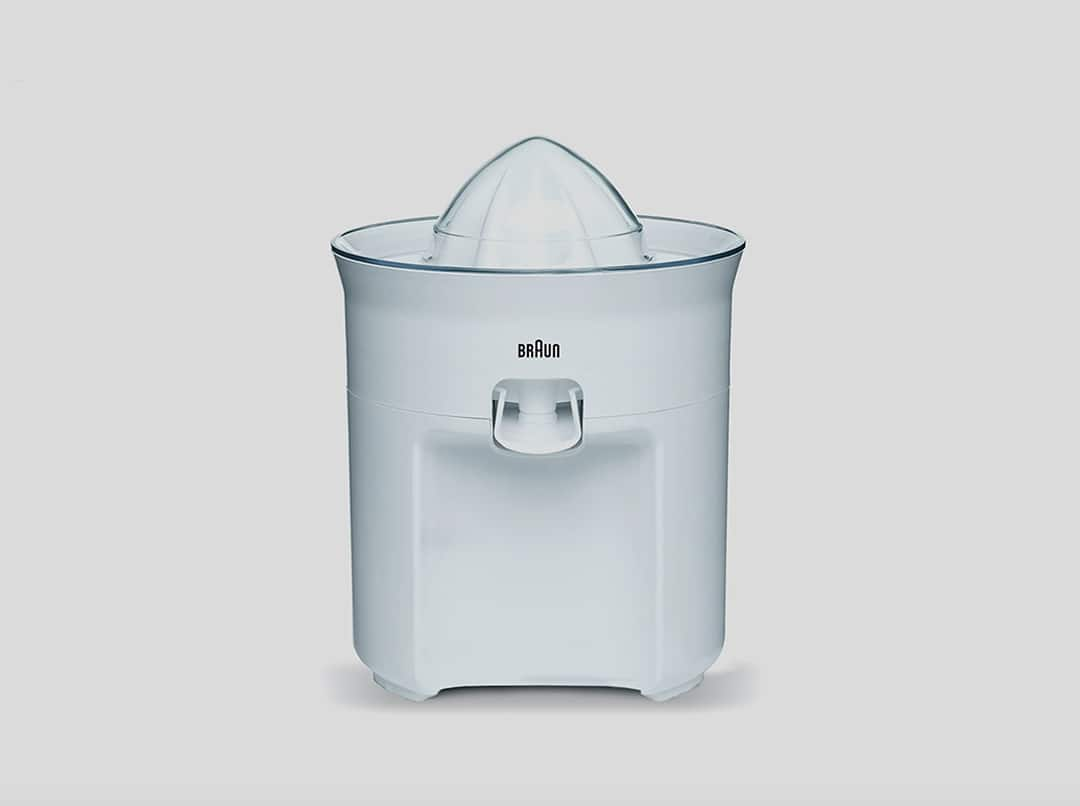
1981 | Ludwig Littmann
MR 6
A precursor of the more sophisticated MR 500, the MR 6 was sturdy and tough, meaning it could blend foods that´other products couldn't handle. An important stepping stone on the way to perfecting the handheld blender.
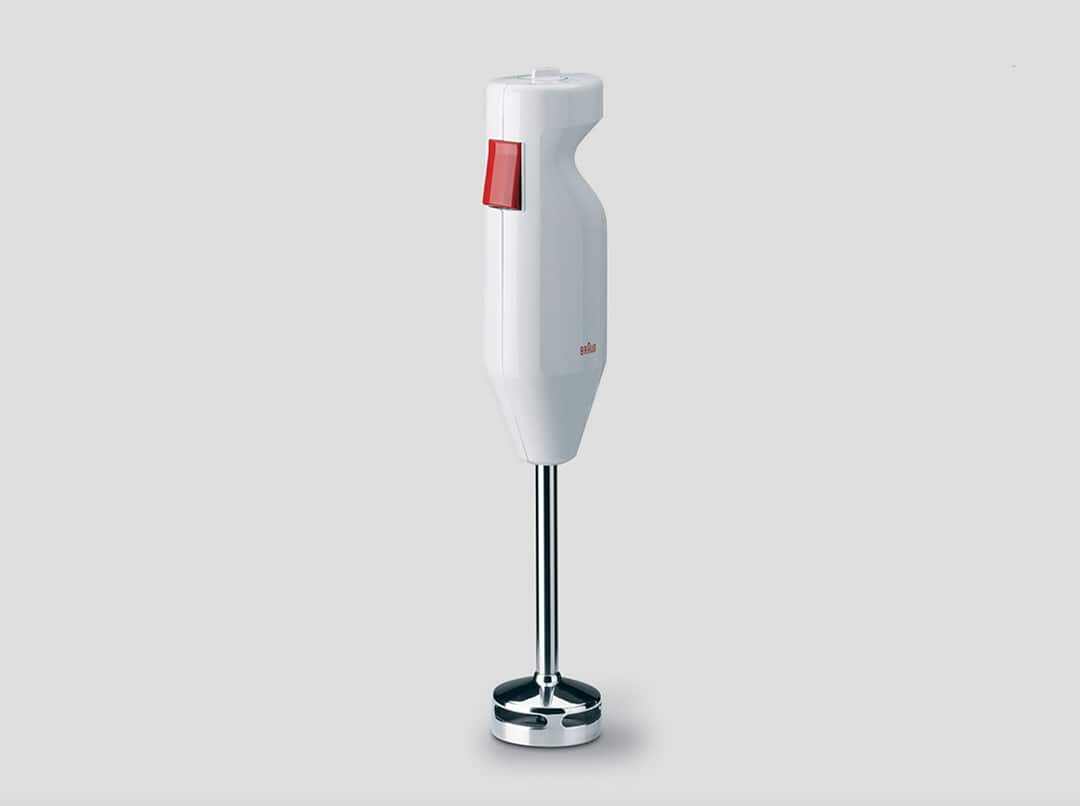
1984 | Hartwig Kahlcke
KF 40
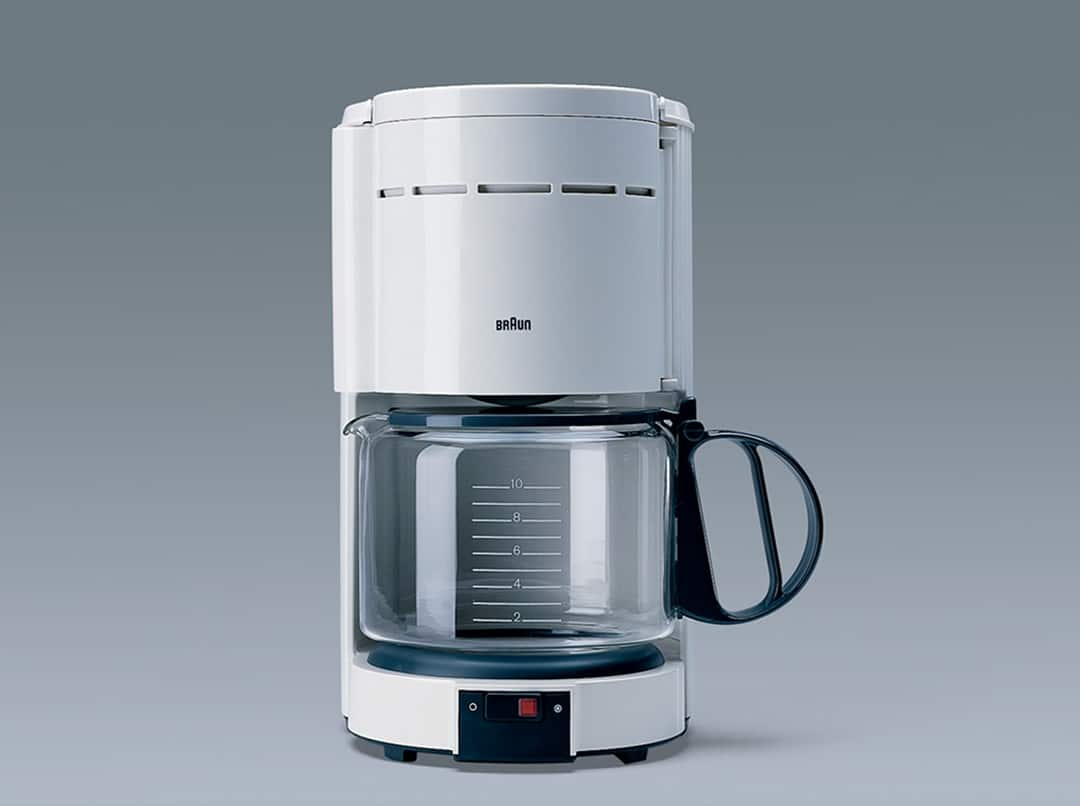
This coffeemaker was somehow controversial within Braun, being made of cost-efficient polypropylene rather than sturdier polycarbonate, Braun's go-to plastic. Hence the KF 40's corrugated surface states a design solution that won over Dieter Rams.
2016 | Markus Orthey, Ludwig Littmann
MultiQuick 9
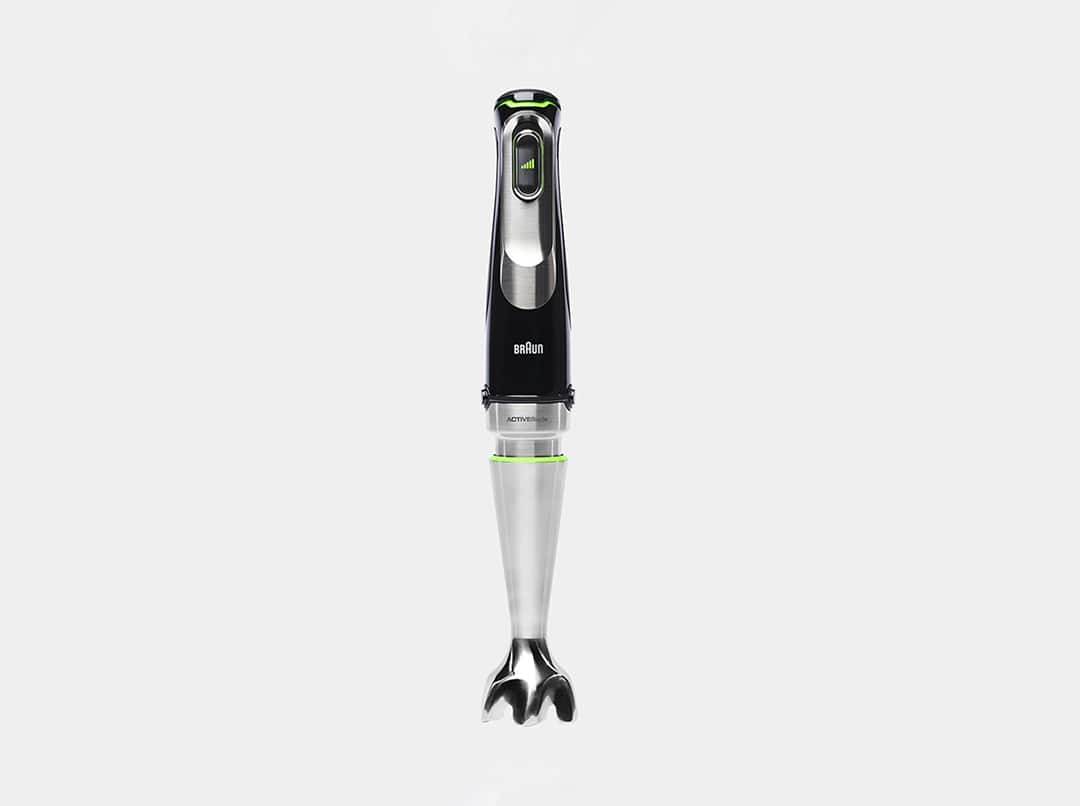
An all-round food blender that condensed the functionalities of devices many times its size into a simple, handheld 'wand'. The definition of reduced design: compact, yet powerful.