en-navnod-braun-food-preparation-1080x720.jpg

en-navnod-braun-food-preparation-1080x720.jpg

br_en_NavNode_FoodPrep_Node_HB-Attachments_1080x720.jpg

en-NavCard-hand-mixer-1080x720.jpg

en-NavCard-jug-blender-1080x720.jpg

en-NavCard-food-processors-1080x720.jpg

en-navnod-braun-cooking-1080x720.jpg

MultiGrill 9 Pro

Le migliori prestazioni di Braun. Per risultati di cottura professionali.

Scopri di più
en-NavCard-multifunctional-contact-grills-1080x720.jpg

CG9167_8_1080x720.jpg

en-NavCard-waffle-and-sandwich-maker-1080x720.jpg

br-en-NavNode-Cooking-Node-Airfryer-1080x720.png

Friggitrici ad aria

Scopri la massima praticità.

Scopri di più
en-navnod-breakfast-1080x720.jpg

br_en_NavNode_Breakfast_Node_Coffee-makers_1080x720.jpg

br_en_NavNode_Breakfast_Node_Water-kettles_1080x720.jpg

br_en_NavNode_Breakfast_Node_Spin-Juicers_1080x720.jpg

br_en_NavNode_Breakfast_Node_Toaster_1080x720.jpg

en-NavCard-citrus-juicer-1080x720.jpg

br_en_NavNode_Breakfast_Node_PurEaseCollection_1080x720.jpg

en-navnod-collections-1080x720.jpg

en-NavCard-id-breakfast-collection-1080x720.jpg

en-NavCard-breakfast-1-1080x720.jpg

en-navnod-garment-care-1080x720.jpg

br_en_NavNode_GarmentCare_Node_Steam-irons_1080x720.jpg

br_en_NavNode_GarmentCare_Node_Garment-steamers_1080x720 (1).png

menu promo.png

menu promo outlet.png

Braun-Box-1080x720.jpg

01-Braun-Box-Stiro-1080x720 (1).jpg

en-NavCard-get-inspired-1080x720.jpg

en-NavCard-sustainability-1080x720.jpg

br_en_NavNode_Support_Node_Services_1080x720.jpg

Less food waste

Zero waste: Keeping food fresh and getting creative with leftovers.

zero-waste_header.jpg
Stampa

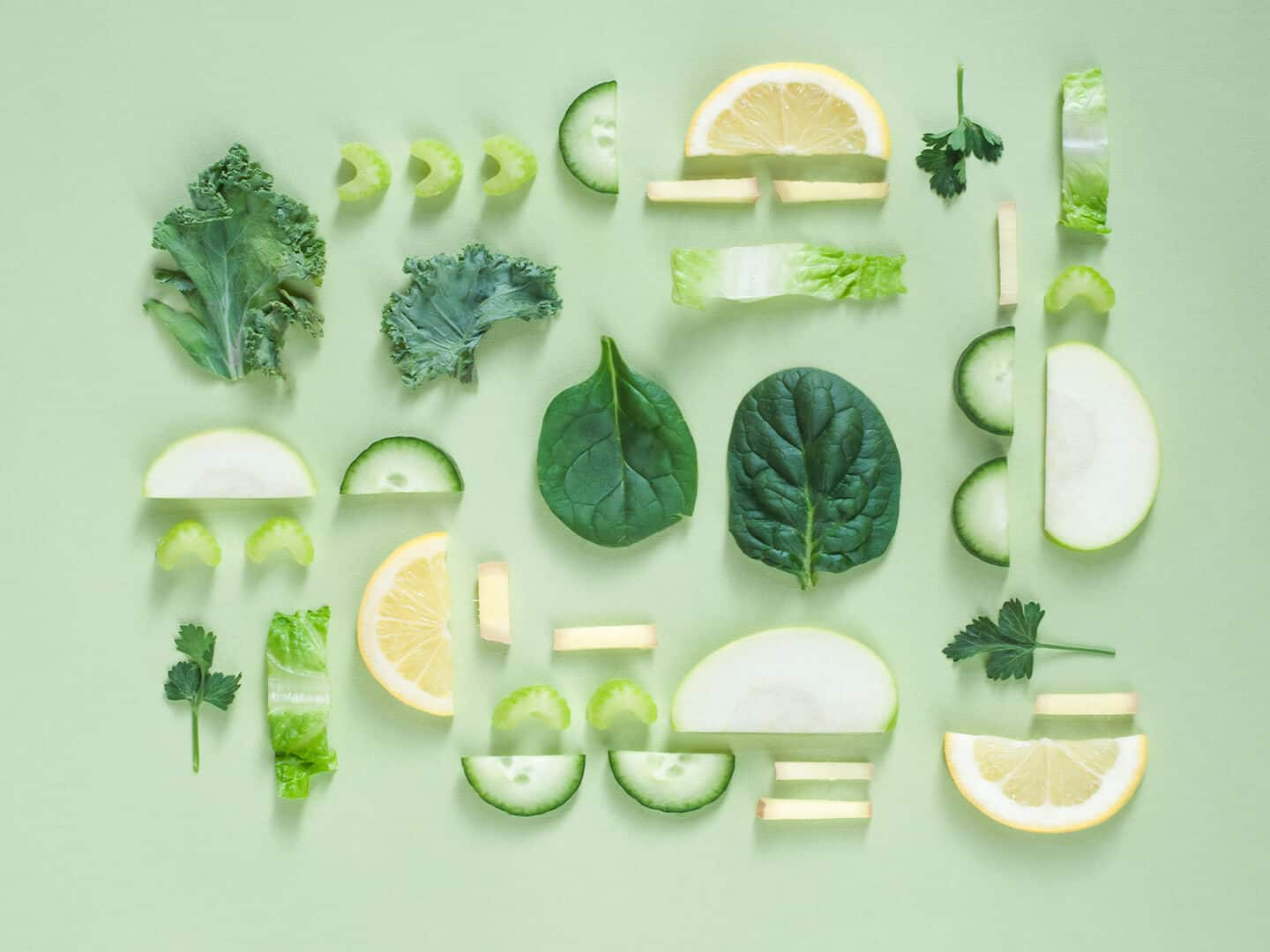
Každý den končí v koši obrovské množství potravin. Plánování nákupu potravin, jejich správné skladování a uvědomělejší přístup tomu, co jíte, mohou pomoci omezit plýtvání. I malé změny pomůžou snížit množství odpadu, nebo dokonce zabránit jeho vzniku. Nikdo ale není dokonalý: Nemusíme hned dosáhnout životního stylu s nulovým odpadem, stačí, když všichni někde začneme. Díky několika trikům, jak udržet ovoce, zeleninu a další cenné produkty čerstvé, a dokonce „oživit“ některé potraviny, které už nejsou v nejlepší kondici, můžete omezit plýtvání na minimum, nebo ho dokonce zcela eliminovat. Proč nezačít používat zbytky jídla kreativně?

Uchovávání čerstvých potravin - jak potraviny uchovat a zajistit, aby zůstaly déle čerstvé

Chlazením, mražením, nakládáním a konzervováním potravin prodloužíte jejich trvanlivost a zachráníte je před vyhozením do koše.

zero-waste_slider-1_best-before-dates_card-1.jpg

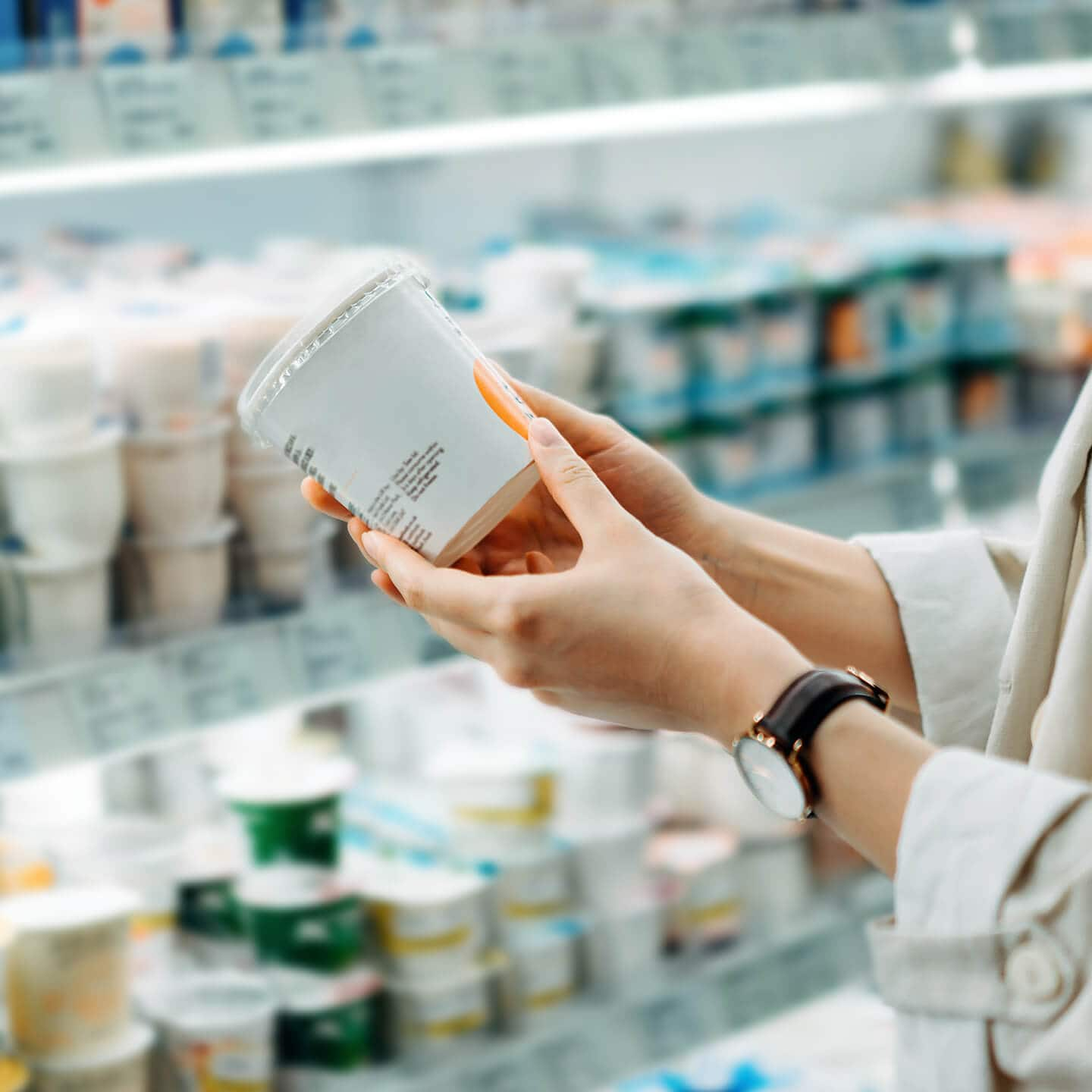
Datum minimální trvanlivosti

Datum minimální trvanlivosti představují doporučení, čímž se velmi liší od dat použitelnosti.

Jen proto, že je jogurt několik dní po datu minimální trvanlivosti (BBD), neznamená, že ho nemůžete jíst a vychutnat si ho. Toto datum pouze představuje záruku výrobce, která uvádí, že při správném skladování si výrobek do daného data zachová svou chuť, vůni a výživovou hodnotu. Chlazené polotovary, jako jsou čerstvé těstoviny nebo uzeniny, byste neměli konzumovat příliš dlouho po uplynutí data minimální trvanlivosti. Mohou obsahovat zárodky, které nevidíte, necítíte ani nepoznáte chutí, ale přesto by vám mohly způsobit zdravotní komplikace. V případě pochybností je raději vyhoďte. Totéž platí pro produkty, které rychle podléhají zkáze. Ty mají na obalu obvykle uvedeno datum spotřeby. Po tomto datu by zboží podléhající rychlé zkáze mělo skončit v koši.
zero-waste_slider-1_storing-and-chilling_card-2.jpg

Princip FiFo a teplotní zóny v chladničce

Skladování a chlazení

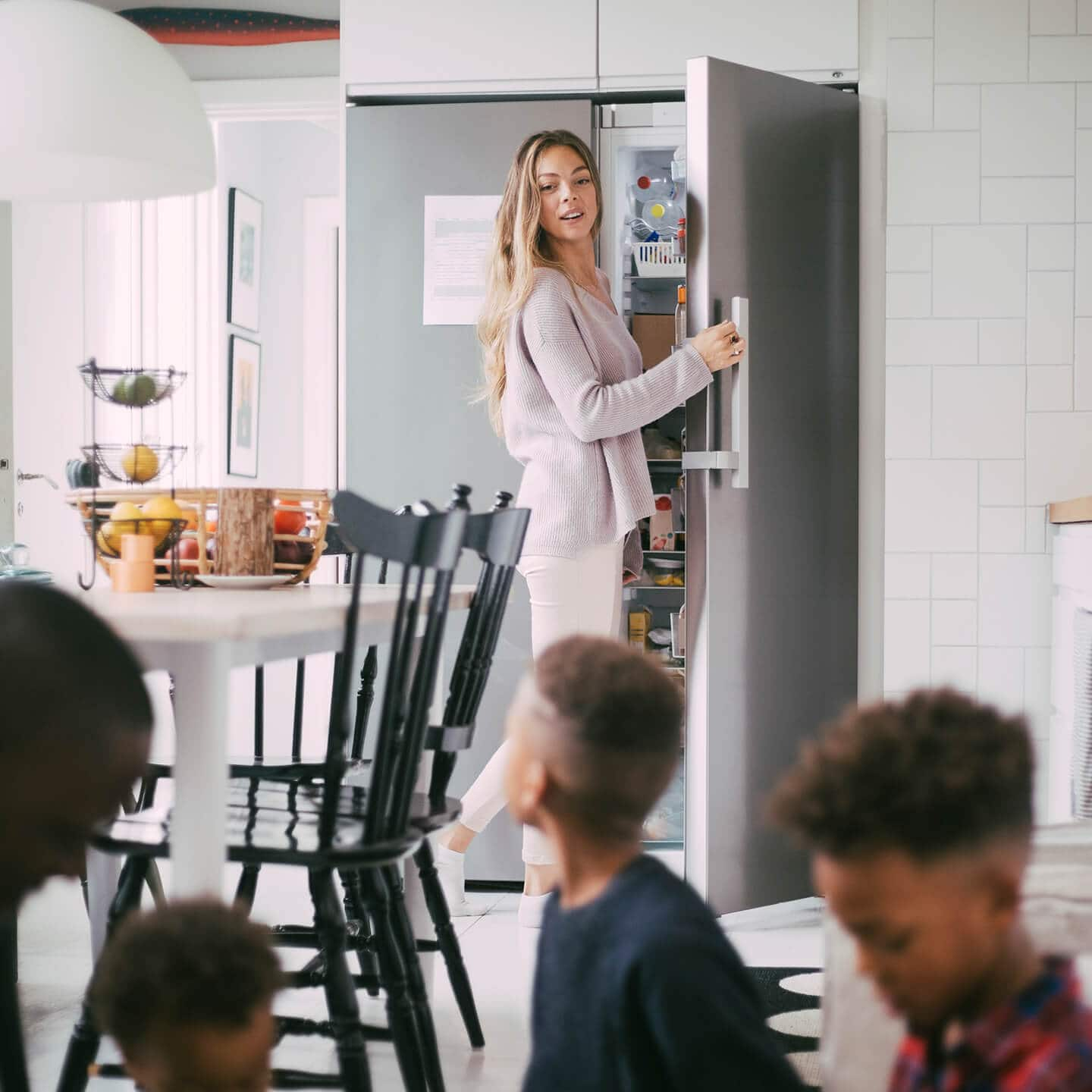
Nové potraviny ukládejte dozadu, starší potraviny dopředu. Zásada „FiFo“ (z angl. first in, first out, tj. první dovnitř, první ven) vám pomůže udržet si přehled o tom, co je čerstvé a co ne. Je také užitečné vědět, že chladničky mají různé teplotní zóny. Čím výše police leží nad zásuvkou na ovoce a zeleninu, tím je teplejší. Nejnižší police, těsně nad zásuvkou na ovoce a zeleninu, bude nejchladnější. Dveře chladničky se po otevření ohřívají nejvíce. Chcete-li tedy, aby potraviny v chladničce vydržely co nejdéle čerstvé, ujistěte se, že je uložíte na správnou polici. Více informací najdete v části „Správné skladování potravin“.
zero-waste_slider-1_freezing_card-3.jpg

Freezing

What to watch out for in your freezer

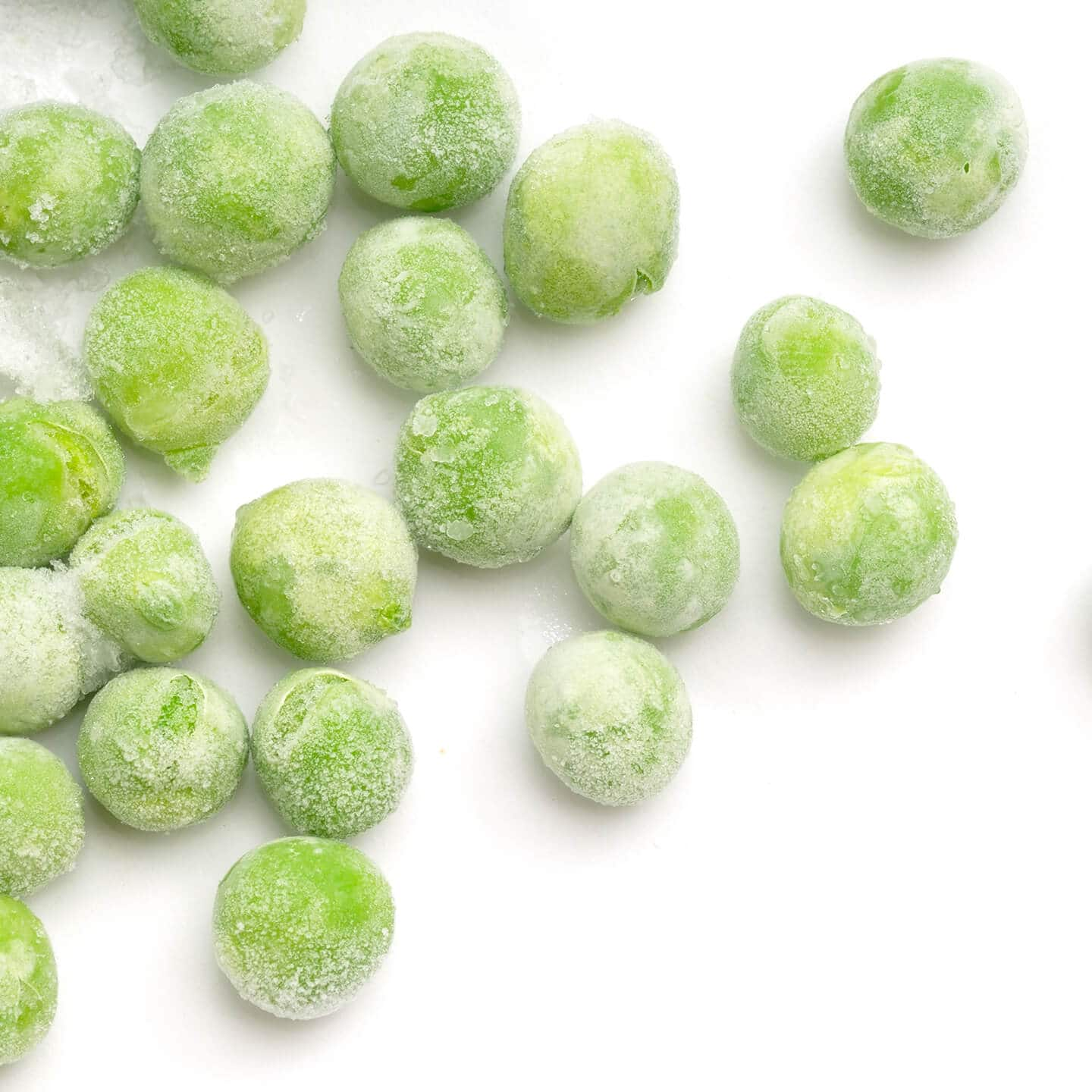
Microorganisms can’t reproduce as quickly in low temperatures. For this reason, the best way to keep food fresh is to freeze it. ​​​​​​​Here’s some rules for freezing food effectively:
 

  • Transport frozen products in cool bags or insulated food boxes to avoid breaking the cold chain.​​​​​​​
     
  • Defrost frozen products in the fridge and make sure to catch any defrost water to keep everything hygienic.
     
  • Freeze food in portions so that you can always defrost just the right amount.
    ​​​​​​​
  • Always freeze food in freezer bags to prevent it from drying out or losing its aroma.
     
  • Make sure you note the date on freezer bags – not all food stays fresh in the freezer for the same length of time.
     
zero-waste_slider-1_preserves_card-4.jpg

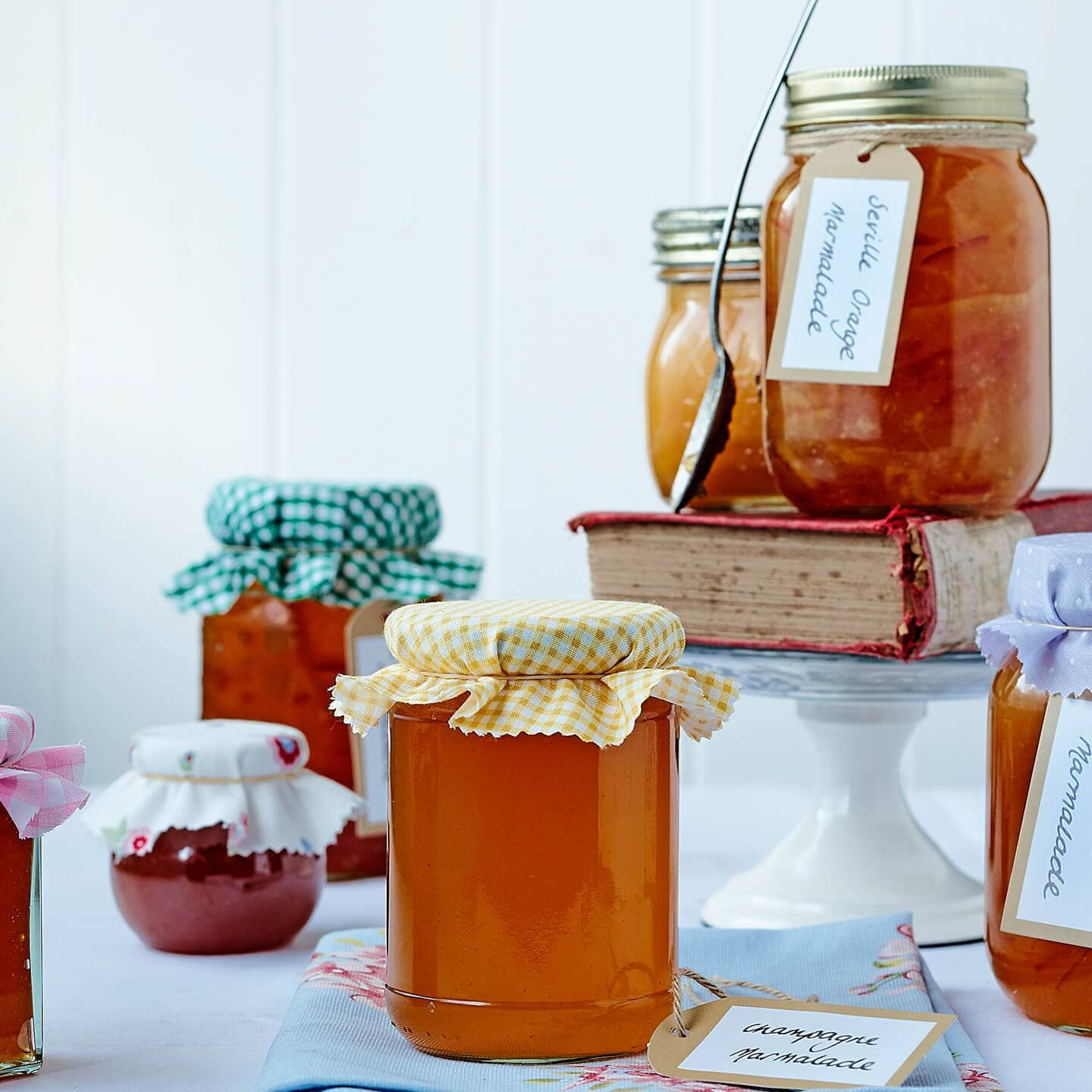
Preserves

Preserving, pickling and fermenting

Yes, it might be something your grandmother used to do, but the art of preserving, pickling and fermenting is very much on trend right now! These methods allow you to store food in a cool, dry place, out of direct sunlight, for up to a year. Always label freshly preserved foods with the date and put them at the back of your cupboard or pantry so that you use the older produce first. Remember that it’s best to dispose of preserves and pickles if the lid is loose, the liquid is cloudy or discoloured, or if they have an unnatural smell.
zero-waste_slider-1_preserving_card-5.jpg

Preserving

Preserving food in glass jars

You can preserve just about anything, even meat or sausages. Of course, the food has to be fresh and undamaged when you do. Fruit should be raw and vegetables should be raw and blanched. It’s actually quite simple… layer washed and prepared produce in a clean glass jar that has either a clip top or screw top and cover with liquid. Put the glass jars in a cooking pot, making sure they aren’t touching. Fill the pot with just enough water so that it comes about three-quarters of the way up the jars and then heat the pot until the water reaches 75-120 °C. Depending on the food, you should keep it at this temperature for between 10 minutes and 2 hours. Later, as the glass jars cool down, a vacuum forms inside them that keeps the lid sealed air-tight. You should repeat the cooking stage a second time when preserving peas, beans and mushrooms.
zero-waste_slider-1_pickling_card-6.jpg

Pickling

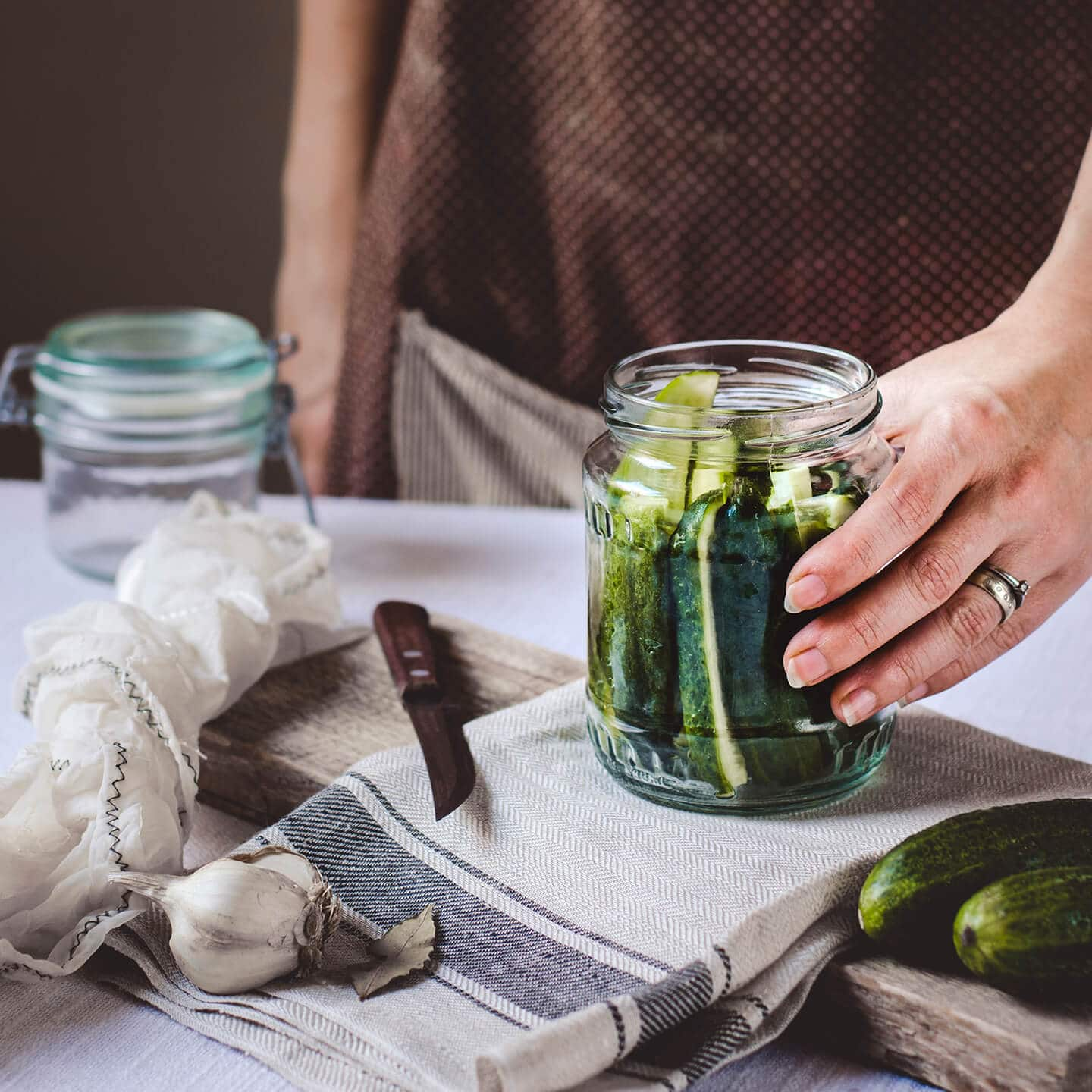
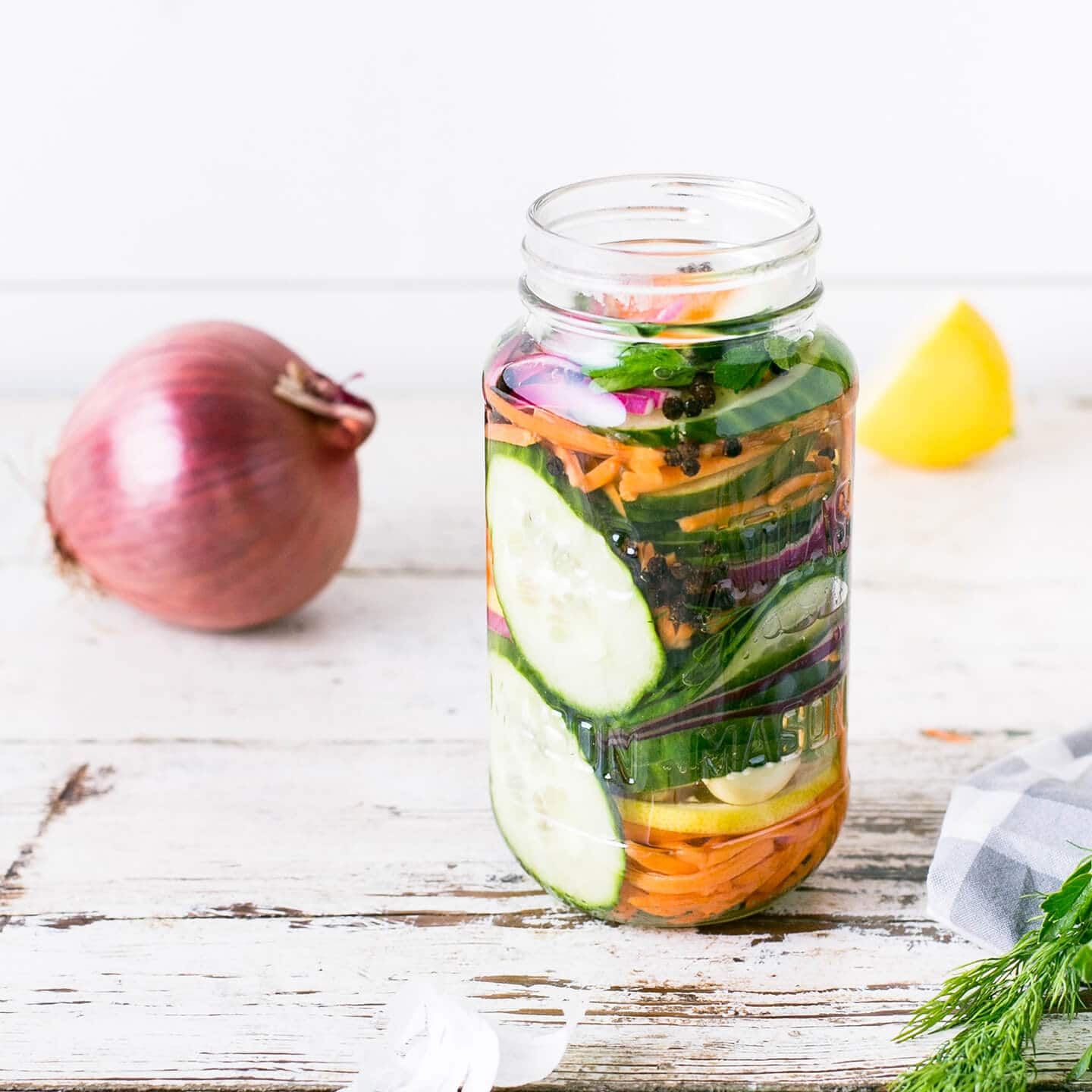
Pickling food in glass jars

If you want to try something new, why not test your culinary skills with carrots, green beans, beetroot or peppers? These are particularly well suited to pickling. To pickle a kilogram of vegetables, you’ll need to use half a litre of vinegar (5%) and up to half a litre of water containing spices and seasonings. Heat the pickling liquid and pour it into the glasses or stoneware pots, leave it to cool, then heat the liquid again and pour it over the vegetables. The liquid should cover the vegetables by the width of a couple of fingers. You should leave it to pickle for four to six weeks, after which the pickled food will keep for a further 3-12 months.
zero-waste_slider-1_fermenting_card-7.jpg

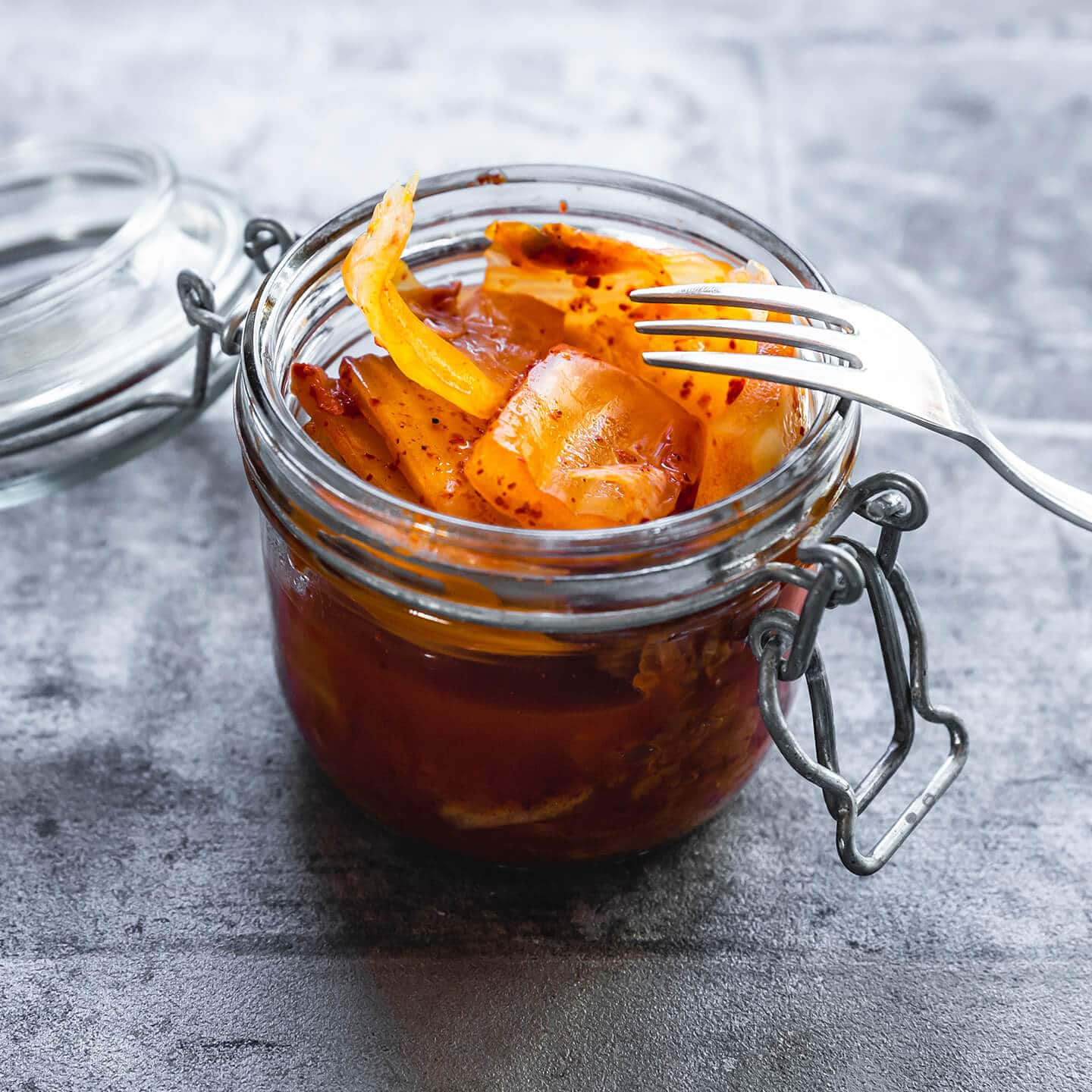
Fermenting

Fermenting food in glass jars

Fermentation is an age-old method for preserving food and is used to this day to make sauerkraut. For some people, fermented foods are more digestible, for example. Enzymes and microorganisms break down the sugars in the vegetables in a multiple-stage process. This produces both the lactic and acetic acids that give fermented vegetables their typical flavour and stop them from perishing. Ripe vegetables are ideally suited to fermentation. It’s actually quite simple… before you start fermenting, you need to grate, slice or shred the vegetables. Then add the grated, sliced or shredded vegetables to a glass jar, fill with a 5% brine, and leave for a few days or weeks to pickle. If the jar remains well sealed, the fermented vegetables can keep for several months.

Reviving old food

Even when stored correctly, some foods rapidly lose their freshness and take on a chewy or dry, crispy consistency. There’s no need to throw these foods away, though. Here’s how you can refreshen old food in your stock.

zero-waste_slider-2_lettuce-and-herbs_card-1.jpg

Lettuce & herbs

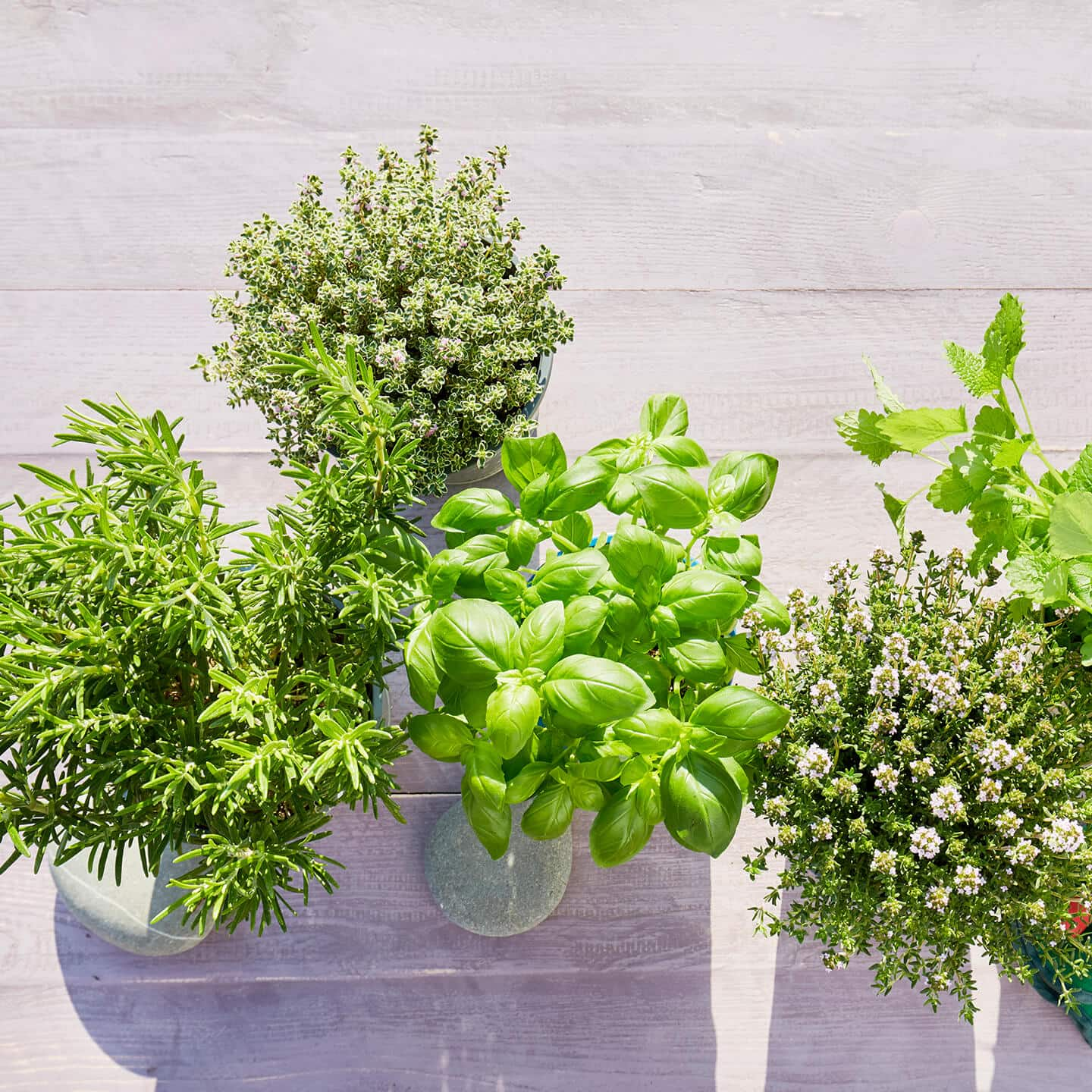
Refreshing salad leaves and herbs

If you want to refresh wilting lettuce, simply sit it in cold water for a little while. This will make the leaves crisp again. You can also heat some firmer varieties of lettuce, such as raddichio, romaine lettuce and chicory. To revive herbs that have become limp, simply cut them as you would do it with flowers and place them in a glass with water. They’ll soon perk up again! You can also use wilted herbs to make pesto or freeze them in oil in ice-cube trays.
zero-waste_slider-2_carrots-and-co_card-2.jpg

Carrots & co.

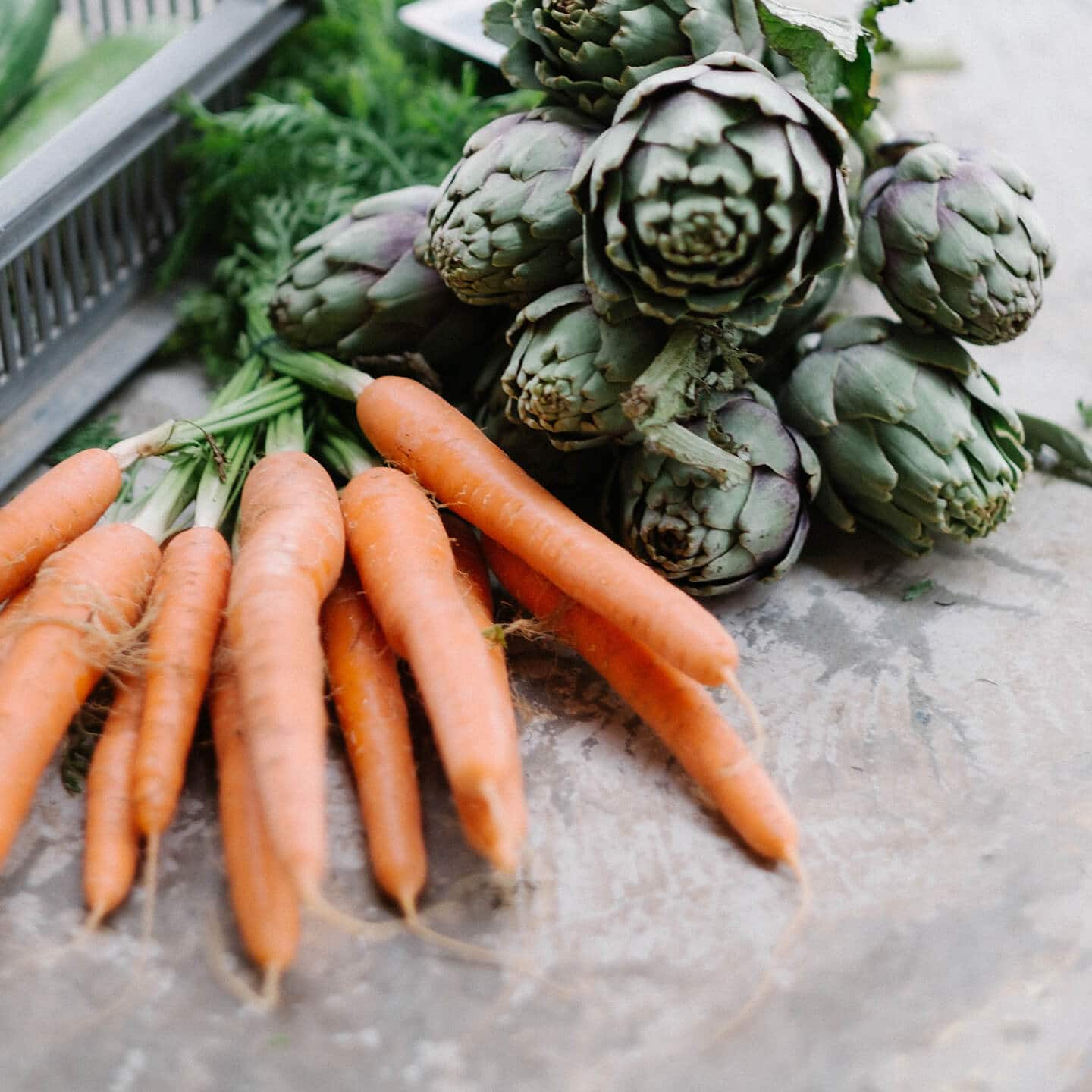
Putting the bite back into root vegetables

Just like lettuce and herbs, root vegetables such as carrots, radishes and beetroot just need to be given a little water to bring them back to life. However, it can sometimes take rather longer. Ideally, you should leave the root vegetables in a container with water for several hours or overnight – preferably in the fridge. Alternatively, you could wrap them in a damp tea towel. They will absorb the water and regain their crunch.
zero-waste_slider-2_fruit_card-3.jpg

Fruit

Fruit – an exception

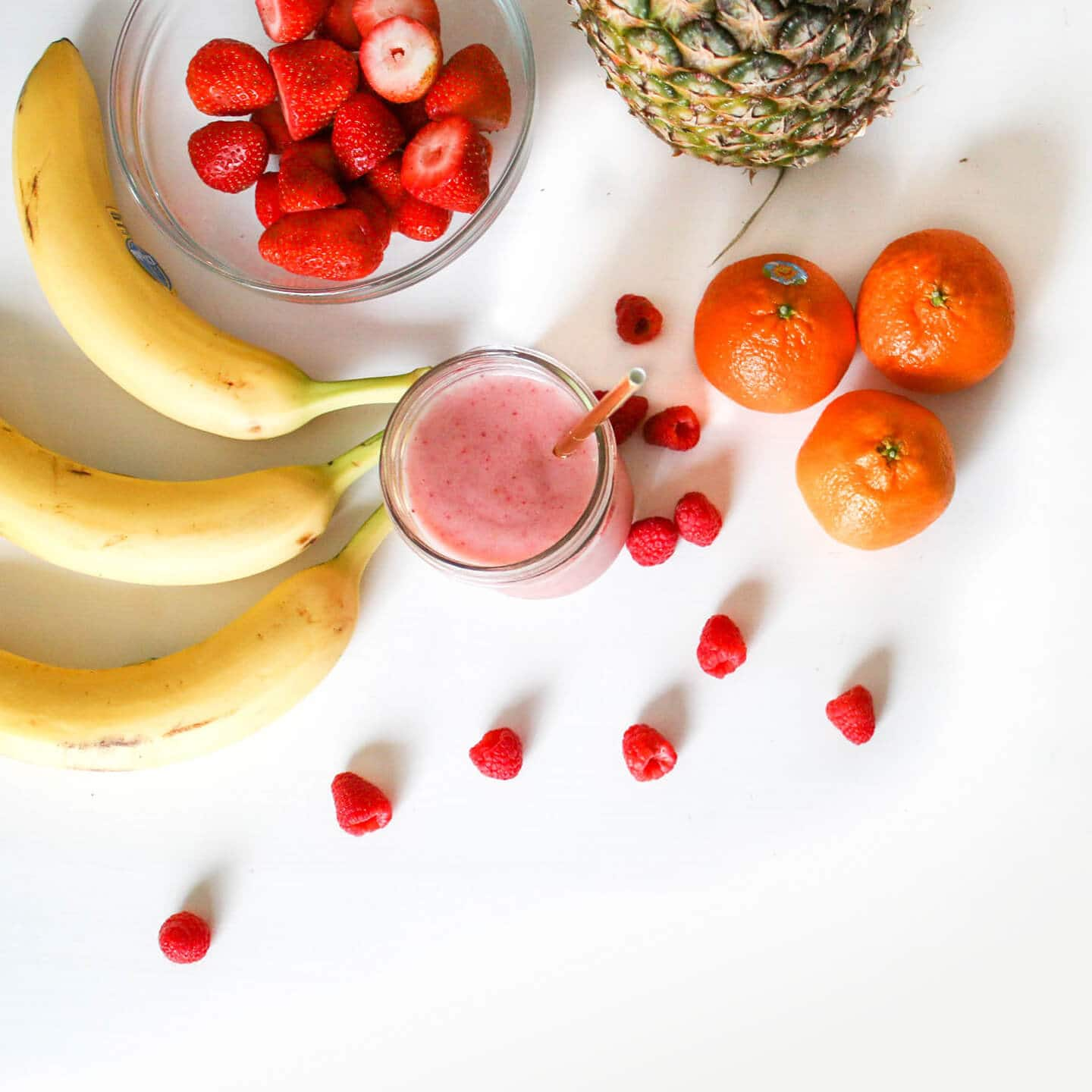
Overripe fruit can’t be refreshed, but you can use it in a number of delicious recipes. Brown bananas, for example, are a perfect ingredient in banana bread or as the base of smoothies – and, in summer, they’re great for making banana ice cream. You can use shrivelled apples and pears to whip up tasty jams, purées, compotes and crisps. However, if fruit is past its best, you should use it quickly before it gets mouldy.
zero-waste_slider-2_bread_card-4.jpg

Bread

Moisten and bake: Hard bread doesn’t need to be binned

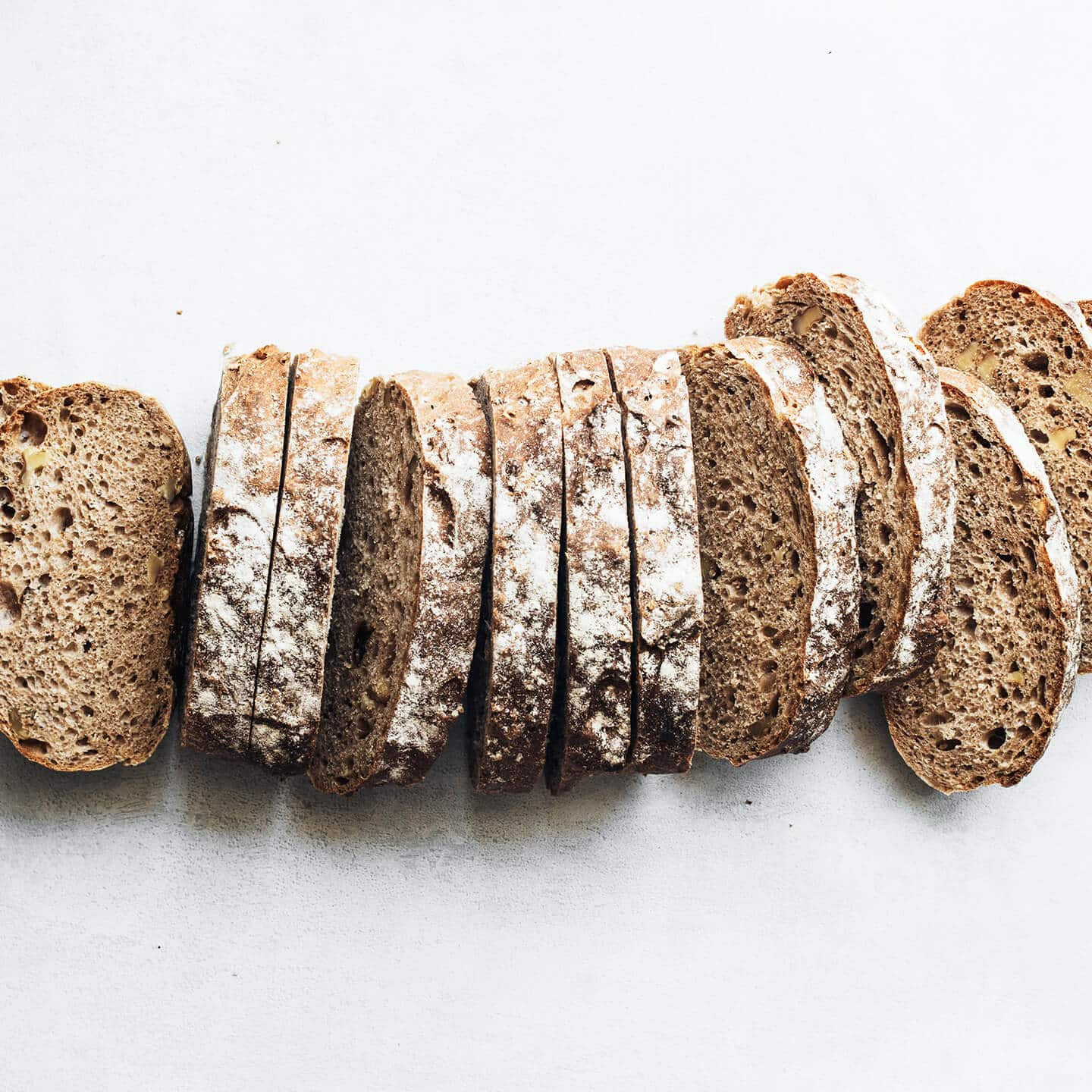
We’ve all been there, haven’t we? That delicious baguette or bread roll we only bought yesterday has gone hard in the blink of an eye. However, that doesn’t mean you have to throw them away – you can still get plenty of value out of them. Take your dried bread, moisten it with a little water, pop it in the oven for a few minutes and, soon enough, it’ll taste almost as good as it did the day you bought it. If bread has become very hard, you can use it to make breadcrumbs.
zero-waste_slider-2_pasta_card-5.jpg

Pasta

Sauté or blanch: Making yesterday’s pasta soft again

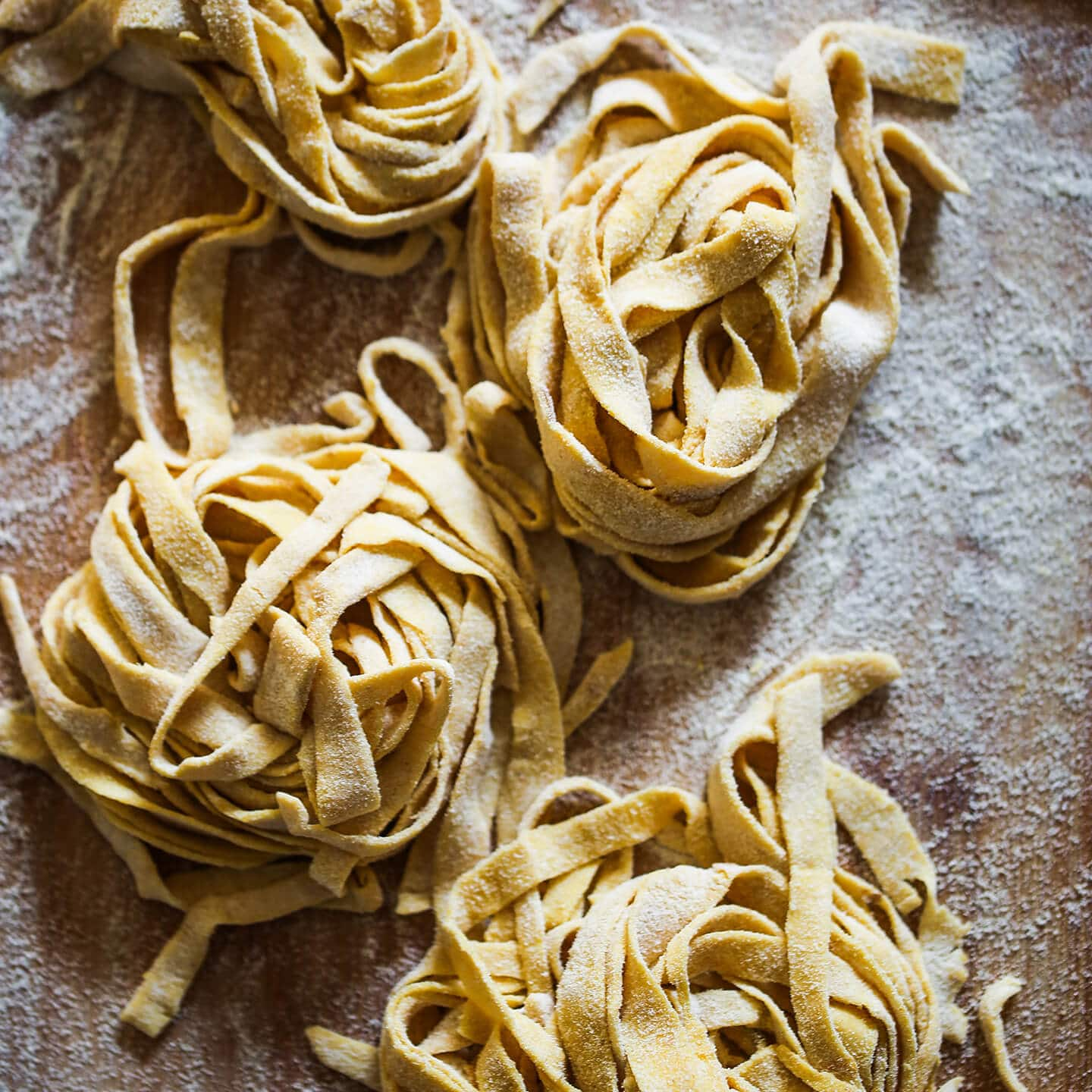
Depending on how you store it, leftover pasta can either become watery or it can dry out. If you want to make it taste just as good the next day, simply sauté softened pasta over a medium heat. On the other hand, if your pasta has dried out, just pop it in some boiling water for a minute or two.
zero-waste_slider-2_cheese_card-6.jpg

Cheese

Hard cheese softens again in milk

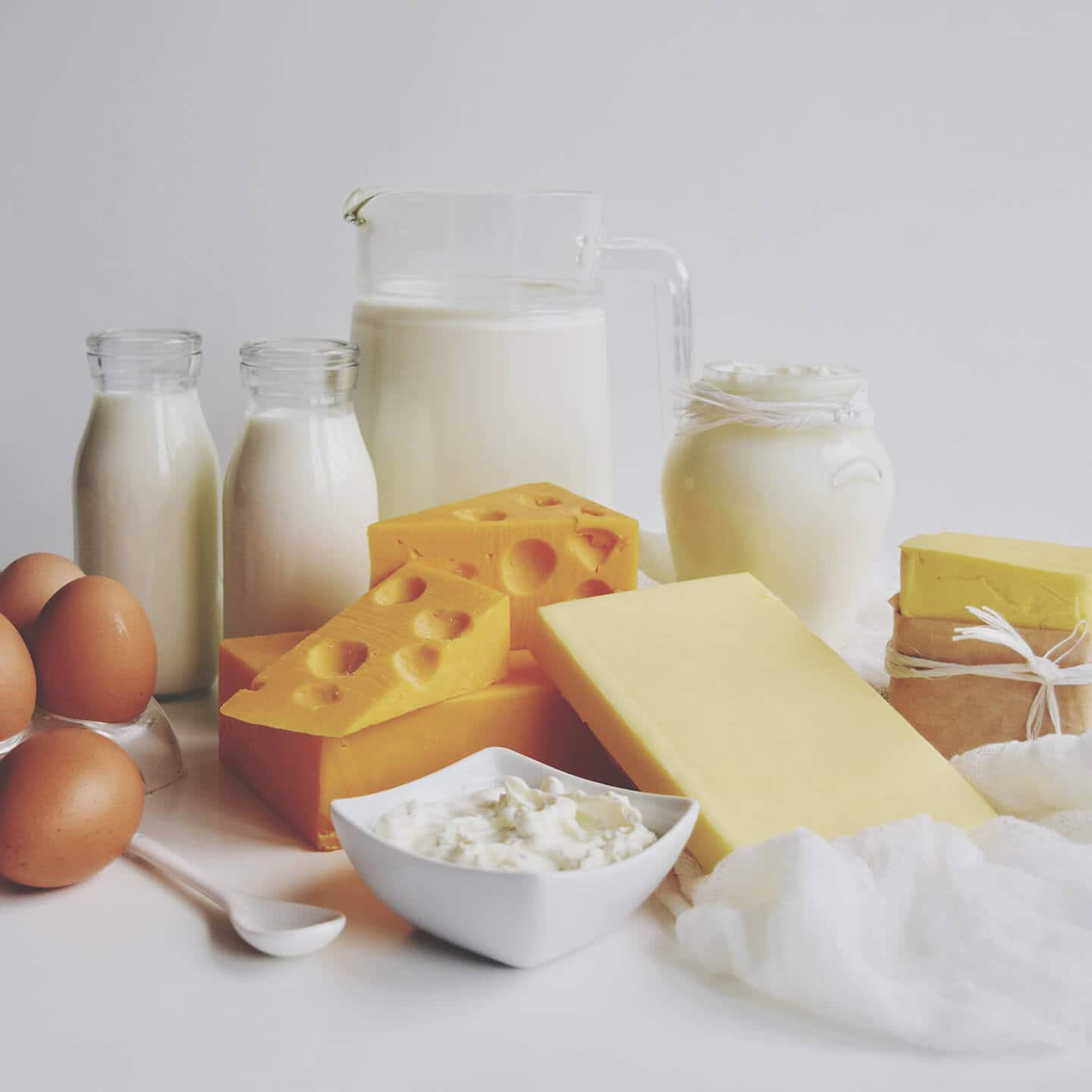
If you leave cheese out on the dining table for too long, or if it gets pushed to the back of the fridge, it can soon become dry and hard. You can soften hardened cheese by soaking it in milk for half an hour or so – this eliminates the need to throw it out.
zero-waste_slider-2_biscuits_card-7_1440x1440.jpg

Biscotti, torte & pastine

Come le mele possono salvare gli snack

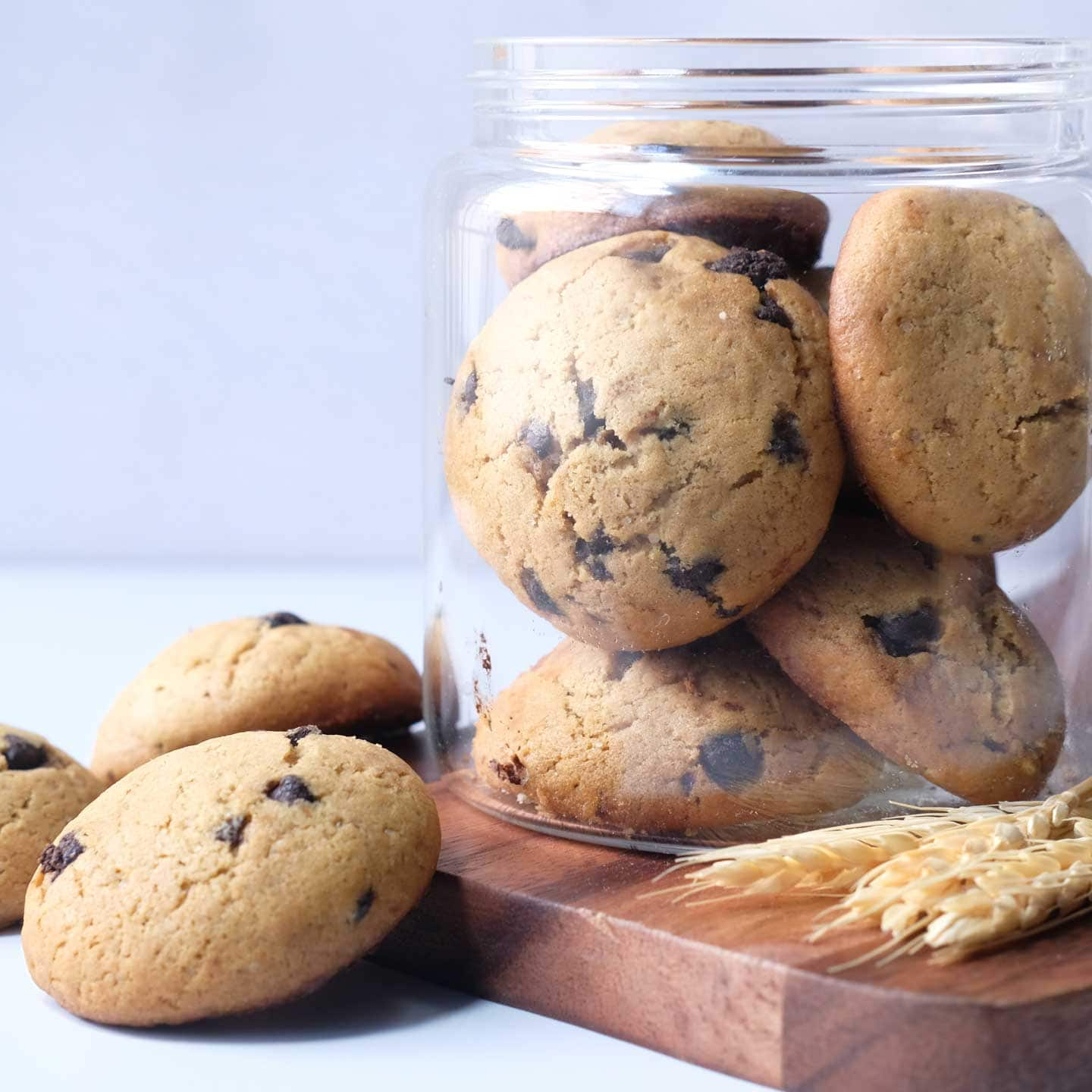
I biscotti sono naturalmente abbastanza secchi, ma possono diventarlo ancora di più, indurendosi, se conservati a lungo. Se ti piacciono i biscotti un po' più morbidi, basta mettere una mela affettata nella biscottiera per qualche ora. La frutta darà ai biscotti un po' di umidità e li ammorbidirà di nuovo. Potete farlo anche con torte e altri prodotti da forno.
zero-waste_image-copy-1-what-to-do-with-leftovers.jpg

Cosa fare con gli avanzi? Diventa creativo con i rimasugli

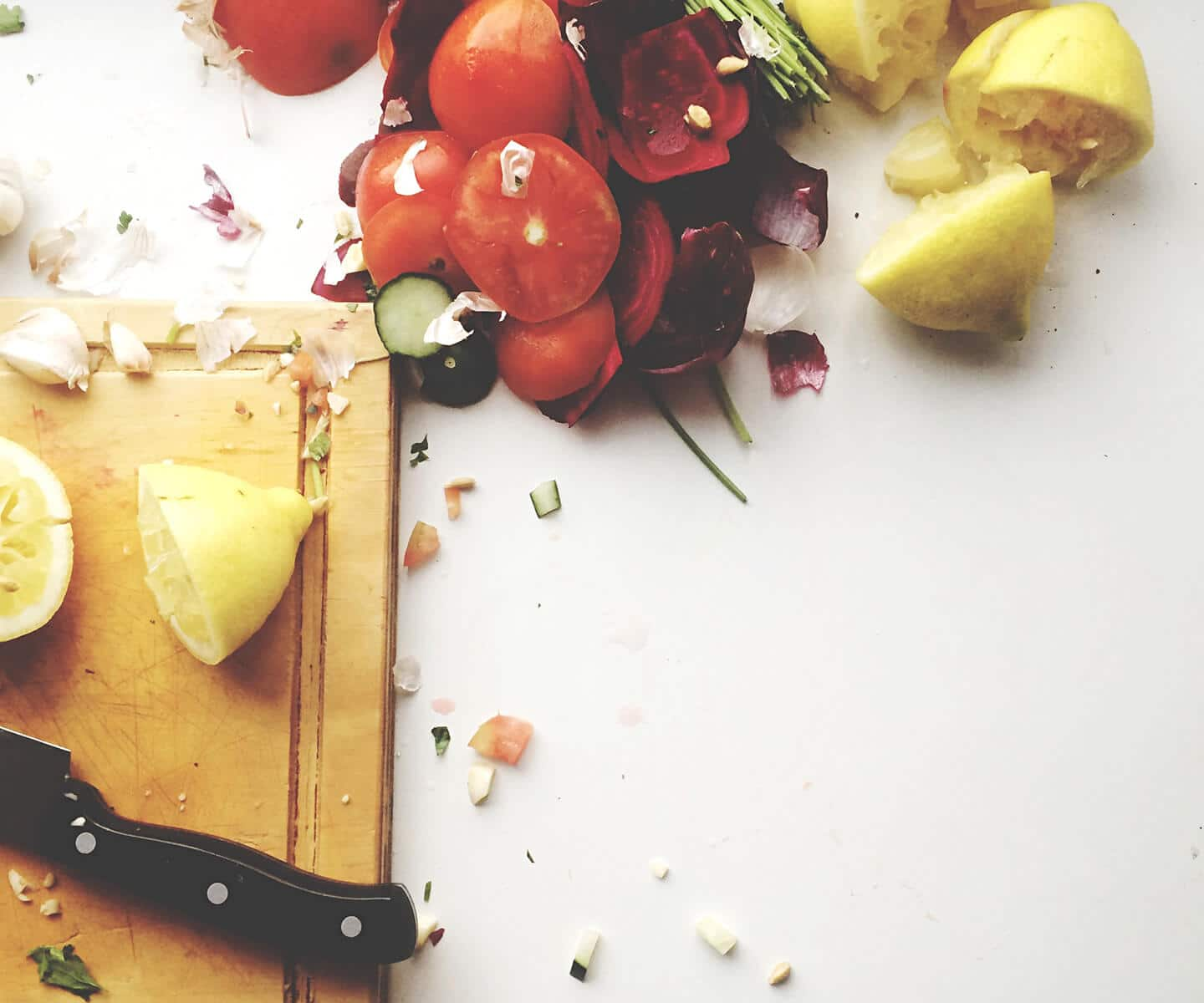
Verdure affettate, patate di ieri, mezzo budino - se non stai attento, il tuo frigorifero sarà pieno di avanzi. Dovresti sempre dare  una seconda possibilità al tuo cibo, perché spesso ti permette di diventare creativo. Non buttare gli avanzi nella spazzatura, mettili in una padella e inventa qualcosa di nuovo. Cucinare gli avanzi insieme alla famiglia e agli amici può essere molto divertente! 

​​​​​​​Qualunque sia il cibo, qualunque sia l'occasione, c'è sempre una ricetta da abbinare. Per esempio, gli avanzi di pane, pomodori e rucola possono diventare una deliziosa panzanella. Potresti forse preparare un salutare dessert trasformando la frutta avanzata in un frullato o in una macedonia? E quel peperone affettato che ti è rimasto può essere combinato con il mezzo barattolo di mais dolce e riso di ieri per creare un gustoso curry vegetariano.

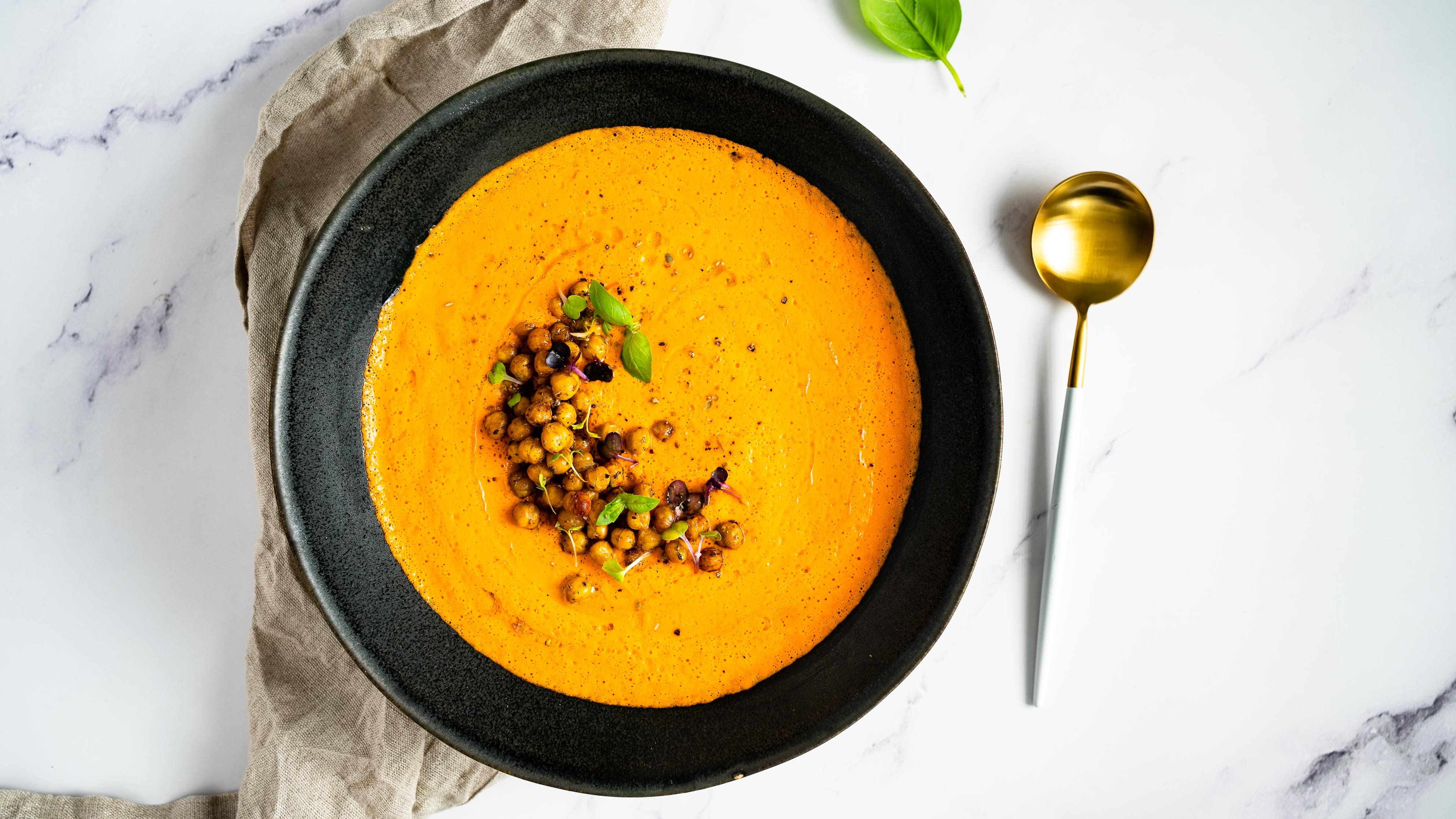
Hai ancora della zuppa avanzata da ieri, ma non abbastanza per una porzione completa? Nessun problema! Basta usare l'ultimo goccio di zuppa come salsa per la pasta o i noodles. E, se non è ancora abbastanza, aggiungi qualche verdura tritata e magari un po' di brodo vegetale.

Dai un'occhiata alle nostre idee di ricette per ulteriori ispirazioni su come usare gli avanzi in modo creativo.

Zero sprechi : Altre cose che puoi fare per evitare che il cibo venga buttato via

Se stai mangiando in un ristorante e la tua porzione era troppo grande, chiedi semplicemente se puoi portare gli avanzi a casa in una doggy bag. In alternativa, puoi chiedere una porzione più piccola in anticipo. ​​​​​​​​​​​​​
  • Comprare cibo da mangiare il giorno stesso o il giorno dopo? Cerca di scegliere prodotti con una data di scadenza vicina.
     
  • Sii più intelligente quando sbucci e affetti, spesso mettiamo nella spazzatura più verdura di quanto sia necessario. I gambi dei broccoli, per esempio, hanno lo stesso sapore delle cimette.
     
  • Hai mai pensato di fare un'insalata con le foglie di ravanello o di cuocere le bucce di banana in una torta?
     
  • Affetta i cipollotti in anelli e congelali in una bottiglia di plastica. Potrete poi usare la giusta quantità ogni volta che ne avete bisogno.
     
  • Se hai aperto un barattolo di cibo e te ne serve solo metà, travasa semplicemente il resto in un contenitore pulito e richiudibile. Questo lo manterrà fresco più a lungo.
     
  • Ti piacerebbe organizzare una festa per cucinare gli avanzi? Cucinare insieme agli amici ti permette di combinare i tuoi avanzi e di preparare piatti creativi.
     
  • Vai in vacanza ma il tuo frigorifero è ancora pieno? Nessun problema! Bussa semplicemente alla porta del tuo vicino e offrigli quello che hai.
     
Braun Bell pepper cream soup 16x9.jpg
Braun Bell Frozen virgin strawberry peach margarita 16x9.jpg

Did you know...

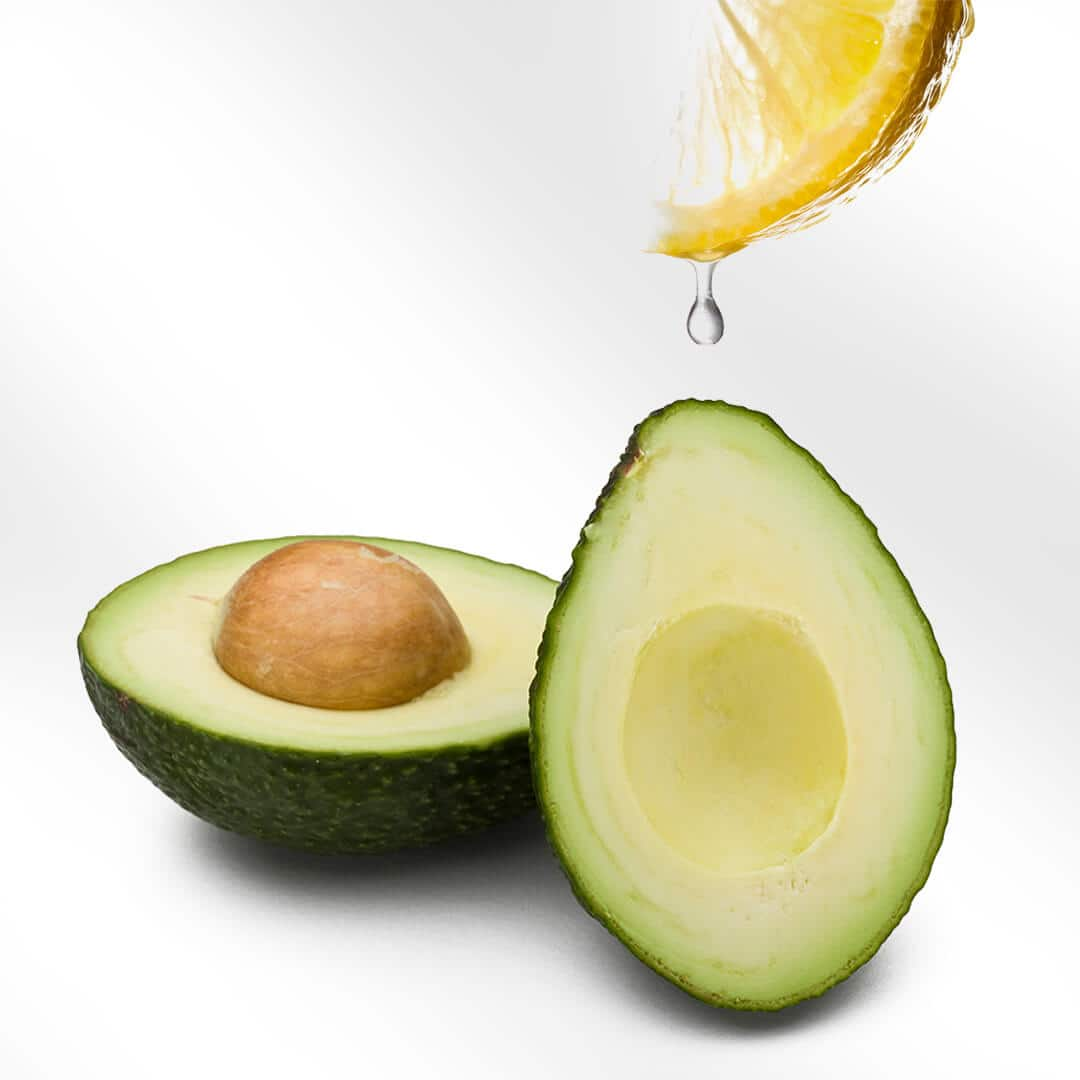
...how to keep your Avocados from browning?

Braun's kitchen hack of the day: after opening an avocado, simply sprinkle some fresh lemon juice on it to keep it from browning. It stays fresh for longer and even tastes good.

Avocado cut in half with citrus juice dripping on it.

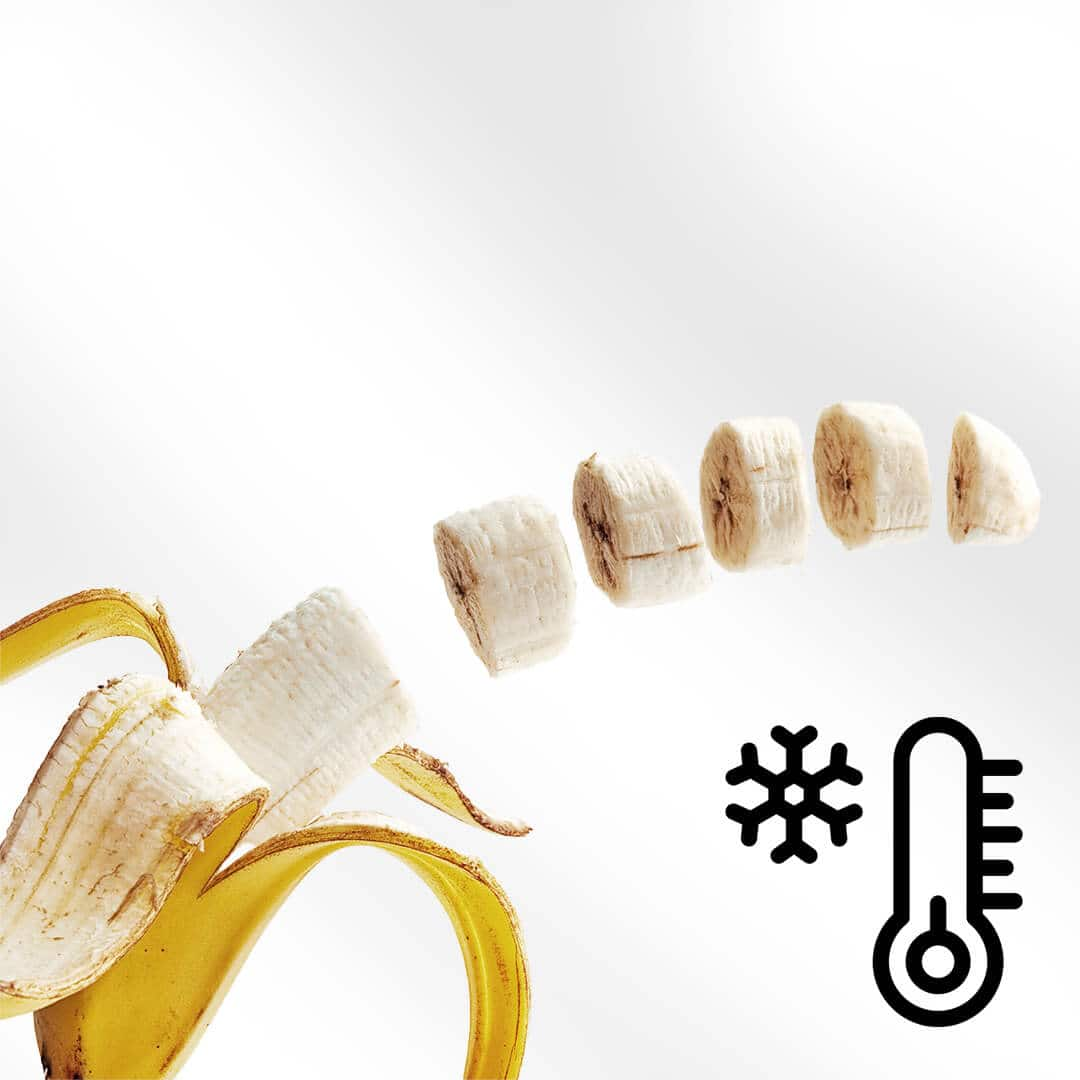
…how to save Bananas that turn brown?

You don't like ripe bananas? Don't worry, many people don't. But with our #braunhack there is no need to waste a good fruit. Simply slice and freeze a banana to have it available whenever you need some. Why not try a freshly made and cool smoothie for instance to start your day right?

How_to_Braun_HH_Freeze-Banana.jpg

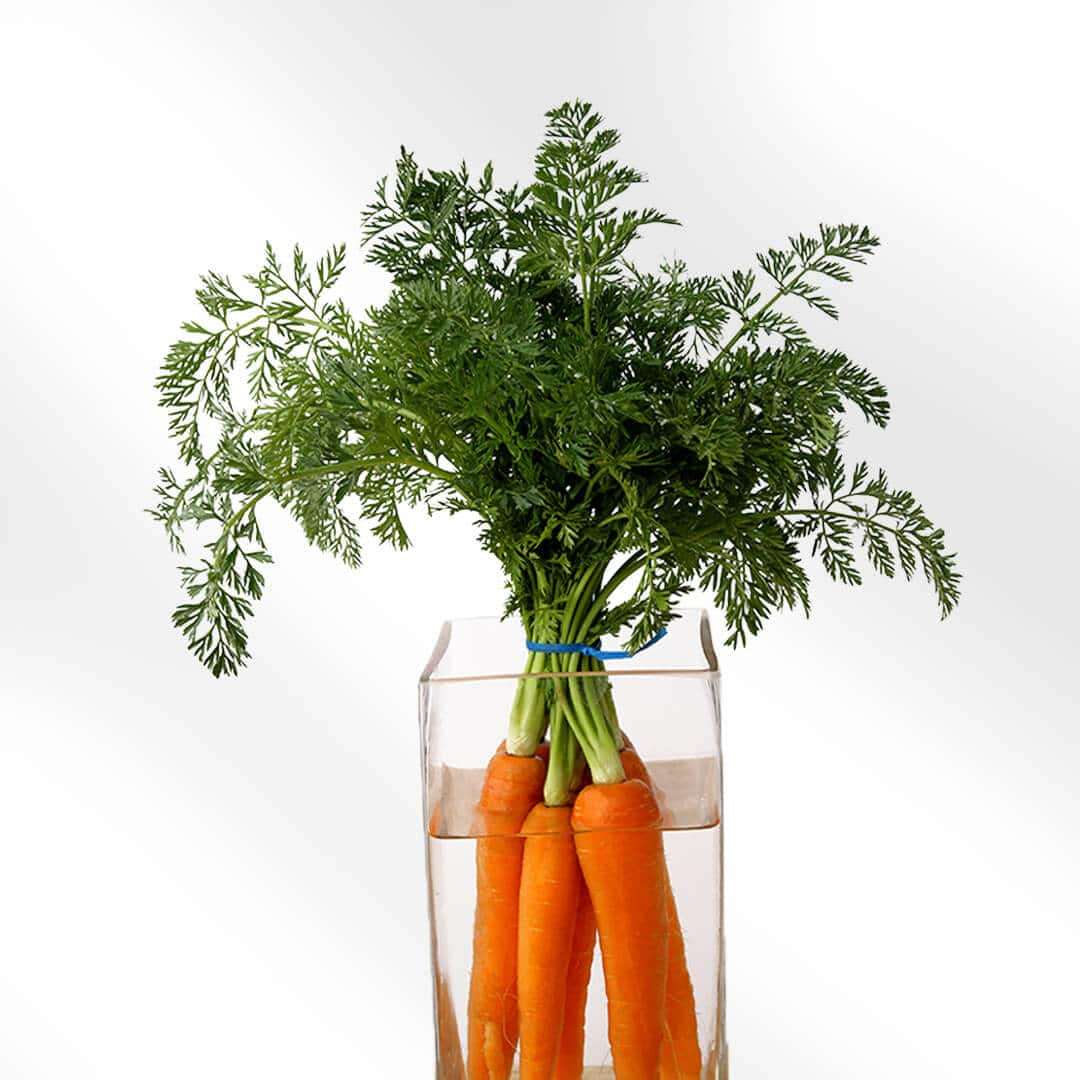
…how to keep your Carrots crisp?

We carrot wait to try this hack at home. Place your carrots in a glass of water to keep them fresh and crispy. Do you already treat your carrots like flowers and keep them fresh in a vase?

en_scs_braun_hack_card-04_Crisp_Carrots_1080 × 1080.jpg

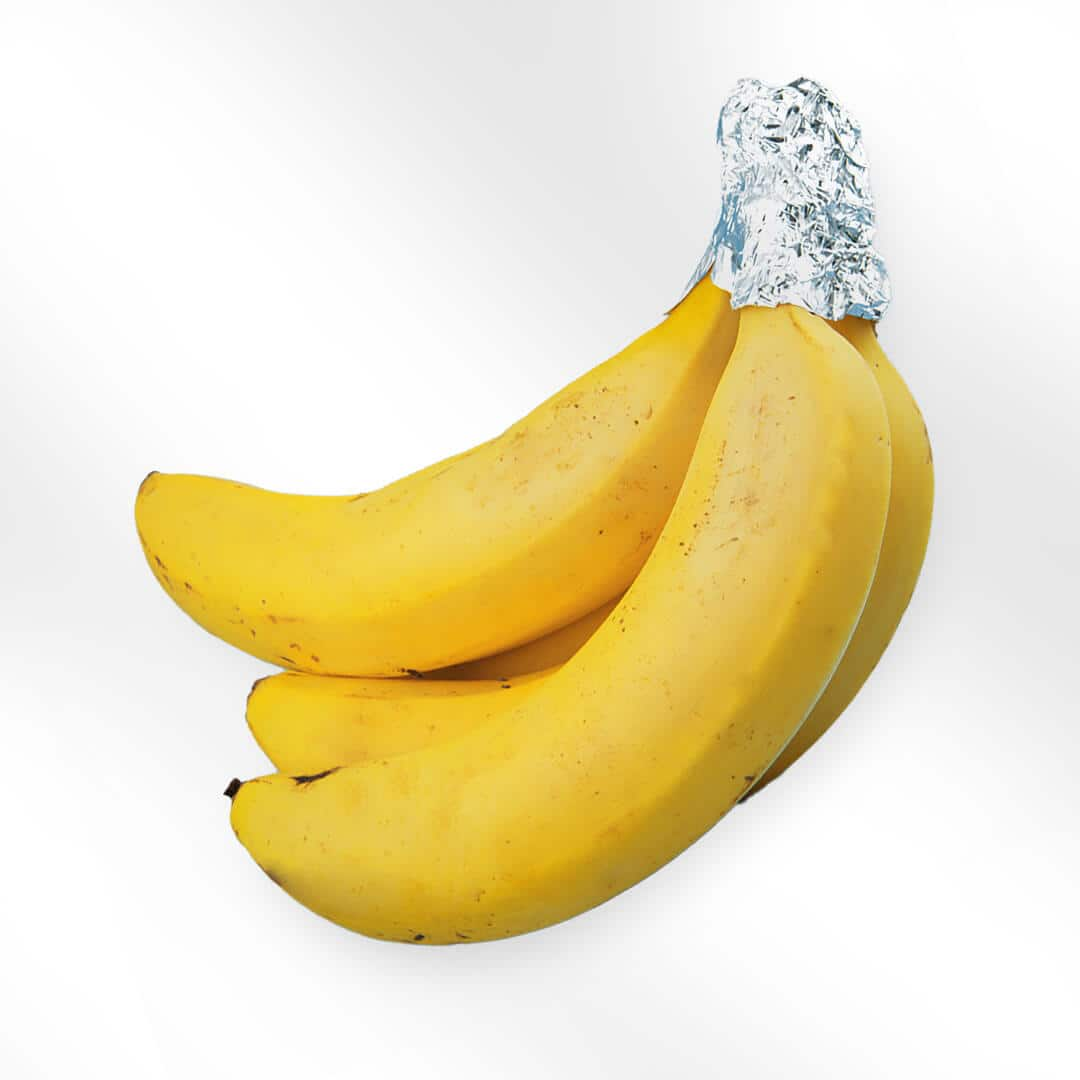
…how to keep your Bananas fresh?

Keep calm and go bananas. Did you know that bananas naturally release a gas called ethylene from their stem, and therefore tend to ripen much faster? Try and cover the stem of the bananas with a small piece of leftover foil, and the ripening process slows dramatically. Have you ever heard about this kitchen hack?

en_scs_braun_hack_card-05_Fresh-Banana_1080 × 1080.jpg

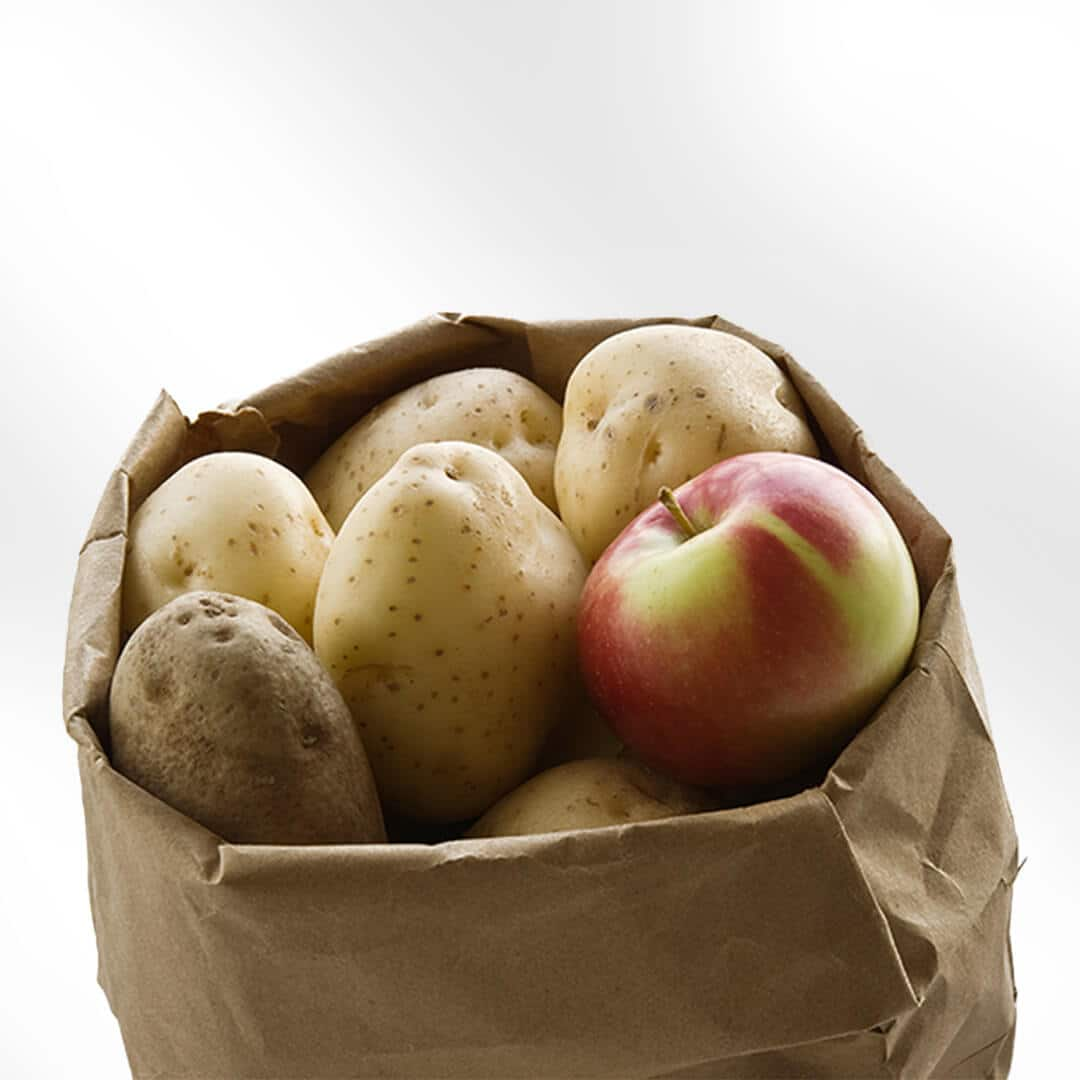
…how to keep your Potatoes from sprouting?

An apple a day keeps the sprouts away. Just place an apple in the same rack with your potatoes. With this little kitchen hack you can keep your potatoes fresh, even if you don't use them up all at once. Have you tried this before? 

en_scs_braun_hack_Card-08_Potatoes_1080 × 1080.jpg

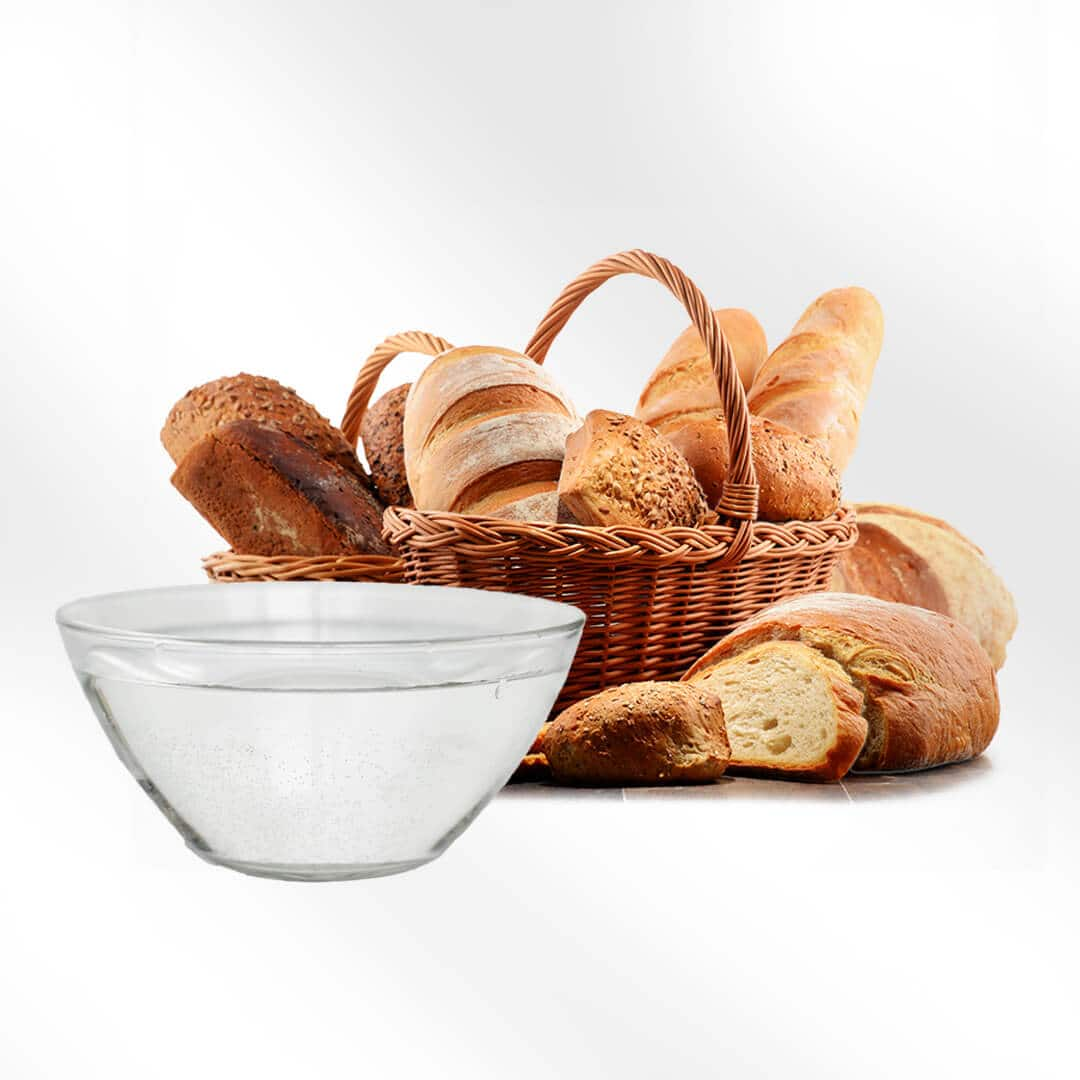
…how to make stale bread fresh again?

Did you buy too much at the bakery the other day? Don't worry, sprinkle your bread with water and bake it in the oven. With this little trick your baked goods will be fresh and warm again, just in time for Sunday brunch. Try it yourself. 

en_scs_braun_hack_card09_bread_1080 × 1080.jpg

Good design should be effective. So are our tips for reducing food  waste, which we hope provide practical, useful examples of how we can show great appreciation for our food with even the smallest effort. Together we can achieve a lot with small changes.

Related articles.

Less food waste

Meal prep saves time, effort and waste

teaser_meal-prep_header.jpg

Perfect blending results.

Hand blenders

braun_category_hand-blenders_mq9005.jpg
Caricamento in corso