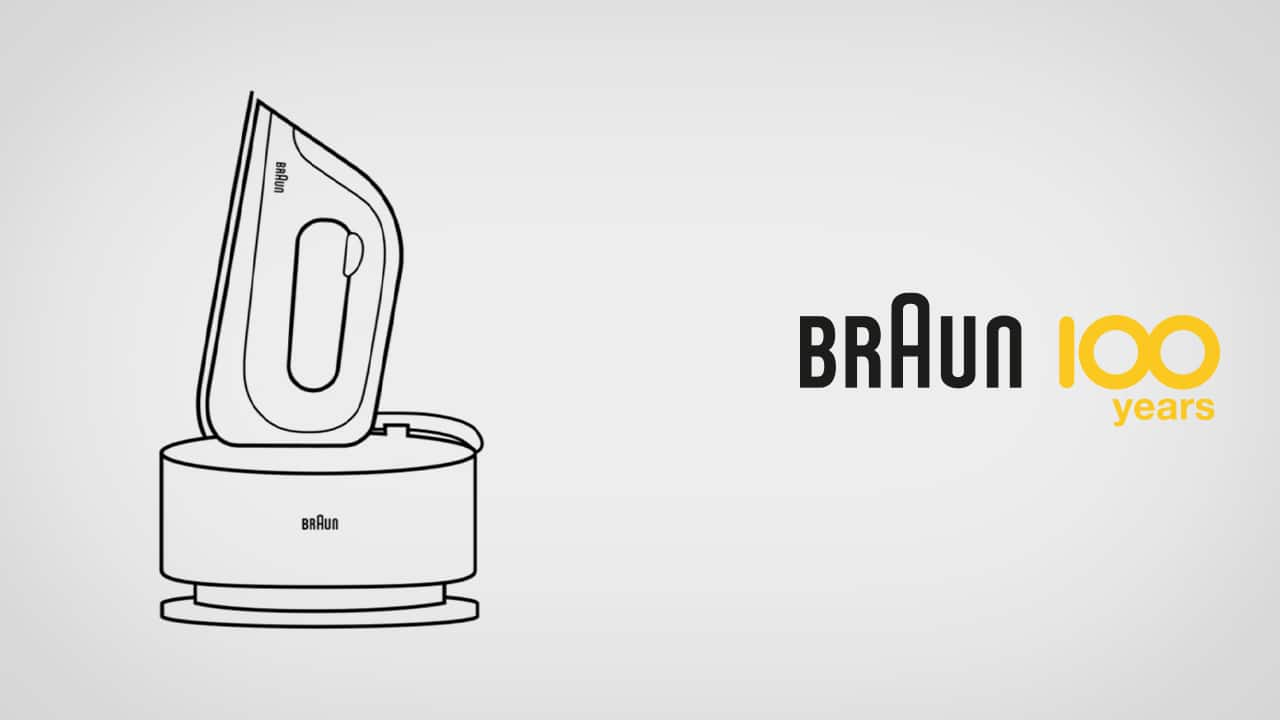
Des petites choses du quotidien. Pour un avenir meilleur.
Simple.
D’une simple pression - clic - vous obtenez ce que vous voulez. Rien de plus que le nécessaire. Ainsi vous êtes en mesure de réaliser ce que vous souhaitez.
Useful.
Everything has a purpose. A human problem to solve. Down to the finest details. Because good design shouldn’t leave anything behind, it’s thorough and has a reason for being. There is no design for design’s sake.
Construit pour durer.
Lorsqu’un design est réussi. Il n’a besoin de rien de nouveau, il n’est jamais obsolète ; il ne prend pas le dessus ou ne domine pas sur le reste. Il dure. Pour préserver l’environnement et pour faciliter la vie des gens.
Cliquez ici pour en savoir plus sur l’édition limitée pour nos 100 ans.
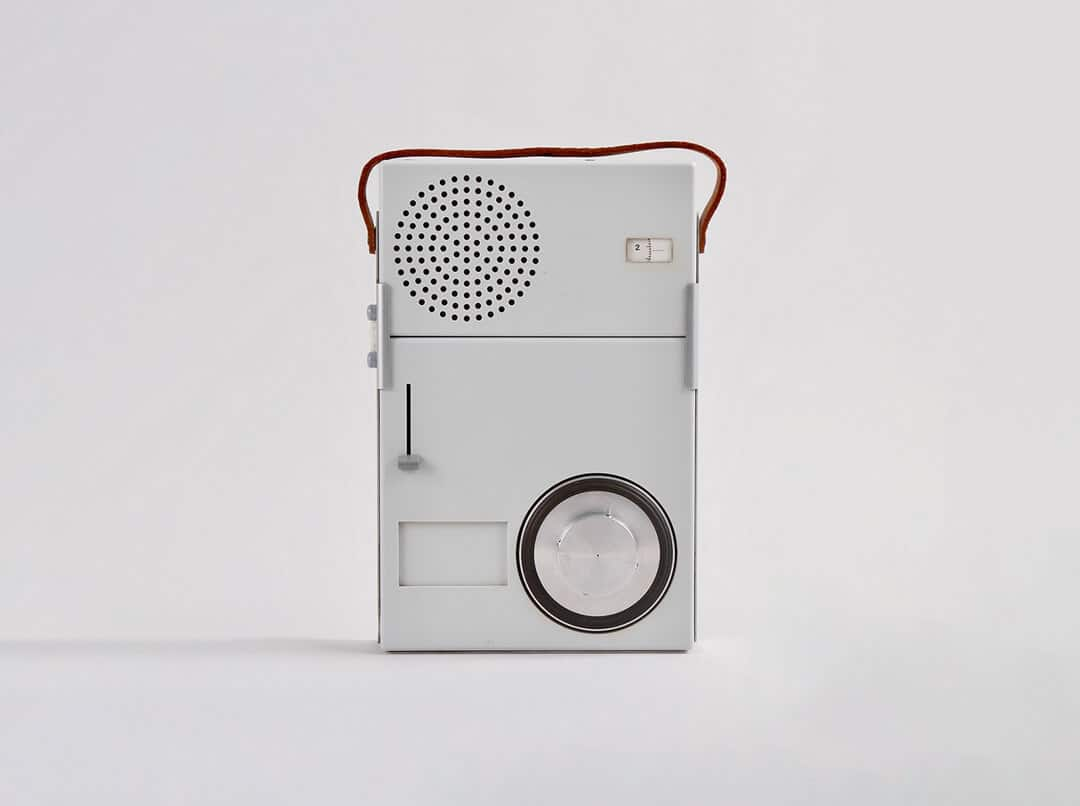
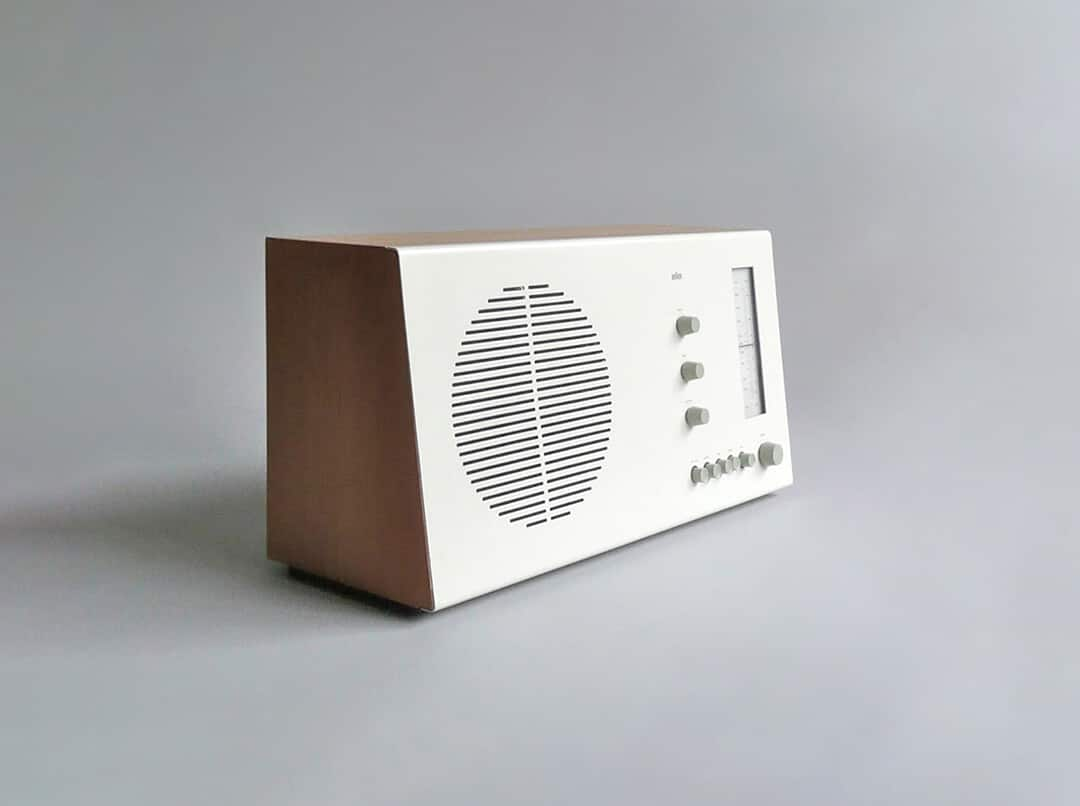
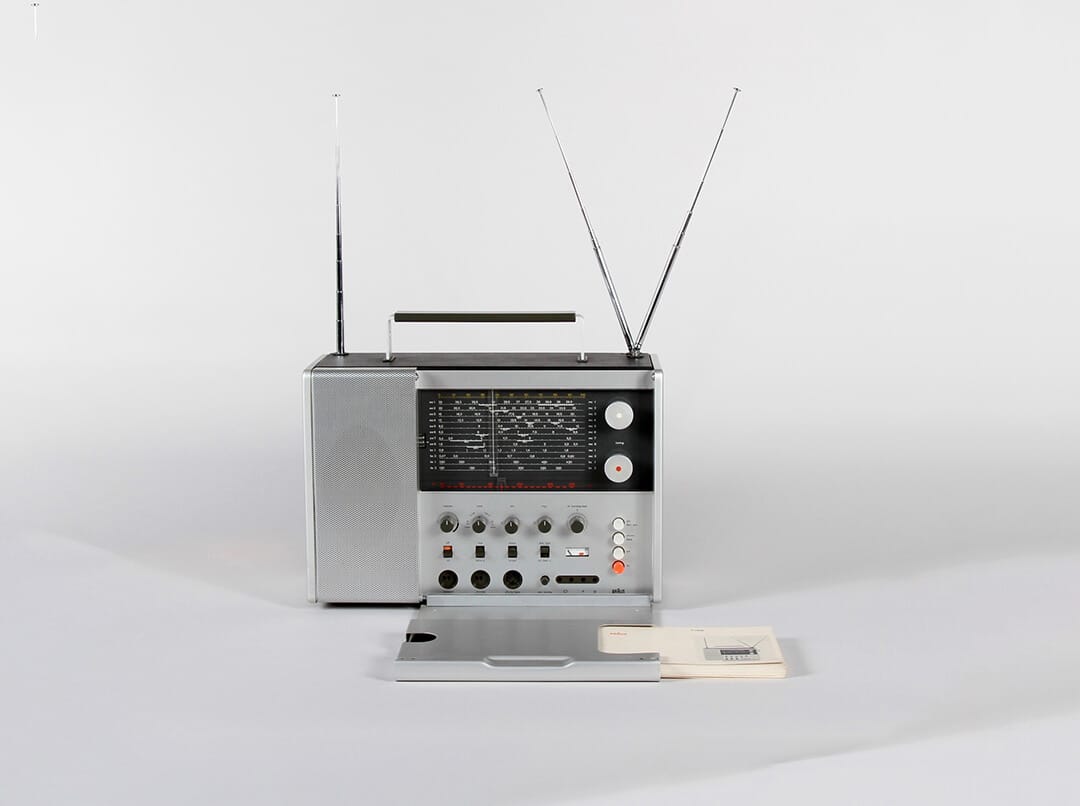
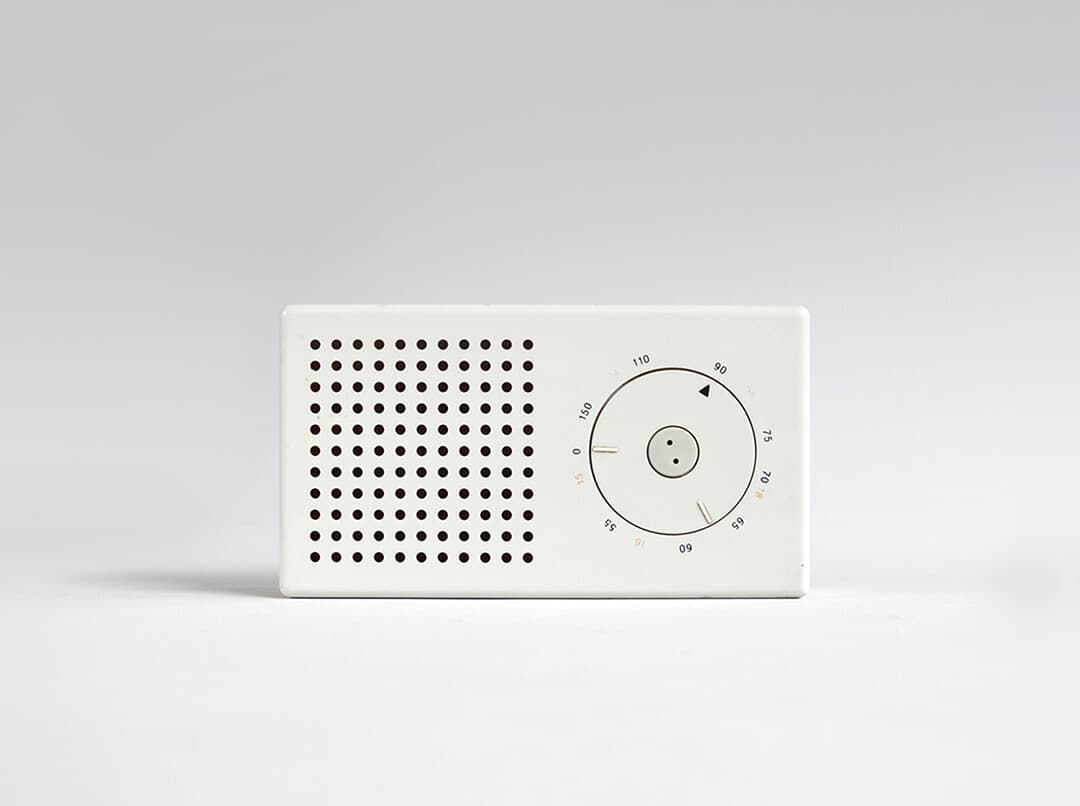
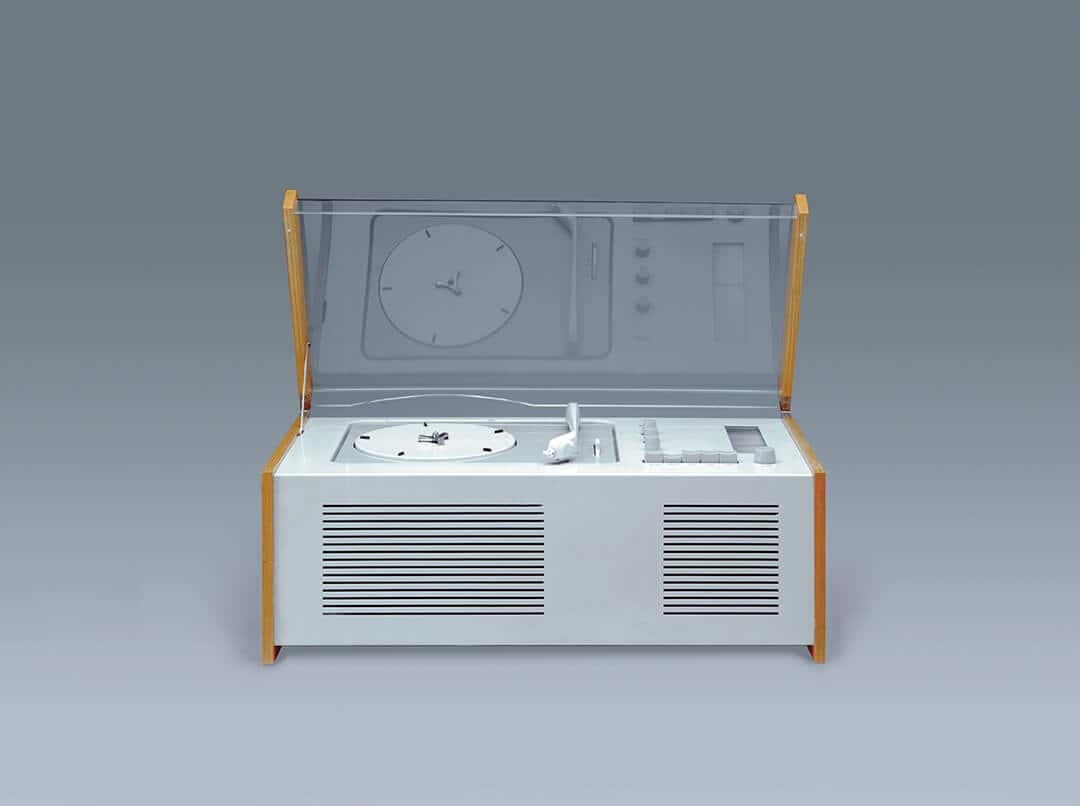
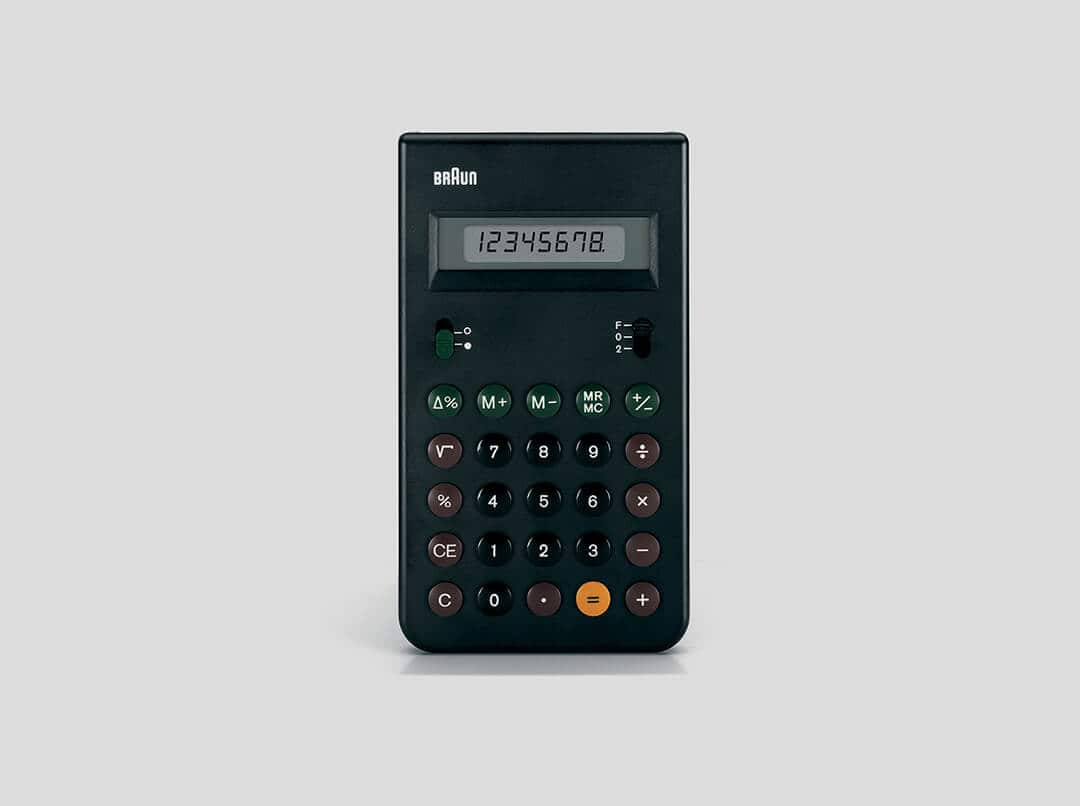
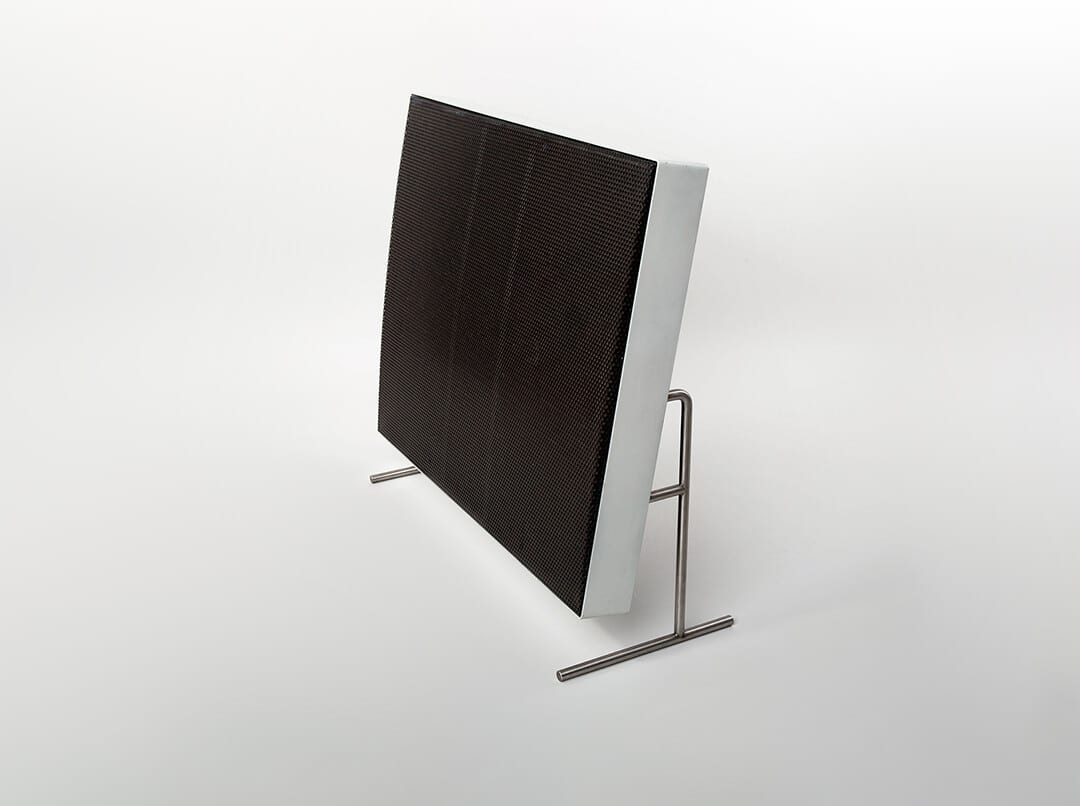
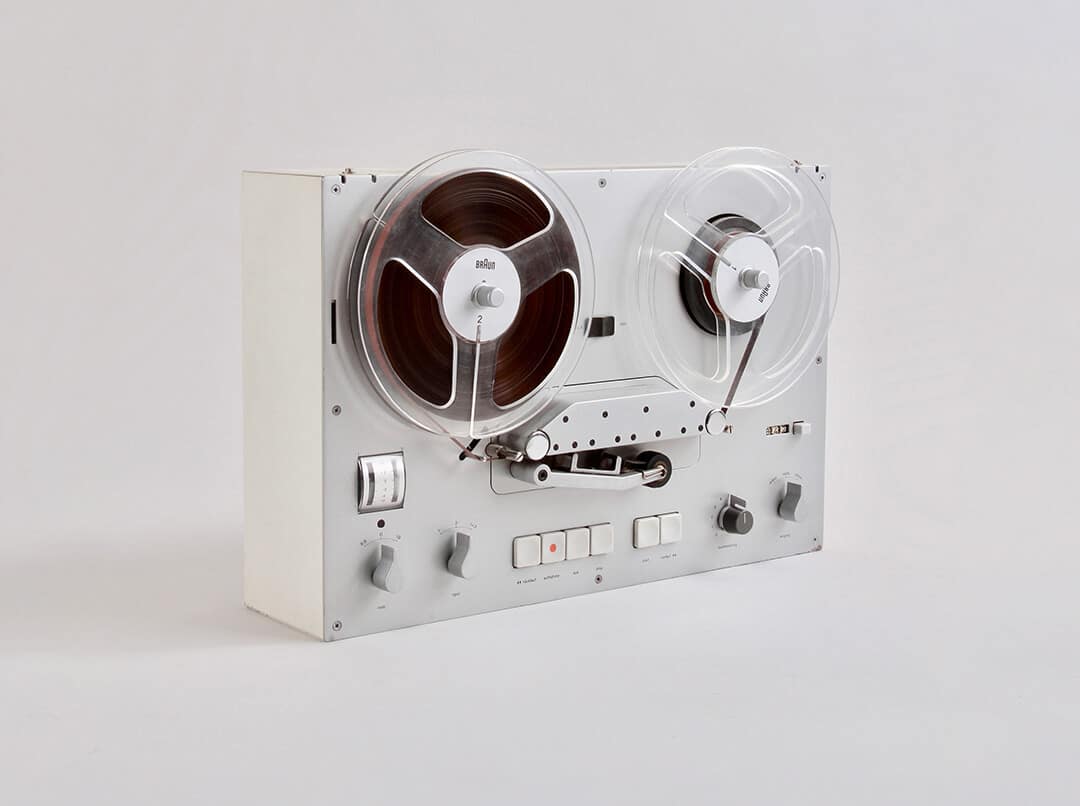
Engagé en tant qu’architecte pour réaménager les bureaux de Braun, Dieter Rams est devenu l’un des plus grands designers de son temps, a développé le style singulier de Braun et a rédigé un manuel qui fait référence : Les 10 principes d’un bon design.
1 Een goed design is innovatief.
De mogelijkheden voor innovatie zijn eindeloos. Technologische ontwikkeling biedt altijd nieuwe mogelijkheden voor innovatief ontwerp.
2 Een goed design maakt een product nuttig.
Een product wordt gekocht om te worden gebruikt en moet aan bepaalde criteria voldoen, niet alleen functioneel, maar ook psychologisch en esthetisch. Een goed design focust op het nut van een product en negeert alles wat daar afbreuk aan kan doen.
3 Good design is aesthetic.
The aesthetic quality of a product is integral to its usefulness because products we use every day affect our person and our well-being. But only well-executed objects can be beautiful.
4 Good design makes a product understandable.
It clarifies the product’s structure. Better still, it can make the product talk. At best, it is self-explanatory.
5. Dobrý design je nevtíravý
Produkty splňující svůj účel jsou jako nástroje. Neslouží jen na ozdobu nebo jako umělecké předměty. Jejich design by proto měl být neutrální a zdrženlivý, aby poskytl uživateli prostor k sebevyjádření.
6. Dobrý design je upřímný
Nesnaží se dělat produkt inovativnější, výkonnější nebo dražší, než ve skutečnosti je. Nepokouší se manipulovat zákazníka pomocí slibů, které nelze splnit.
7. Dobrý design vydrží dlouho
Nepodléhá módě, a proto nikdy nepůsobí zastarale. Na rozdíl od módního designu přetrvává mnoho let, a to i v dnešní konzumní společnosti.
8. Dobrý design je promyšlený až do posledního detailu
Nic není ponecháno náhodě. Pečlivost a přesnost při navrhování vyjadřují respekt vůči spotřebiteli.
9. Dobrý design je šetrný k životnímu prostředí
Design významně přispívá k ochraně životního prostředí. Šetří zdroje a minimalizuje fyzické a vizuální znečištění po celou dobu životnosti produktu.
10 Good design is as little design as possible.
Less, but better - because it concentrates on the essential aspects, and the products are not burdened with nonessentials. Back to purity, back to simplicity.
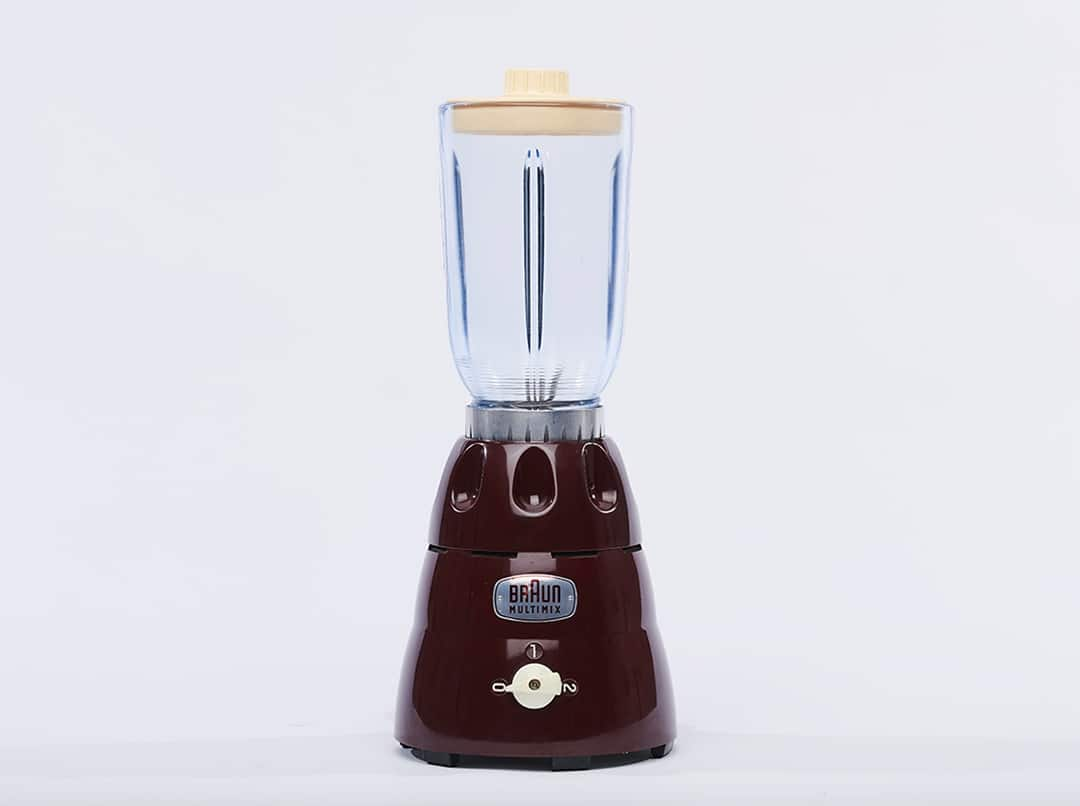
1953 | Braun Factory
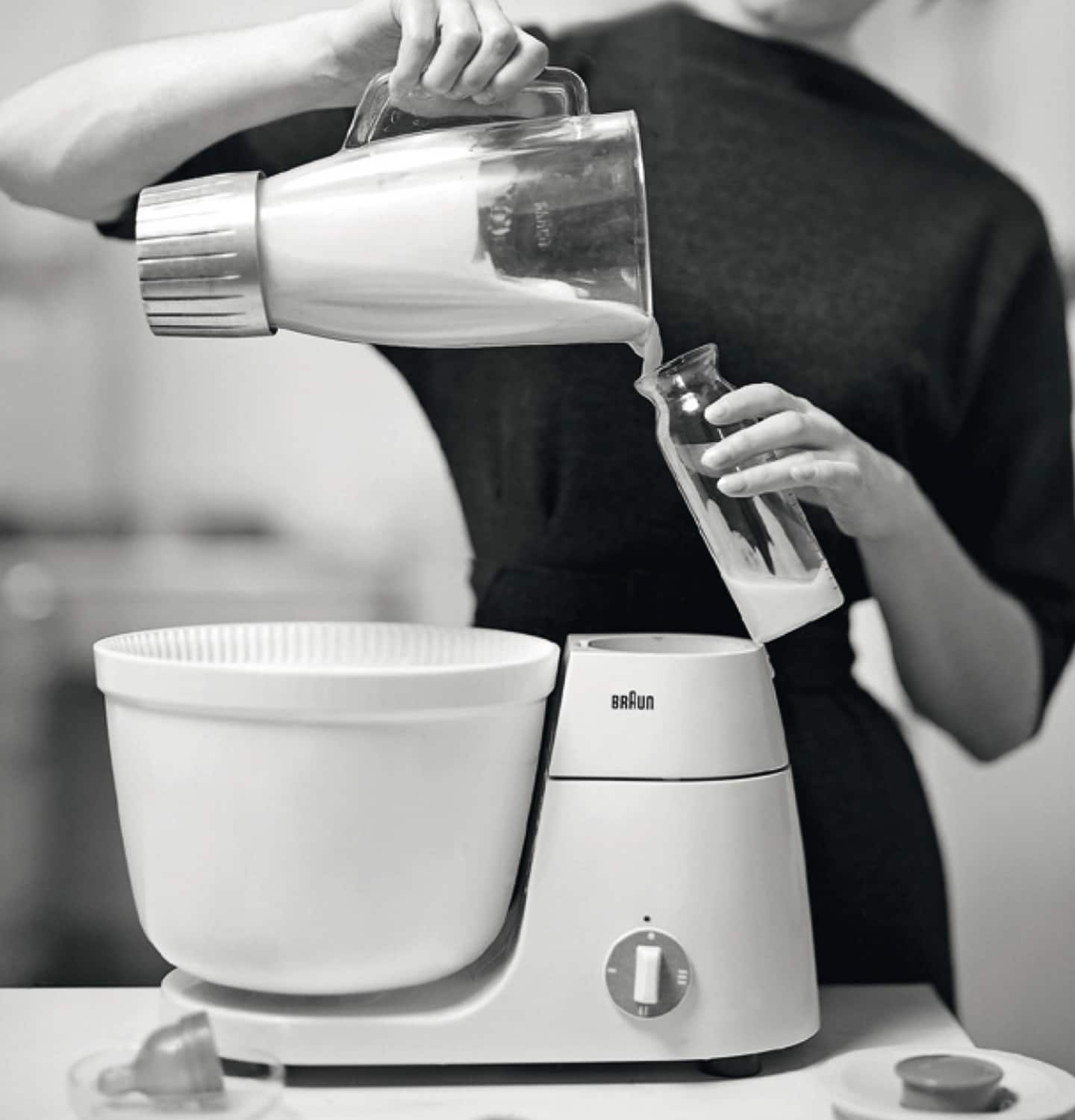
Braun Multimix Blender
The 50's established the milkshake as a western staple, enabled in part by the Multimix, the state-of-the-art blender with a detachable mixing glass container. It cuts ingredients with industrial-grade efficacy. Still widely in use today.
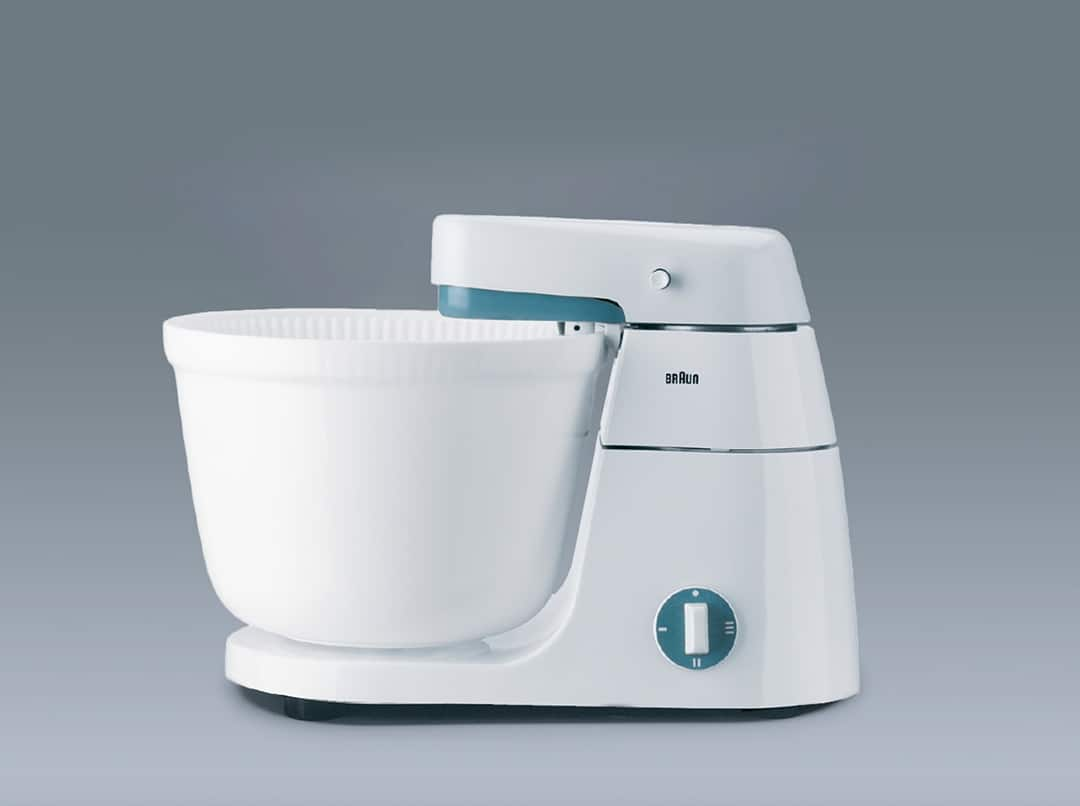
1957 | Gerd Alfred Müller
KM3/31
A hugely influential blender or “food processor” as it was known that birthed a whole new product category: “kitchen machines” or appliances. With its hyper-reduced, simple and useful design one of the most influential industrial products of all time.
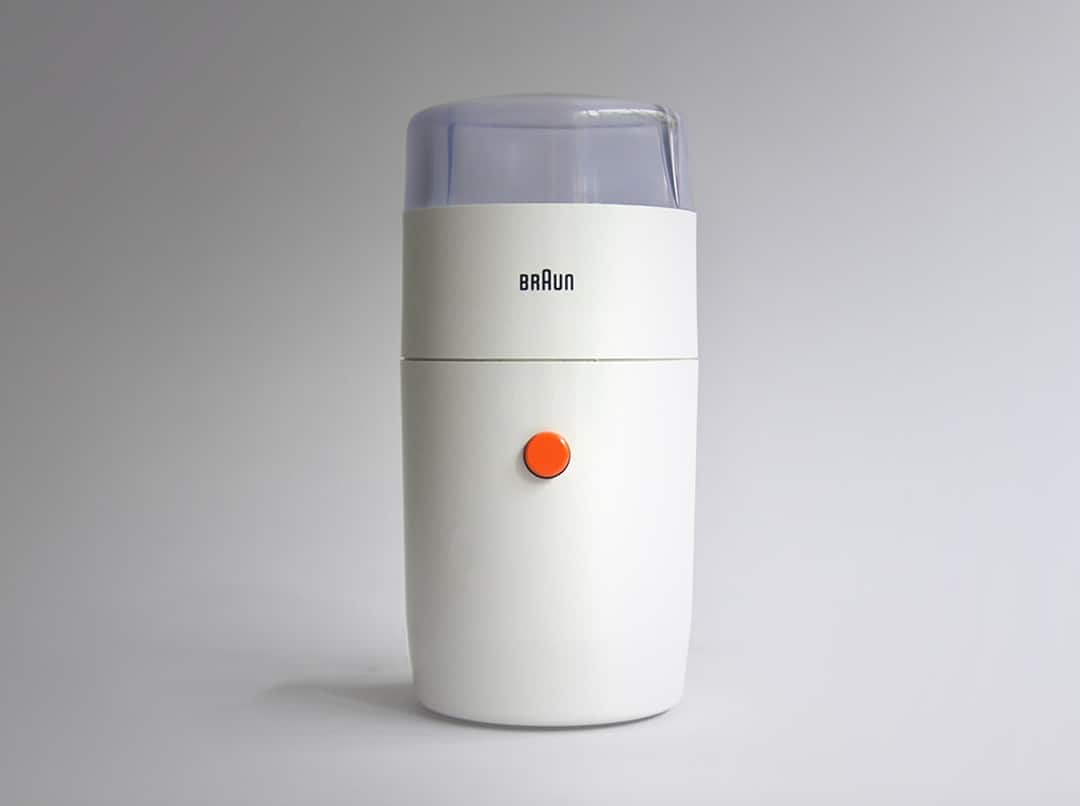
1963 | Reinhold Weiss
KSM 1/11
Design doesn’t get much more minimalistic than this: a coffee grinder so purpose-built it needed just one, centrallyplaced button to operate. Finely ground beans were just a finger click away.
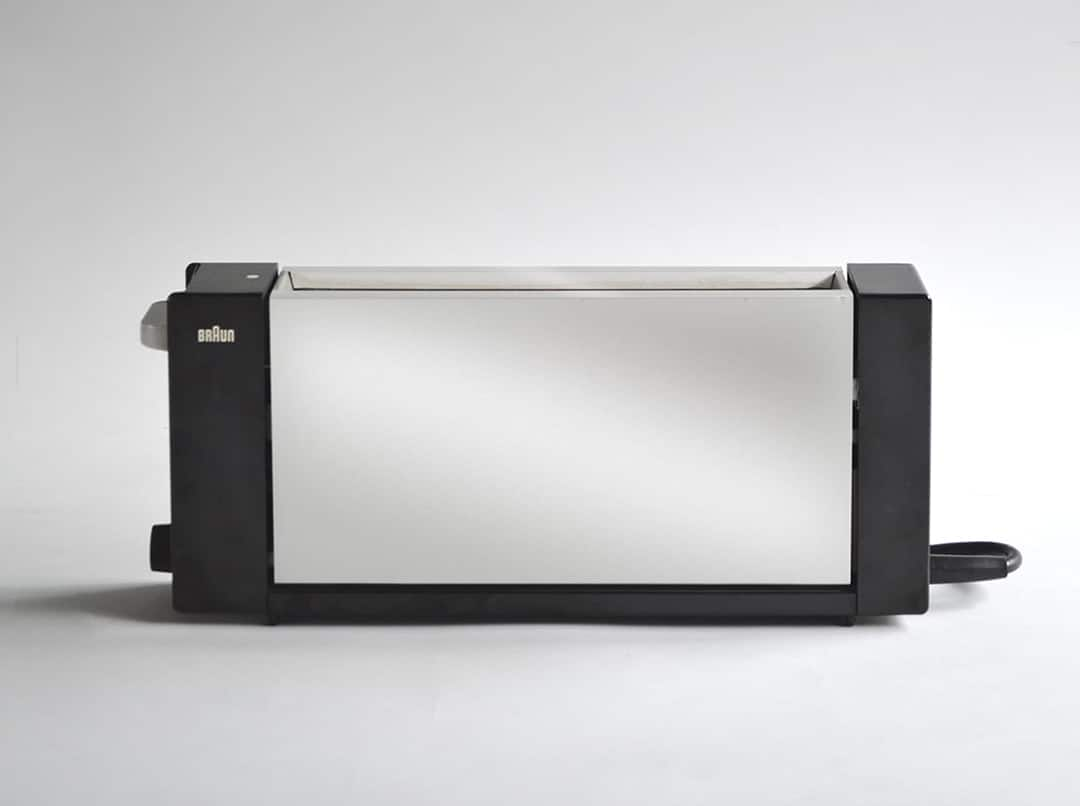
1963 | Reinhold Weiss
HT 2
This toaster’s sleek, reduced design so inspired renowned artist Richard Hamilton that he based one of his works (aptly titled ‘Toaster’) on it. Oh, and it also browned bread to perfection.
1972 | Florian Seiffert
KF 20
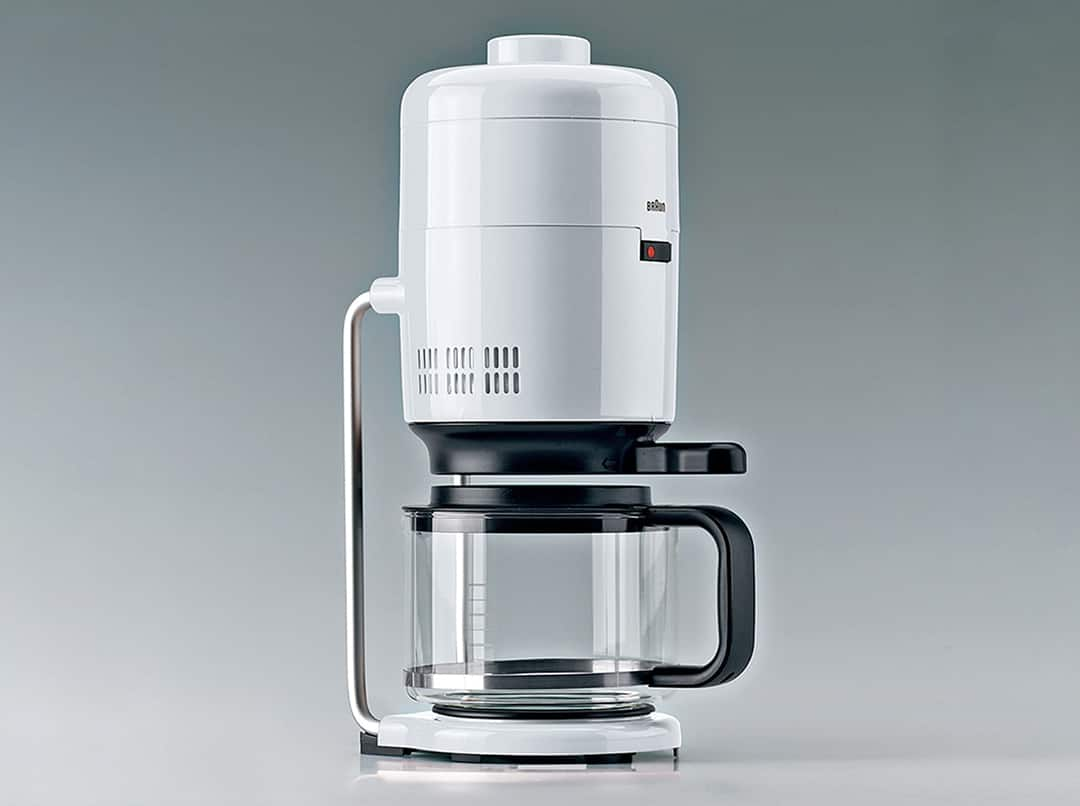
With a stacked, vertical design that resembled a water tower, the KF 20 was known as the Aromaster. Instantlyrecognizable for its unciventional shape, this coffee maker added a touch of the exrtaordinary to everyday morning filter coffee.
1972 | Jürgen Greubel, Dieter Rams
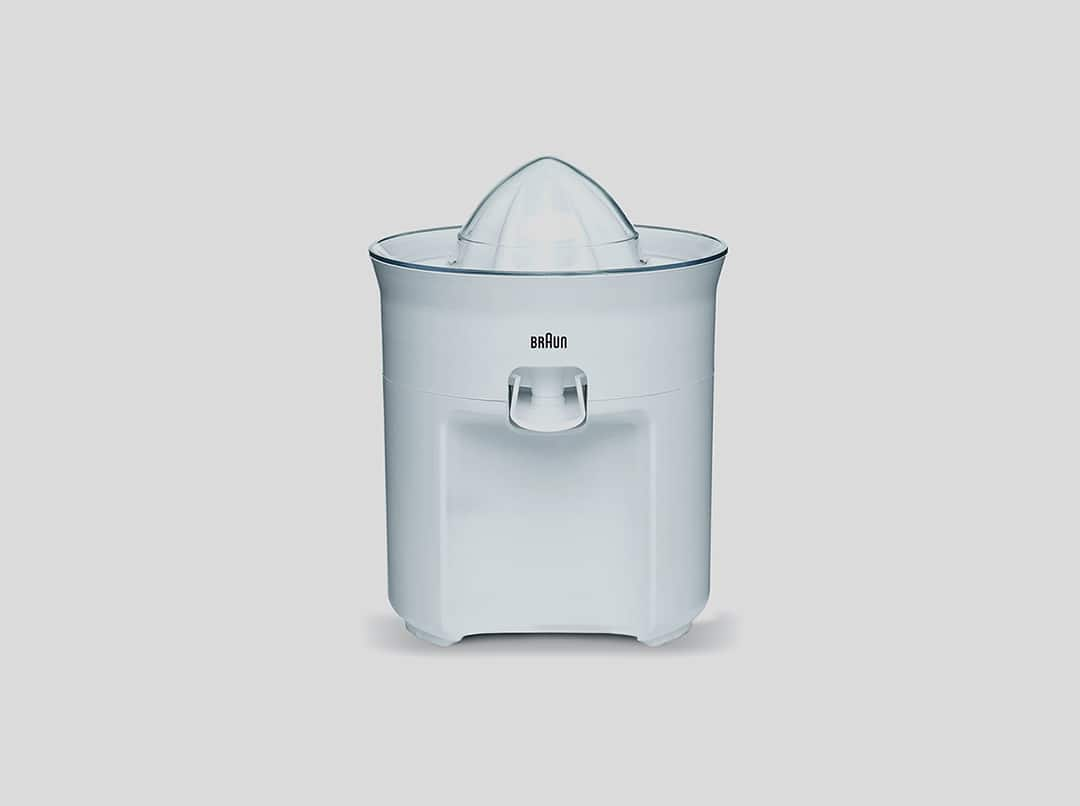
MPZ 22
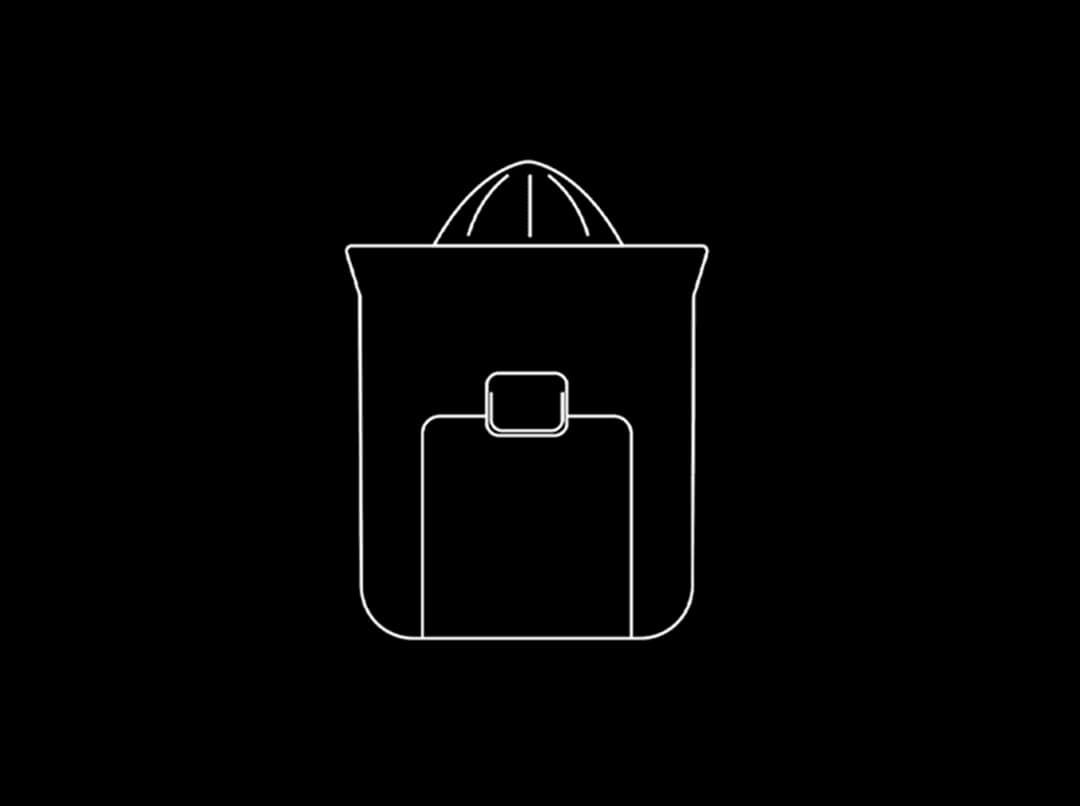
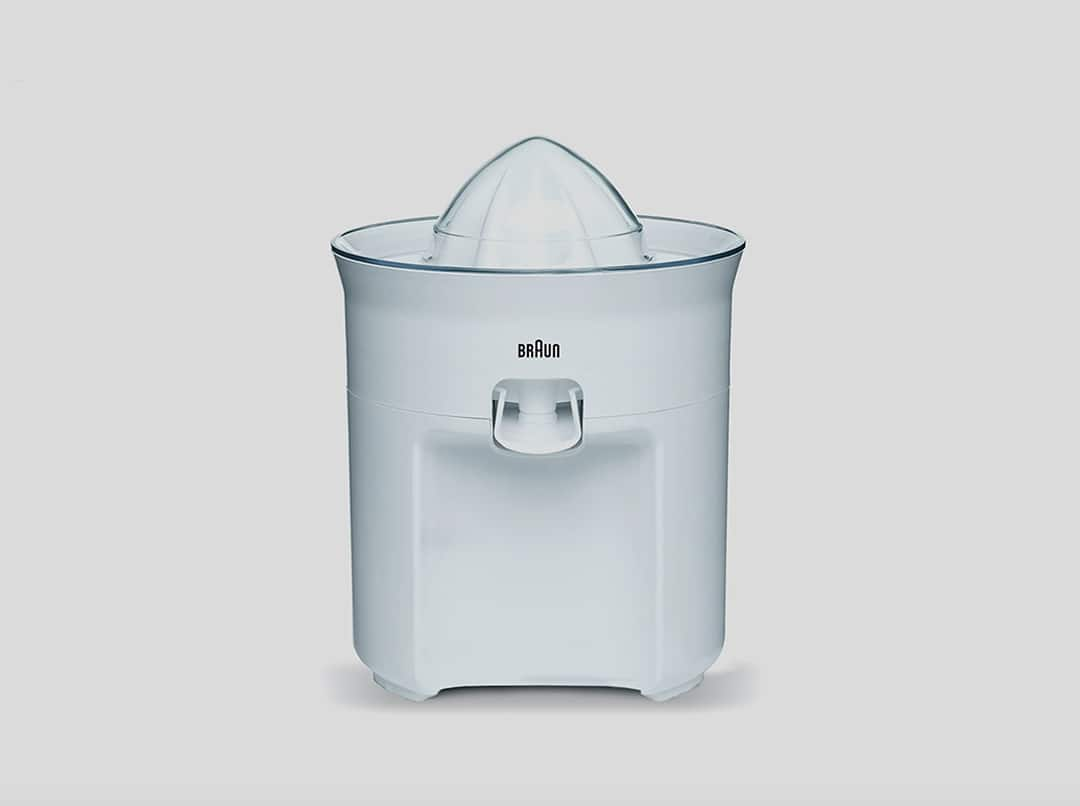
This electric juicer, also known as the citromatic, was a dependable and incredibly easy-to-clean staple of kitchens across the world for decades. It took over two decades before Braun decided an update to the original design was due.
1981 | Ludwig Littmann
MR 6
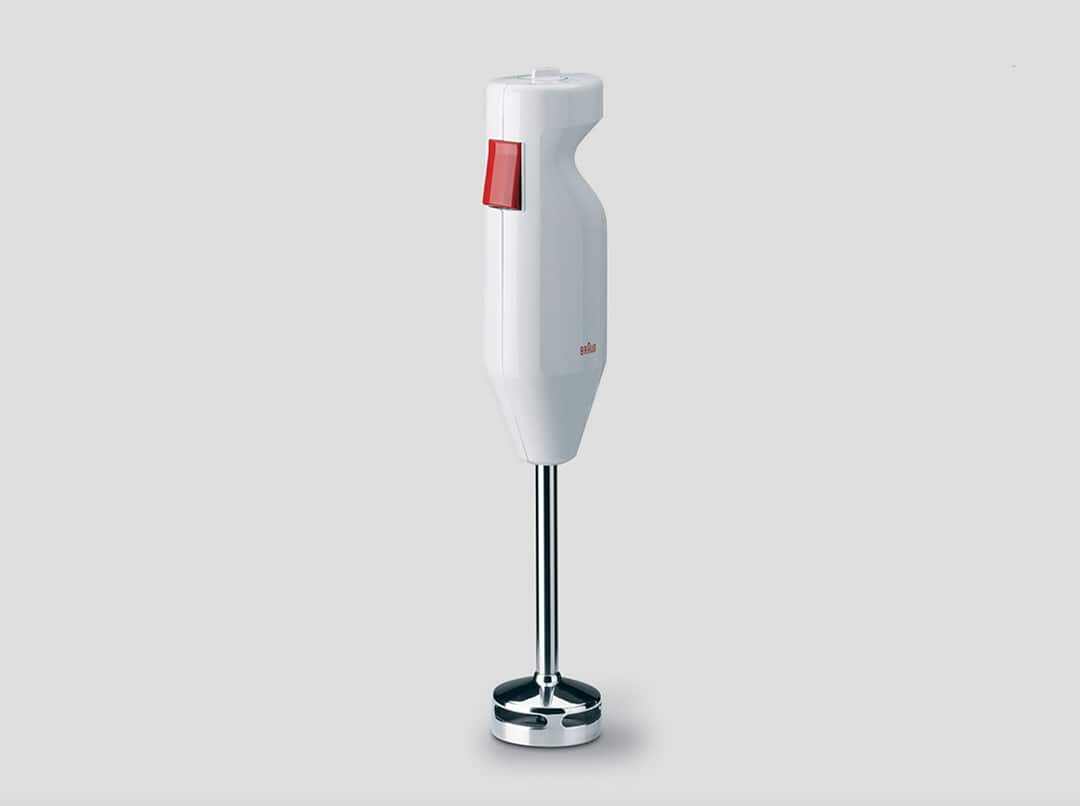
A precursor of the more sophisticated MR 500, the MR 6 was sturdy and tough, meaning it could blend foods that´other products couldn't handle. An important stepping stone on the way to perfecting the handheld blender.
1984 | Hartwig Kahlcke
KF 40
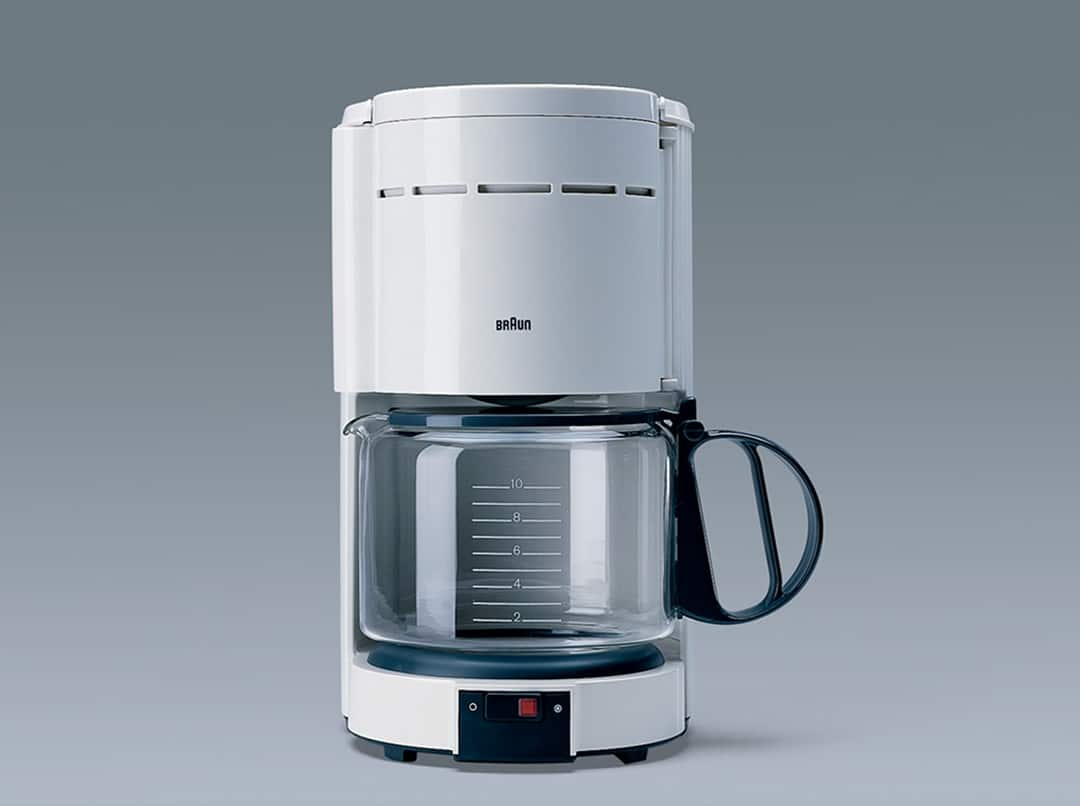
This coffeemaker was somehow controversial within Braun, being made of cost-efficient polypropylene rather than sturdier polycarbonate, Braun's go-to plastic. Hence the KF 40's corrugated surface states a design solution that won over Dieter Rams.
2016 | Markus Orthey, Ludwig Littmann
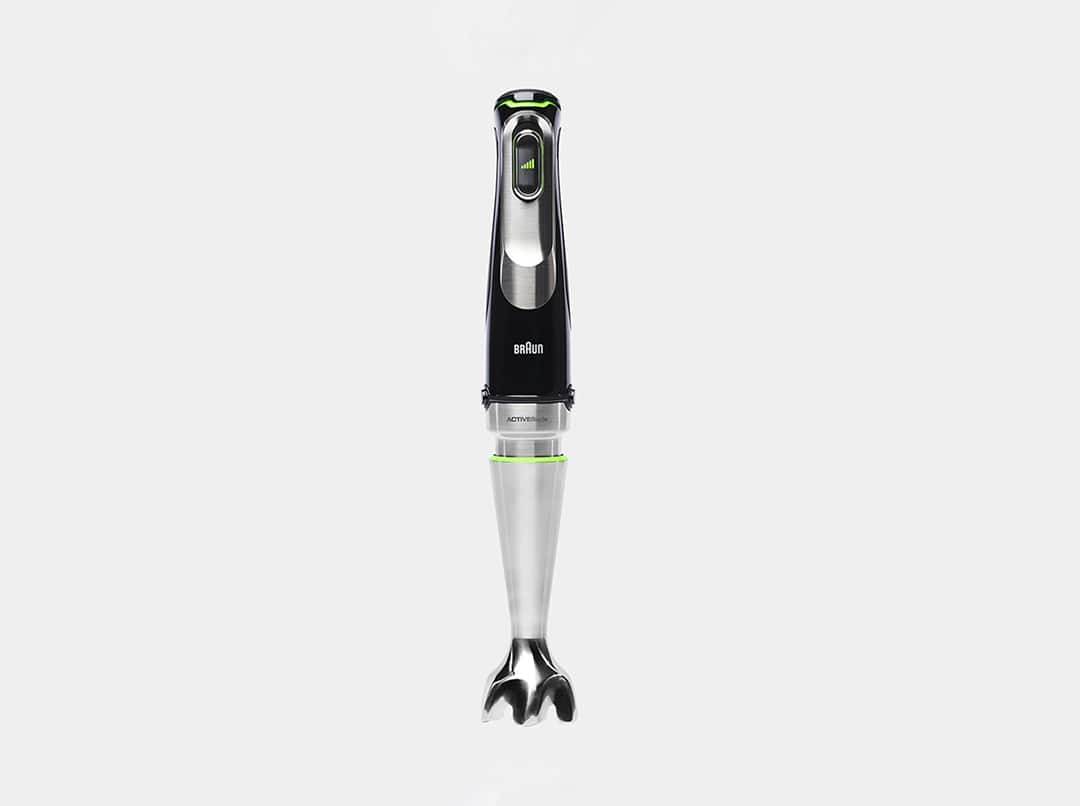
MultiQuick 9
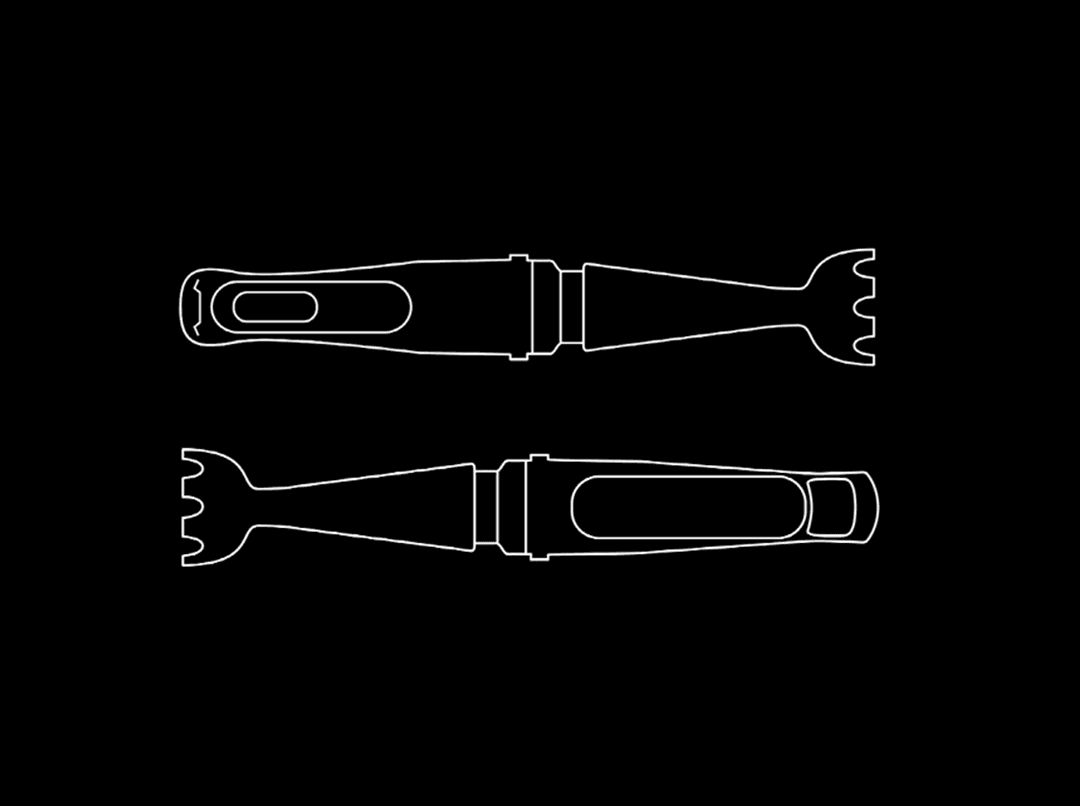
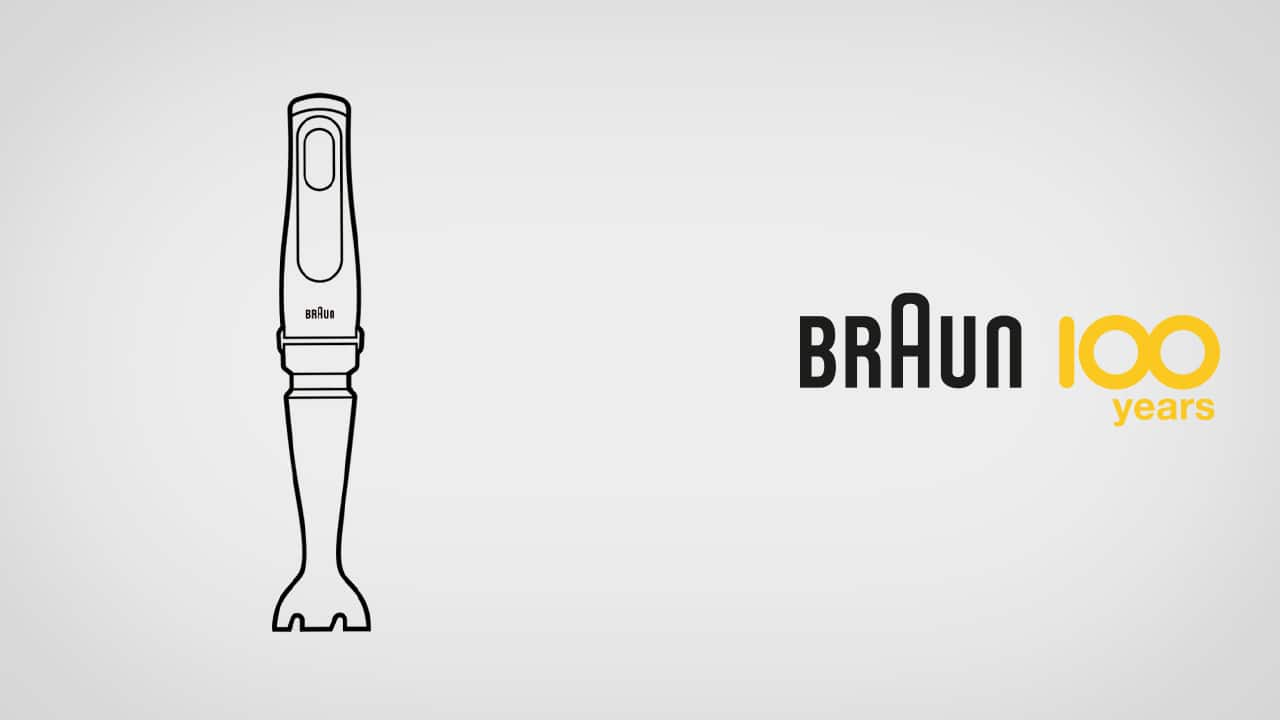
An all-round food blender that condensed the functionalities of devices many times its size into a simple, handheld 'wand'. The definition of reduced design: compact, yet powerful.
España
Click here to get to the global website.