en-navnod-braun-food-preparation-1080x720.jpg

Hand blenders

Perfect blending results

Learn more
en-navnod-braun-food-preparation-1080x720.jpg

Hand blenders

Perfect blending results

Learn more
en-NavCard-hand-blender-attachments-1080x720.jpg

Hand blender attachments & accessories

Experience the versatility

Learn more
en-NavCard-hand-blender-attachments-1080x720.jpg

Hand blender attachments & accessories

Experience the versatility

Learn more
en-navnod-recipes-1080x720.jpg

Recipe collection

Fun and simple recipes from Braun.

Learn more
NavNode_Support_Node_Services_1080x720.jpg

Support & Service

How can we help you?

Need help?

Less food waste

Stop food ending up in the bin: Shop sensibly and seasonally.

seasonal-shopping_header.jpg
Print

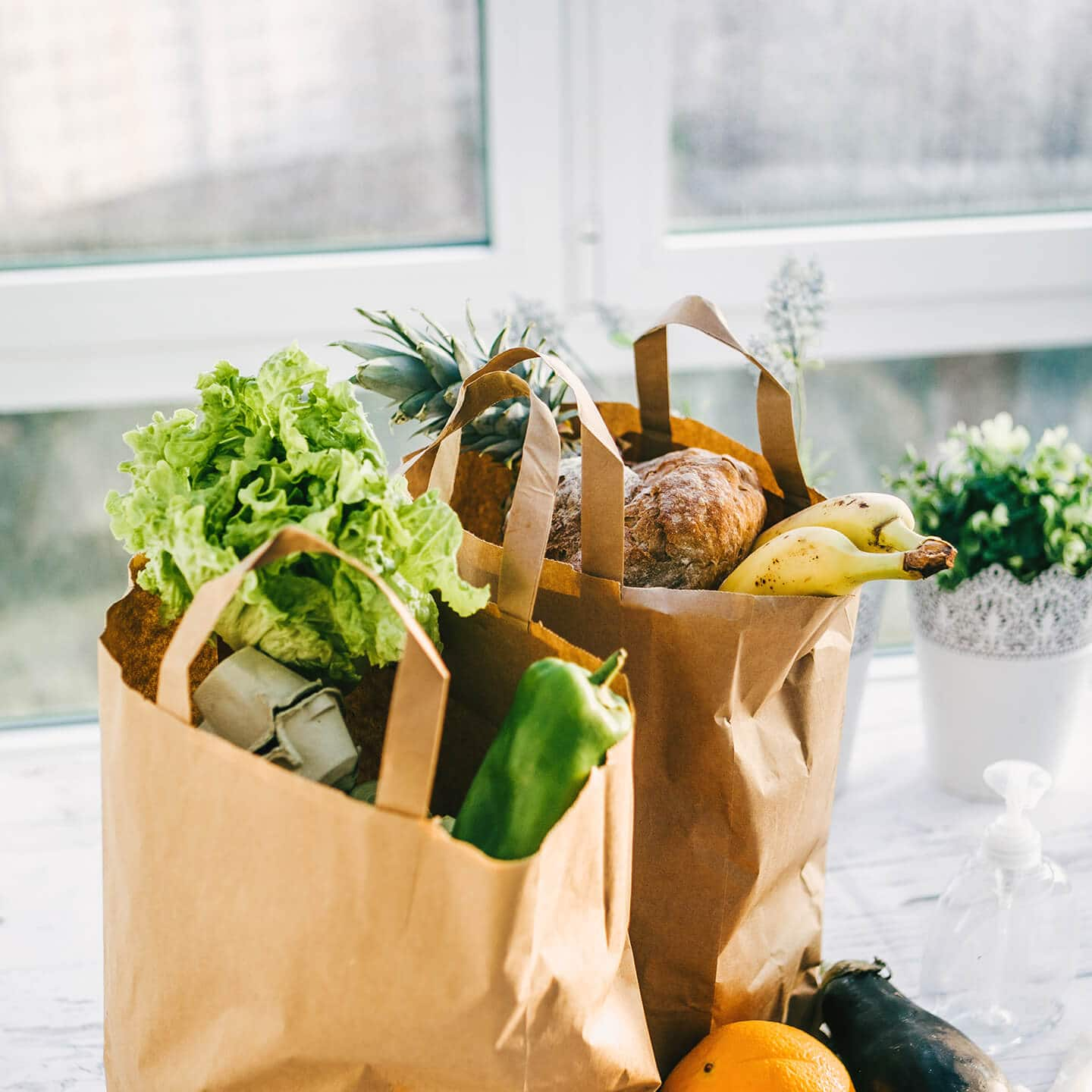
If you buy too much, you’ll throw a lot away. Or, looking at it a different way, reducing food waste starts in your cart at the supermarket. It’s not hard to check what you already have in the cupboard and fridge, plan ahead and buy only what you need – and it also makes your weekly shop much easier.
seasonal-shopping_image-copy-1-shop-planning.jpg

Planning your shop properly

We’ve all been there. You haven’t made a list, you’re short on time and rush into the supermarket. You throw everything that catches your eye into the trolley, whatever takes your fancy at that moment. Very soon, you’ll be taking home more food than you can eat.

In order to avoid buying things you don’t actually need and resist the temptation to make spontaneous purchases, write a list at home to stay organised when buying groceries. This way, we can all reduce the food we waste and boost our bank balance at the same time.

Tips for more sustainable shopping

Which fruit and vegetables you put in your trolley, whether you opt for tinned goods or frozen and your choice of meat – it has an impact on the environment. We’ve put together a few tips to help you shop more sustainably and consciously.

seasonal-shopping_slider_check-your-stocks_card-1.jpg

Check your stocks

What are your essentials in the kitchen?

Checking your cupboards and fridge on a daily basis makes it easier to plan your shopping. What do you have in, what items are missing and what do you need to use soon? This helps you to maintain an overview of what you need on your shopping list. In addition to fresh produce, there will be some items you use regularly. It can help to keep a list of the products and ingredients you like to keep in your cupboard, fridge and freezer so that you always have them to hand.
seasonal-shopping_slider_weekly-plan_card-2.jpg

Make a plan for the week

Know exactly what needs to be on the list

A weekly plan is a dependable companion. What have you got on? Will you have any visitors? Which days will you need a snack for on-the-go? Think about what you might eat in the next few days and write a shopping list based on the ingredients you’ll need. This way, you know just what you need to buy and how much. And, so that you don’t end up buying more than originally planned, don’t go shopping on an empty stomach.
seasonal-shopping_slider_keep-things-in-proportion_card-3.jpg

Keep things in proportion

Buy food according to your needs

Ideally, you try to buy perishable foods like fish and meat only when you know you will eat them soon. By contrast, fruit and vegetables will last longer when stored correctly and so can be purchased in advance. Tip: Don’t be afraid to buy fruit and vegetables with imperfections. It’s easy to remove them – and your apple will still taste every bit as good as its undamaged counterparts. Unfortunately, some retailers often end up throwing away goods with visible imperfections.
seasonal-shopping_slider_keep-calm-shop-on_card-4.jpg

Doe rustig je boodschappen

Neem de tijd en let op de hoeveelheid per eenheid

Aanbiedingen, gratis producten en volle schappen: het enorme aanbod aan etenswaren is verleidelijk, met name als je met een hongerig gevoel de supermarkt in gaat of haast hebt. Neem genoeg tijd om een planning te maken en boodschappen te doen, zodat je in alle rust prijzen en kwaliteit kunt vergelijken. Een kleine tip: het lijkt aantrekkelijk om goedkope producten te kopen die voordeliger zijn als je ze in grote hoeveelheden koopt, maar alleen als je er niets van hoeft weg te gooien. Doe rustig je boodschappen en bedenk wat je echt nodig hebt.
seasonal-shopping_slider_reduce-retail-waste_card-5.jpg

Maak bewuste keuzes bij het kopen van producten

Hoe ons koopgedrag verspilling in de retail kan verminderen

Wij als consumenten kunnen bijdragen aan het tegengaan van verspilling in de retail. Groente en fruit met schoonheidsfoutjes worden vaak weggegooid en dat geldt ook voor andere producten. Je hoeft geen zuivelproducten met een houdbaarheidsdatum over twee weken te kopen als je van plan bent om ze snel te gebruiken. Brood dat je gisteren gekocht hebt, smaakt ook over twee dagen nog lekker. Bovendien kun je met deze tips geld besparen . Verschillende winkels verlagen de prijzen van producten waarvan de houdbaarheidsdatum nadert.
seasonal-shopping_slider_prioritise-seasonal_card-6.jpg

Verklein je ecologische voetafdruk

Kies seizoensgebonden, lokale producten

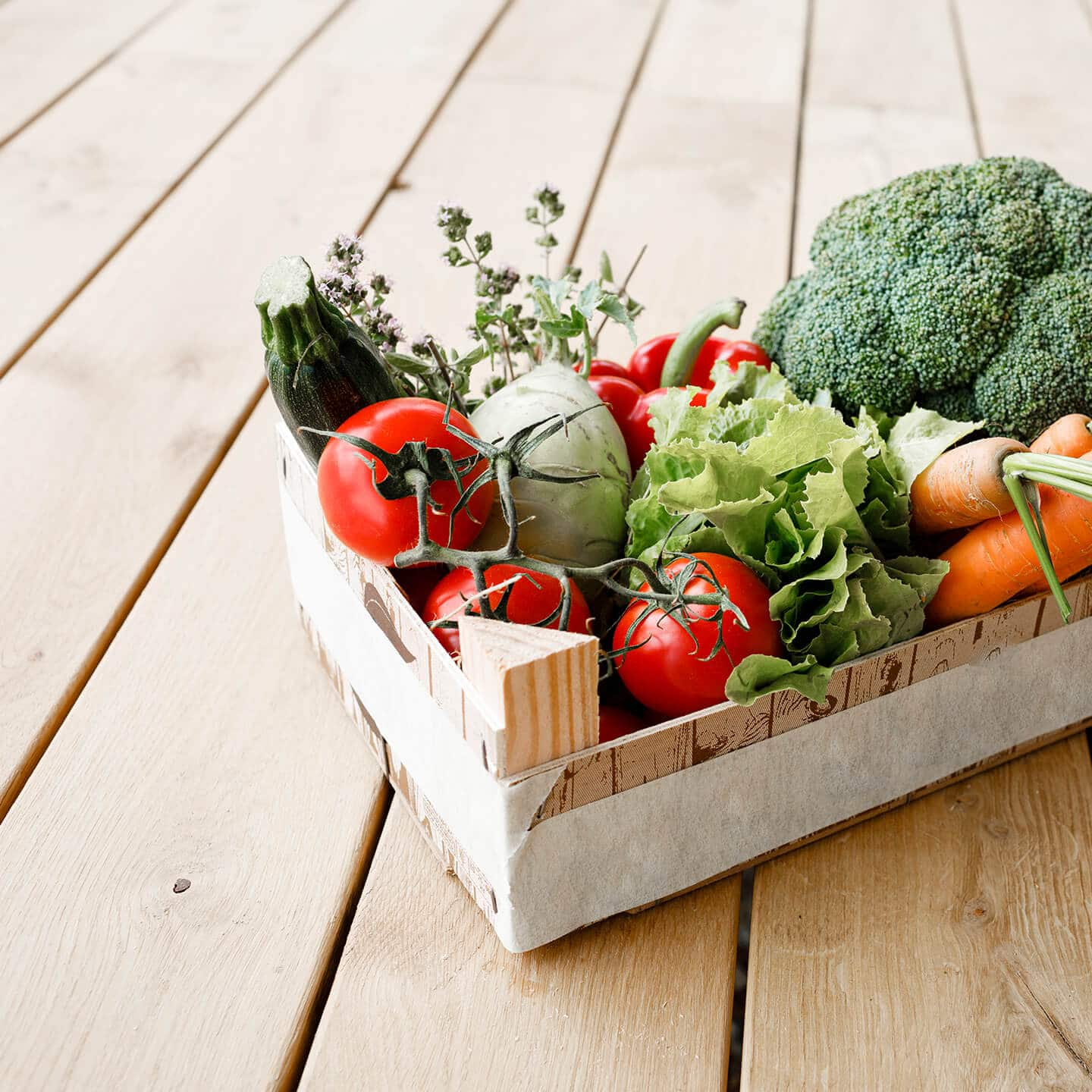
Wie vindt het niet lekker om in de winter van buiten het seizoen te eten? Hoewel dat voor de verandering best eens lekker is, is het niet de beste keuze wat betreft je ecologische voetafdruk. Het is dan ook verstandig om zoveel mogelijk seizoensgebonden producten te kopen. Koop groente en fruit van het seizoen en kijk bovendien waar je producten vandaan komen. Producten die lokaal geteeld en geproduceerd zijn, zijn minder kilometers vervoerd. Dat betekent dat ze minder uitstoot van CO2 veroorzaken. Voor producten die lokaal geproduceerd zijn, wordt bovendien minder verpakkingsmateriaal gebruikt en is minder energie in verband met opslag nodig. Dat laat nog maar eens zien hoe belangrijk het is om seizoensgebonden, lokale producten te kopen.

Andere dingen waar je op moet letten bij het doen van de boodschappen

* Koop verse, bij voorkeur biologische producten of producten met een milieukeurmerk. In massa geproduceerde etenswaren bevatten veel toevoegingen en het is vaak lastig te bepalen waar deze ingrediënten vandaan komen.
* Koop zo mogelijk onverpakte groente en fruit. Dit zorgt voor minder afval en zo kun je ook precies kopen wat je nodig hebt. Daarvoor kun je vaak het beste naar de markt gaan.
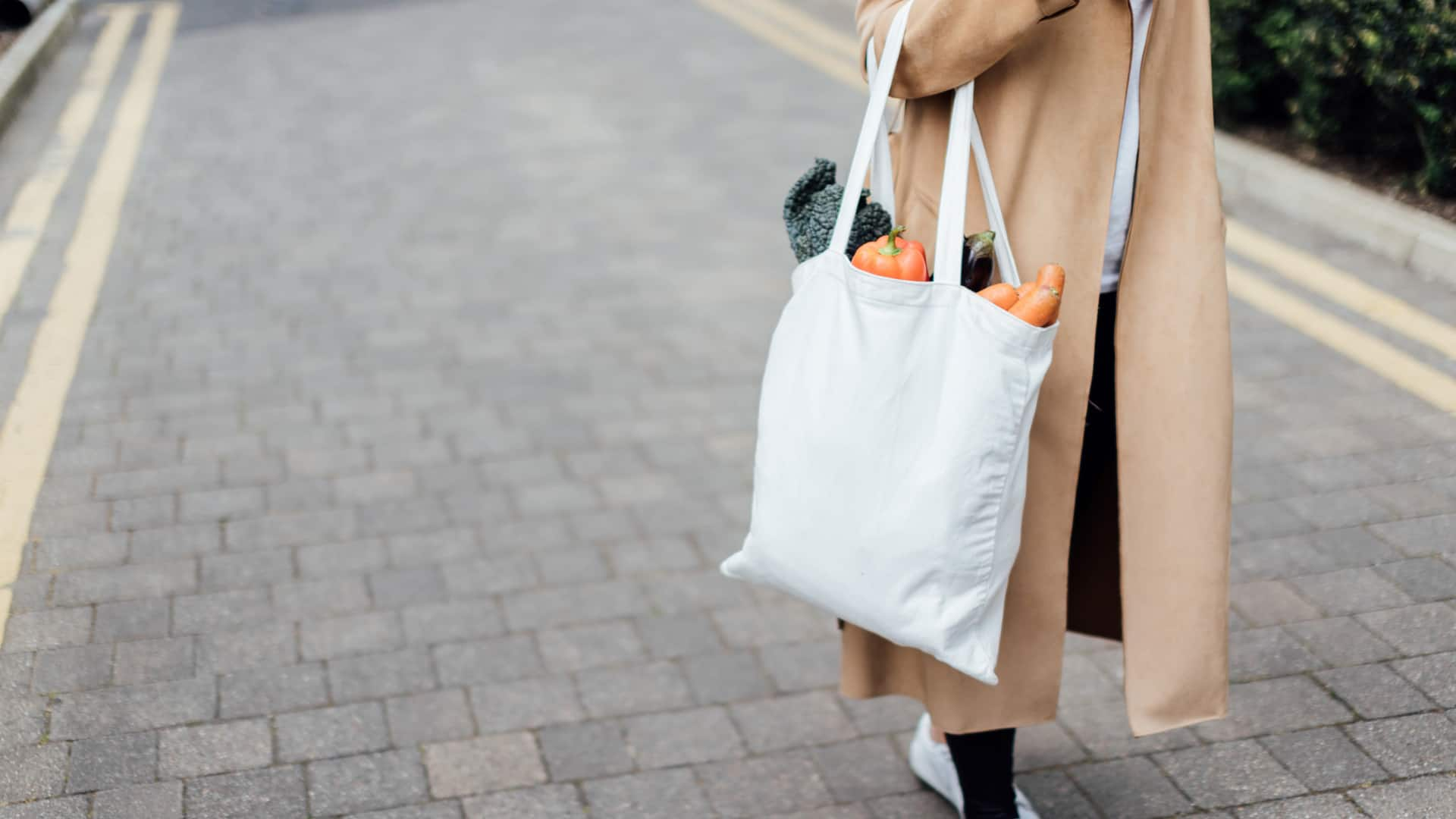
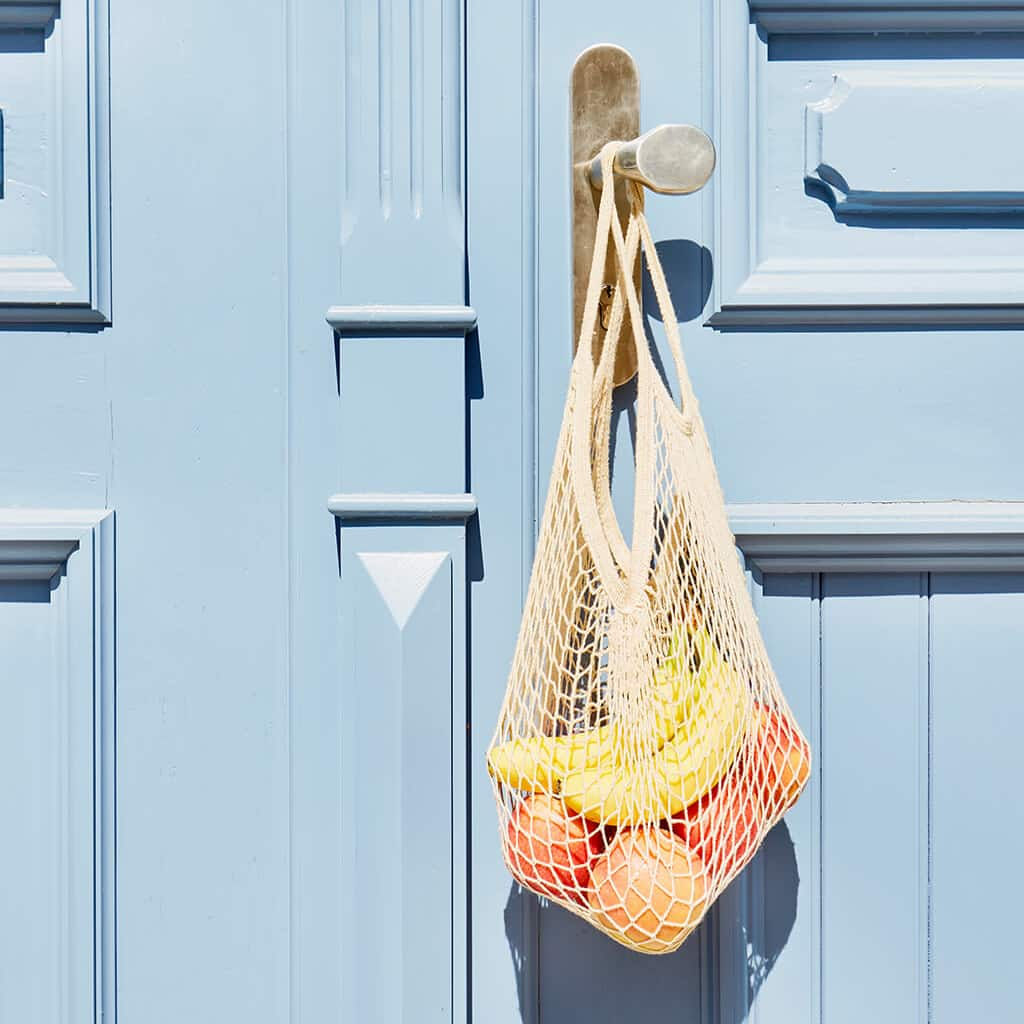
* Gebruik zo min mogelijk plastic zakjes en tassen als je boodschappen doet en neem in plaats daarvan je eigen boodschappentas, jute zak, herbruikbare groente- en fruitzakjes of vouwkrat mee.
an_ADP-VidB_Video-DIY-Jute-Bag-2_thumbnail_1920x1080.jpg

Een goed design is eenvoudig. Dat is volgens ons een belangrijk principe als het gaat om bestrijding van voedselverspilling. Wij geven daarom graag een aantal tips die iedereen, ongeacht zijn of haar situatie, eenvoudig kan toepassen.

Related articles.

Less food waste

Fresher and tastier for longer: How to store food

teaser_how-to-store-food_header.jpg

Braun Feel Good Guide

Stay fit, eat healthy. A fitter life with healthier food.

Braun Feel Good Guide
Loading