1 Good design is innovative.
The possibilities for innovation are not, by any means, exhausted. Technological development is always offering new opportunities for innovative design.
2 Good design makes a product useful.
A product is bought to be used. It has to satisfy certain criteria, not only functional, but also psychological and aesthetic. Good design emphasises the usefulness of a product whilst disregarding anything that could possibly detract from it.
3 Good design is aesthetic.
The aesthetic quality of a product is integral to its usefulness because products we use every day affect our person and our well-being. But only well-executed objects can be beautiful.
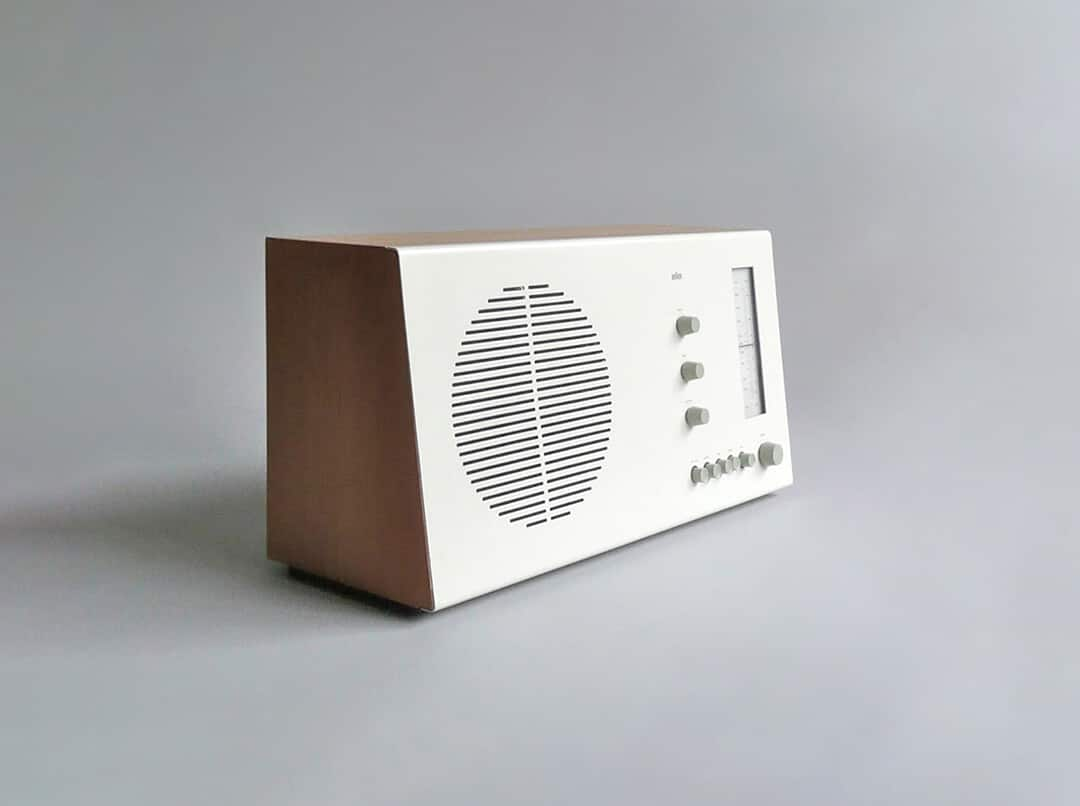
4 Good design makes a product understandable.
It clarifies the product’s structure. Better still, it can make the product talk. At best, it is self-explanatory.
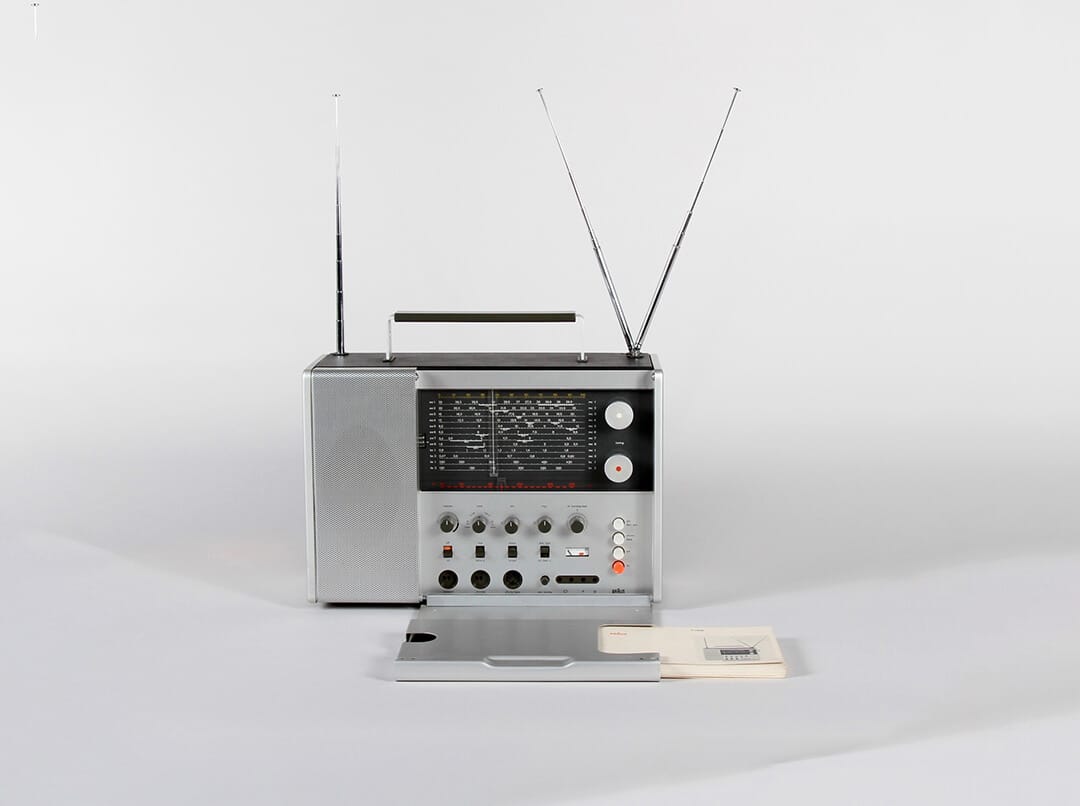
5 Good design is unobtrusive.
Products fulfilling a purpose are like tools. They are neither decorative objects nor works of art. Their design should therefore be both neutral and restrained, to leave room for the user’s self-expression.
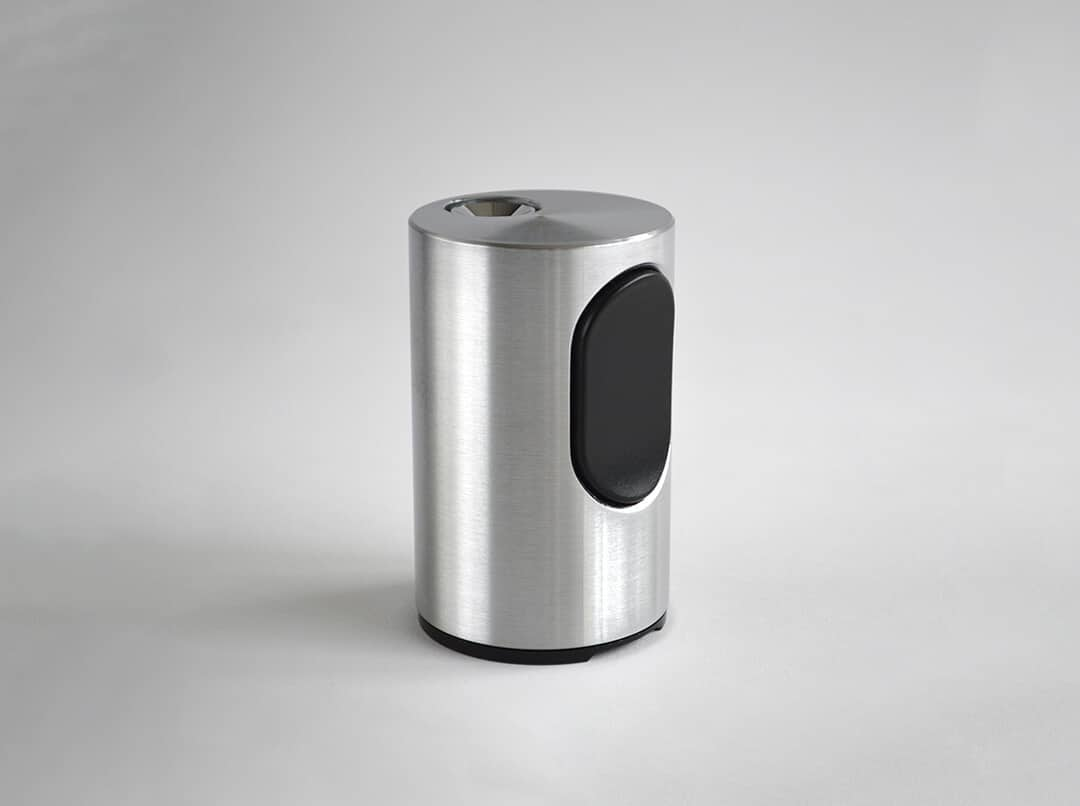
6 Good design is honest.
It does not make a product more innovative, powerful or valuable than it really is. It does not attempt to manipulate the consumer with promises that cannot be kept.
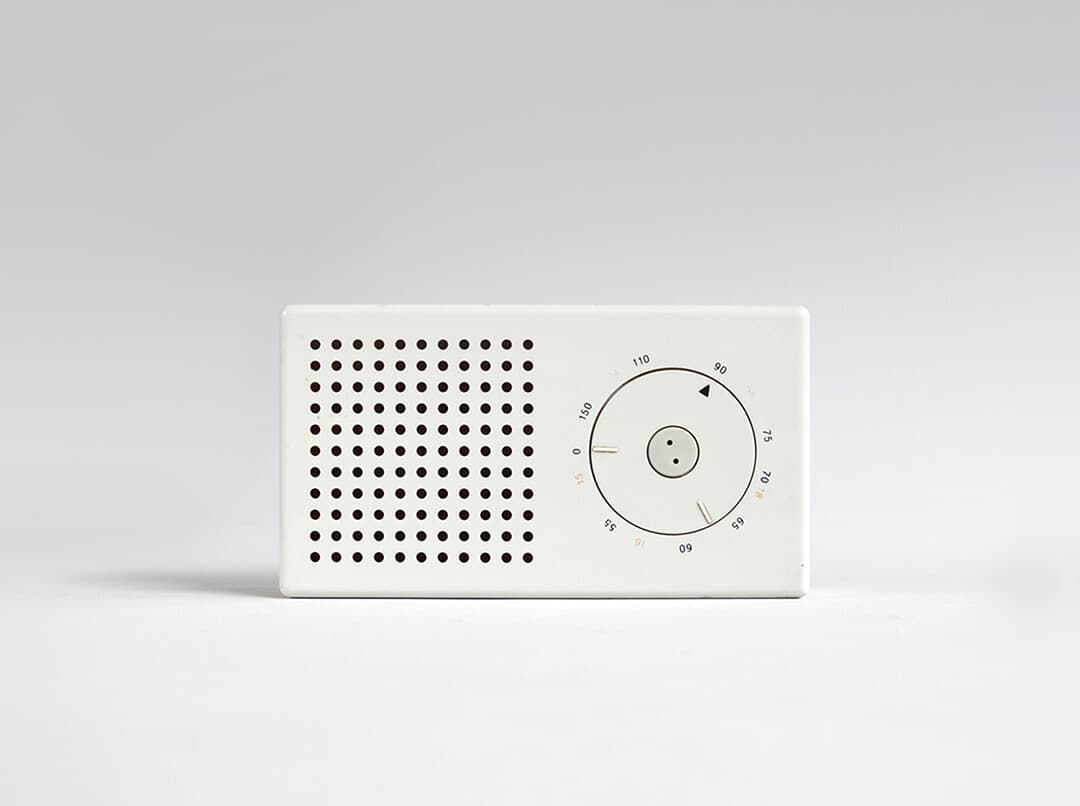
7 Good design is long-lasting.
It avoids being fashionable and therefore never appears antiquated. Unlike fashionable design, it lasts many years - even in today’s throwaway society.
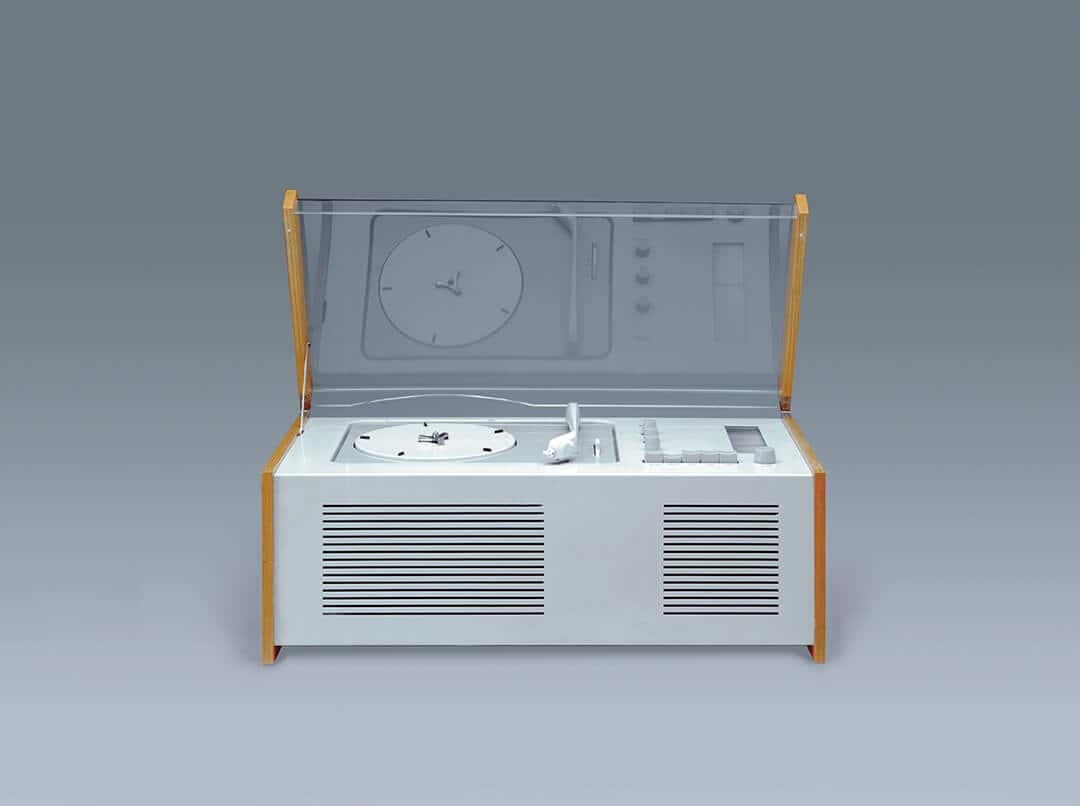
8 Good design is thorough to the last detail.
Nothing must be arbitrary or left to chance. Care and accuracy in the design process show respect towards the consumer.
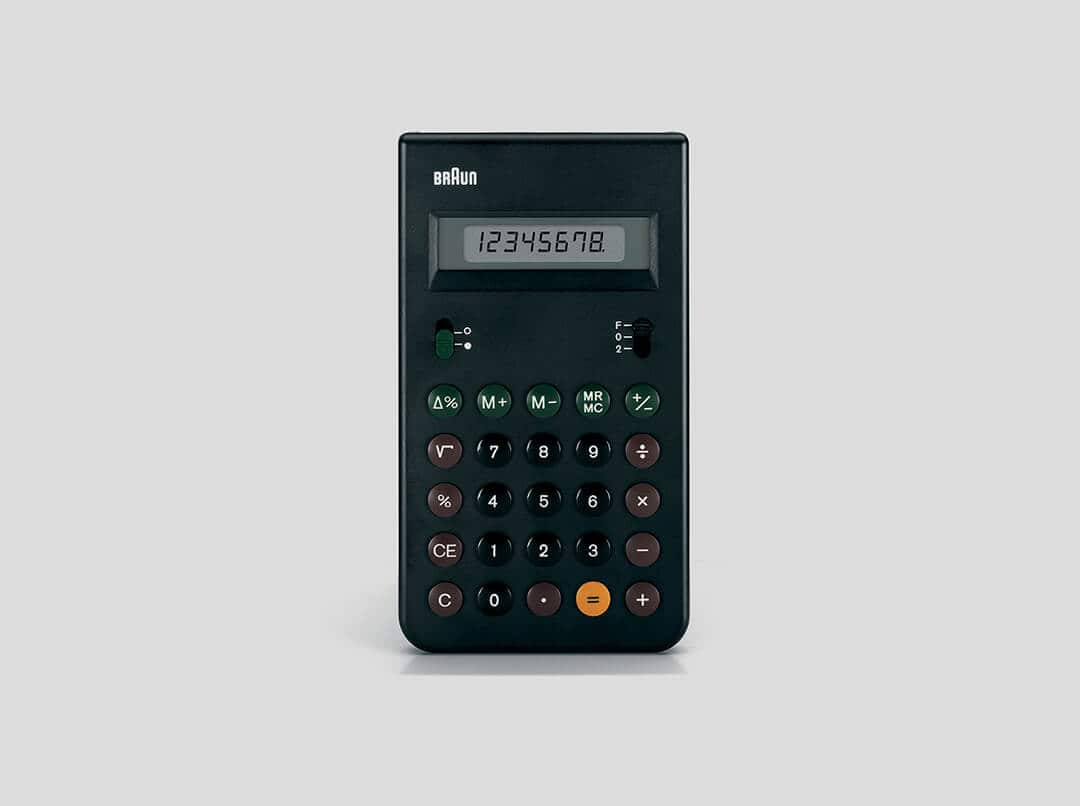
9 Good design is environmentally friendly.
Design makes an important contribution to the preservation of the environment. It conserves resources and minimises physical and visual pollution throughout the lifecycle of the product.
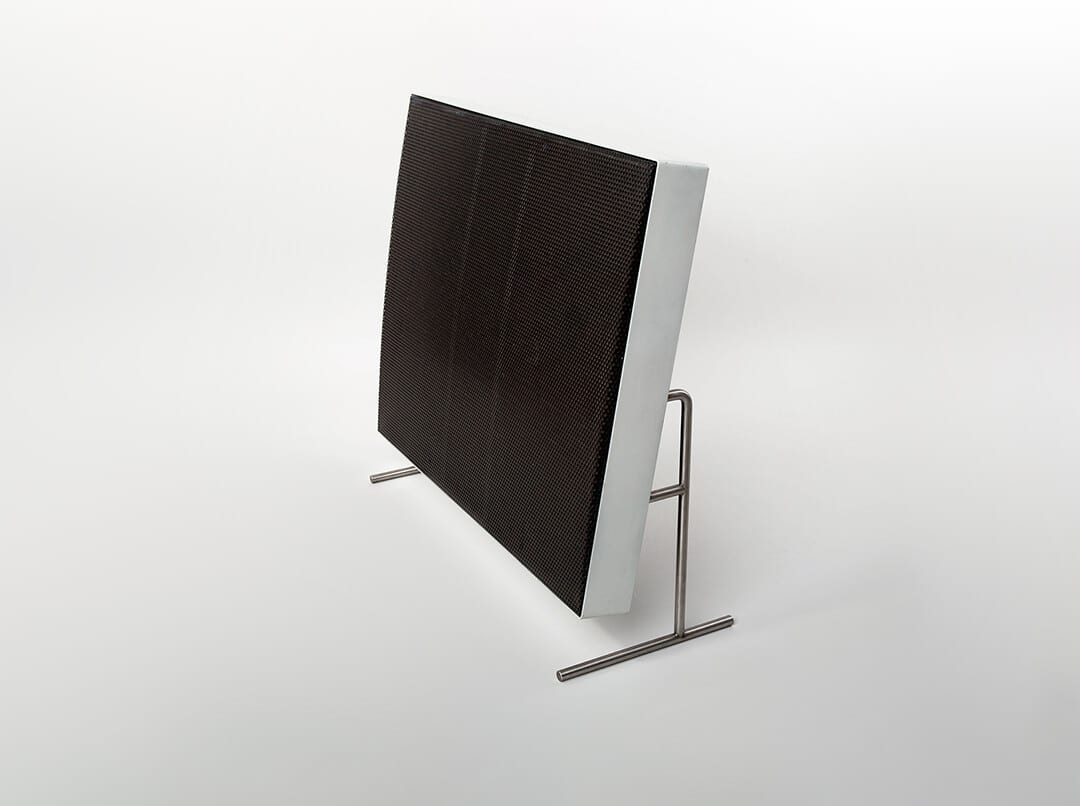
10 Good design is as little design as possible.
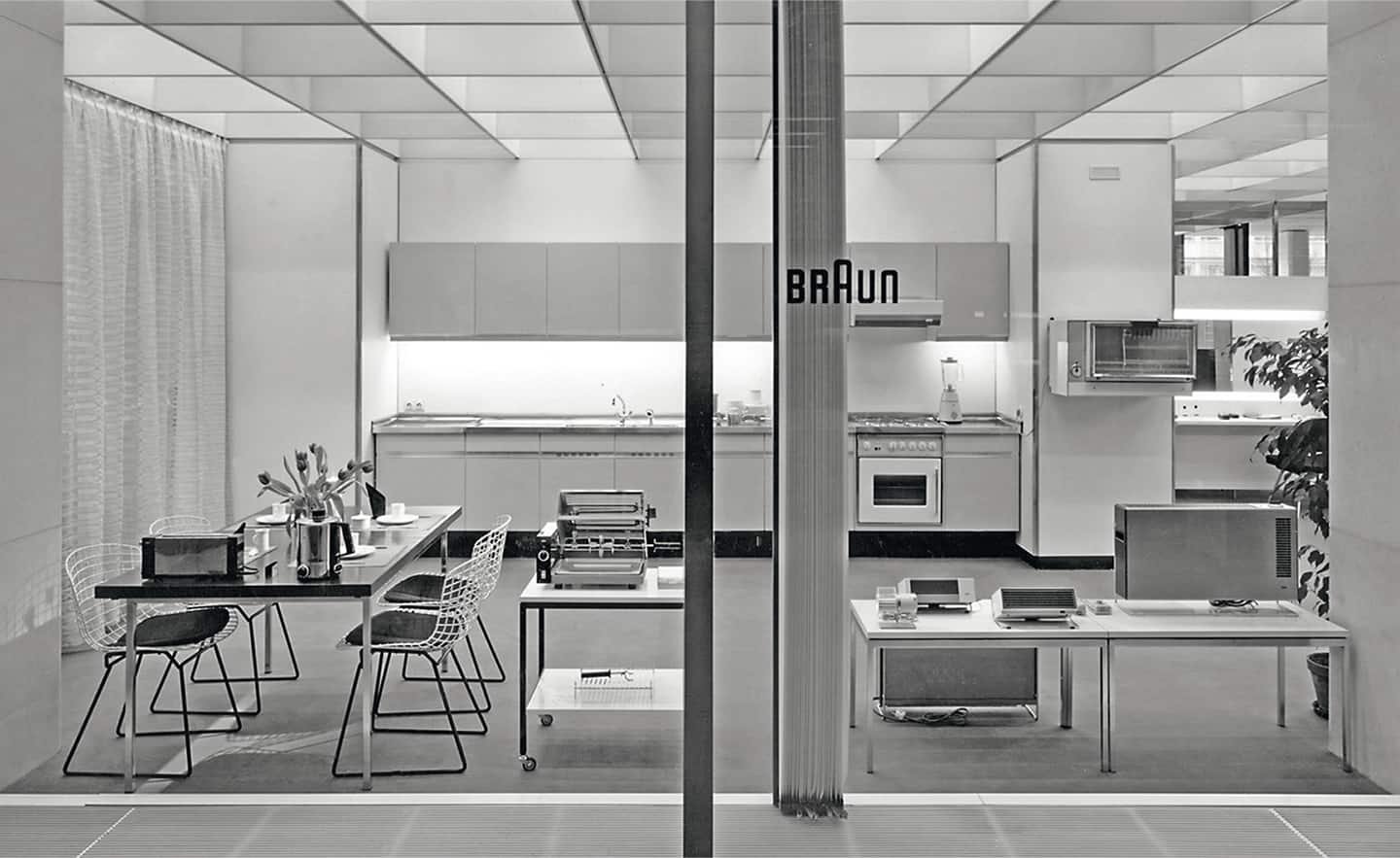
Less, but better - because it concentrates on the essential aspects, and the products are not burdened with nonessentials. Back to purity, back to simplicity.
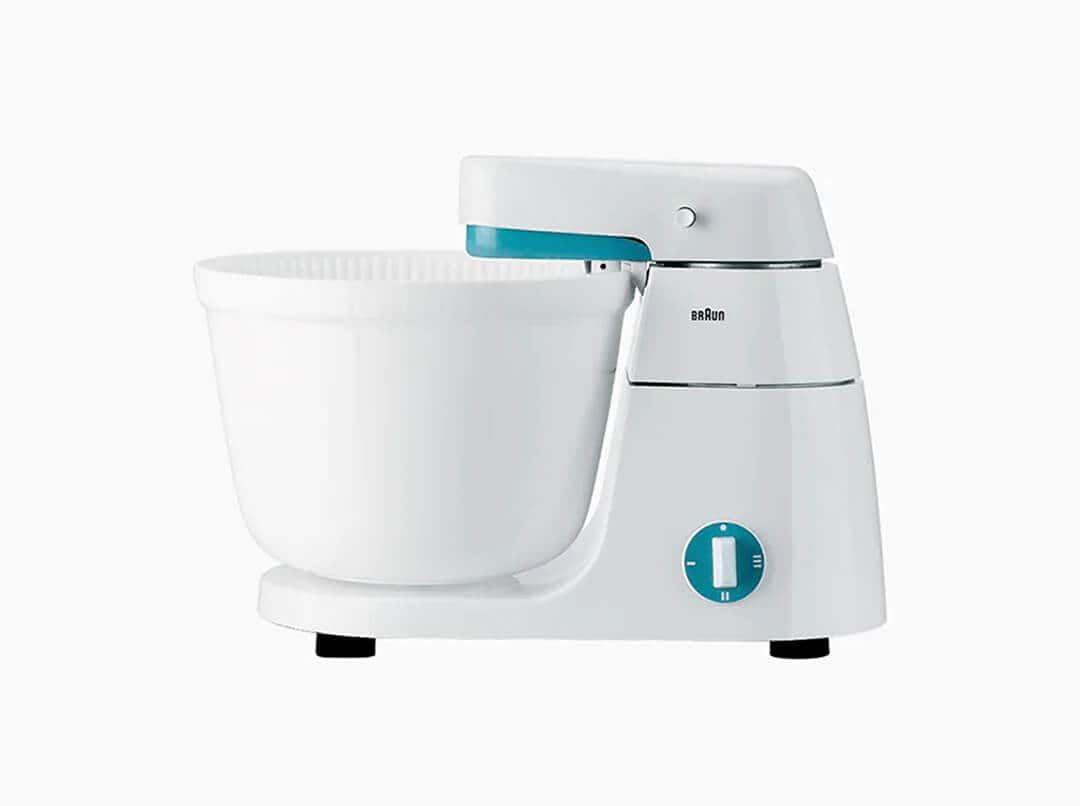
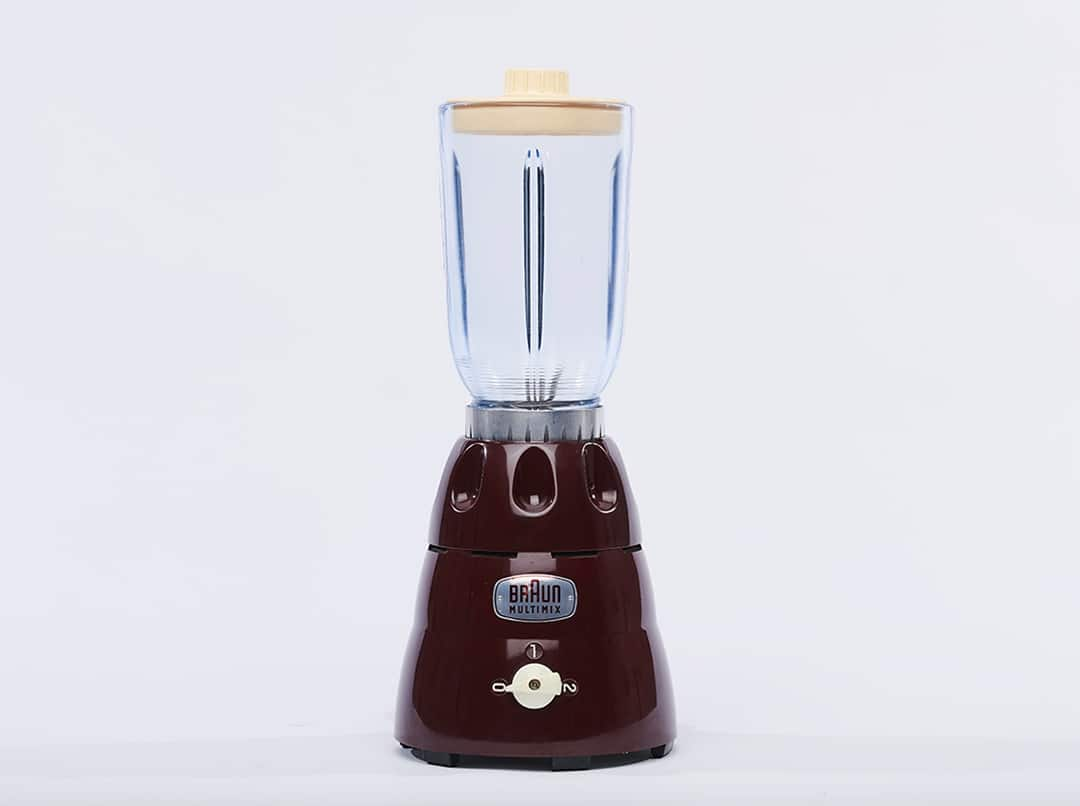
1953 | Brauns fabrik
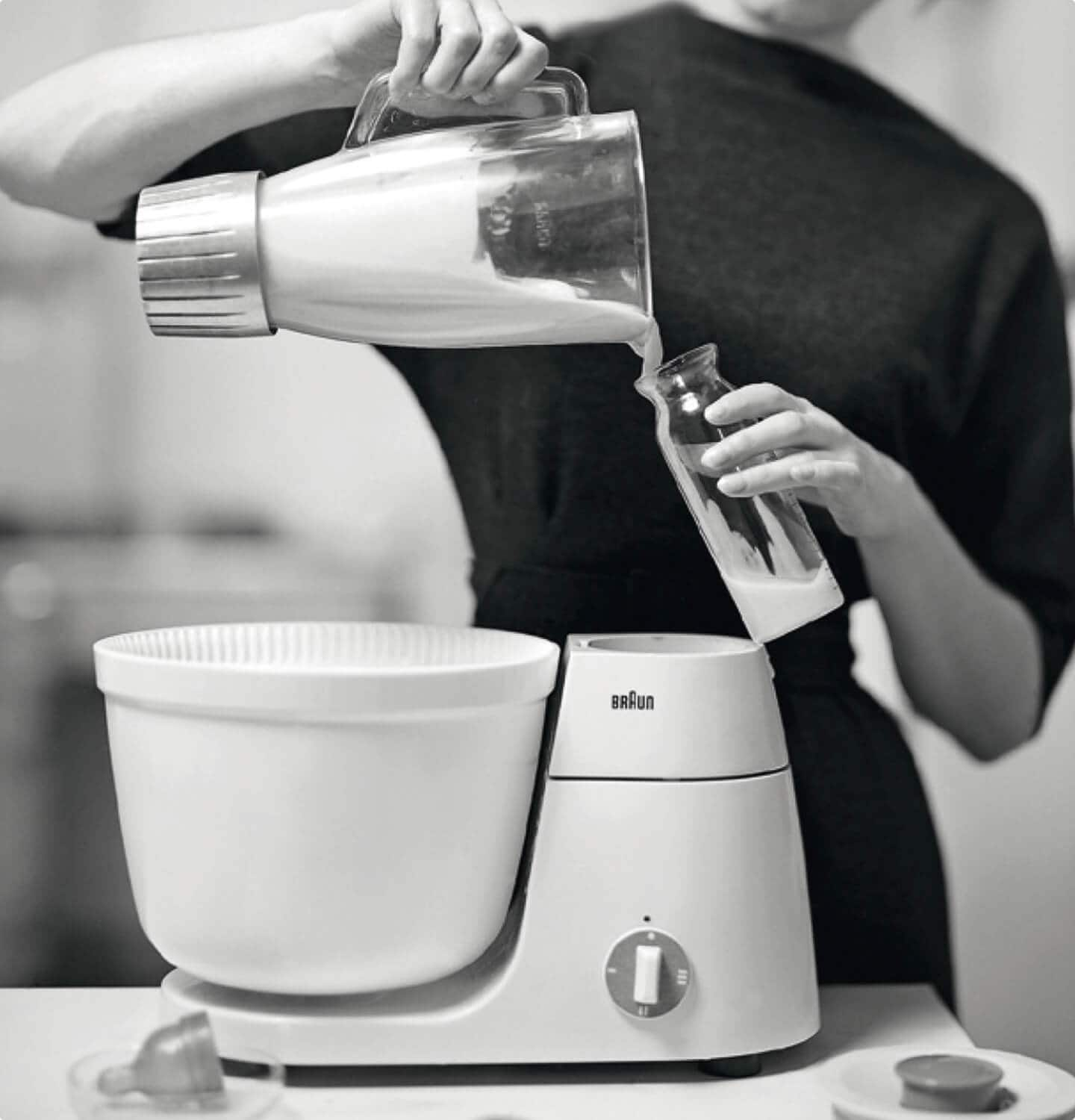
Brauns mixer Multimix
'På 50-talet skapades milkshaken som en västerländsk basvara, som delvis möjliggjordes av Multimix, den toppmoderna mixern med en löstagbar glasbehållare. Den skär ingredienser med industriell effektivitet. Fortfarande vanligt använd i köken.
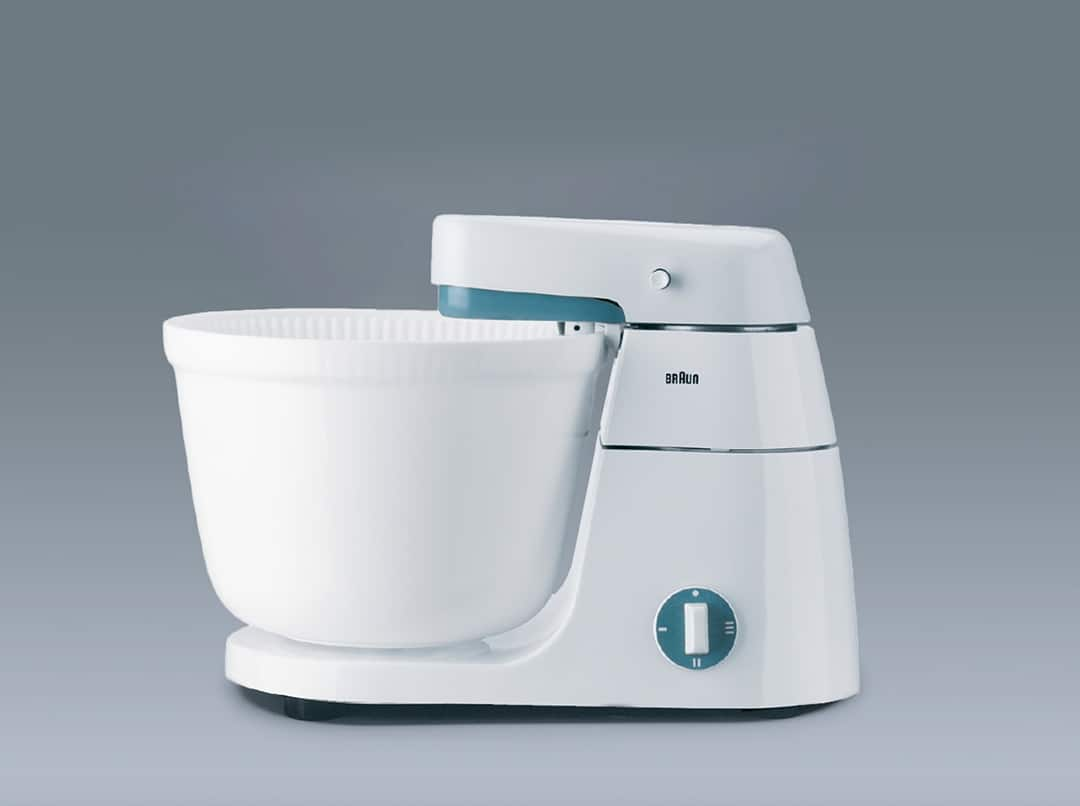
1957 | Gerd Alfred Müller
KM3/31
A hugely influential blender or “food processor” as it was known that birthed a whole new product category: “kitchen machines” or appliances. With its hyper-reduced, simple and useful design one of the most influential industrial products of all time.
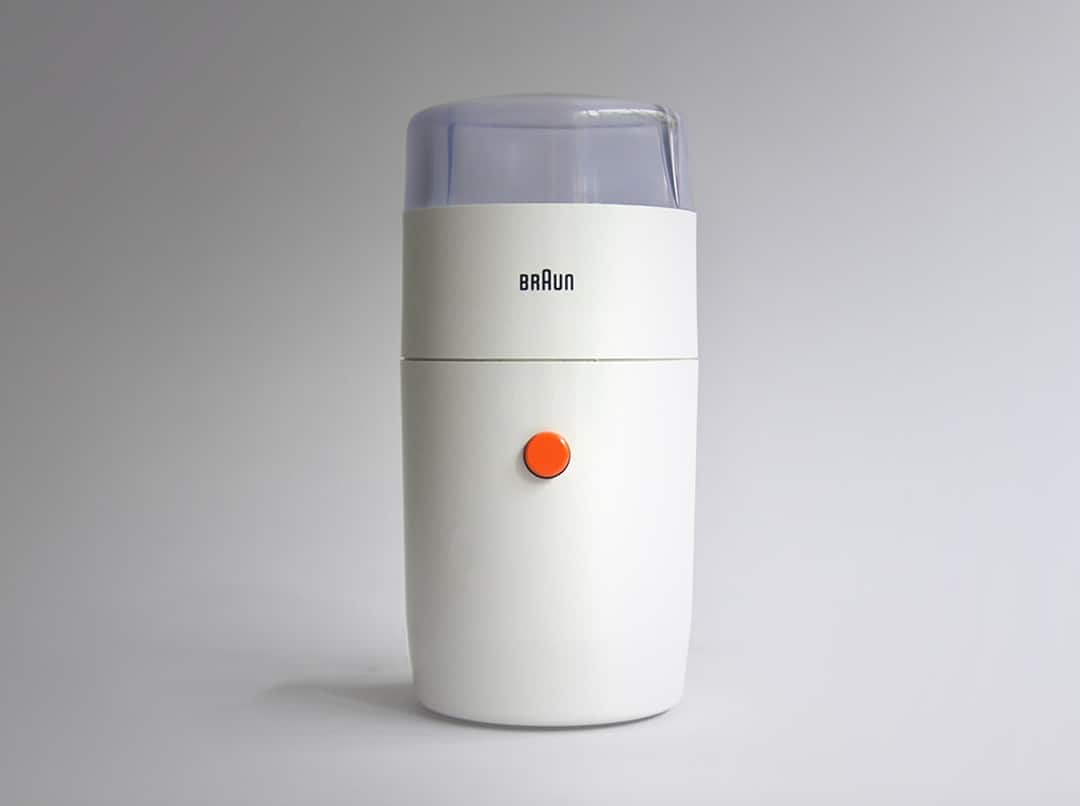
1963 | Reinhold Weiss
KSM 1/11
Design doesn’t get much more minimalistic than this: a coffee grinder so purpose-built it needed just one, centrally placed button to operate. Finely ground beans were just a finger click away.
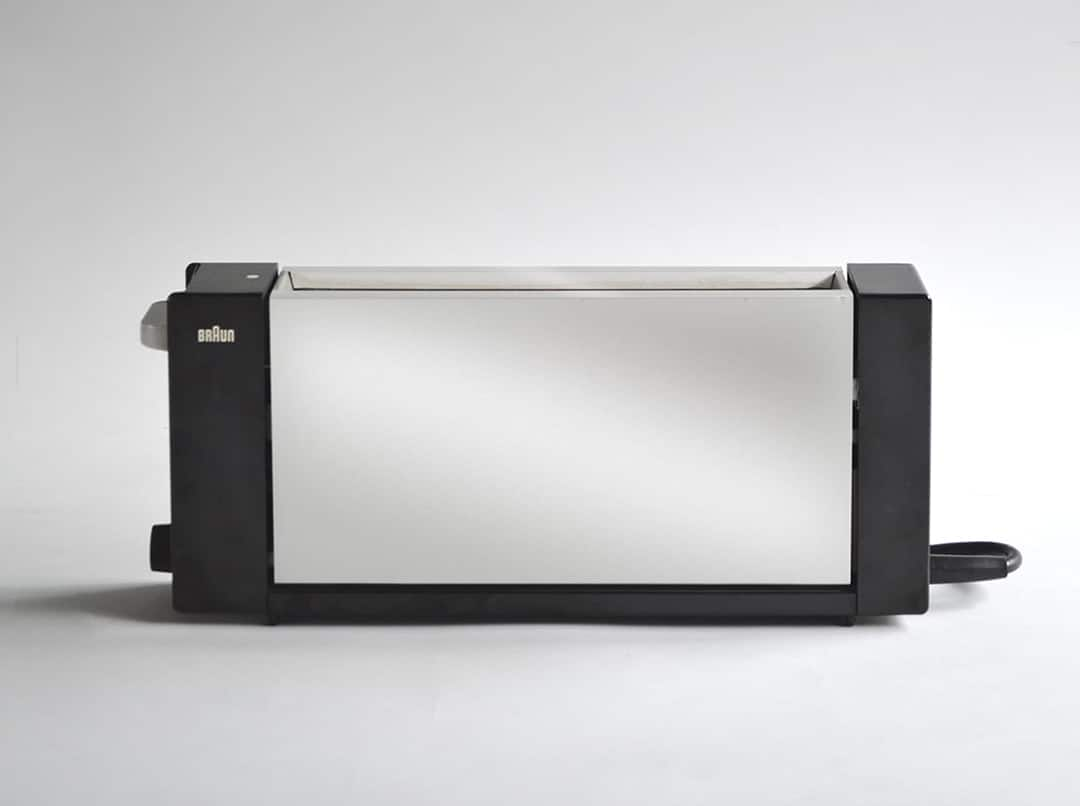
1963 | Reinhold Weiss
HT 2
Tento elegantní, minimalizovaný design natolik inspiroval renomovaného umělce Richarda Hamiltona, že podle něj vytvořil jedno ze svých děl (příhodně nazvané „Toaster“). A mimochodem, tento toustovač také uměl připravit dokonale opečené tousty.
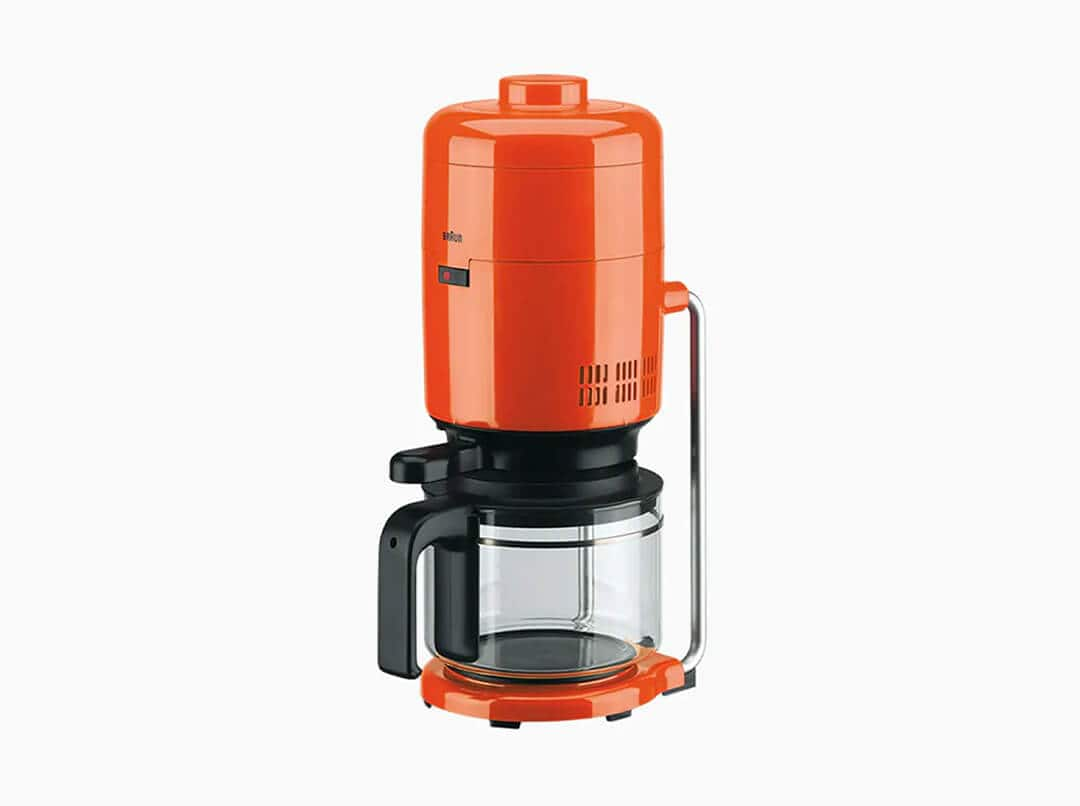
1972 | Florian Seiffert
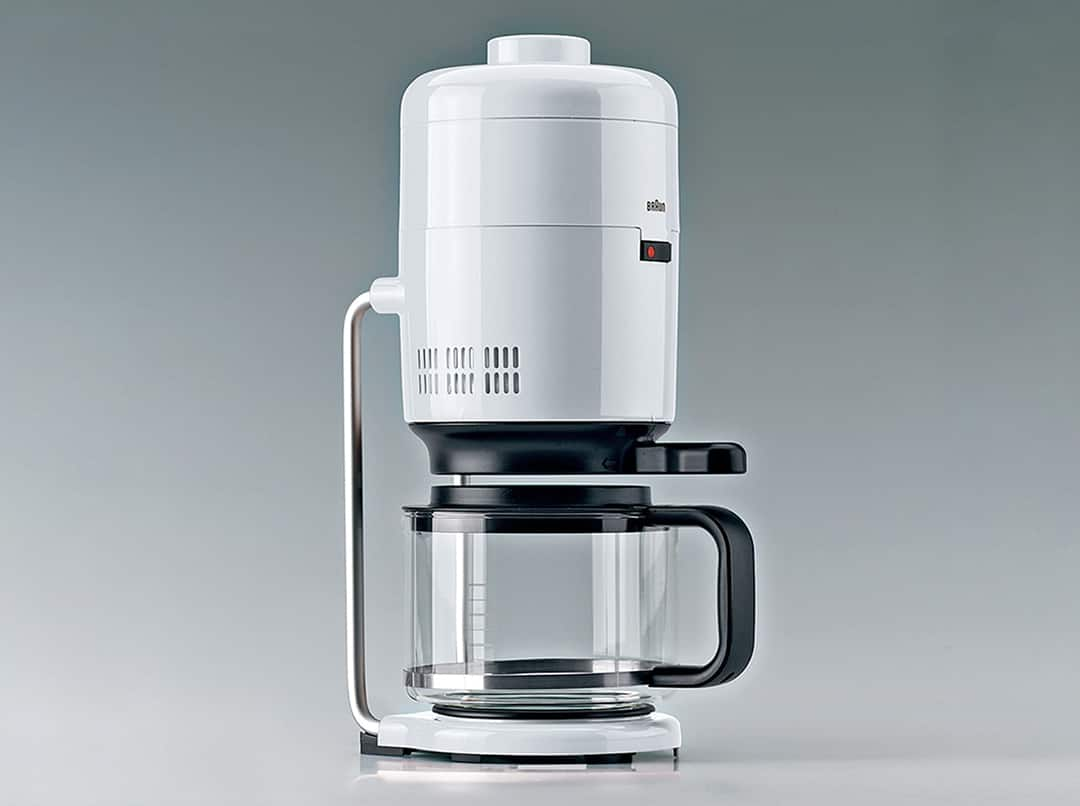
KF 20
Díky vertikálnímu designu, který připomínal vodojem, se KF 20 přezdívalo Aromaster. Tento kávovar, proslulý svým neobvyklým tvarem, dodal běžné ranní filtrované kávě punc jedinečnosti.
1972 | Jürgen Greubel, Dieter Rams
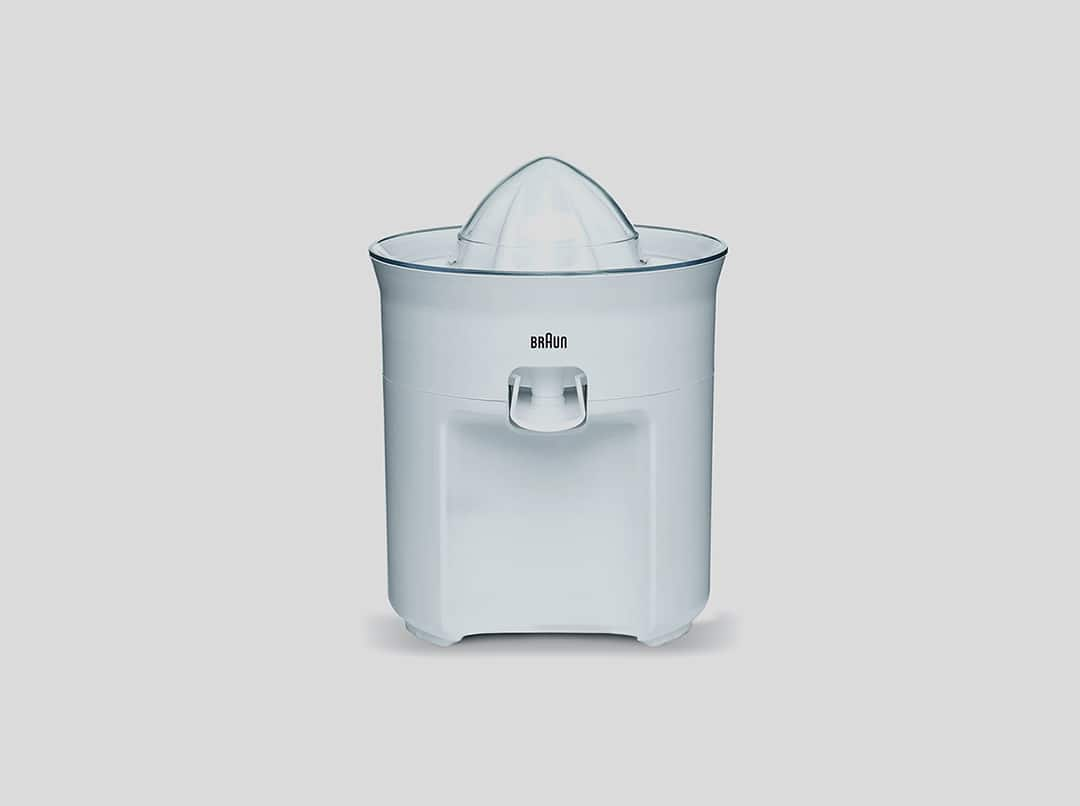
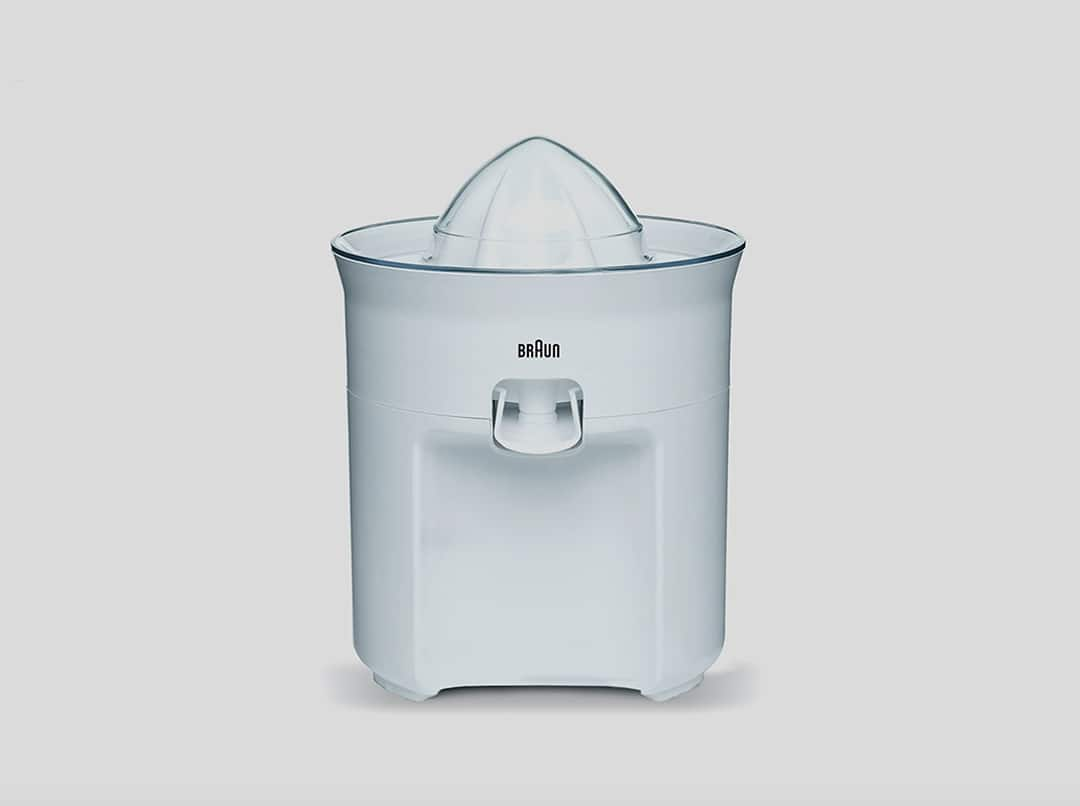
MPZ 22
Tento elektrický odšťavňovač, známý také jako citromatic, se stal na dlouhá desetiletí spolehlivým a neuvěřitelně snadno udržovatelným pomocníkem v kuchyních po celém světě. Trvalo přes 20 let, než se firma Braun rozhodla jeho design zmodernizovat.
1981 | Ludwig Littmann
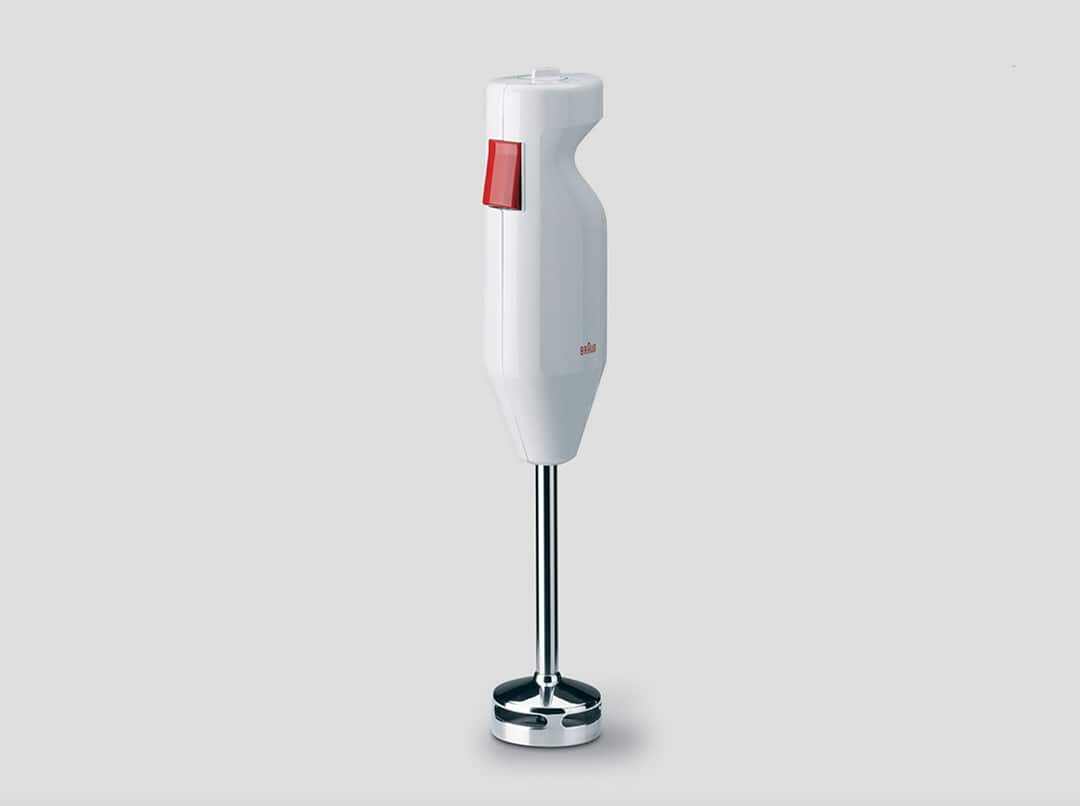
MR 6
MR 6, předchůdce sofistikovanějšího modelu MR 500, byl robustní a odolný, což znamená, že dokázal rozmixovat i takové potraviny, s nimiž si jiné produkty nedokázaly poradit. Jednalo se o významný odrazový můstek na cestě ke zdokonalení tyčového mixéru.
1984 | Hartwig Kahlcke
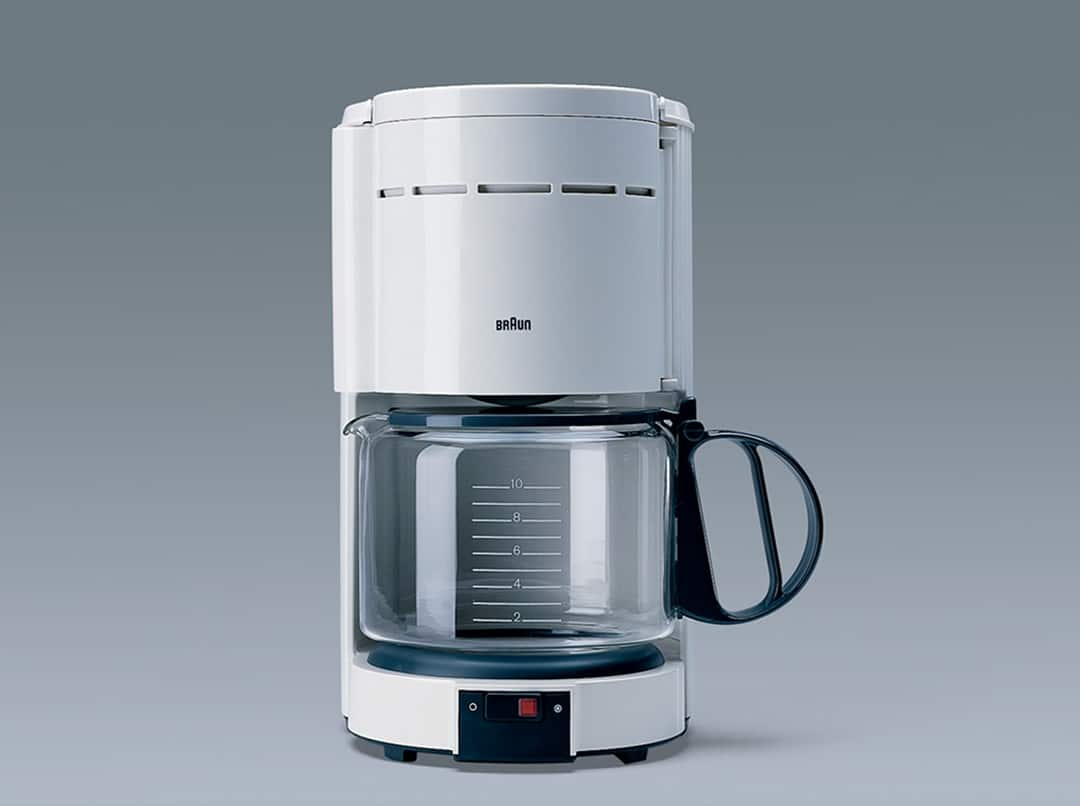
KF 40
Tento kávovar byl pro značku Braun poněkud kontroverzní, protože byl vyrobený z cenově dostupného polypropylenu namísto pevnějšího polykarbonátu, který je pro Braun typický. Vlnitý povrch KF 40 tak přináší designové řešení, které nadchlo Dietera Ramse.
2016 | Markus Orthey, Ludwig Littmann
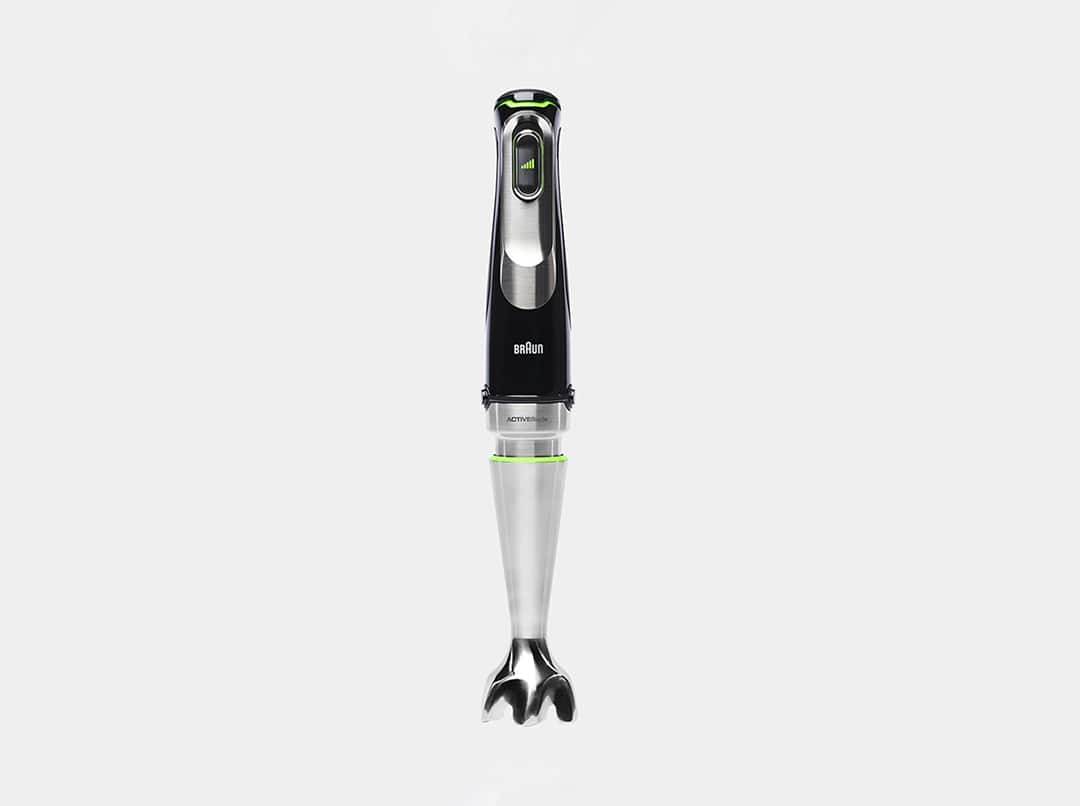
MultiQuick 9
Univerzální mixér potravin, který spojil funkce mnohonásobně větších přístrojů do prosté ruční „tyčky“. Definice minimalizovaného designu: kompaktní, a přesto výkonný.