en-NavCard-hand-blender-1080x720 (1).jpg

博朗料理棒系列

丰富配件,更多功能

了解更多
en-navnod-braun-food-preparation-1080x720.jpg

en-navnod-breakfast-1080x720.jpg

用你喜欢的方式,开启新的一天

了解更多
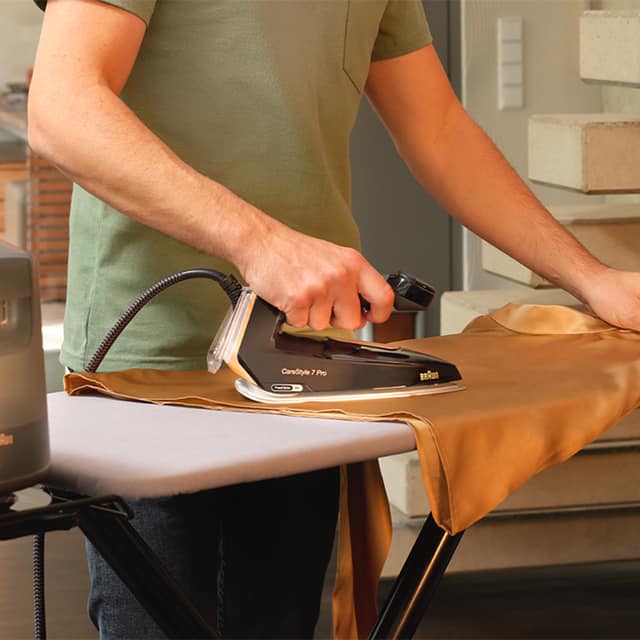
en-navnod-ironing-1080x720.jpg

熨斗系列

节省50%的时间,留给更重要的事情

了解更多

Different fabrics, Different needs

Everybody needs love. So do your clothes.

Everybody needs love. So do your clothes.
打印

Keeping our clothes in pristine condition not only helps us feel confident but also extends the life of our garments. However, with the wide variety of fabrics available, it can be overwhelming to keep track of how to properly care for each one. The clothes we wear every day, from cotton shirts to denim jeans, need special care to keep them looking their best. Feeling overwhelmed? Don’t worry – We’ve got special tips for you! By embracing sustainable garment care practices, we can not only contribute to a more conscious lifestyle but also make the most of our clothing investments. 

Different fabrics, different needs

Understanding the unique characteristics of different fabrics is essential when it comes to caring for our clothes sustainably. Here are some common types.

Delicate fabrics

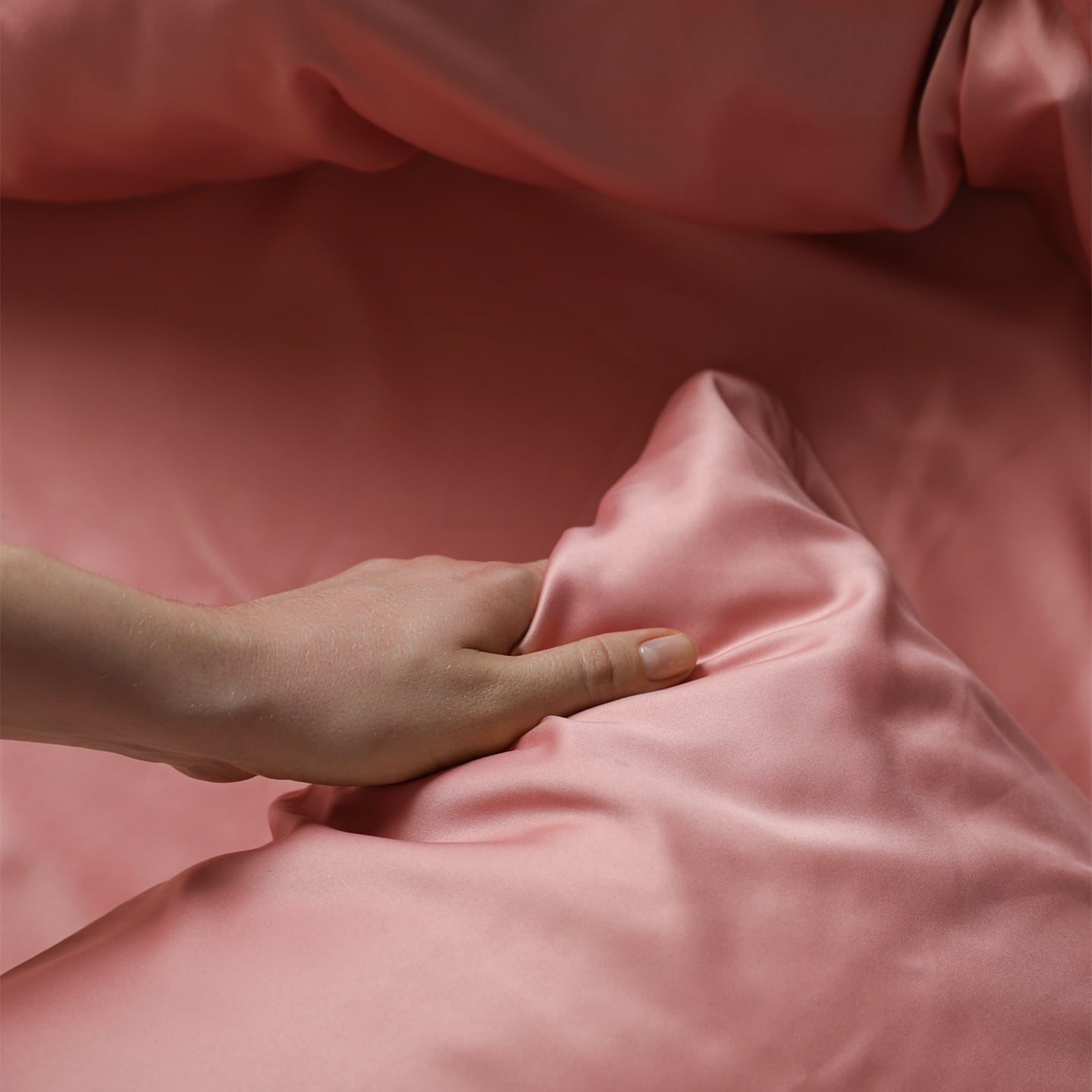
Delicate fabrics such as silk, chiffon, and lace require gentle treatment. Use cool water, mild detergents, and avoid excessive wringing. Our Braun irons with iCare and Eco Mode assist you always choose the right temperature for each fabric.
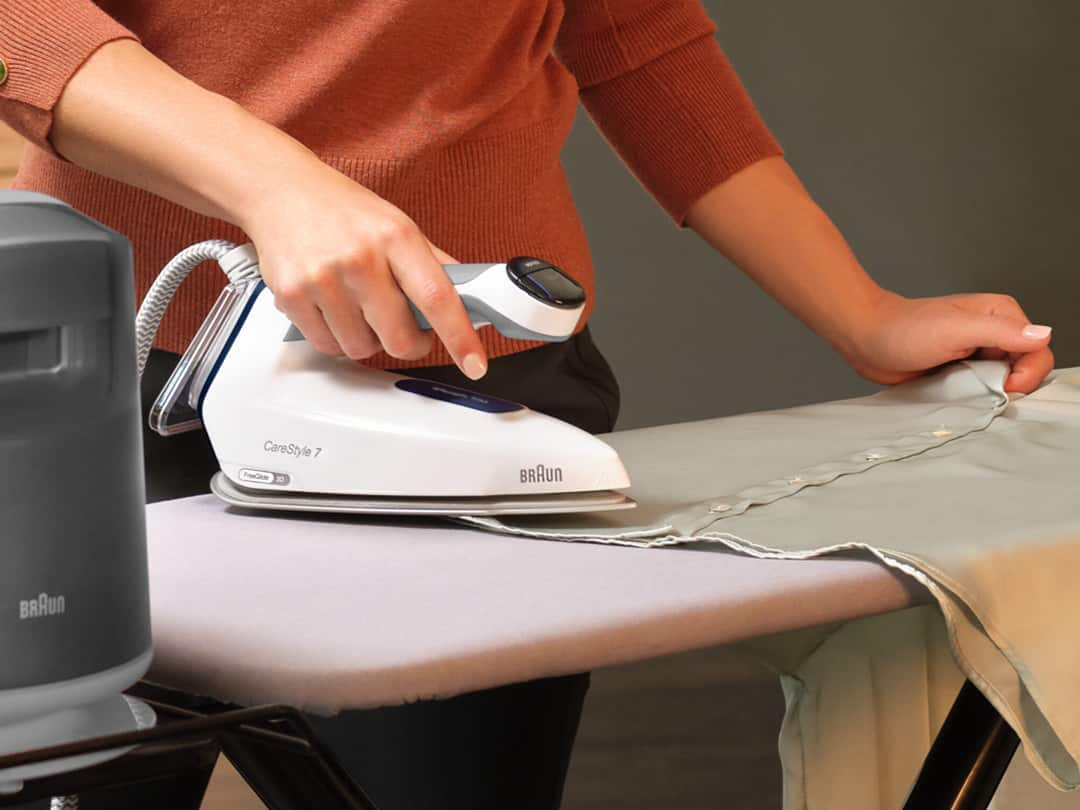
Delicate fabrics

Natural fabrics

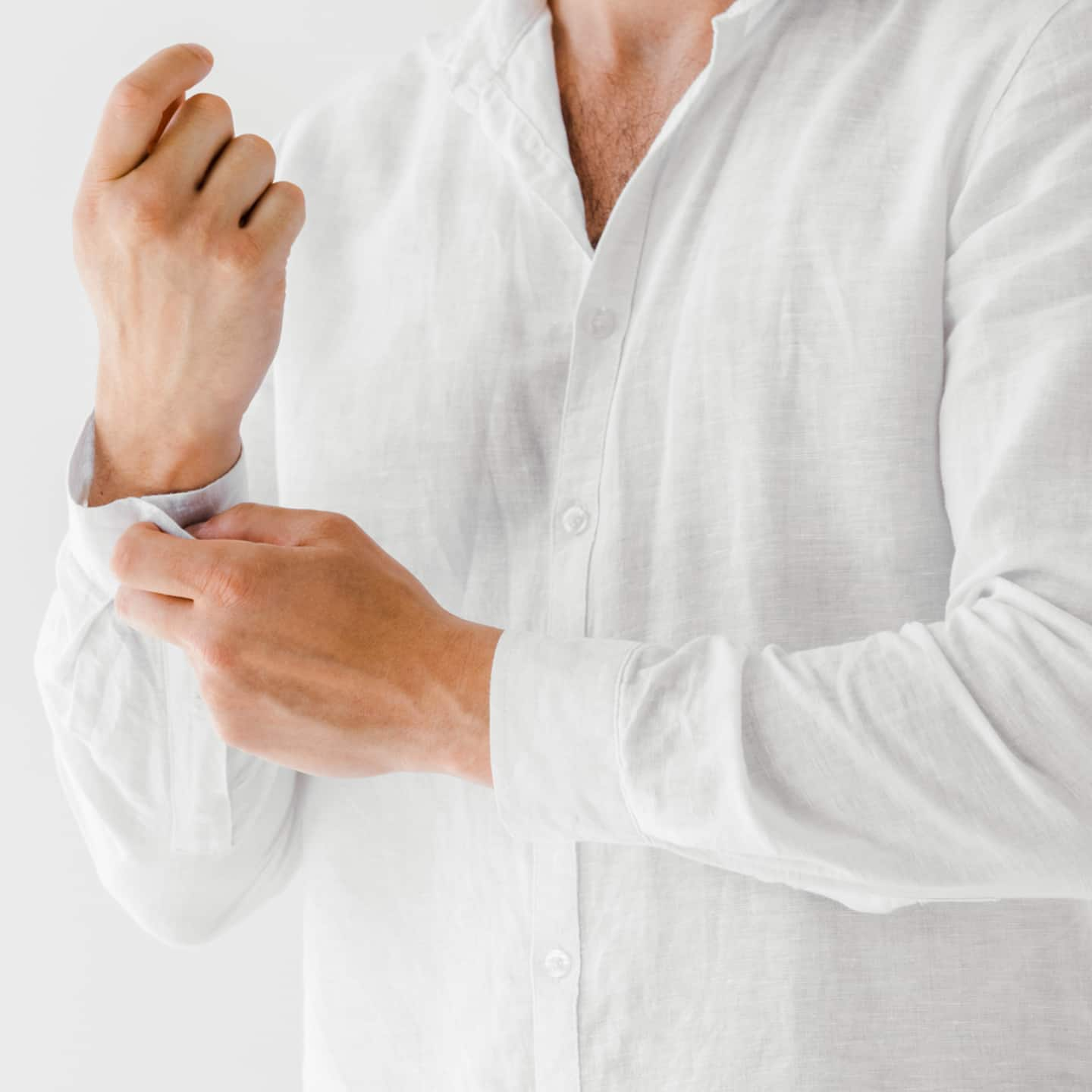
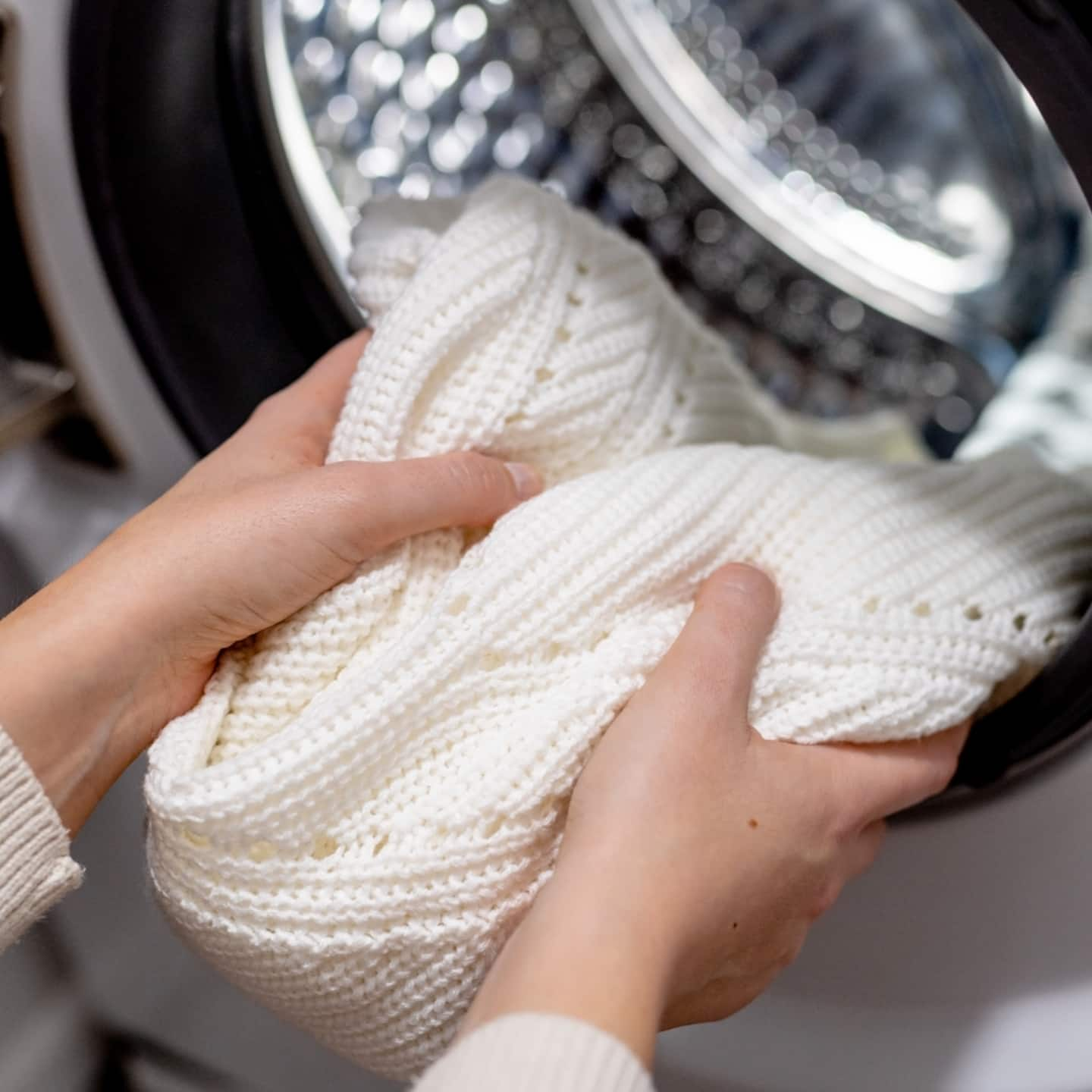
Fabrics like cotton, linen, and wool are natural and biodegradable. To care for them sustainably, opt for eco-friendly laundry detergents and choose lower temperature wash cycles whenever possible.
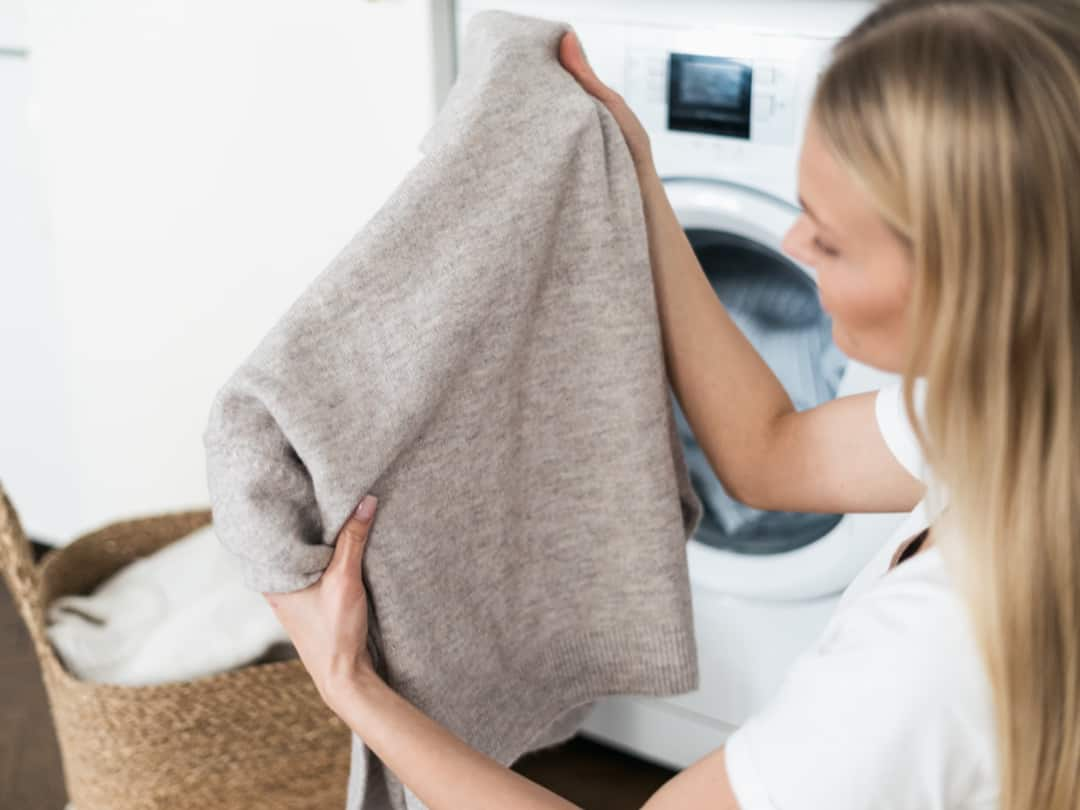
Natural fabrics

Synthetic fabrics

Polyester, nylon and spandex are examples of commonly used synthetic fabrics and are extremely versatile. The most important thing to remember with them is not to use too much heat, as they can melt more easily compared to natural textiles.
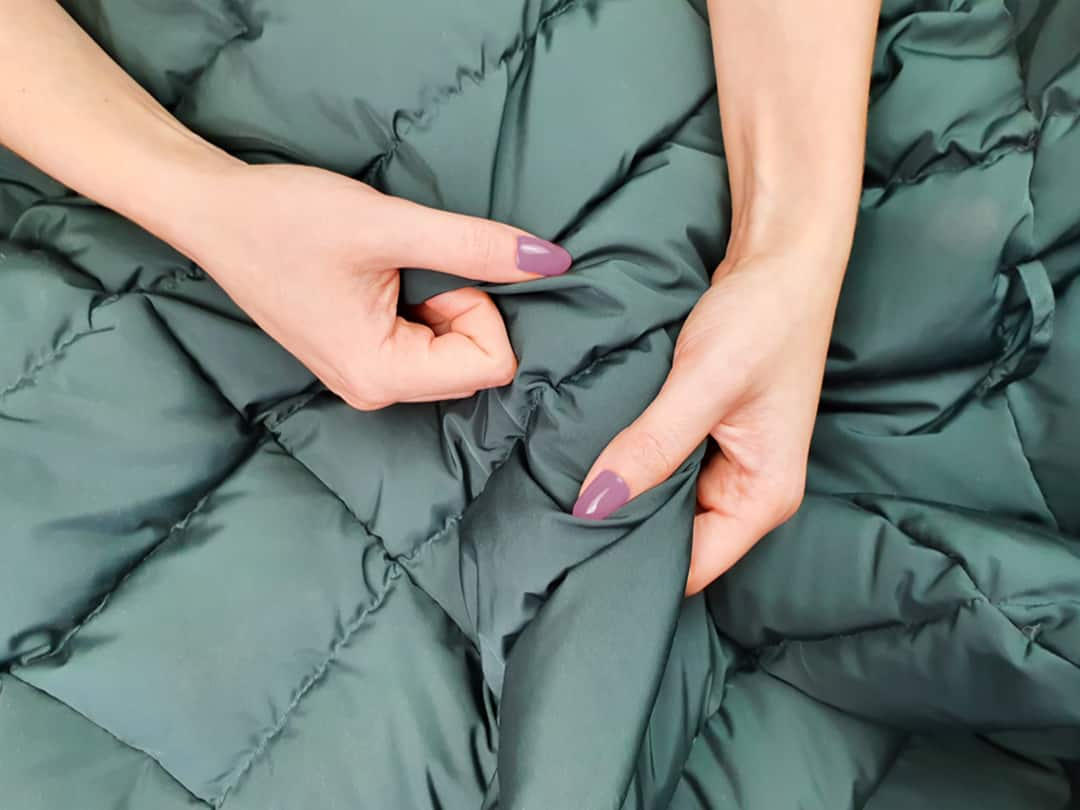
Synthetic fabrics

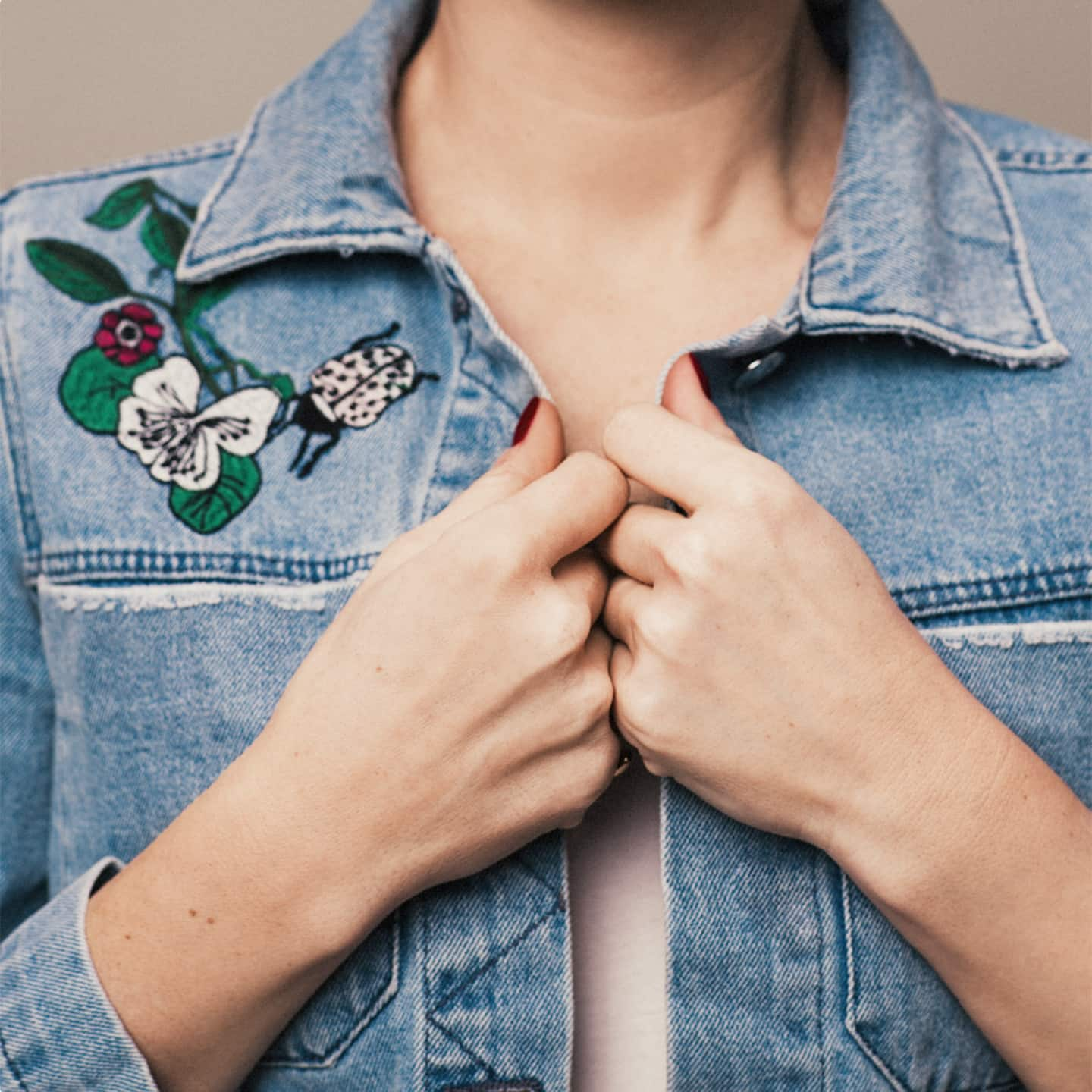
Not sure? Check the label.

First and foremost, it's important to know what you're working with. Check the label to see what type of fabric it is if you are unsure. For a cheat sheet we have explained all washing and drying symbols here.
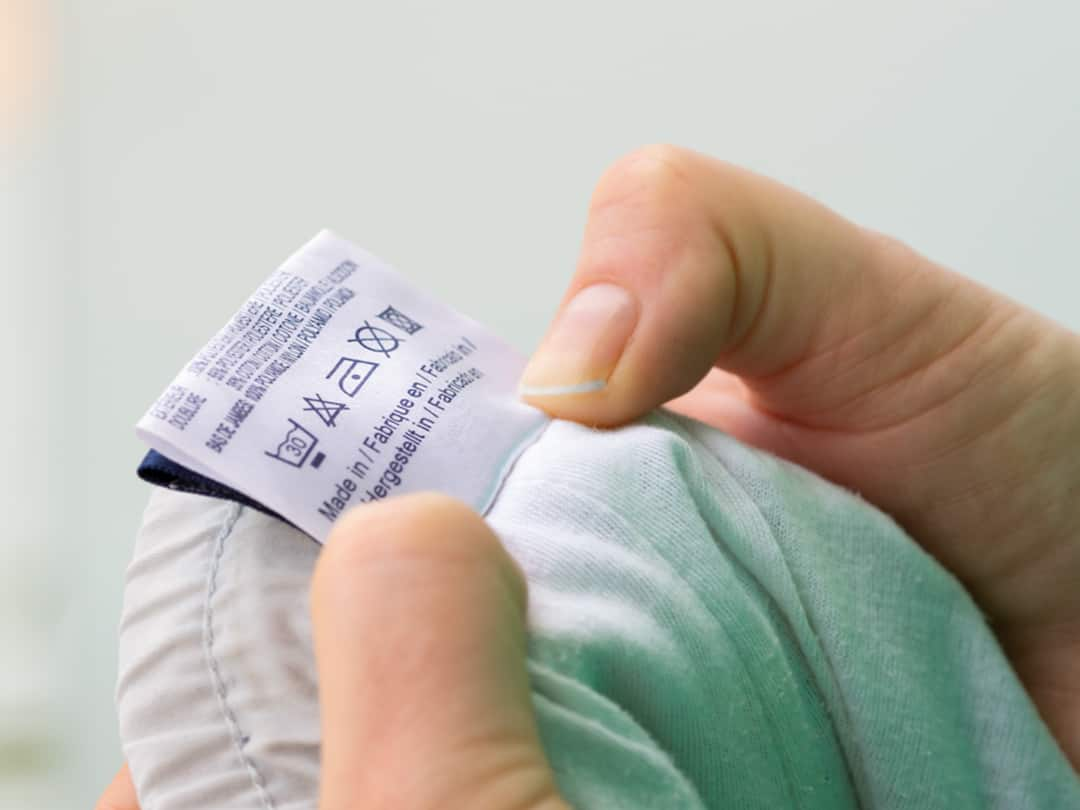
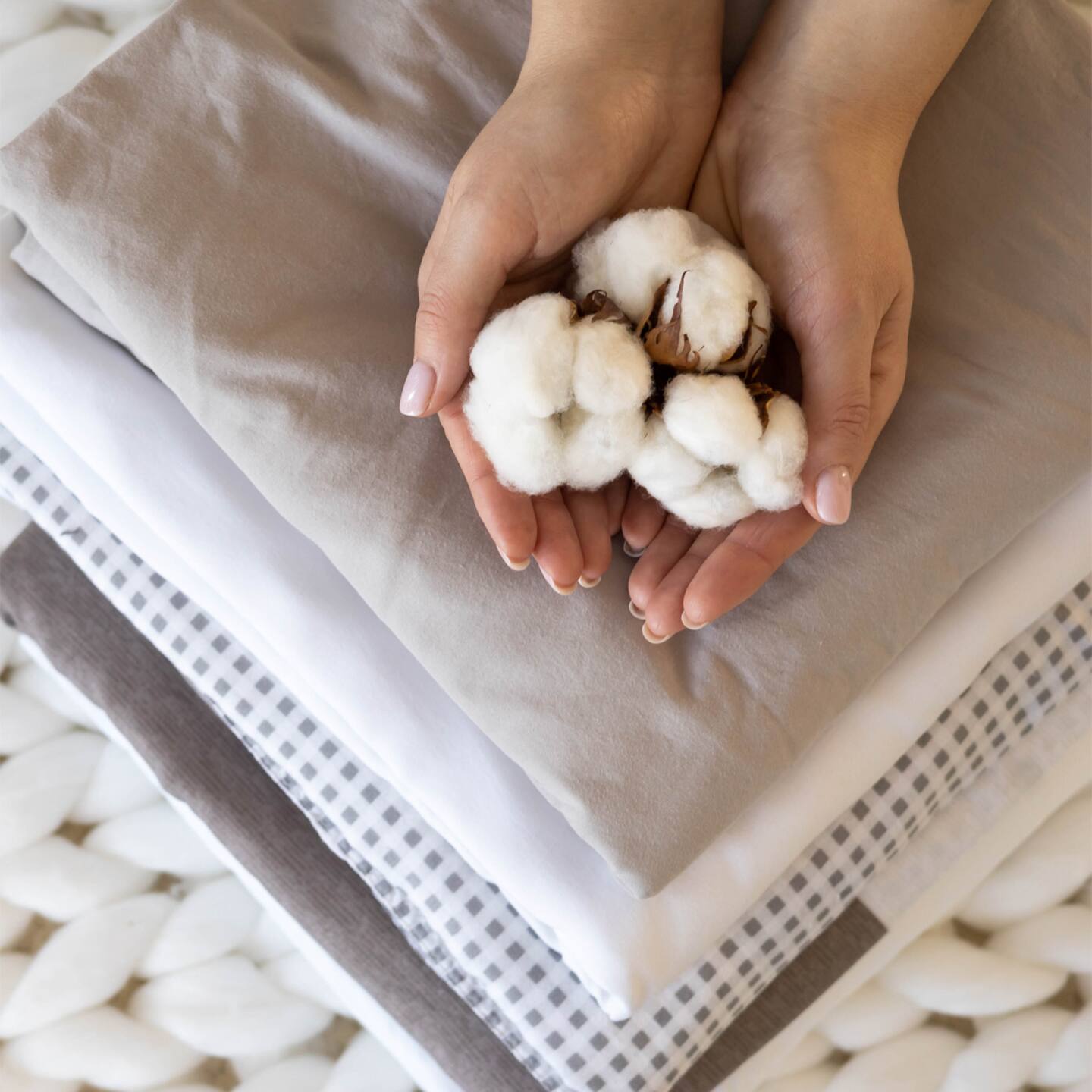
Not sure? Check the label.

How to wash and iron different fabrics.

Cotton

Cotton

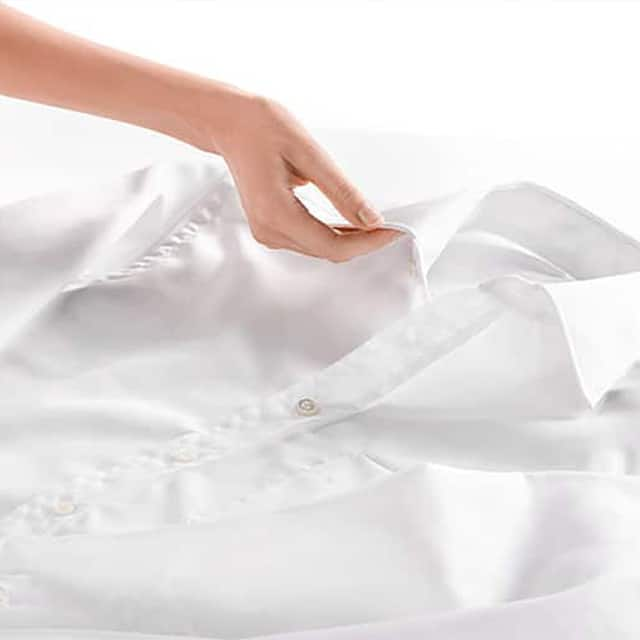
Probably the world's most popular textile and a natural fibre. To care for cotton fabrics, remember the following: when washing, use colder temperatures to prevent shrinkage and save energy at the same time.  Separate by colour so you don't get stains. When ironing, use a medium temperature to avoid scorching the fabric. But for tougher creases, our turbo steam can help.
Silk

Mătase

Îngrijirea țesăturilor de mătase necesită o atenție sporită. Cel mai sigur mod de a curăța mătasea este să o speli manual în apă rece. Pentru a elimina excesul de apă, înfășoară ușor articolul într-un prosop curat, în loc să îl storci. Atunci când calci mătasea, optează pentru modul nostru inteligent iCare sau eco, ce asigură temperatura perfectă.
Linen

In

Inul este o țesătură ușor de întreținut. Pentru a spăla țesătura la mașină, folosește apă rece și un ciclu delicat. Evită să folosești înălbitor sau detergenți agresivi, care pot slăbi fibrele, dar dacă ai o pată, îndepărteaz-o cât mai curând posibil. Pentru a usca inul, atârnă-l și lasă-l să se usuce natural. La călcat, acesta rezistă la temperaturi înalte, așa că poți folosi și modul nostru cu abur turbo.
Polyester

Poliester

Țesăturile din poliester sunt rezistente și ușor de întreținut. Acestea pot fi spălate la mașină la un ciclu normal și călcate la o temperatură mică până la medie. Poliesterul se usucă rapid, astfel încât este suficientă uscarea naturală sau uscarea în uscătorul de rufe, la o temperatură scăzută. Evită temperatura ridicată, pentru a preveni deteriorarea sau topirea.
Denim

Denim

Spală denimul pe dos, în apă rece, pentru a menține culoarea și a preveni decolorarea. Utilizează un detergent delicat, special conceput pentru țesături închise la culoare. Evită uscarea sa în uscatorul de rufe, pentru a preveni micșorarea și a menține forma articolelor de îmbrăcăminte. Atunci când calci denim, întoarce produsul pe dos și folosește o setare de căldură medie.
Wool

Lână

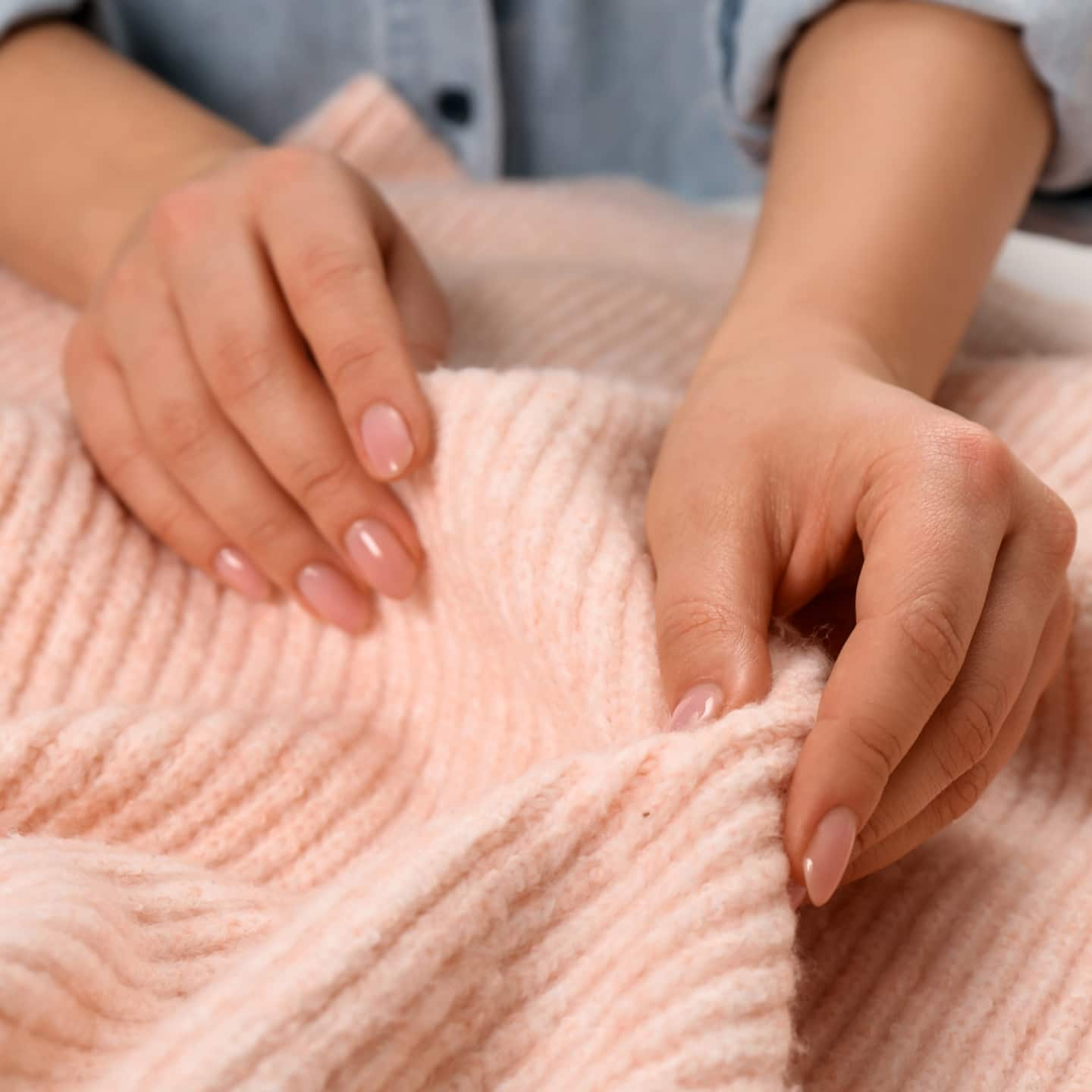
Pentru a curăța articolele de îmbrăcăminte din lână, spălarea manuală în apă rece este ideală pentru a preveni micșorarea. Utilizează un detergent ușor conceput pentru lână pentru a evita deteriorarea. După spălare, stoarce ușor excesul de apă și rulează îmbrăcămintea într-un prosop înainte de a o rearanja și de a o așeza la uscat. Dacă este necesară călcarea, folosește o setare pentru lână sau folosește un fier de călcat cu modul iCare dacă nu vrei să îți faci griji cu privire la setările potrivite.
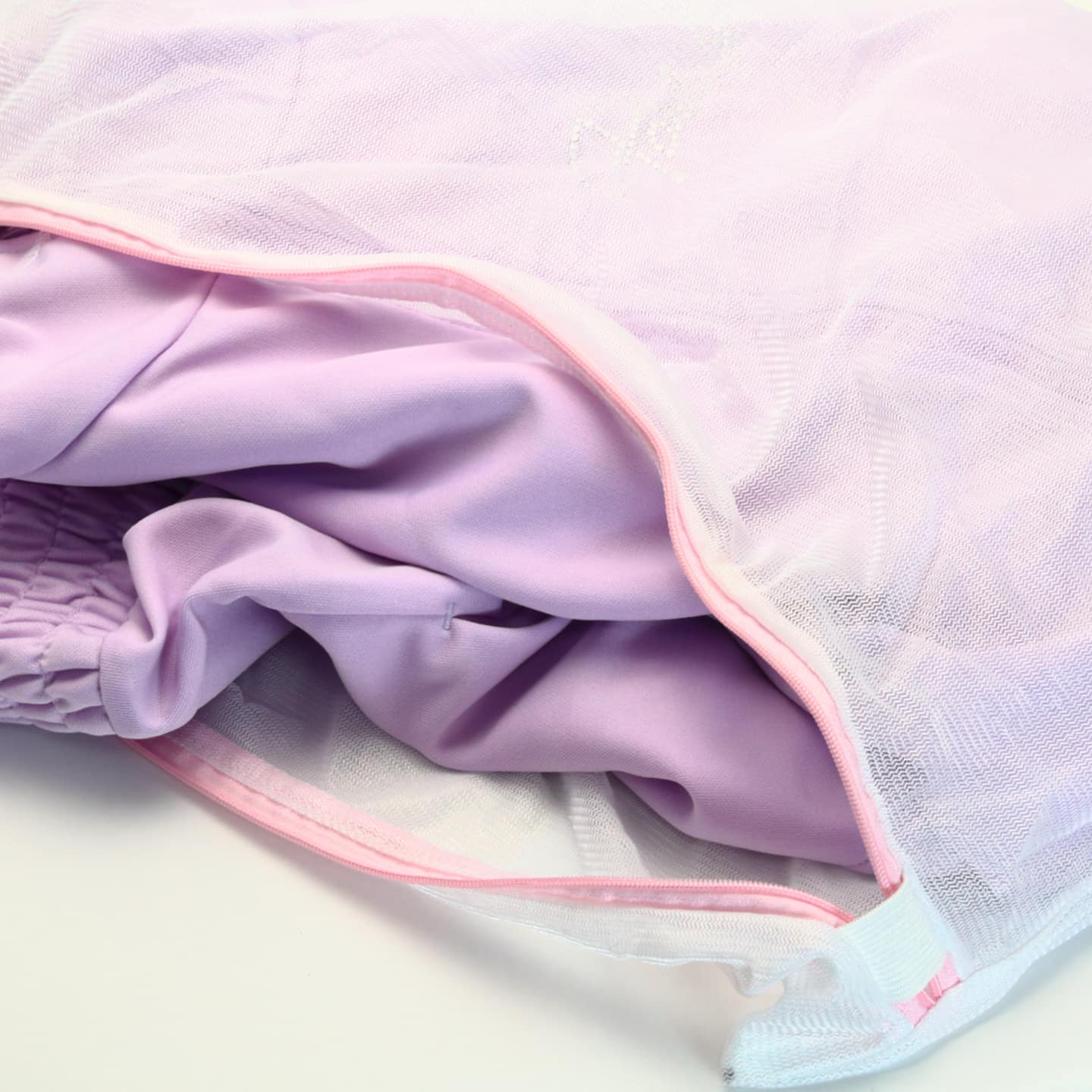
Pro-tip for delicate fabrics: laundry bags

Sfat pentru țesături delicate: saci de rufe.

Scopul sacului de rufe este de a proteja țesăturile delicate, cum ar fi nailonul, lâna, mătasea, dantela, etc. Aceste țesături sunt predispuse la exfoliere și întindere. Folosind o pungă de rufe cu închidere cu fermoar, le poți proteja fără efort de aceste riscuri, asigurându-le protecția și o durată de viață mai lungă.
It's all about the heat

It's all about the heat.

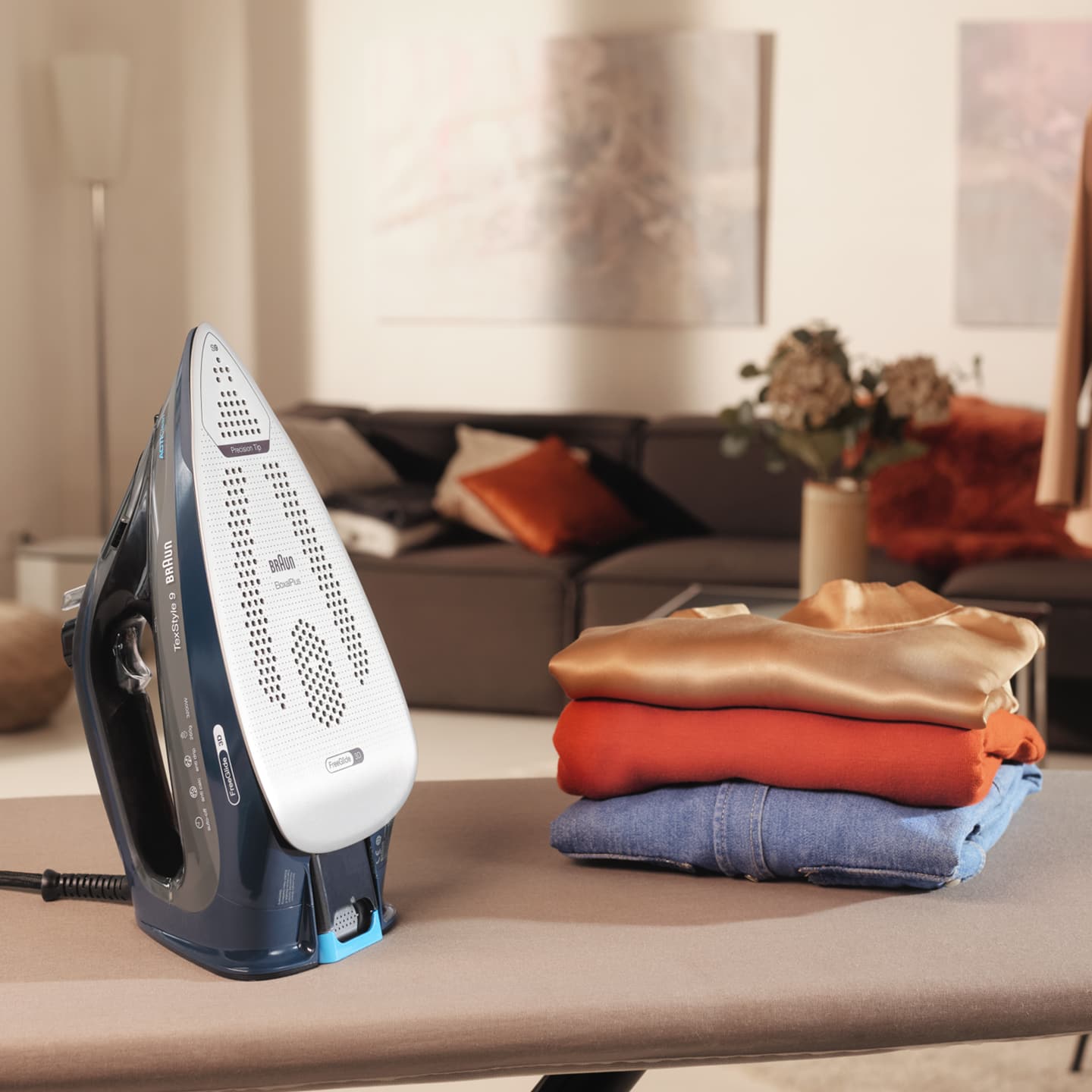
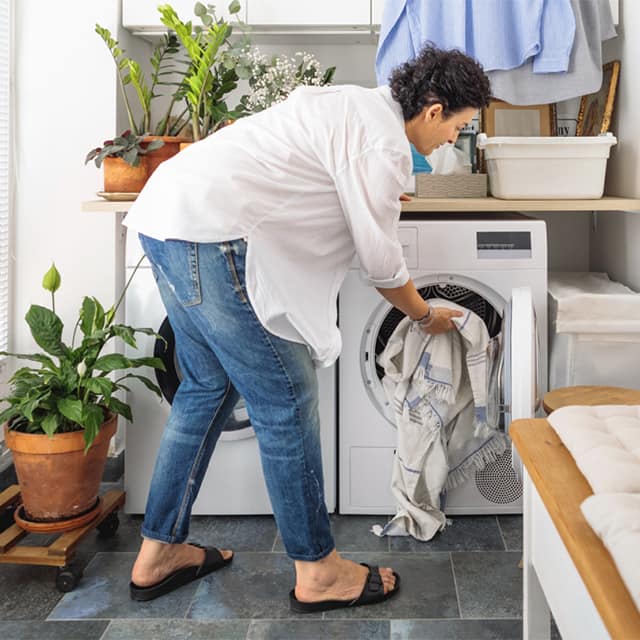
Just remember: some garments don't mind being hot, others do. Air-drying is best for delicate fabrics such as silk, lace and cashmere, as they are more fragile and can be damaged in a tumble dryer. These fabrics benefit from a gentle airflow to maintain their quality. On the other hand, sturdier fabrics such as cotton, linen and denim can handle the tumble dryer just fine. They are more durable and better suited to the higher heat and agitation of tumble drying. If you're unsure about ironing, try Braun's smart iCare and Eco Mode, which protects all kinds of ironable fabrics with the right  temperature.
Collegamento alla categoria Ferri da stiro a vapore

How to keep your clothes happy.

Storing your clothes correctly is just as important as washing and ironing them. Follow these tips to ensure your clothes stay in great shape.

Clean before storage

Clean before storage

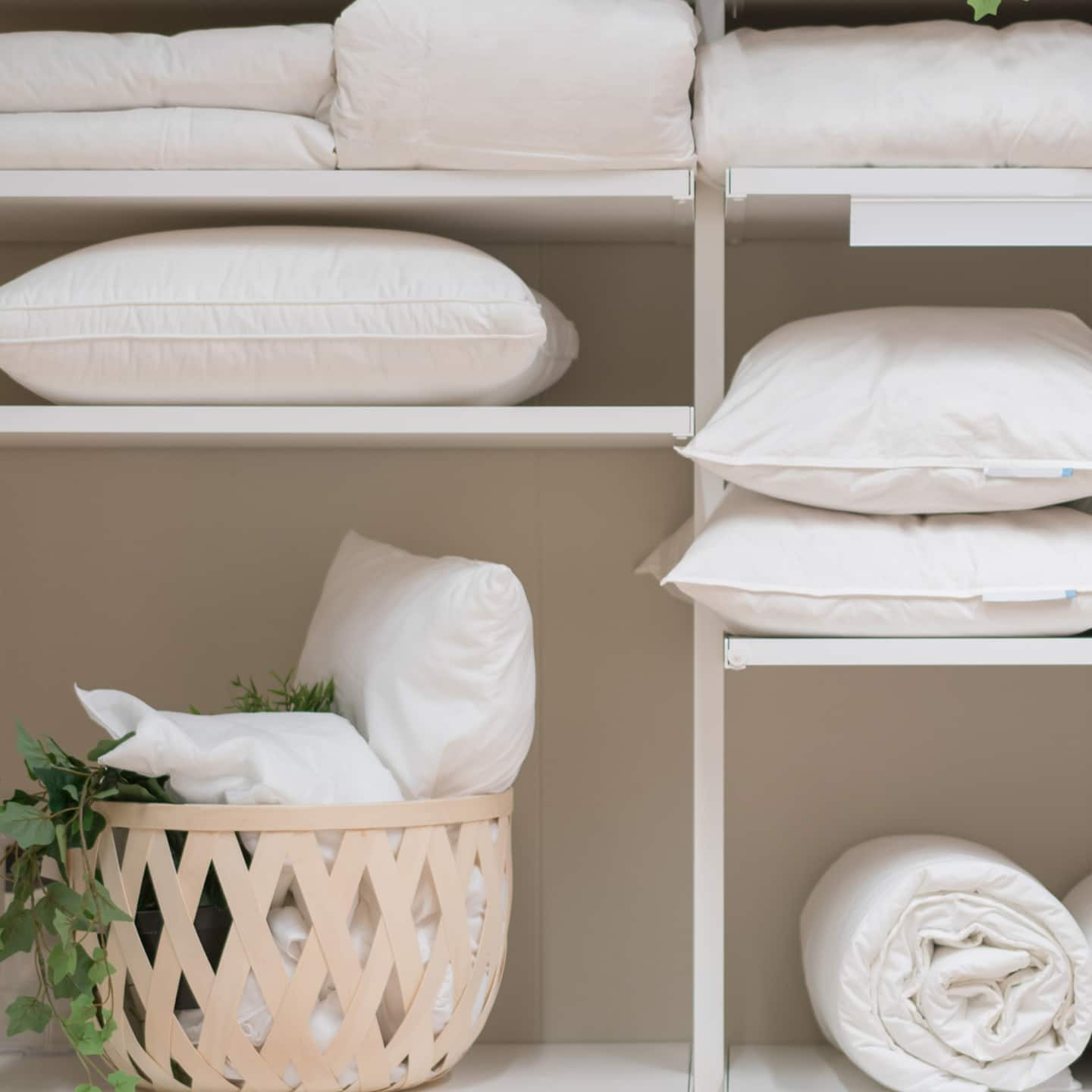
Say goodbye to stifling plastic bags or airtight containers that trap moisture and create a breeding ground for bacteria. Instead, opt for breathable cotton storage bags or reuse pillowcases and cotton sheets as protective covers. These materials allow air to circulate, keeping your clothes fresh and happy during their hibernation.
Fresh air

A breath of fresh air

Fabrics like cotton, linen, and wool are natural and biodegradable. To care for them sustainably, opt for eco-friendly laundry detergents and choose lower temperature wash cycles whenever possible.
Avoid sunlight

Avoid sunlight and humidity

Just like people, clothes have their own preferences. Direct sunlight can cause fabrics to fade over time, so it's best to store your clothes in a cool, dry place away from windows. Excessive humidity can create a cosy environment for mold and mildew, causing irreparable damage. Consider using moisture-absorbing sachets or silica gel   to keep humidity levels optimal and your clothes in pristine condition.

Did you know?

Historical records show that people were using cotton and wool to make natural fabrics as early as 3000 BC. Maybe our clothes will last just as long with the right care.

Perfect Ironing Job

Do you know how to be as fast as possible, with minimum effort and still achieve impeccable results?

Perfect Ironing Job

Sustainable Energy Use

Did you know that there are many ways to optimize energy consumption when caring for and washing your clothes? We have put together a few tips and tricks for you here.

Sustainable Energy Use

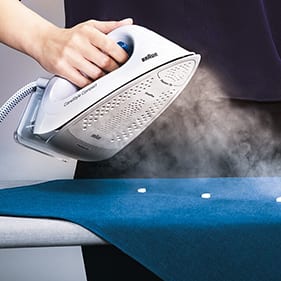
Braun CareStyle Compact steam generator iron

Save 50% time and space.

en_ADP-ArtLink_braun_crosslink_steam-iron-generator-carestyle-compact_1152x540.png

What Tools

Your garment care cheat sheet.

What Tools
正在加载