Познакомьтесь с нашей продукцией Вдохновляйтесь
Braun Household kitchen products Braun Household ironing products Braun Household Collections Braun Promotions Braun Series Shavers and other products Braun Household  - Food and Recipies Experience the versatility. Braun Household  - Garment Care

Less food waste

Meal prep saves time, effort and waste.

meal-prep_header.jpg
Печать

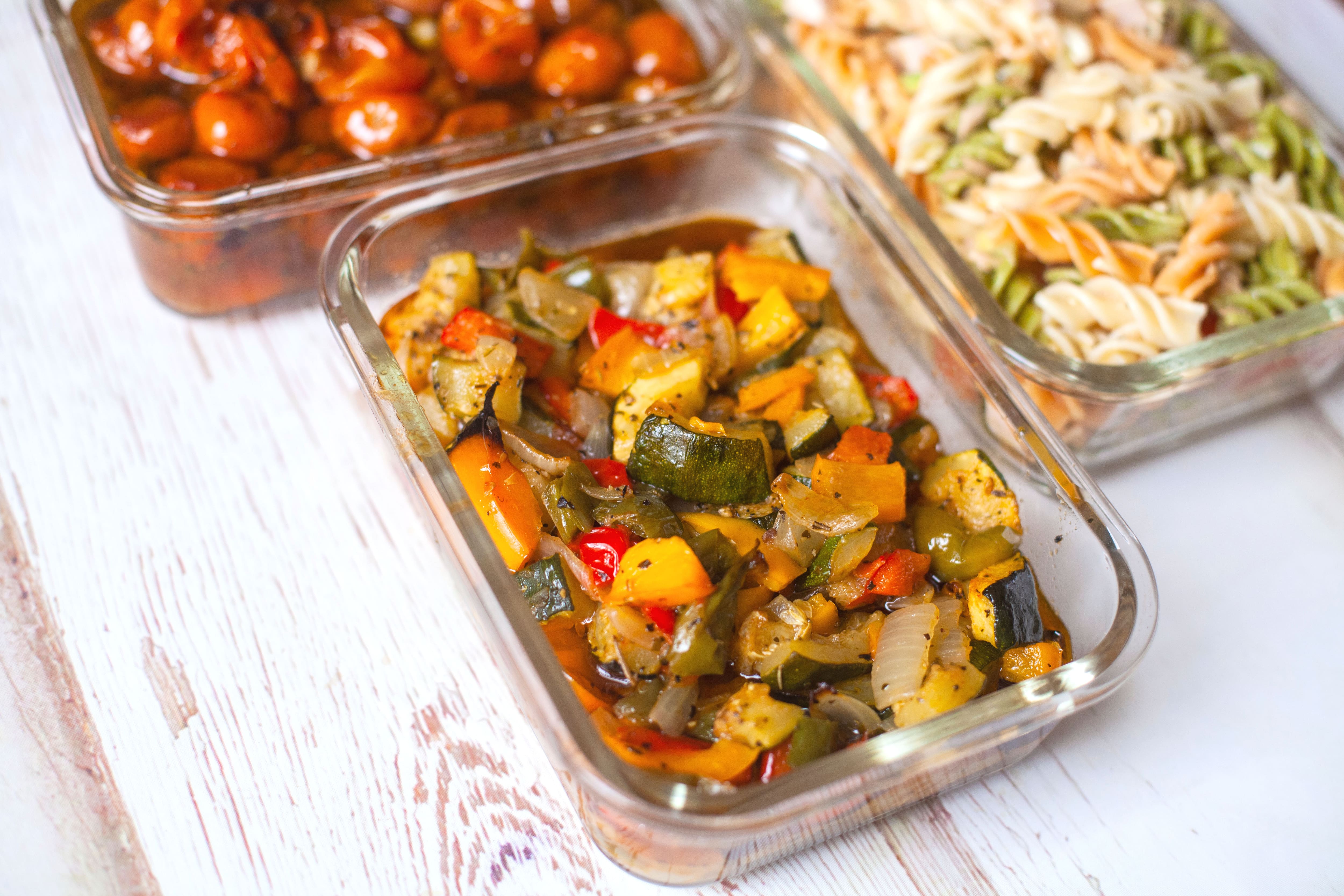
If you only eat small portions and don’t like spending time in the kitchen if you can avoid it, you can turn this to your advantage. Simply pick a time to cook a larger amount and store individual portions in the fridge or freezer. This works particularly well with soups, sauces and dishes like ratatouille, for example. Once a common practice known as pre-cooking, it now carries the trendier name “meal prep”. This new old trend offers a host of advantages, allowing you to use produce while it’s still fresh from the market and store it until you want to eat it.
meal-prep_image-copy-1-home-made-is-healthier-tastier.jpg

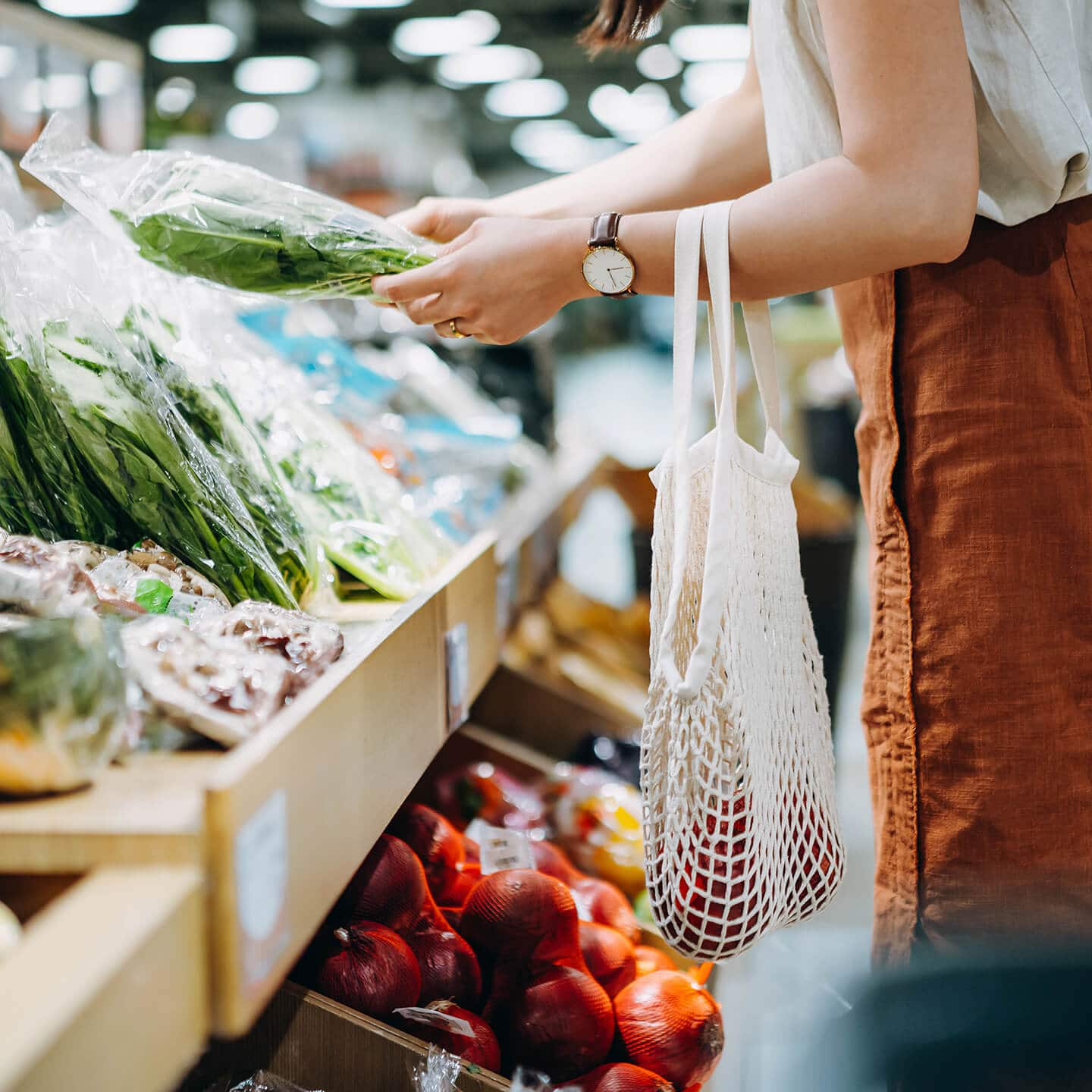
Home-made is healthier and tastier.

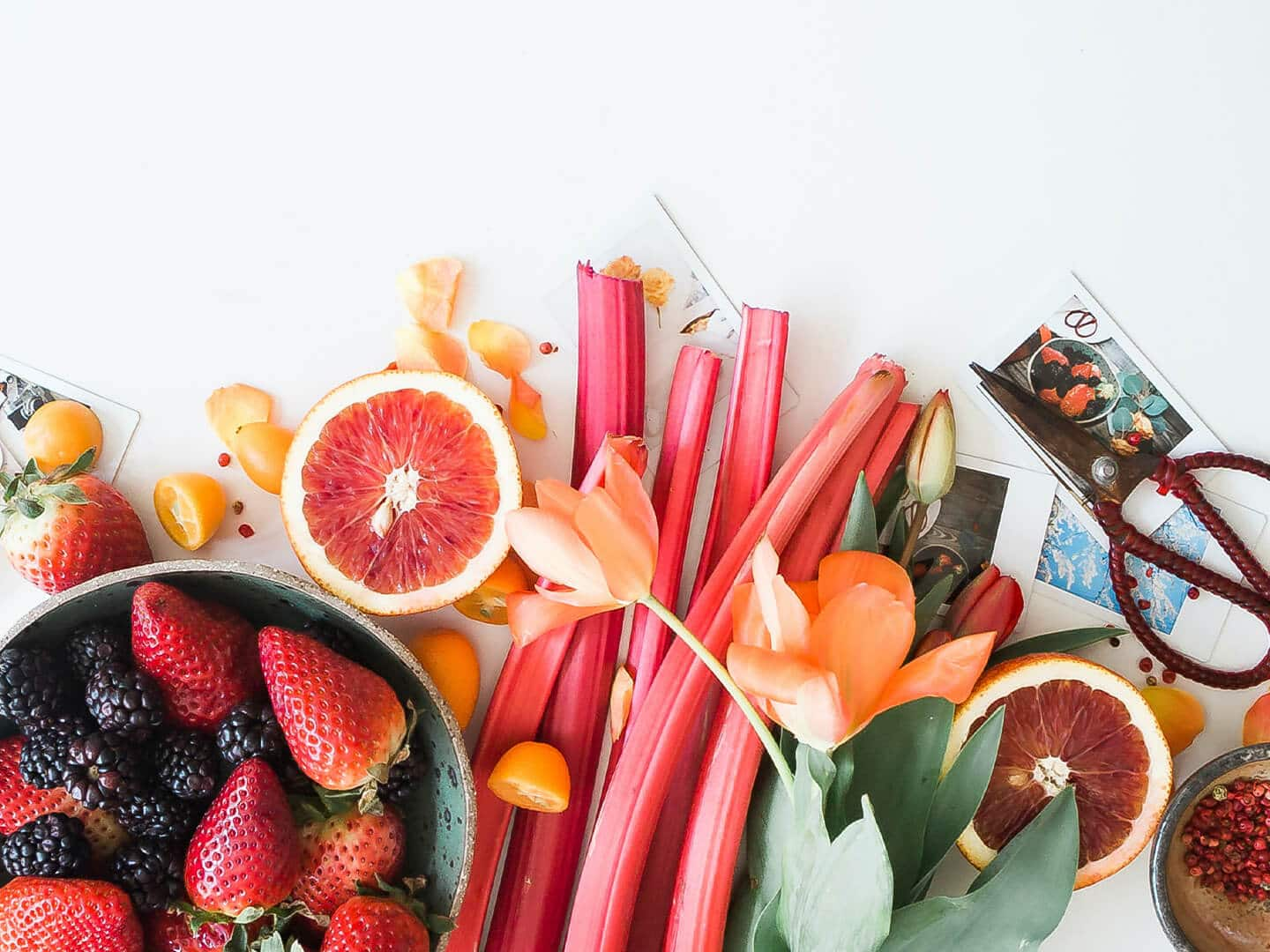
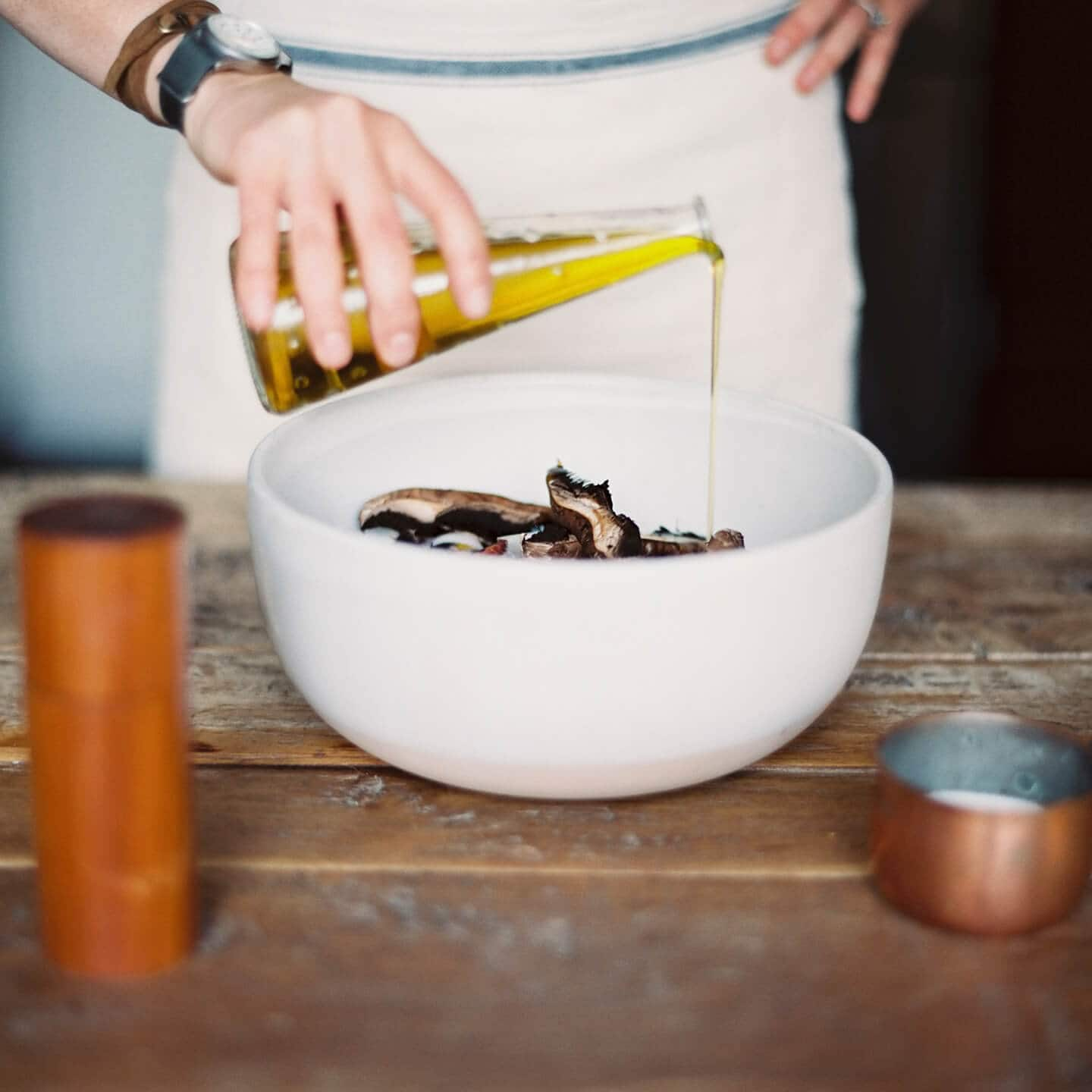
Shopping consciously and choosing seasonal produce means you can cook with fresh produce. It also means avoiding processed ready meals. One advantage of meal prep is the certainty of knowing you have delicious, home-made meals waiting for you for the next few days, or even the entire week. But that’s not all: home-made food can often be healthier and tastier, too. Cooking for yourself means you are in control of all the ingredients, that end up on your plate, or in your resealable containers and lunch boxes.
meal-prep_image-copy-2-meal-preppers-are-aware-of-what-they-eat.jpg

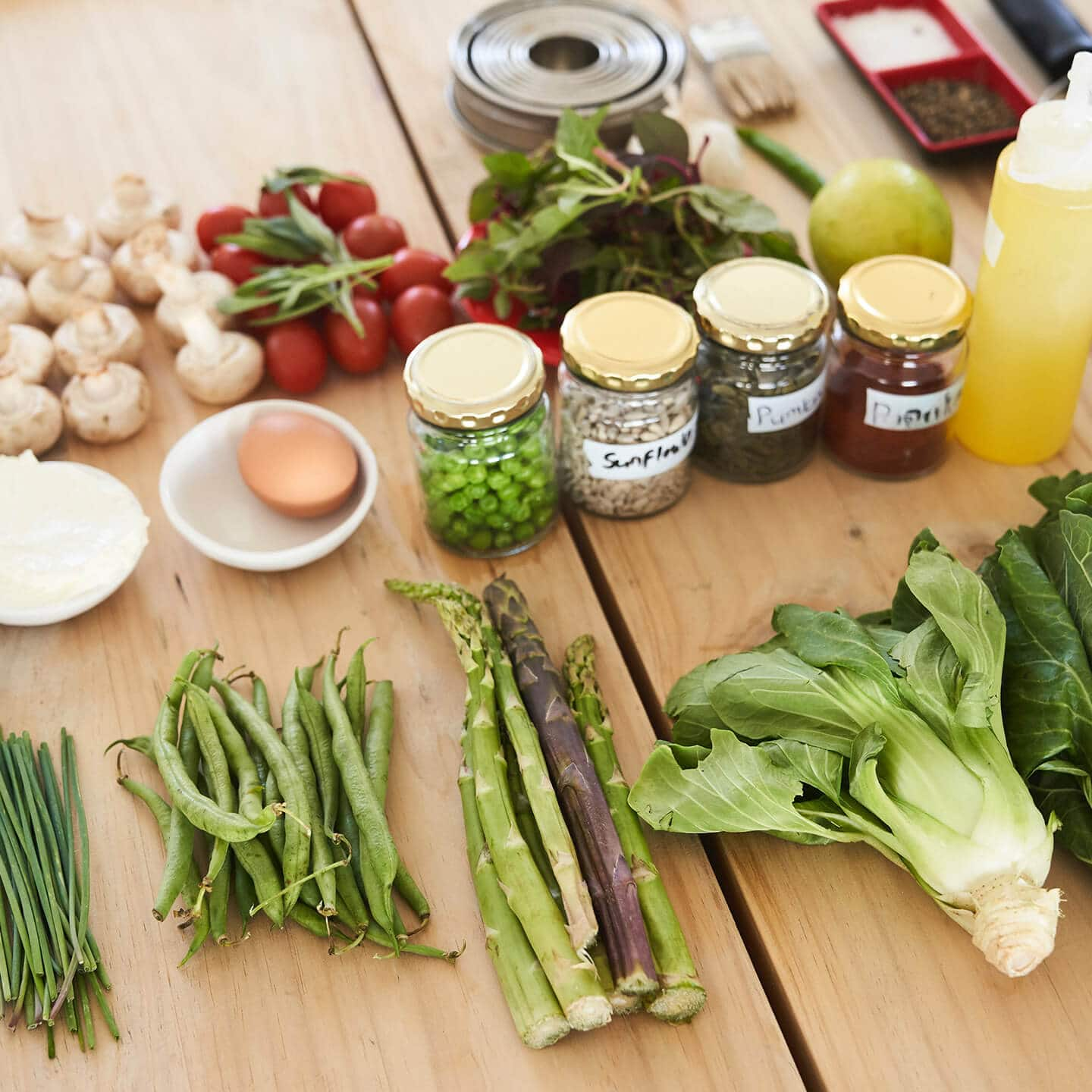
Meal preppers are aware of what they eat.

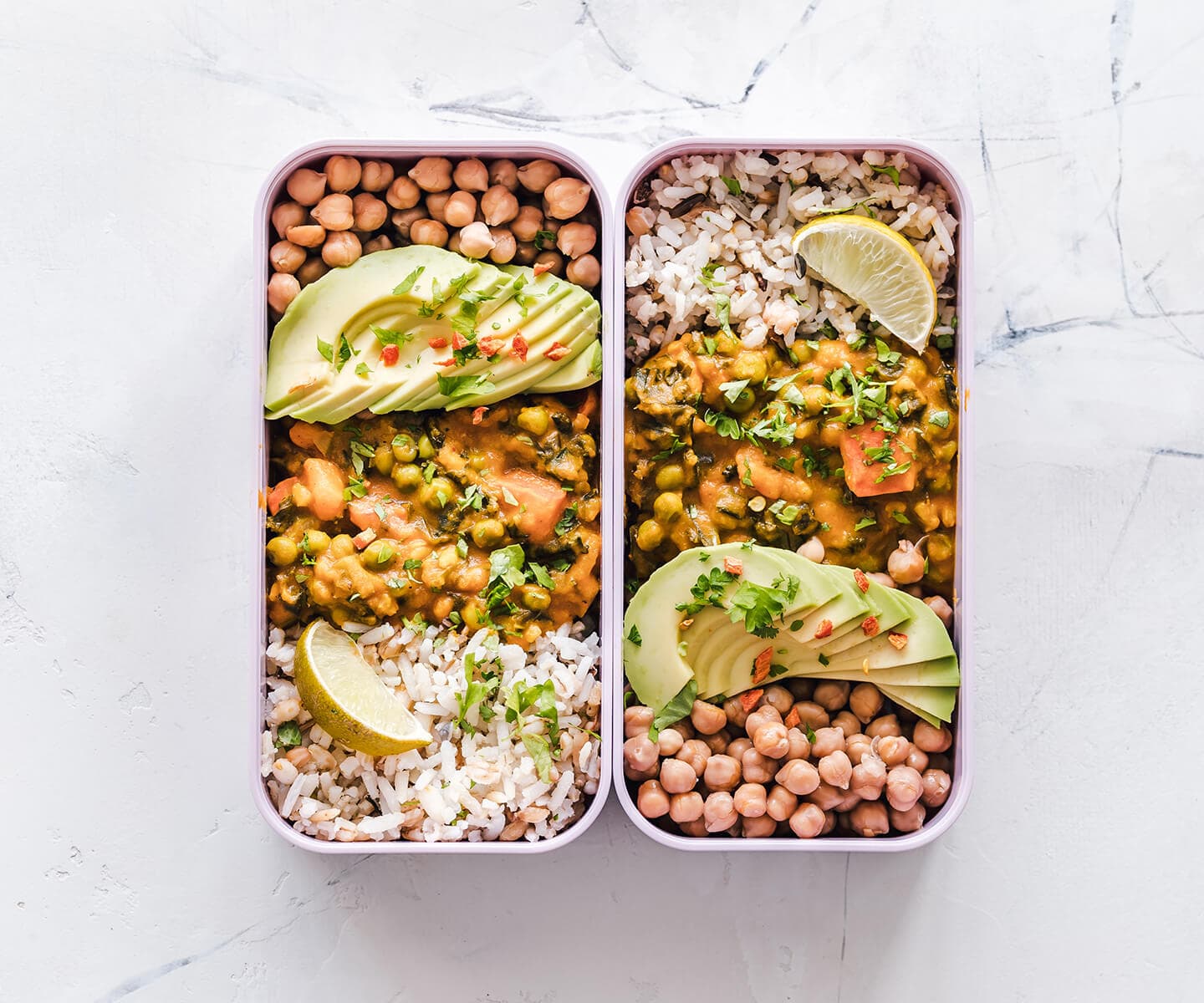
Cook once and enjoy it for several  days. Meal prepping is an ideal solution, especially when you arrive home exhausted after a day at work and would otherwise mindlessly choose pasta with ready-made sauce or a frozen pizza. This is one way meal prepping can help to eat more healthy. After all, if you’re more aware of your food and portion size, you’ll notice sooner when you’re full.
meal-prep_image-copy-3-prevents-food-waste.jpg

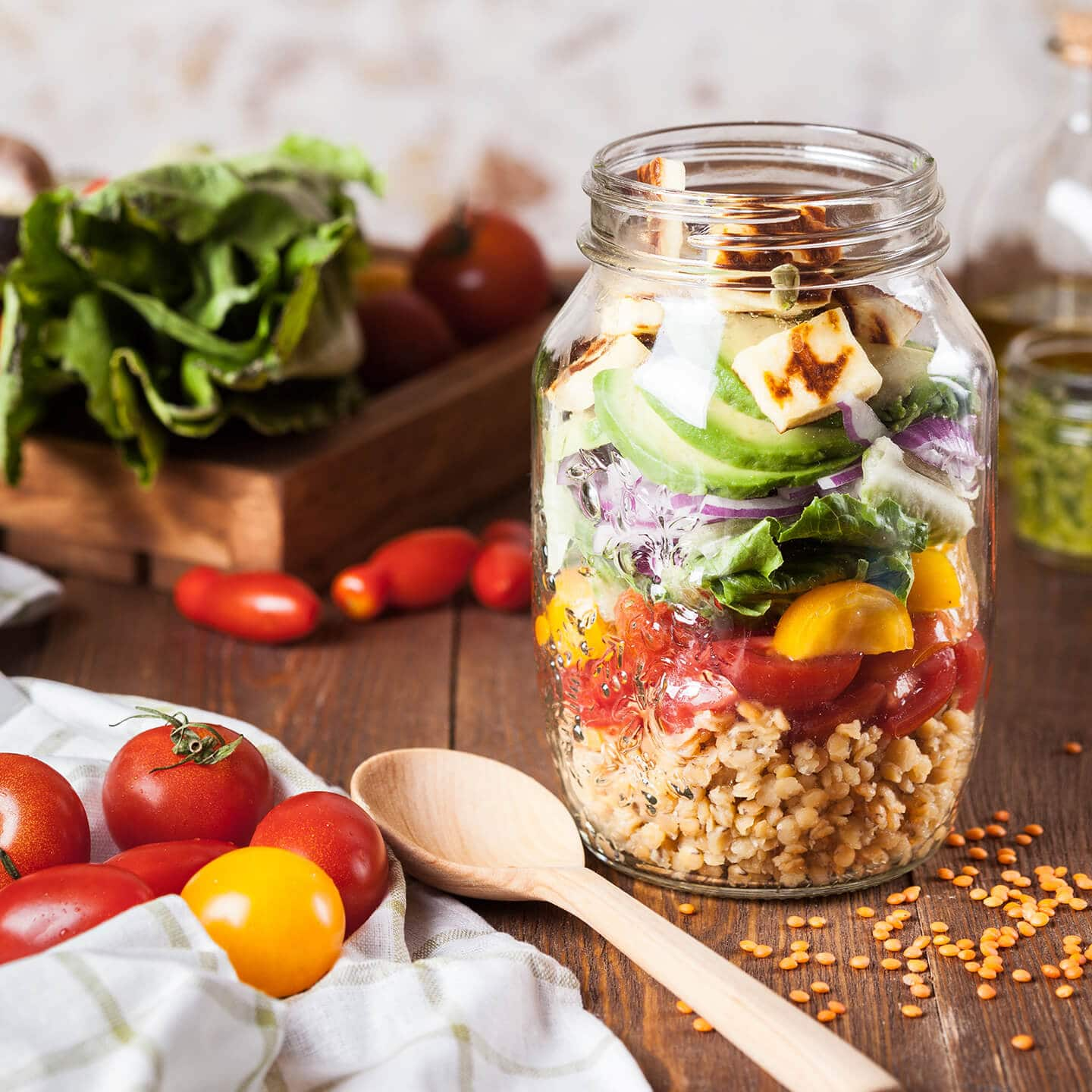
Meal prep prevents food waste.

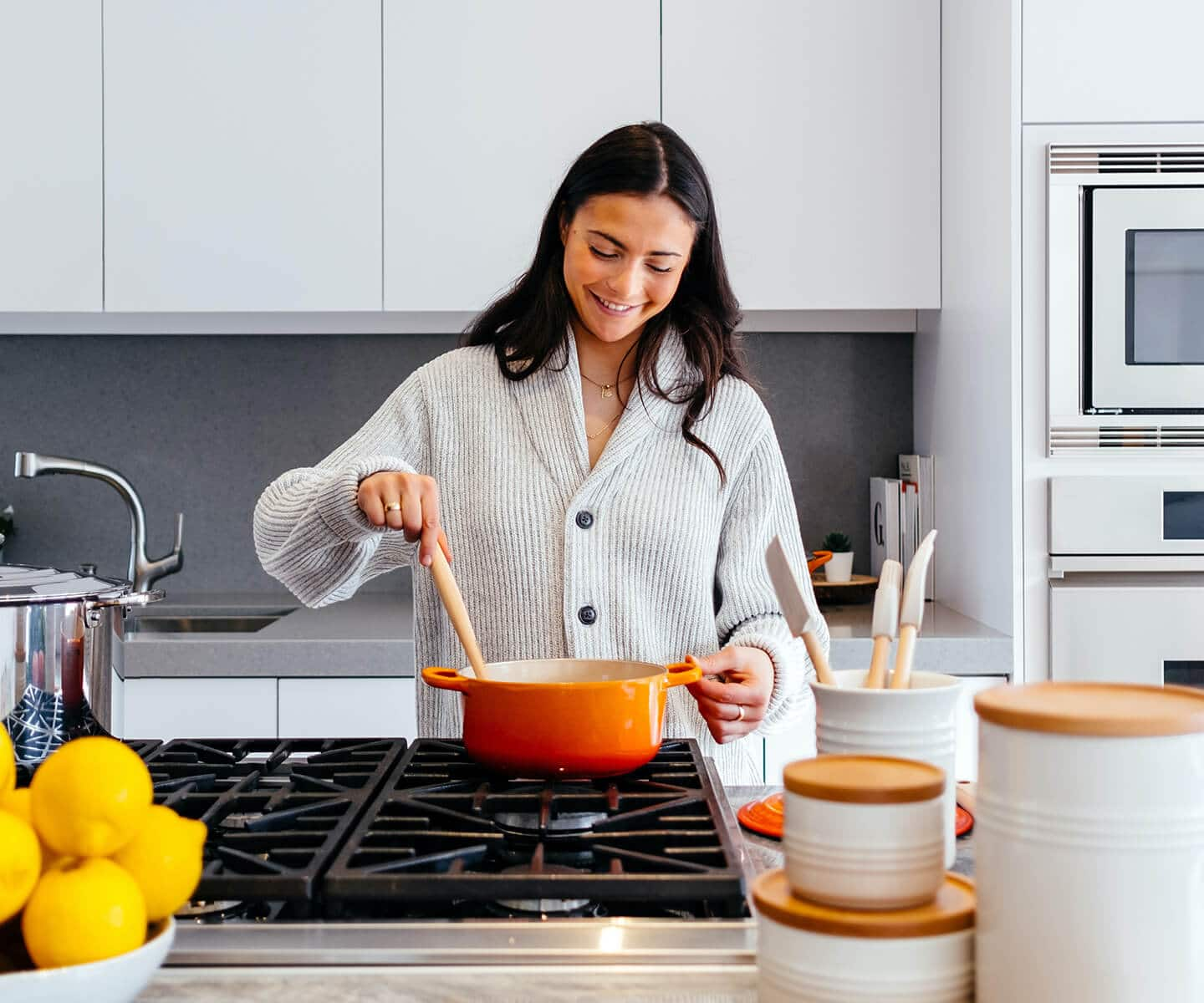
So, meal prep helps you to save time and eat more healthily. More than that, though, it allows you to do your bit to fight food waste. If you cook two or three portions in advance, there usually won’t be any half-used ingredients left over. Instead, you might even be able to freeze a little stockpile for those hectic, stressful days.
mealprep_image-copy-4_saves-money_h_1400x1200.jpg

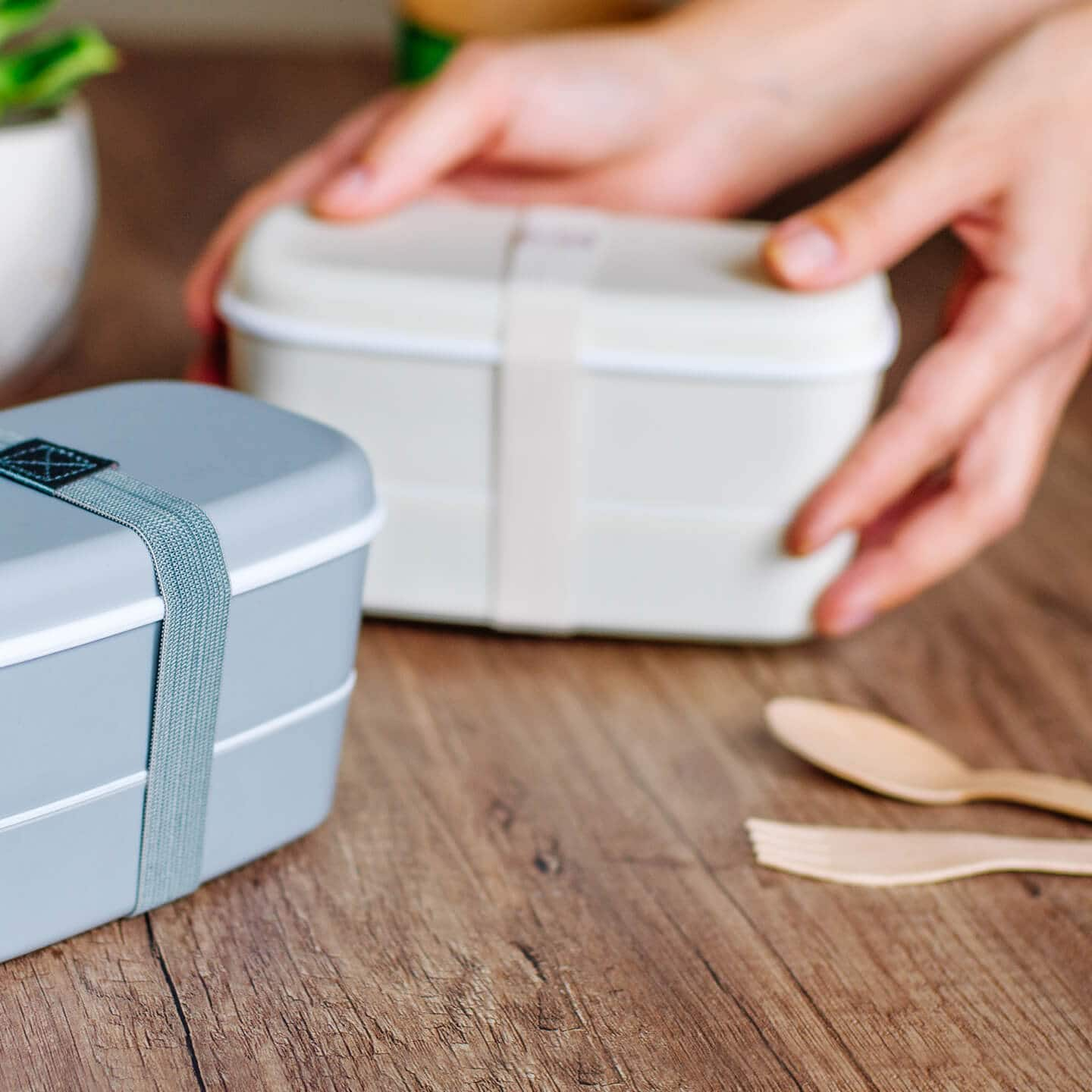
Meal prep saves money and packaging.

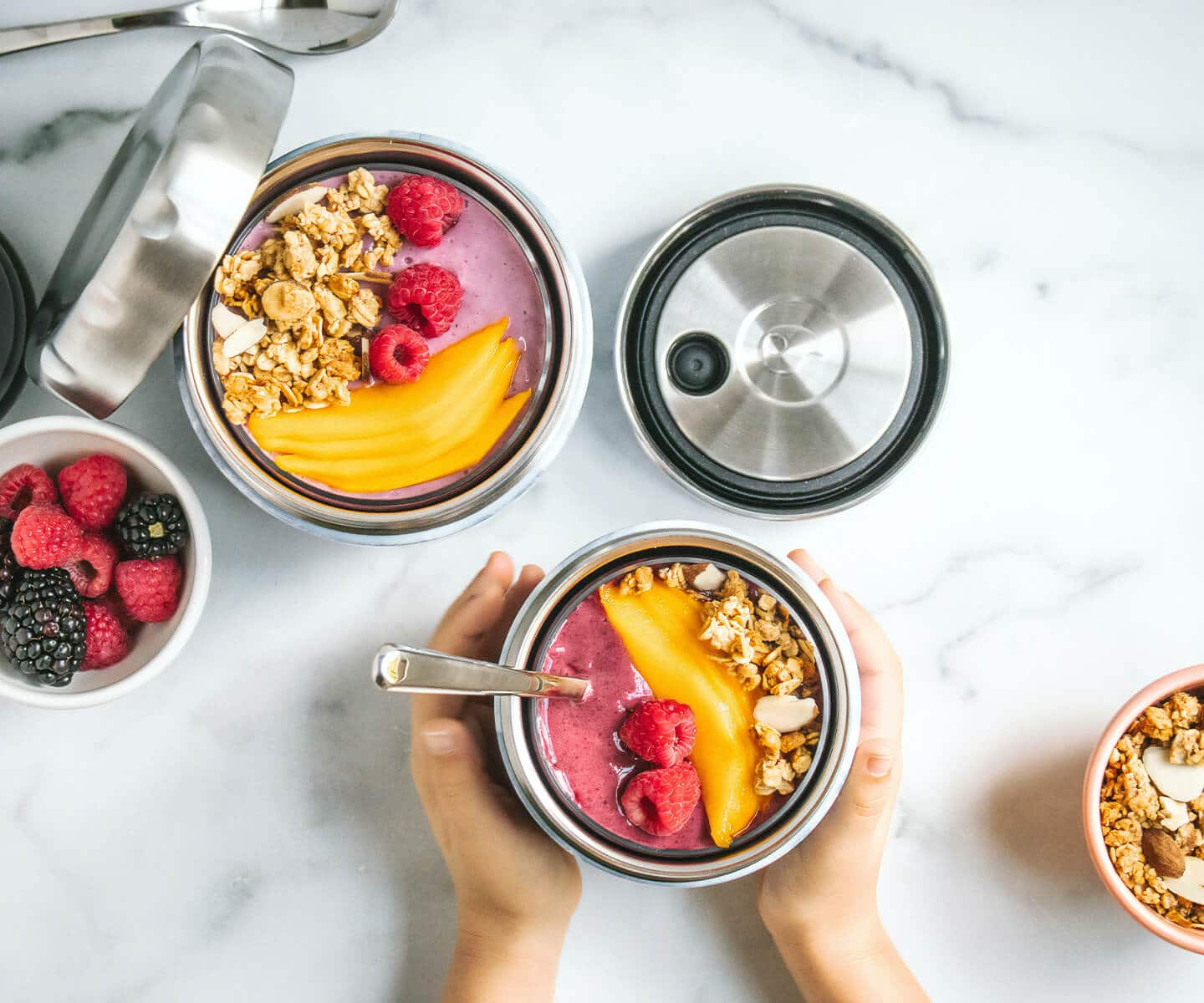
Meal prep is also more cost-effective. If you buy lunch from a café or get it delivered, you’ll end up paying much more. And, if you order a takeaway or opt for convenience food, you’ll also have to contend with far more packaging. The example of meal prep shows that, by taking even small steps, you can live more sustainably and prevent waste from leftover food and packaging. 

Become a meal prepper in 8 easy steps.

Stuffed peppers, pepper salad and a stir-fry – the more the ingredients on your weekly meal plan overlap, the better. You can enjoy more variety on your plate as a result. We’ve put together 8 simple steps to help you become a meal prepper.

meal-prep_slider_create-storage-space_card-1.jpg

Make space

Create the storage space you need.

Space is an important factor when it comes to meal prepping. If you’re sharing a small fridge and a tiny freezer compartment with your flatmate and only have a tiny food shelf, you might face some difficulties. Cooking ahead for the entire week? Out of the question! Consider how and where you can store your prepped meals before you make them. For example, a cellar could be a good solution.
meal-prep_slider_basics_card-2.jpg

Basics

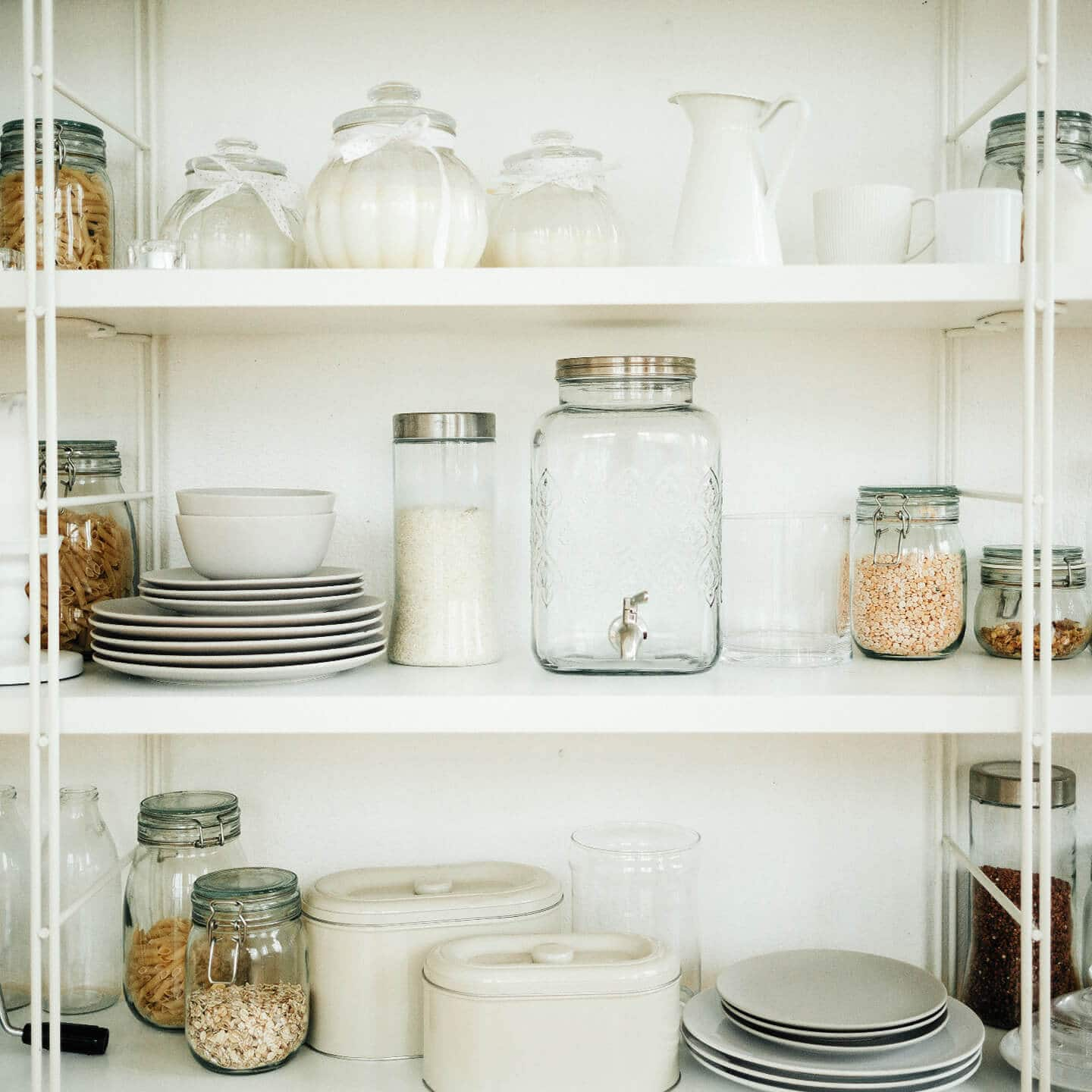
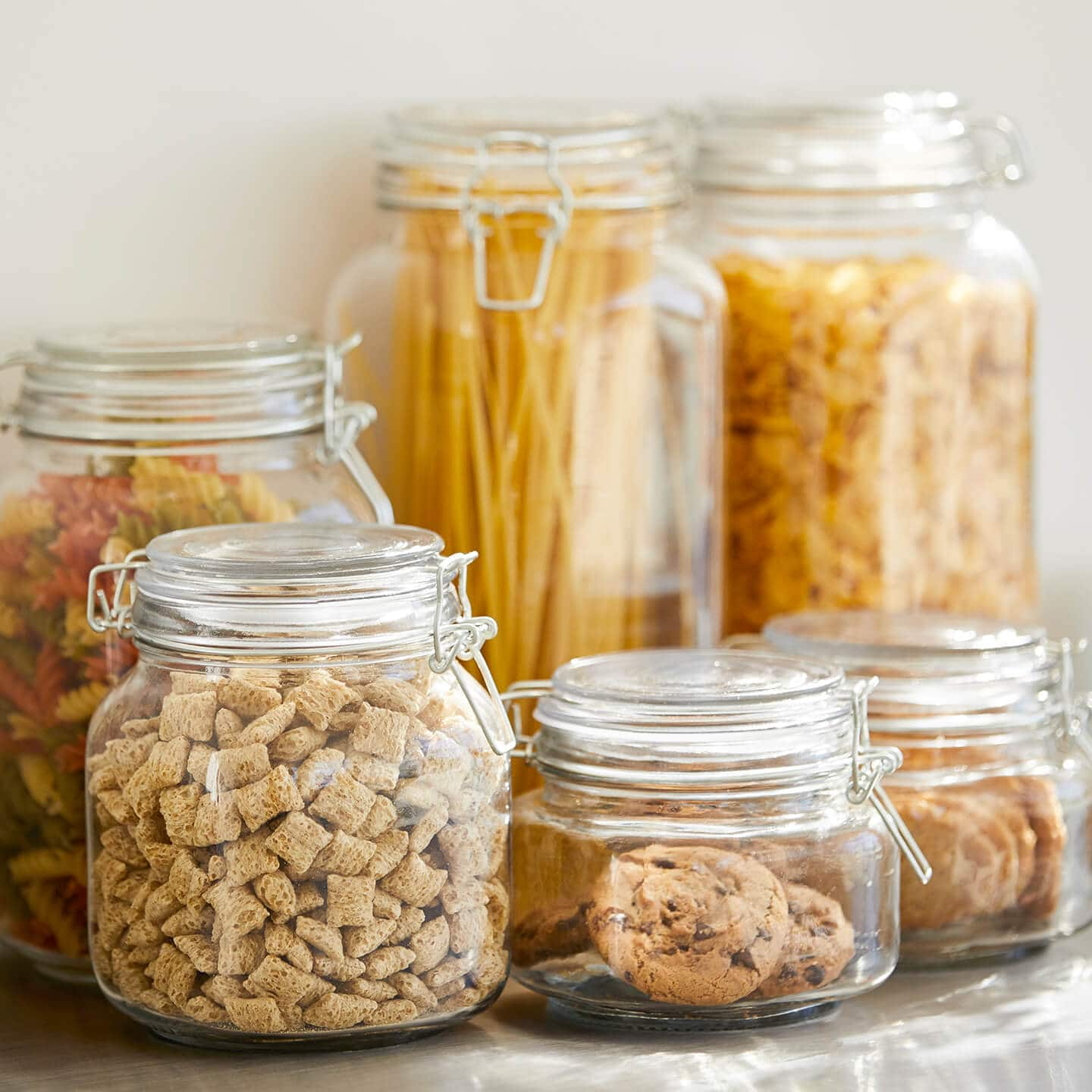
Make sure you have the basic meal prep equipment.

Good preparation includes having a good stock of food in tins, resealable containers or glass jars. We recommend keeping a stock of rice, pasta, millet, porridge oats, cous cous, bulgur, onions, garlic, nuts, quality oils, a range of spices, mustard and soy sauce.
Avoiding food waste starts with planning meals ahead

Planning

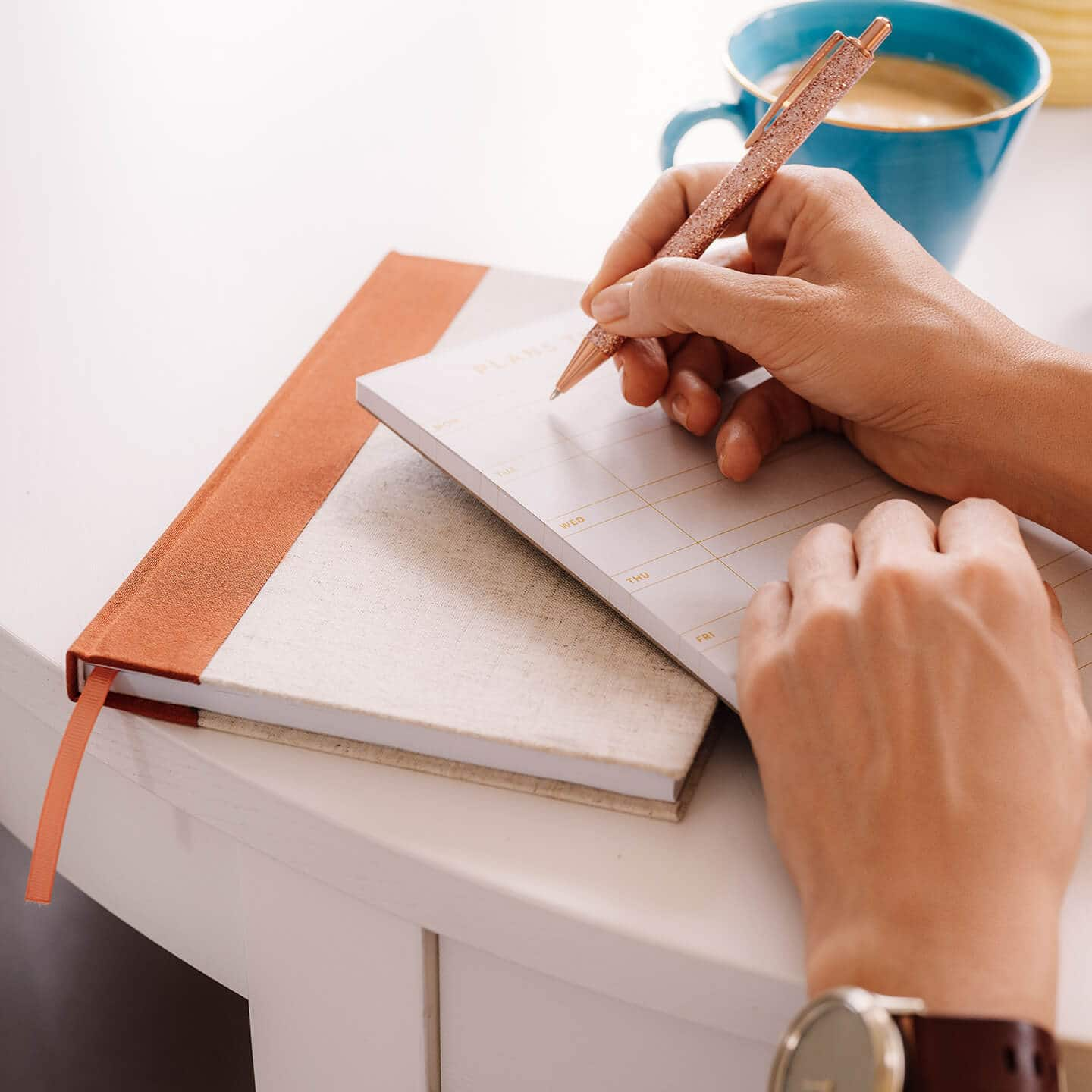
Organise your week and find recipes.

Something else worth mentioning when it comes to preparation: consider what you want to eat that week before you storm the supermarket. Flick through your cookbooks or browse the internet; check out the Braun recipe library to find some inspiration. Ideally, you should plan your week so that you can make full use of any leftovers. For example, you might plan two rice-based dishes so you only have to cook rice once. Checking your calendar might help, too. Have you agreed to go out for dinner at all this week?
Shopping for meal prep

Shopping

Choosing food more carefully.

Another upside to meal prep is, that if you take the time to focus on planning, shopping and meal prepping, you’ll automatically give your food the attention it deserves. Instead of just picking up the first thing you see, you can focus more on carefully selecting food that’s fresh, organic and local. This way, you’ll only buy what you really need and end up reducing or even eliminating food waste. Plus, shopping like this is far more pleasant than rushing through the aisles at the end of the day.
Cooking for meal prep

Cooking

Schedule a fixed cooking session each week.

So, how long does it take to cook meals for several days? Don’t worry, it shouldn’t take more than 2-3 hours per week. It’s best to give your meal prep session a fixed slot in your weekly schedule. This makes it easier to get into a routine that you might even enjoy or find relaxing. Only having to wash up once will save you a heap of time, too. Ideally, you should cook dishes with shared preparation steps. For example, if you need potatoes for different meals, you could cook them all together in a big pot. This will also save energy. If you want to use tomatoes in several dishes, simply distribute them across your various lunch boxes or containers.
Ingredients for varied meals

Ingredients

Varied meals: Hugely beneficial.

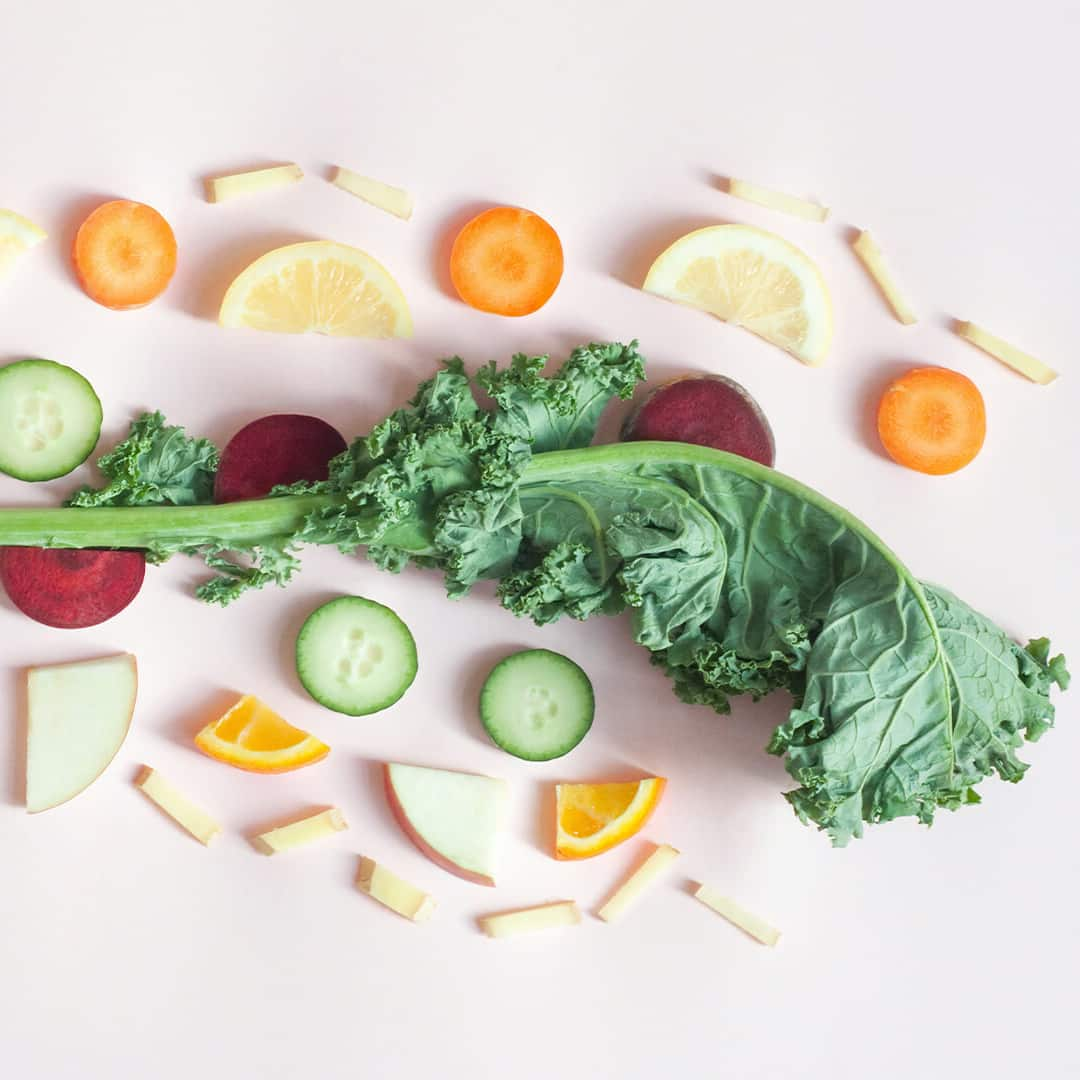
Vegetables in season. Ideal options include: carrots (e.g. as crudités), pumpkins (cooked with oil and spices), courgette (roasted), tomatoes (cherry tomatoes to snack on), aubergines (roasted), broccoli (steamed), peppers (raw or roasted) and avocados.

Carbohydrates provide energy. Tasty sources include: potatoes, sweet potatoes, rice, pasta (ideally wholegrain), millet, quinoa, cous cous and bulgur.

Protein is an important part of any meal and helps to keep you full. Find it in meat, fish, tofu, pulses, quark, yoghurt and cooked eggs.
​​​​​​​
Dips/sauces to give your meal prep ingredients that extra hit of flavour. We recommend tomato sauce or ketchup, sour cream with herbs, pesto, hummus and guacamole.
Storing food in a practical way

Containers & boxes

Practical ways to store your meal prep.

After cooking, you need to portion the individual dishes up into different resealable containers, boxes and glass jars. If at all possible, use microwave-safe containers so you don’t need to decant the food for reheating. If you can stack the containers and store them conveniently in your fridge and freezer drawers, you’ll be onto a winner. There are also plenty of ways to transport your food safely, from old glass jars to ultra-practical lunchboxes with individual sections to Thermos flasks to keep your soup warm. 
Avoid storing moist food

Condimenti & salse

Stratifica per bene i tuoi ingredienti per non avere nulla di inzuppato

Idealmente, dovresti tenere i condimenti per l'insalata in una vaschetta separata o in un vasetto. Questo ti eviterà di trovare le foglie d'insalata inzuppate per l'ora di pranzo. Anche altre tipologie di salse sono più buone quando vengono aggiunte al resto del piatto appena prima di servirlo. In alternativa, potresti mettere condimenti e salse in fondo alla vaschetta, in modo che non passino attraverso al resto degli ingredienti, inzuppandoli. Frutta fresca, foglie d'insalata e vedure vanno messi al di sopra di tutto. 
Look forward to coming home

Meal prep : Non vedrai l'ora di tornare a casa

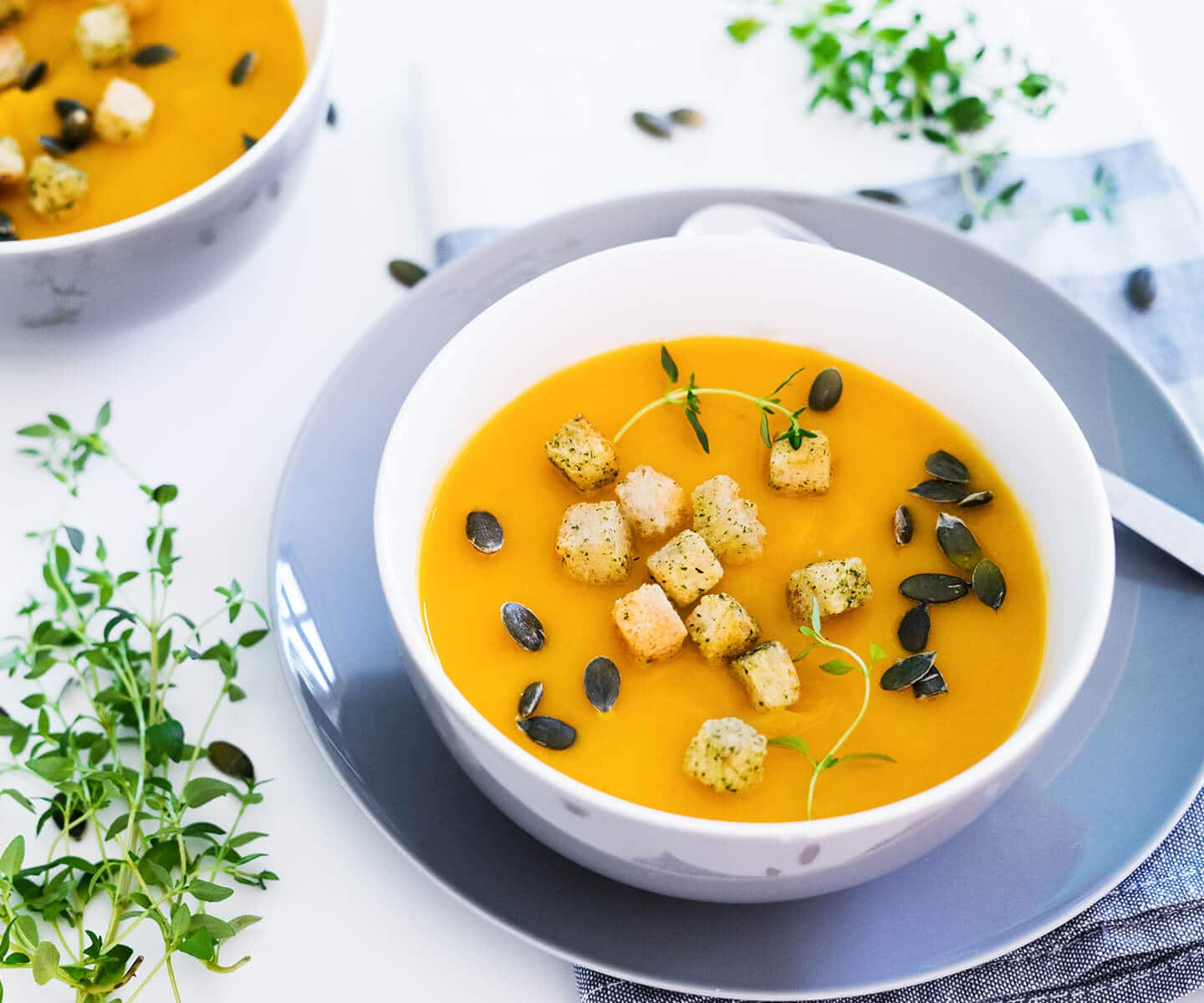
È facile cucinare grandi quantità di zuppa e stufato. Si prestano particolarmente bene  alla  conservazione in freezer, ciò significa che non dovrai mangiare lo stesso piatto tutta la settimana. In più, aggiungendo vari ingredienti e guarnizioni come crostini, semi, o crème fraîche puoi preparare diverse versioni di zuppe o insalate in un attimo. Vedrai i benefici quando tornerai a casa la sera e troverai un pasto sano e fatto in casa pronto ad aspettarti. Lo stesso vale per le pause pranzo a lavoro.

Lo sapevi?

È possibile quindi che "Meal prep" sia solamente un nome moderno e sofisticato per descrivere un'attività già praticata in passato? Dopotutto, i nostri genitori e nonni pianificavano i pasti e cucinavano le porzioni in anticipo. Ciò che il trend del meal prep ha introdotto di nuovo dalla sua nascita negli Stati Uniti, invece, è l'approccio olistico alla nutrizione e alla sostenibilità in relazione al cibo. Il meal prepping, però, si è originato nell'ambiente del fitness. È stato creato come modo per tenere traccia esattamento di ciò che una persona mangia e in che quantità.
Avoid food waste by following our recipes

Our recipes and the Braun MQ series makes it all easier.

Want to become a meal prepper? Maybe you’re already experienced with meal prep but are looking for the right recipes? Well, how about a red lentil soup? You can find many more recipes in our recipe database. And, to help make meal prep even more fun and get all the peeling, stirring and mixing done in no time at all, check out the MQ series from Braun. Find out more.

Good design should be useful and sustainable. The Braun MultiQuick System and our tips can support your meal prepping and, in turn, help you to enjoy a healthier, balanced diet and establish a more sustainable relationship with food.

Related articles.

Less food waste

Stop food ending up in the bin: Shop sensibly and seasonally.

teaser_seasonal-shopping_header.jpg

Less food waste

Zero waste: Keeping food fresh and getting creative with leftovers.

teaser_zero-waste_header.jpg
Загрузка