en-NavCard-hand-blender-1080x720 (1).jpg

Braun MultiQuick System

The world’s largest attachment system* for unlimited versatility.

Learn more
br_en_NavNode_Breakfast_Node_Coffee-makers_1080x720.jpg

en-navnod-braun-food-preparation-1080x720.jpg

br_en_NavNode_FoodPrep_Node_HB-Attachments_1080x720.jpg

en-NavCard-jug-blender-1080x720.jpg

en-NavCard-food-processors-1080x720.jpg

en-NavCard-hand-mixer-1080x720.jpg

en-NavCard-get-inspired-1080x720.jpg

en-NavCard-hand-blender-attachments-1080x720.jpg

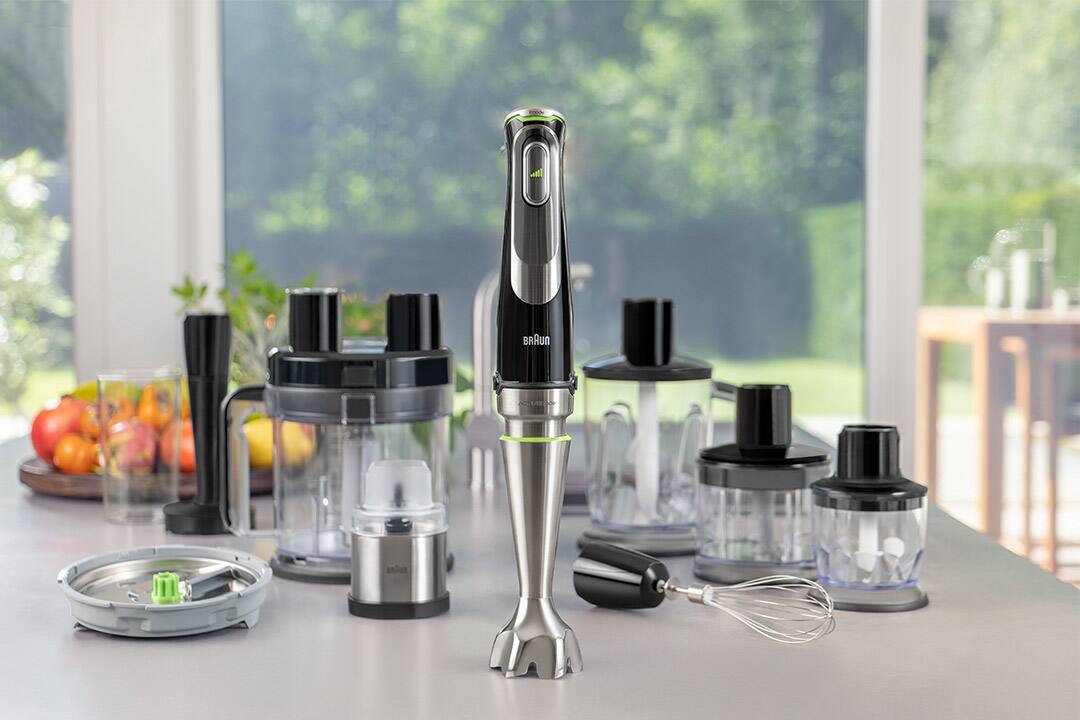
Hand blender attachments & accessories

Hand blender attachments & accessories

Learn More
en-navnod-recipes-1080x720.jpg

Recipe collection

Fun and simple recipes from Braun.

Learn more
BR-CA-BlackFriday_1080x720.png

Black Friday Sale

Discover more

Less food waste

Fresher and tastier for longer: How to store food

how-to-store-food_header.jpg
Print

After you have planned your shopping, taking the time to store your food properly is decisive in ensuring it stays fresh. Sorting your purchases once you get home will help to keep your fruit and vegetables, dairy products, bread, pasta and meat fresh for longer. Some foods need to be chilled, while others just need to be kept at room temperature. We’ve put together some tips outlining when and how you can store food so that everything stays fresh for as long as possible.

Why exactly does food go bad?


​​​​​​​Whether warm or cold, moist or dry, not all foods like the same conditions. If stored incorrectly, food will lose its flavour and spoil more quickly. This is due to the physical, biochemical, chemical and microbial influences and changes to which products are exposed. Food can also be damaged by pests and vermin. 

Microbial spoilage is caused by bacteria, mould and yeasts. They cause food to rot, ferment or develop mould and sometimes develop pathogenic substances as a result. These processes and the storage life of food products depend in particular on physical conditions such as warmth, cold and moisture.
​​​​​​​
In addition, enzymes within food trigger biochemical changes, such as vitamins, pigments and flavourings breaking down. Fat turning rancid is due to chemical spoilage triggered by chemical reactions within food constituents. External factors such as light and air can accelerate this process.
Hygiene Refrigeration

Hygiene, refrigeration and storage: It all starts with shopping.

Before you get your shopping home and start to put it all away in the right place, making sure that everything is suitably hygienic and chilled starts in the supermarket. Key points to remember:
 

  • Check that all packaging is intact.
     
  • Make sure that chilled foods are kept cool, such as with reusable cool bags, to prevent germs from multiplying when produce gets warm.
     
  • Only put frozen and perishable products in your trolley at the end of your shop, just before heading to the checkout. Speaking of the checkout, soft and delicate produce such as eggs, bananas and grapes should be the last things you place on the conveyor belt. This means they will be at the top of your bag and will not get crushed by heavier items.
     
  • After finishing your shop and before sorting out your purchases at home, make sure to wash your hands thoroughly to prevent the spread of bacteria and germs.
     
  • Keep storage areas such as shelves, pantries and your fridge clean and wipe them down regularly. The best way is to use warm water with a little detergent. Adding a dash of vinegar essence can prevent mould.
     
how-to-store-food_image-copy-2-freezing-effectively.jpg

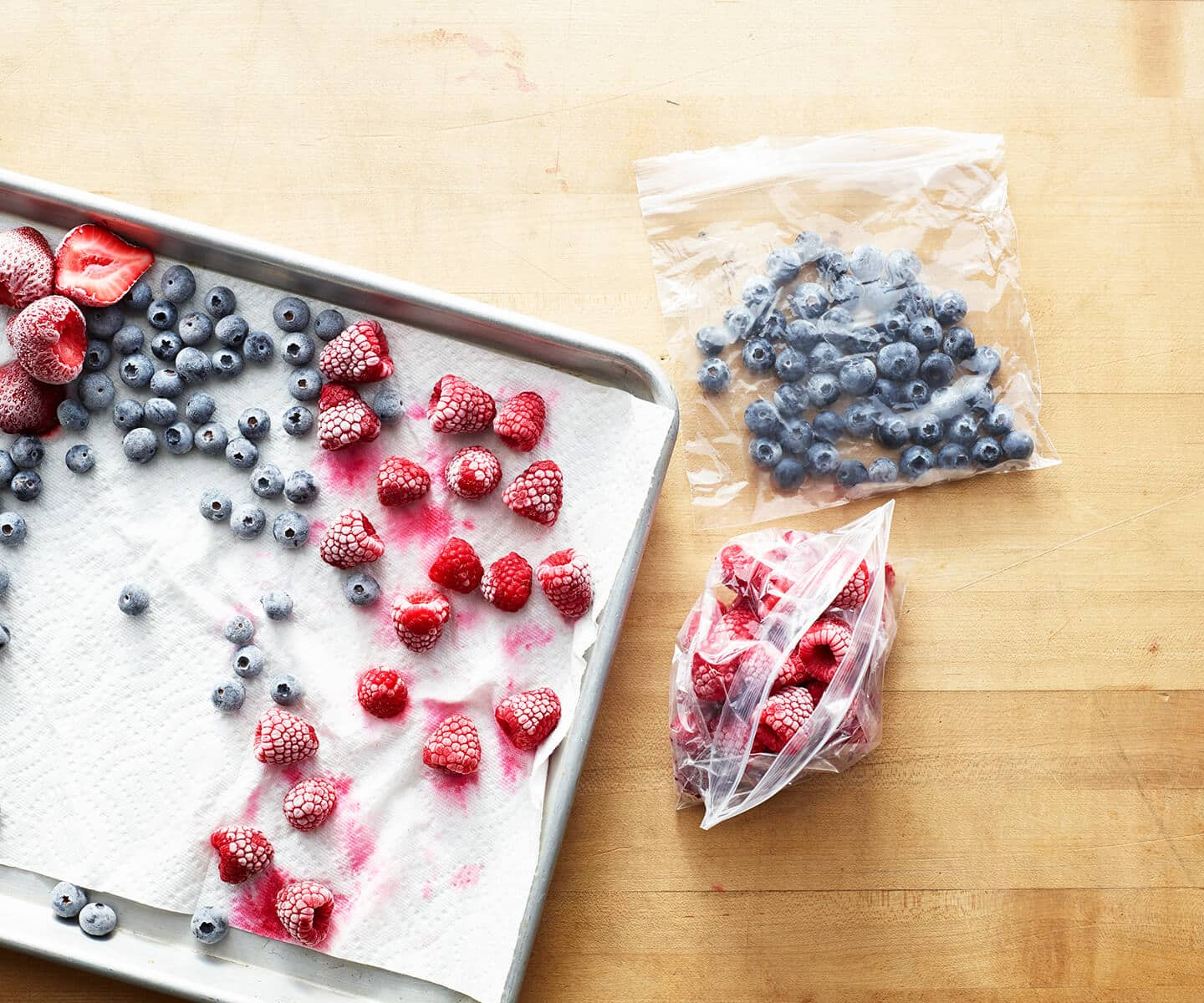
Freezing effectively: How to store food in the freezer

If you want to store food for a particularly long time, your freezer or the freezer compartment of your fridge is the best option. The low temperature and reduced water activity mean that microorganism reproduction is significantly reduced or even eliminated. However, make sure to clean, wash and blanch fruit and vegetables before freezing them. Ideally, you should pack food as airtight as possible and in small portions. It’s also worth labelling bags with their contents and the date to help you keep on top of things. However, even frozen food cannot be stored indefinitely. Fruit and vegetables will keep for 11 to 15 months, fish and fatty meats will keep for 6 to 9 months, and beef and poultry can be frozen for 9 to 12 months. ​​​​​​​

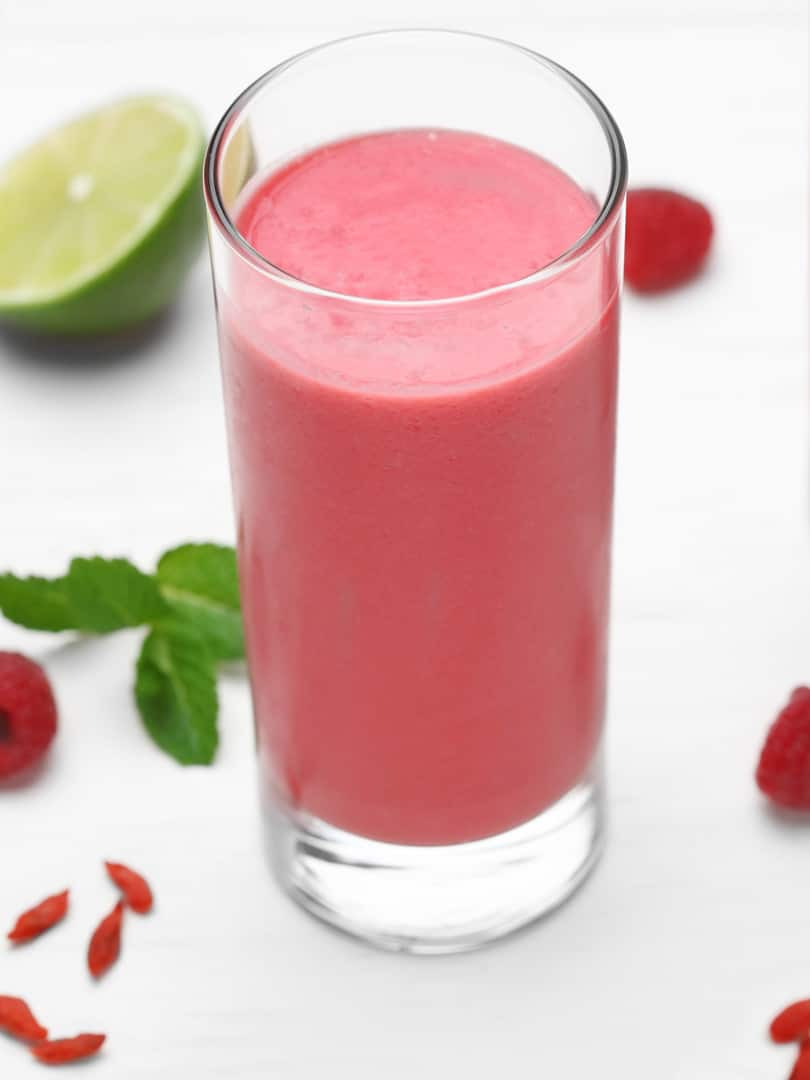
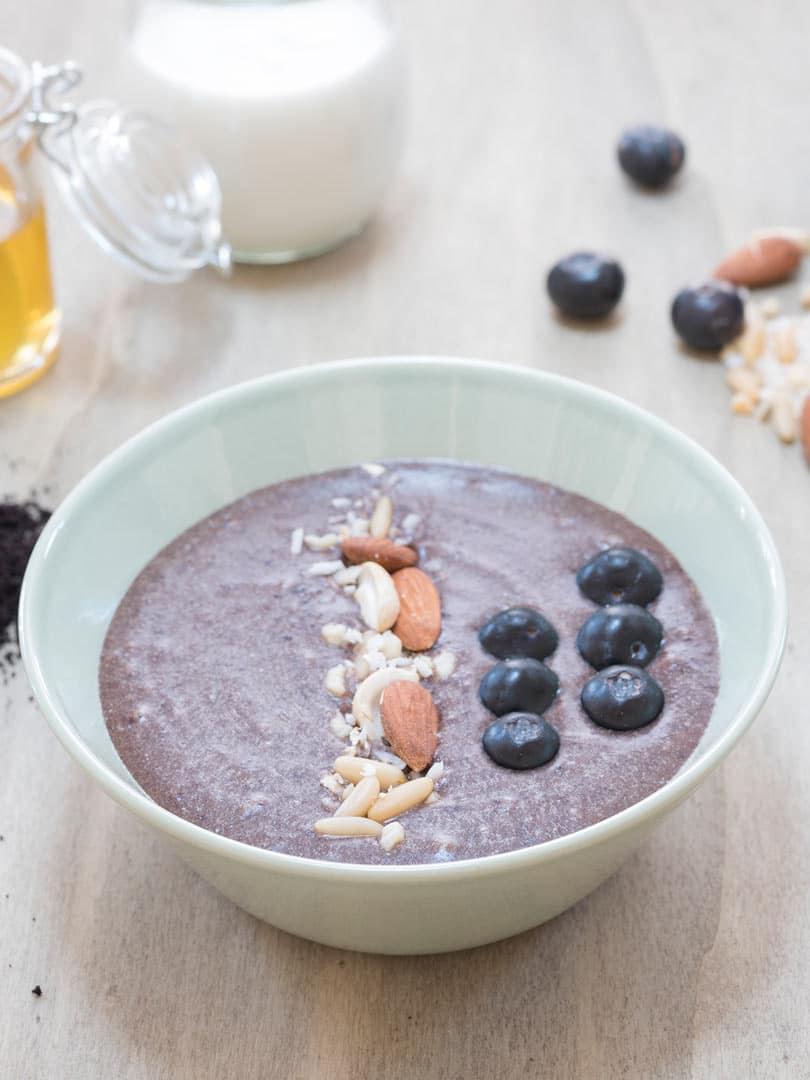
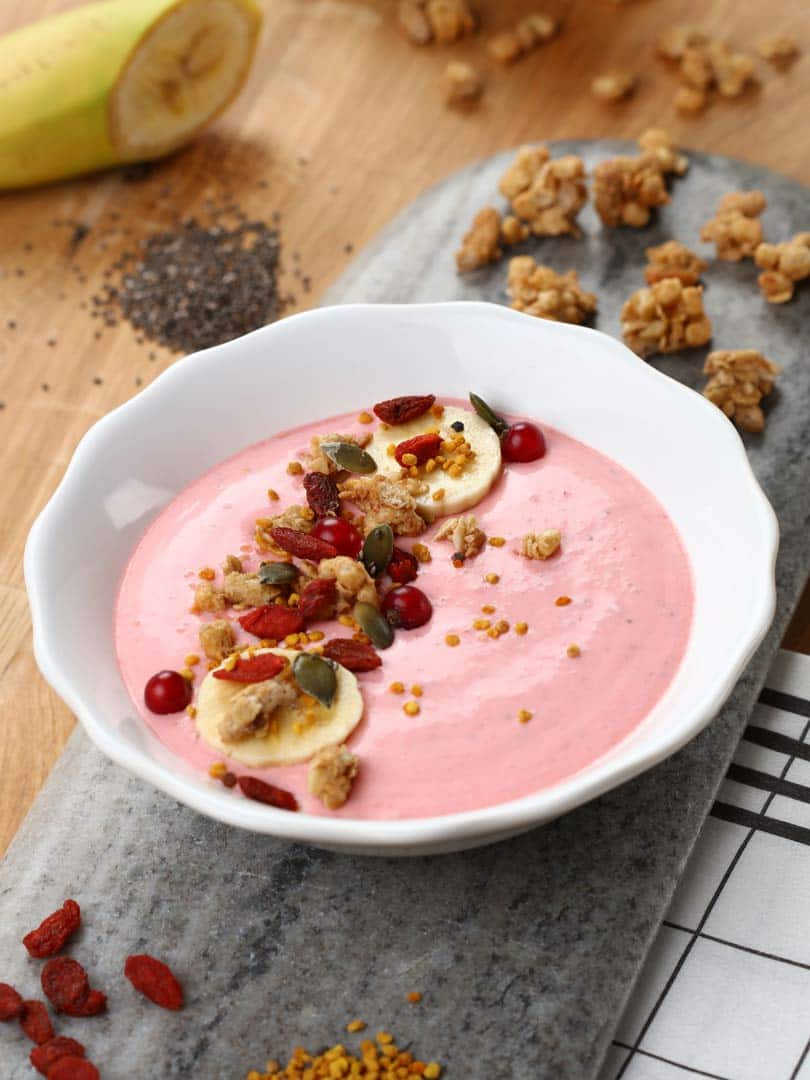
Freeze first, enjoy later

Turn frozen fruit into delicious smoothies or smoothie-bowls. Our recipe ideas tell you how to.

Rapsberry and goji berry smoothie2go with lime and coconut oil

slider-smoothie_rapsberry-goji_card-1_810x1080.jpg

Acai berry smoothie bowl

slider-smoothie_acai-berry-bowl_card-2_810x1080.jpg

Red fruit and coconut smoothie bowl

slider-smoothie_redfruit-coconut_card-3_810x1080.jpg
how-to-store-food_image-copy-3-store-food-in-the-fridge_alternative.jpg

Chilling correctly: How to store food in the fridge

Most fresh foods should go straight in the fridge when you get home. A cool ambient temperature of 4 to 8 °C inside fridges helps to keep perishable foods fresh for long periods. This is because the low temperature slows cell metabolism in foods, impedes the growth of microorganisms and curbs chemical and enzymatic spoilage. The “FiFo” principle (first in, first out) can help you keep track of what’s fresh and what isn’t. In other words: Put new food at the back, bring older food to the front. ​​​​​​​

How to store your refrigerator properly

Fridges have various temperature zones. So, to help foods in the fridge stay fresh for as long as possible, make sure to place them on the right shelf. We set out exactly what belongs where in our fridge tips.

how-to-store-food_ slider-1_fridge-door_card-1.jpg

Porta del frigo

Cosa mettere nella porta del frigo

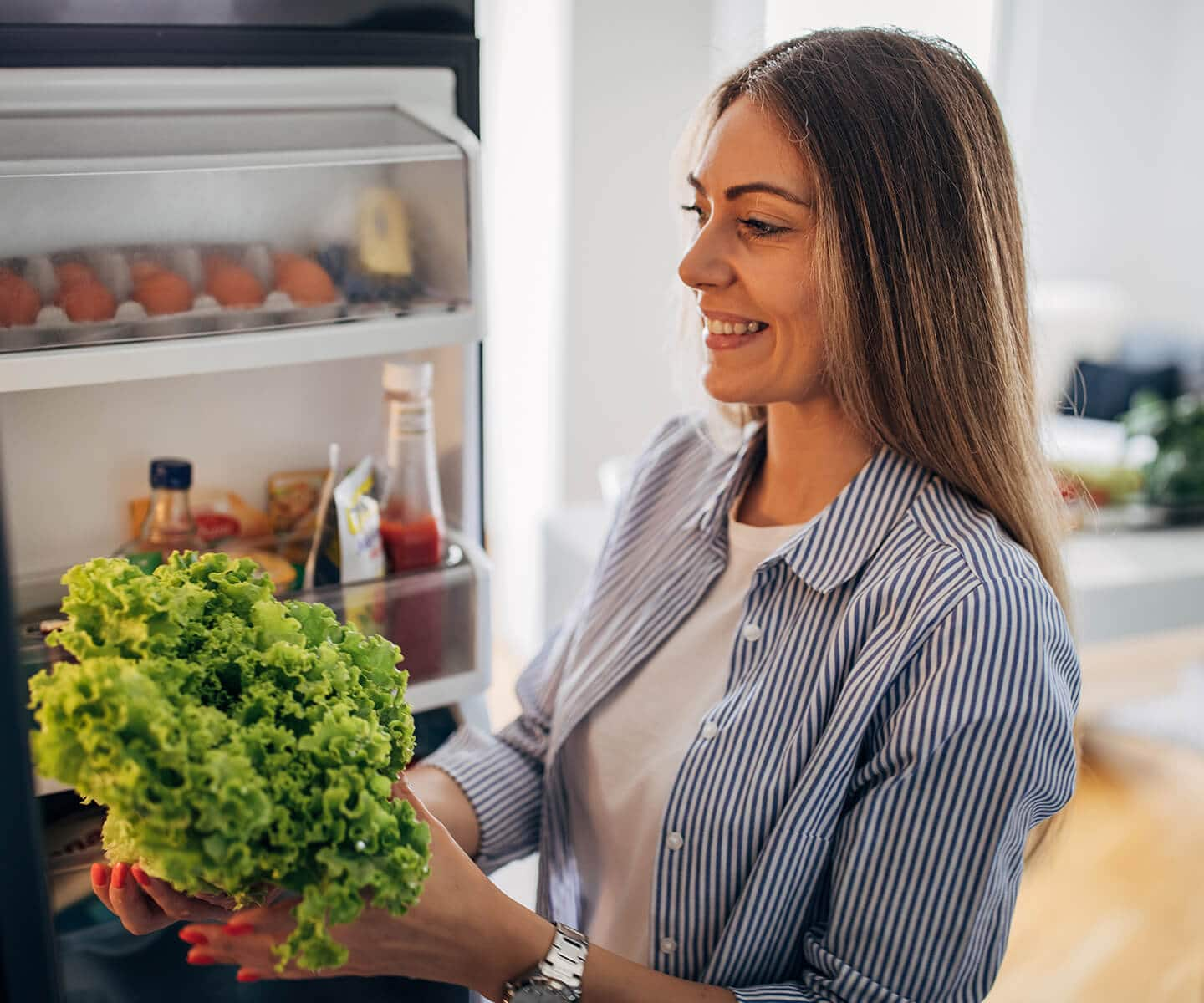
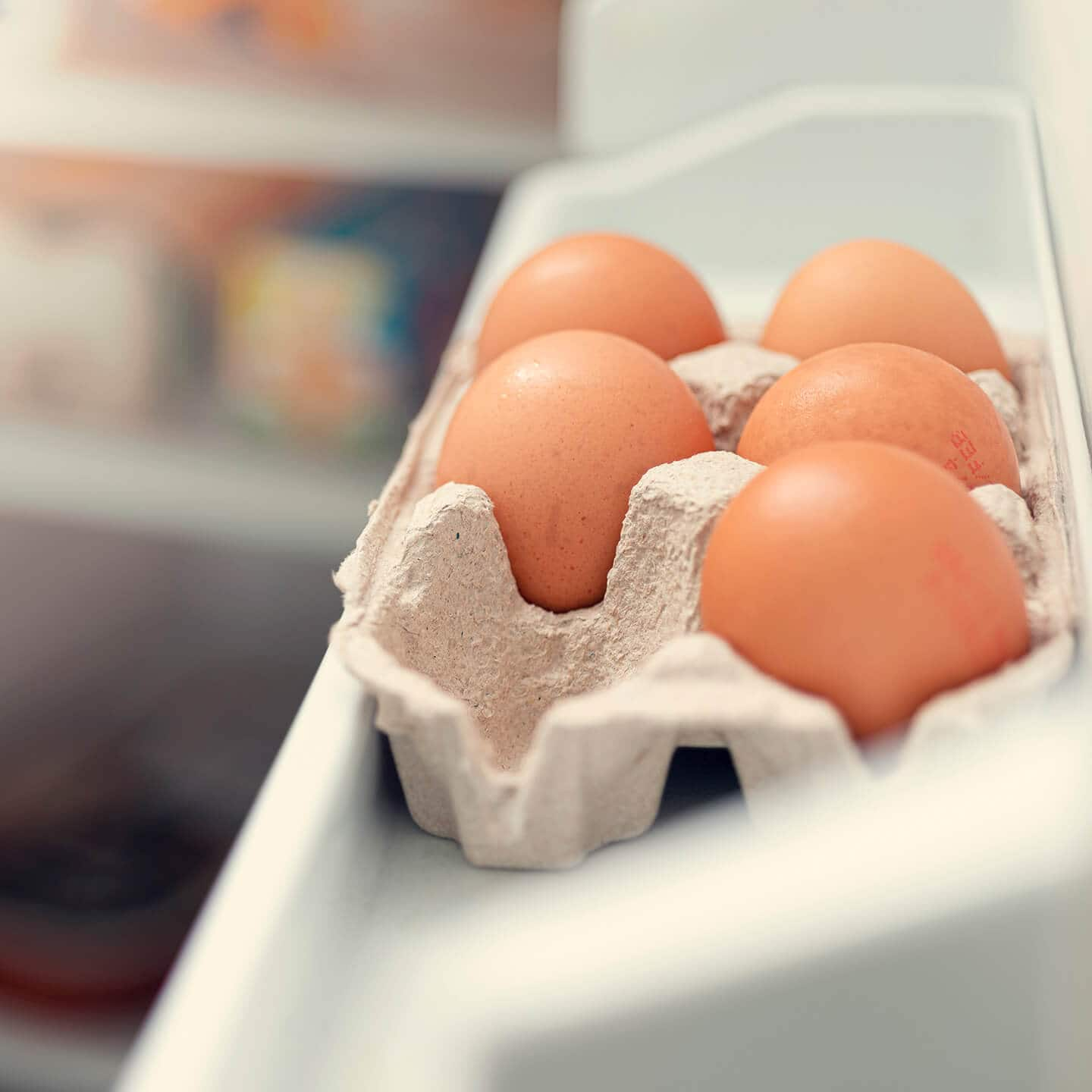
La porta del frigo è uno dei posti più caldi al suo interno. Qui la temperatura è compresa di solito tra gli 8 e i 10 °C. È adatta per conservare sughi pronti, succhi, bevande, condimenti, latte, burro e uova.
how-to-store-food_slider-1_crisper-drawer_card-2.jpg

Cassetto delle verdure

Cosa mettere nel cassetto delle verdure

L'indizio sta nel nome : il cassetto delle verdure mantiene in fresco proprio questi alimenti. Questi cassetti sono separati dal resto del frigo, di solito da un pannello di vetro, che mantiene la temperatura a circa 9 °C. È perfetto per le verdure, l'insalata e vari tipi di frutta. Ricorda: prodotti sensibili al freddo come frutti esotici e verdura con un alto contenuto di acqua non vanno assolutamente messi nel frigo.
how-to-store-food_slider-1_bottom-shelf_card-3.jpg

Scaffale in basso

Cosa mettere nello scaffale in basso

La temperatura nello scaffale in basso, appena sopra il cassetto delle verdure, non è più alta di 2-3 °C. Su questo scaffale, dunque, andrebbero messi prodotti facilmente deperibili come carne, pesce, pollame e le insalate con salumi.
how-to-store-food_slider-1_middle-shelf_card-4.jpg

Scaffale intermedio

Cosa mettere nello scaffale intermedio

Lo scaffale intermedio, di solito, presenta una temperatura di circa 5 °C, rendendolo ideale per latticini come lo yogurt, il latte, la ricotta e la panna. È anche il posto ideale per il formaggio e le salsicce
how-to-store-food_slider-1_top-shelf_card-5.jpg

Scaffale in alto

Cosa mettere nello scaffale in alto

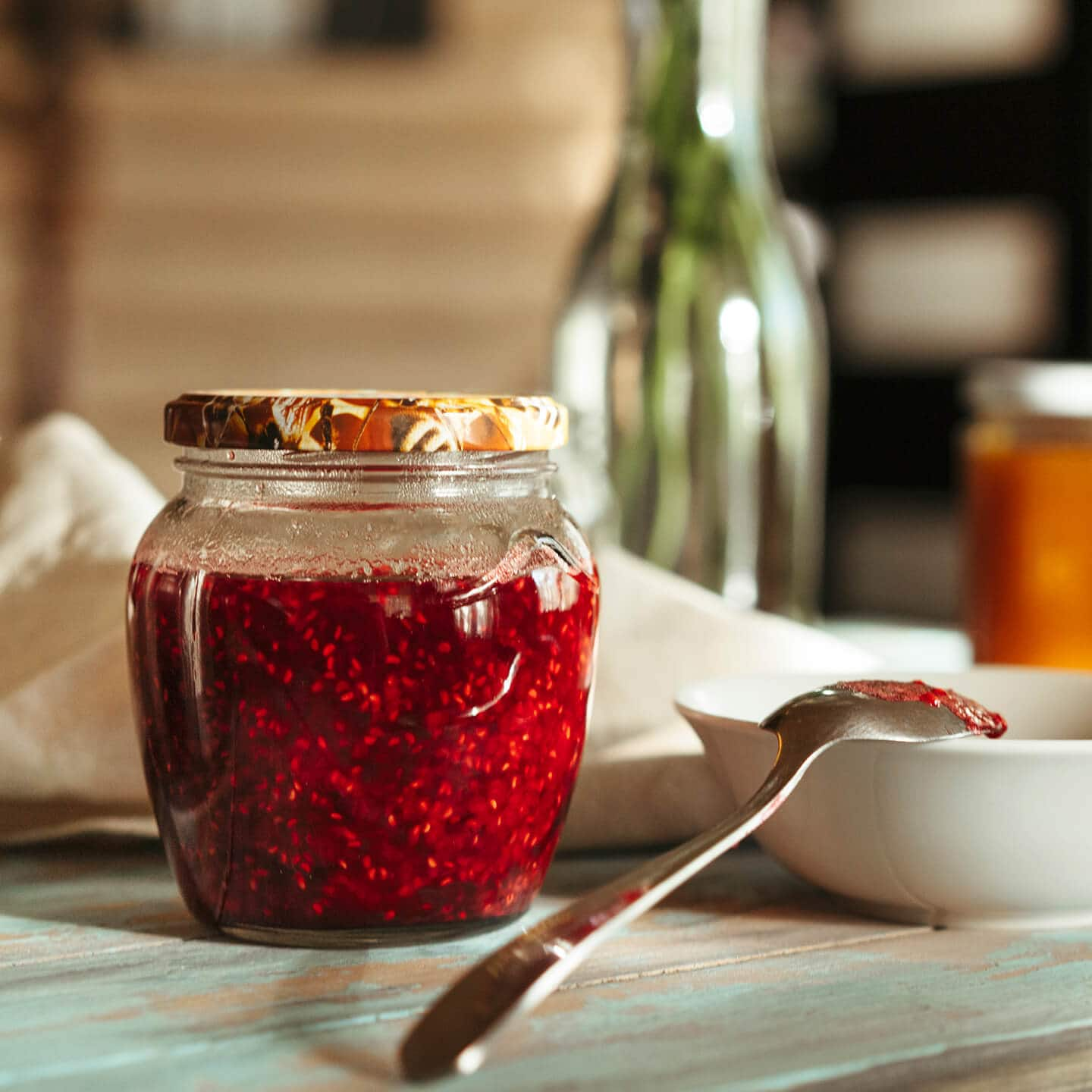
Lo scaffale in alto di un frigo è relativamente caldo. La temperatura, qui, è di solito attorno agli 8 e i 10 °C. A questa temperatura mite, puoi conservare burro e marmellate. Anche degli avanzi che intendi mangiare a breve possono essere conservati qui, dato che quest'area del frigo è perfetta per preservare il sapore.
how-to-store-food_image-copy-4-cupboard-pantry.jpg

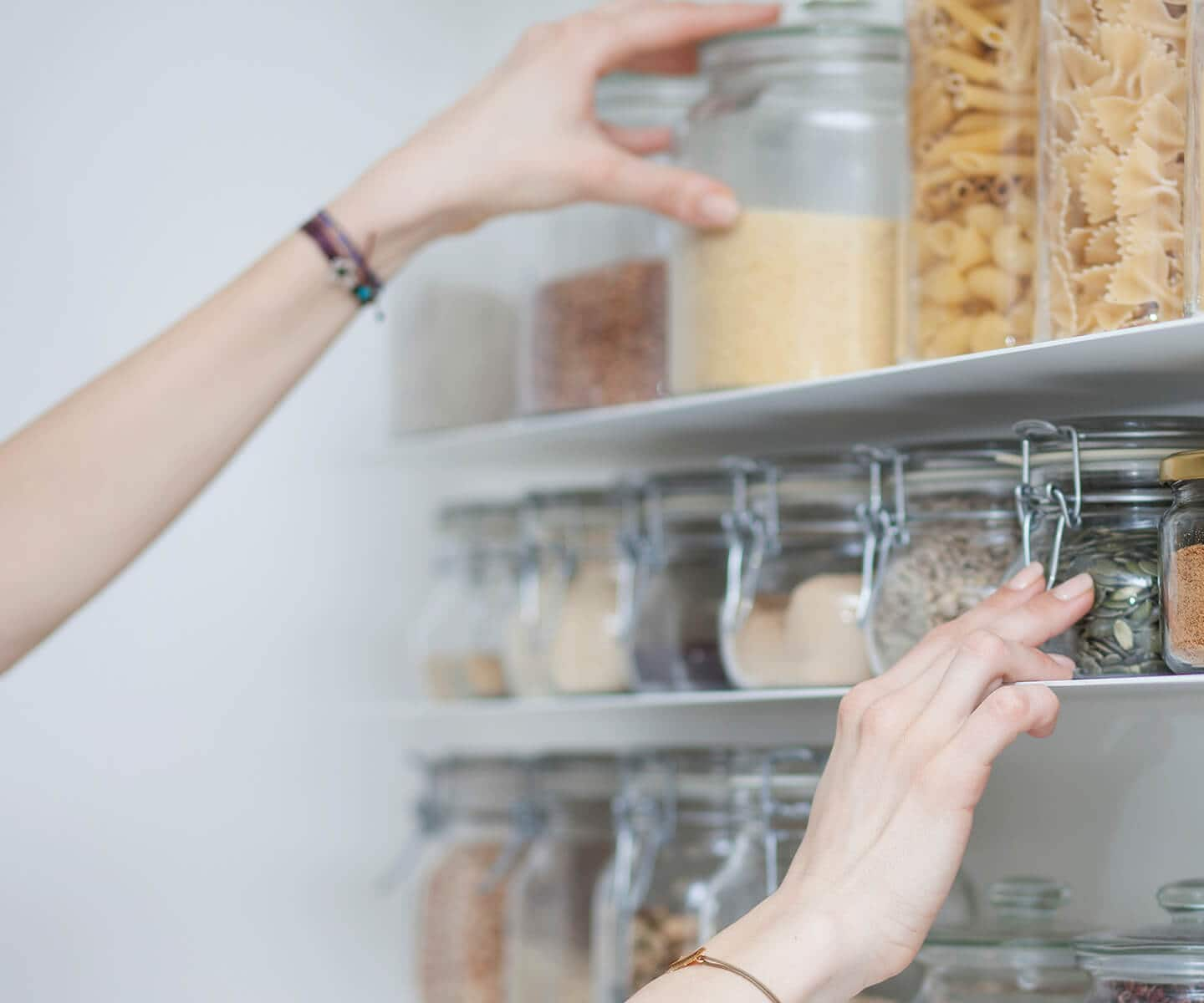
Conservare alimenti a temperatura ambiente nella credenza o nella dispensa

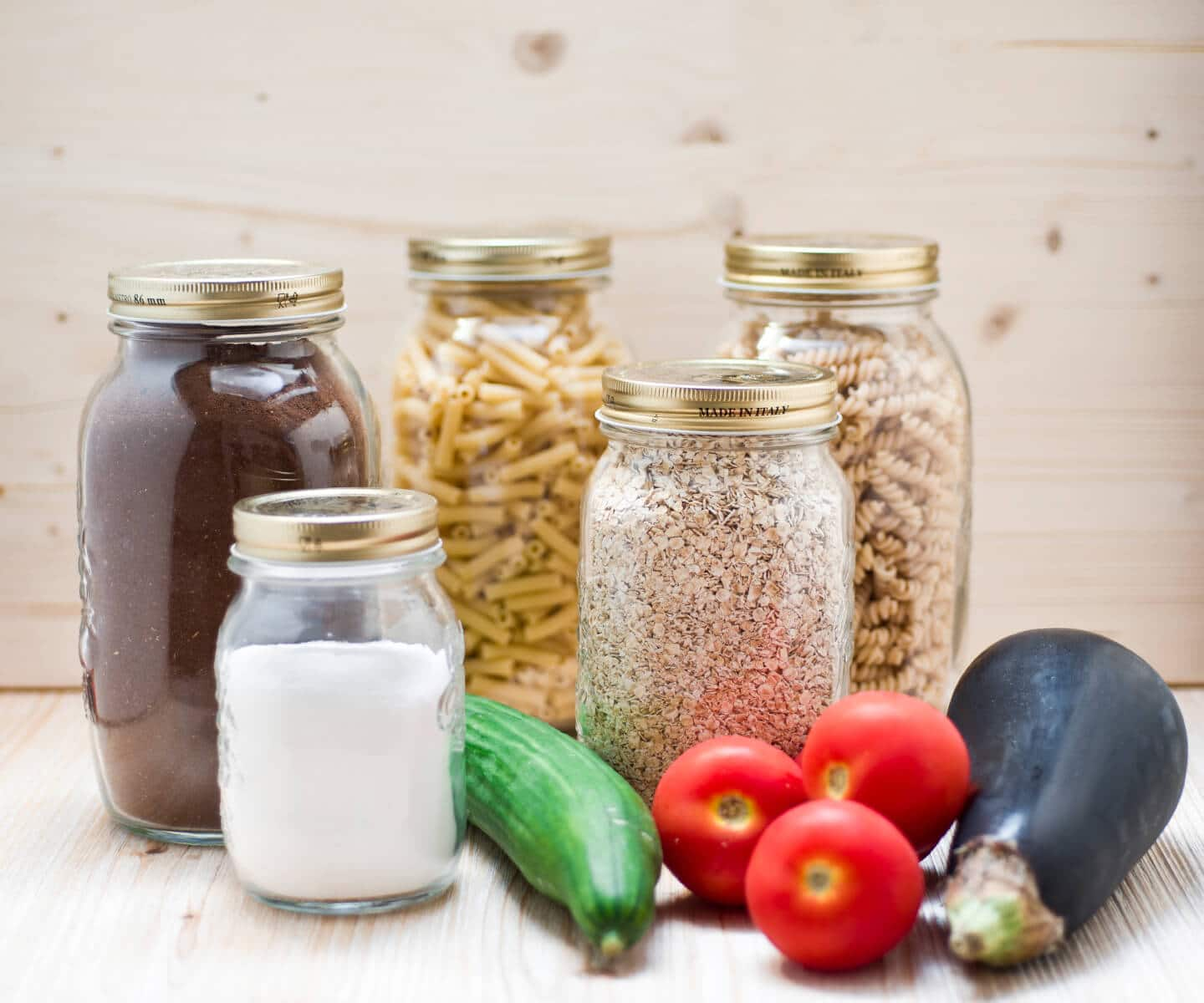
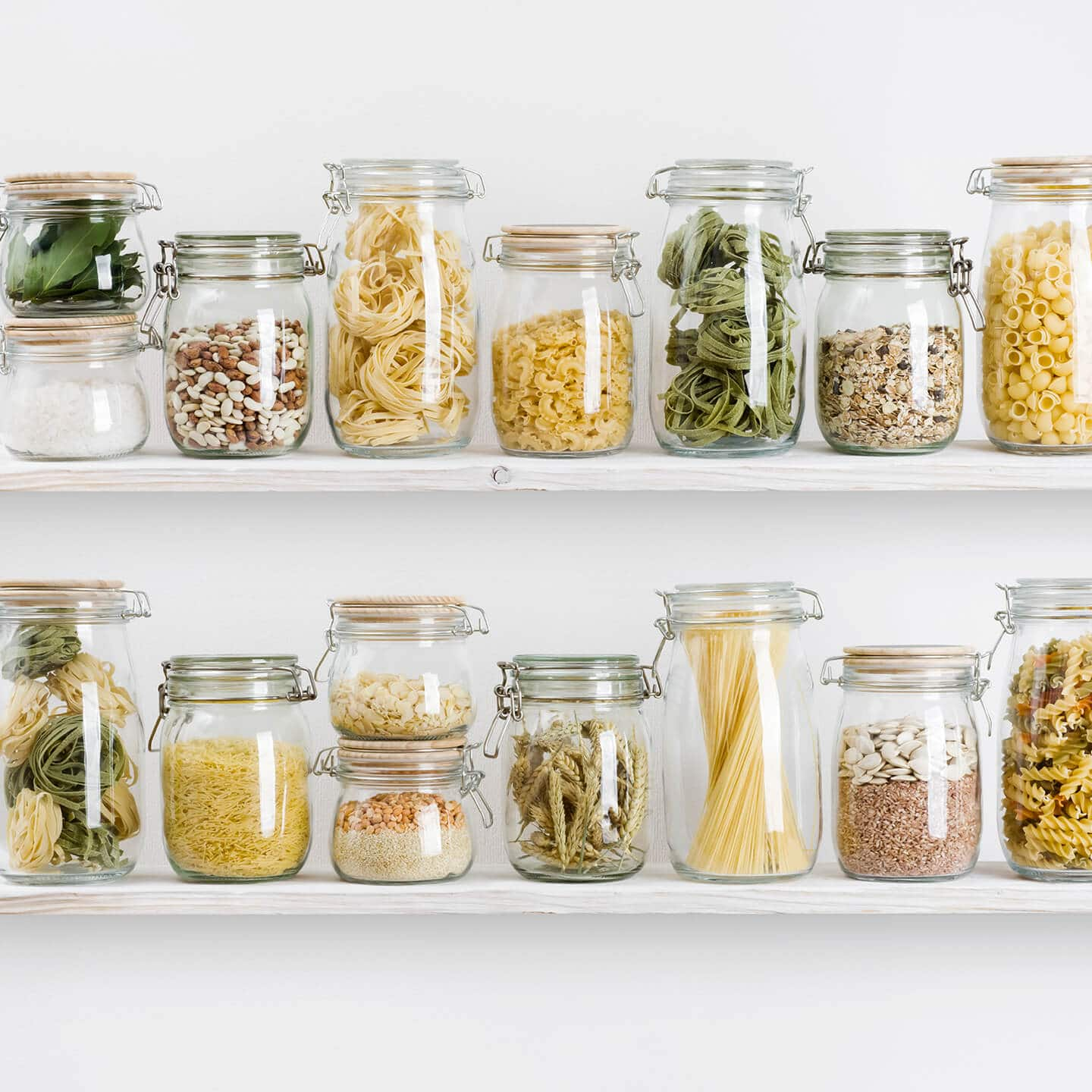
Pasta, riso, cibo in scatola e simili non hanno alcun beneficio se messi in frigo. Invece, va bene conservarli in una credenza ad una temperatura media di 15-20 °C. È importante non esporre il cibo alla luce del sole o al calore, ad esempio tenendolo vicino al piano cottura o al forno. Le alte temperature e l'aria umida generata con la cottura hanno infatti un impatto negativo sulla conservazione dei prodotti. Nel riordinare la tua credenza o dispensa, ricorda : metti i prodotti nuovi sul retro e porta quelli vecchi davanti, cosicchè vengano consumati prima. Una volta aperto un pacchetto, sigillallo per bene o trasferisci i suoi contenuti in un contenitore sigillato. Come quando si congela il cibo, assicurati di etichettare i contenitori con date e contenuto, così non ti dimenticherai cosa c'è dentro.

Consevare gli alimenti nel posto giusto : Dove mettere cosa

Se non correttamente conservato, il cibo perderà tutto il suo sapore e andrà a male più in fretta. Vediamo qual è il miglior luogo per conservare diverse tipologie di alimenti per farli rimanere freschi più a lungo.

how-to-store-food_slider-2_bread-baked-goods_card-1.jpg

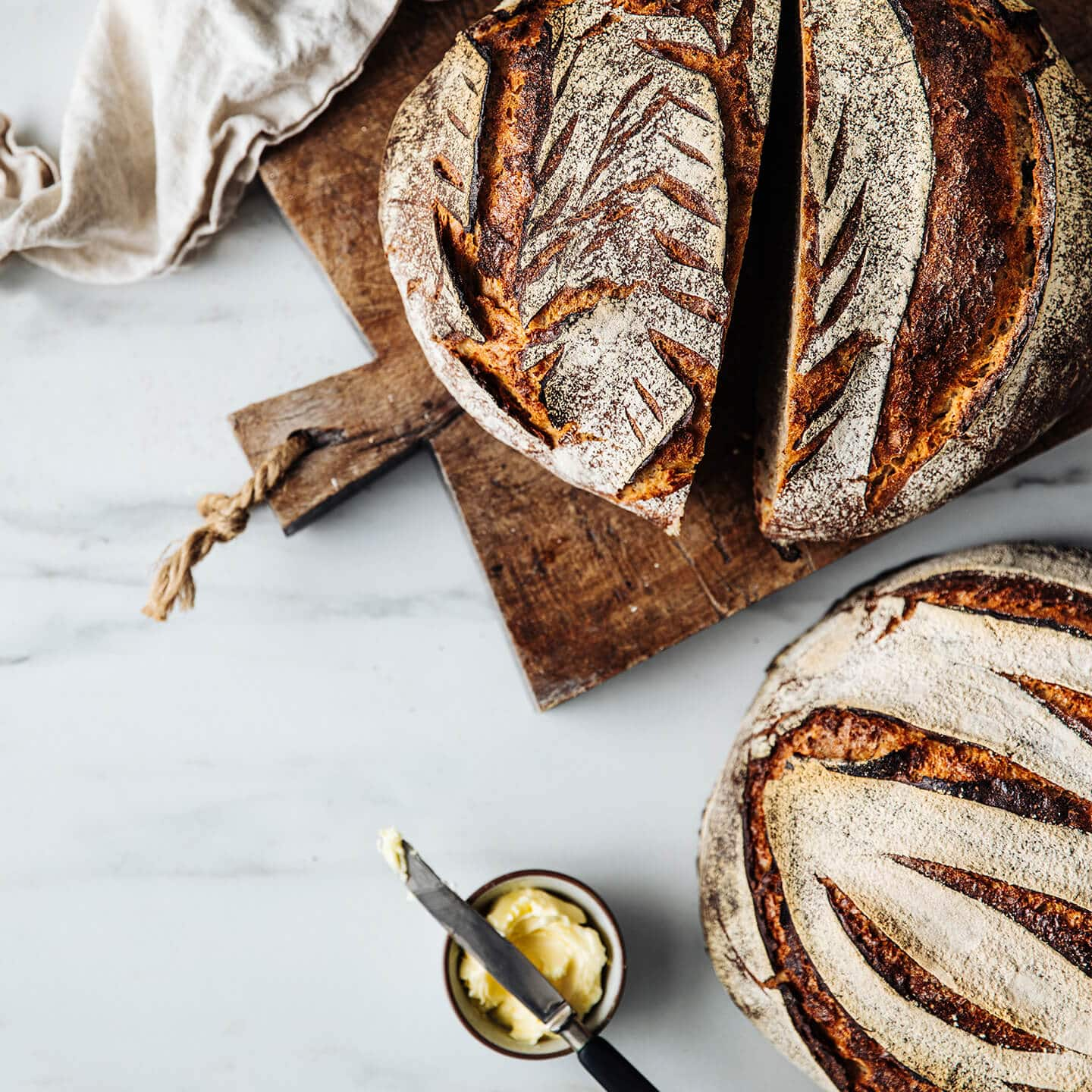
Pane & prodotti da forno

Mantenere il pane fresco più a lungo

Mantenere il pane fresco significa evitare che si secchi, ad esempio conservandolo in un cestino per il pane o in un contenitore di porcellana con un coperchio. Molte persone conservano il pane in borse di plastica. Lo svantaggio di questa pratica è che il pane fresco da panificio diventa fiappo molto velocemente se conservato in sacchetti a tenuta d'aria. Per questo motivo è meglio evitare di tenere i prodotti da forno croccanti che pensi di mangiare a breve chiusi, ma lasciarli ad esempio nei sacchetti in cui sono stati messi in panificio. Il seccarsi, però, non è l'unico modo in cui il pane può andare a male. Se l'ambiente è troppo umido e l'aria non circola, l'acqua può accumularsi formando muffa, in particolare nel caso del pane a fette.
how-to-store-food_slider-2_fruits-vegetables_card-2.jpg

Frutta & verdura

Mele, carote, insialata, ecc. : Cosa va messo in frigo e cosa no

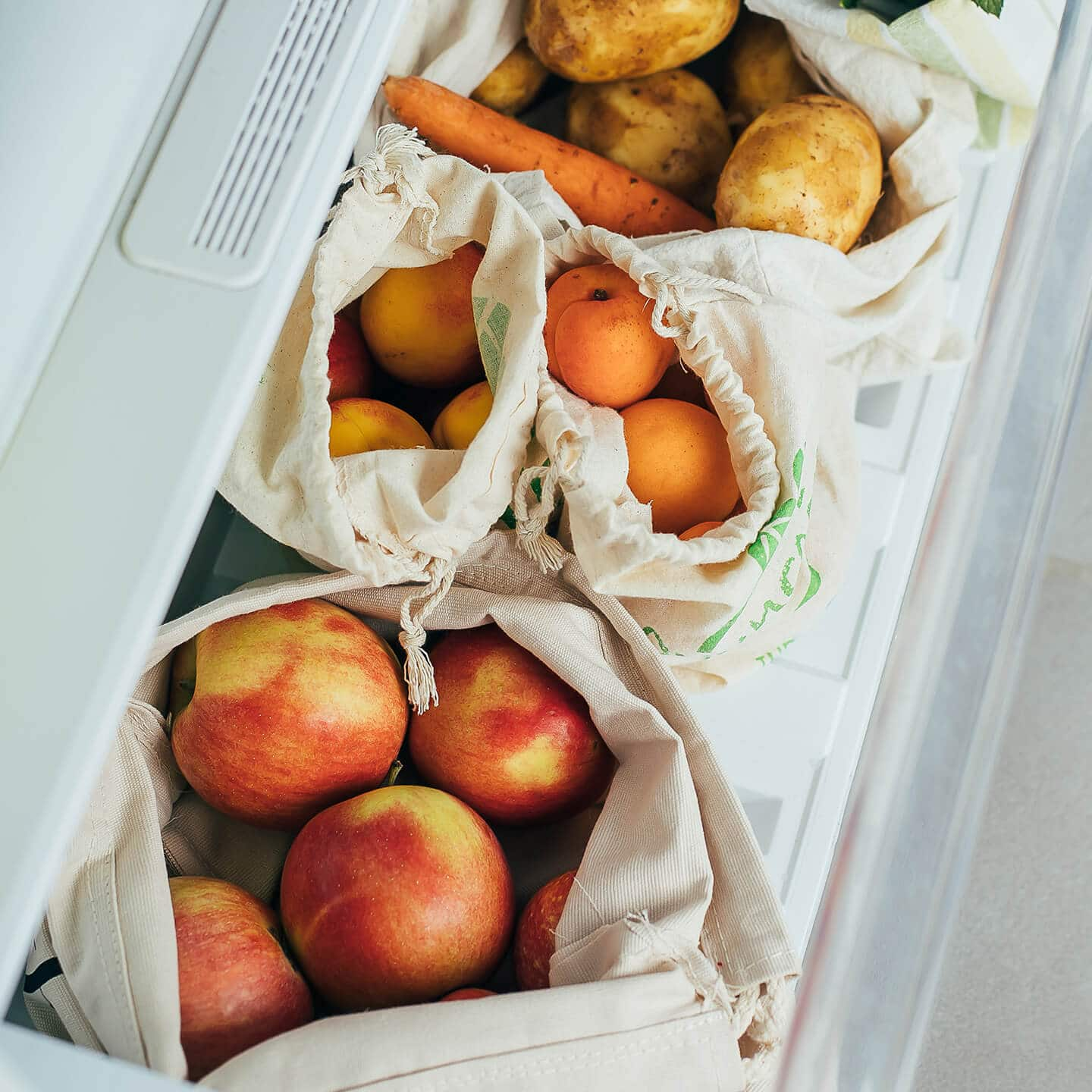
Quasi tutte le verdure possono essere conservate in frigo. Le uniche verdure che non dovrebbero starci sono melanzane, pomodori, patate e zucche. La situazione con frutta, invece, è un po' più complicata. Alcuni tipi di frutta rimangono freschi e mantengono le loro vitamine se tenuti al fresco. Altri, però, sono molto sensibili alle basse temperature. Generalmente, dovresti tenere al fresco frutta locale come mele, ciliege e prugne. Frutta esotica come mango, banane e agrumi, invece non vanno messi in frigo. L'eccezione a questa regola la fanno i fichi e i kiwi, i quali possono stare benissimo nel cassetto della verdura. Con il tempo, alcuni tipi di frutta e verdura sviluppano etilene durante la maturazione. Questo gas fa deteriorare più in fretta frutta e verdura nelle sue prossimità. Chi produce più etilene tra questi prodotti, sono mele, albicocche, prugne e pomodori. Per questo motivo è meglio tenerli separati.

how-to-store-food_slider-2_dairy-products_card-3.jpg

Latticini

Yogurt, burro e latte : Come mantenere i latticini freschi

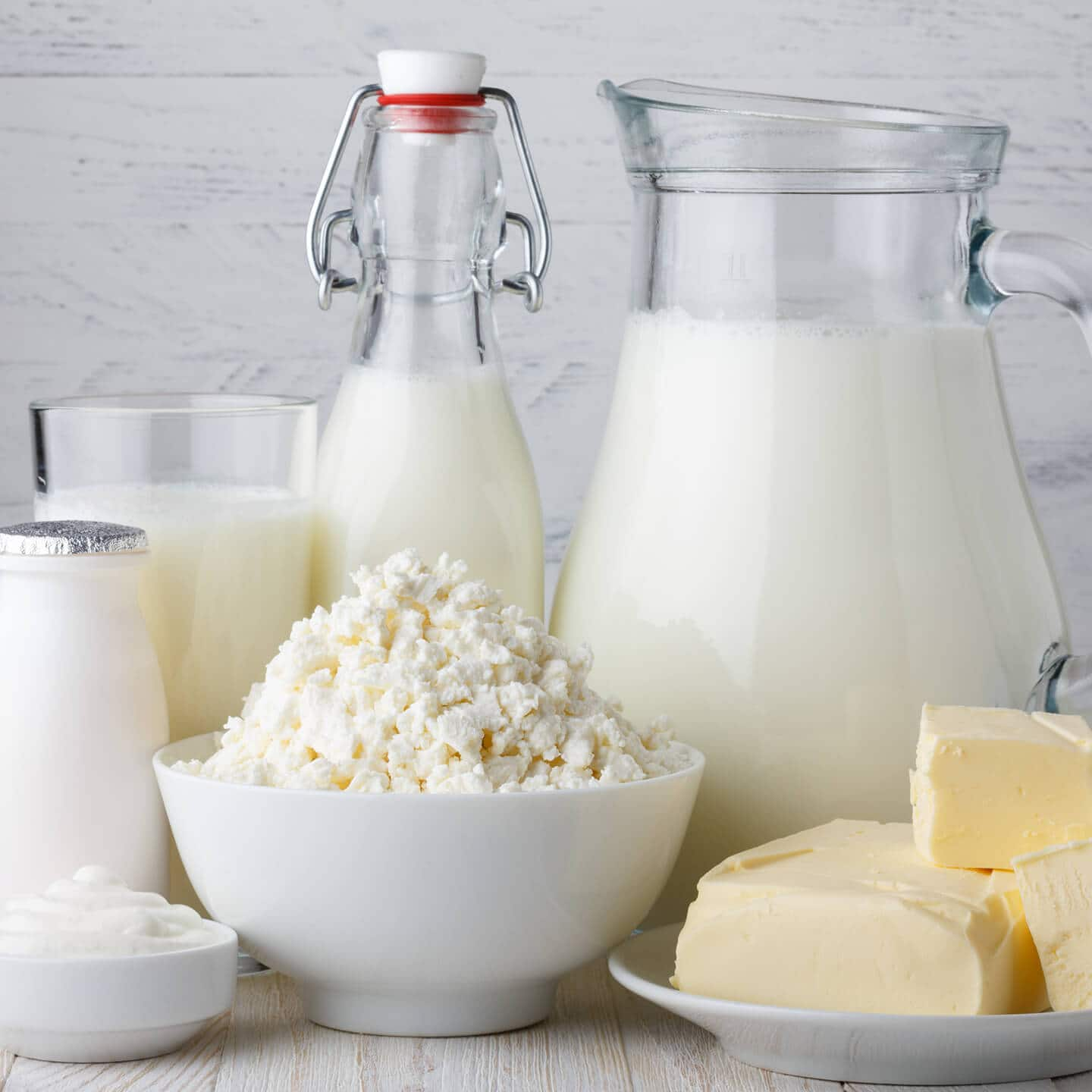
Yogurt, burro e latte dovrebbero essere messi in frigo il prima possibile non appena presi al supermercato. Idealmente, dovresti tenerli ben chiusi nelle loro confezioni originali : metti il burro nello scaffale in alto della porta del frigo, e tieni yogurt e latte nello scaffale intermedio. Il latte a lunga conversazione va messo in frigo solo dopo l'apertura; può essere infatti tenuto chiuso a temperatura ambiente per diverse settimane. Per quanto riguarda il latte il latte non pastorizzato, dovrebbe essere consumato entro al massimo due o tre giorni. Il latte fresco pastorizzato, invece, spesso rimane fresco fino ad una settimana se tenuto chiuso, e per due-tre giorni se aperto. A causa del suo alto contenuto di grassi, puoi congelare il burro, per poi scongelarlo lasciandolo nella porta del frigo quando ne hai bisogno.
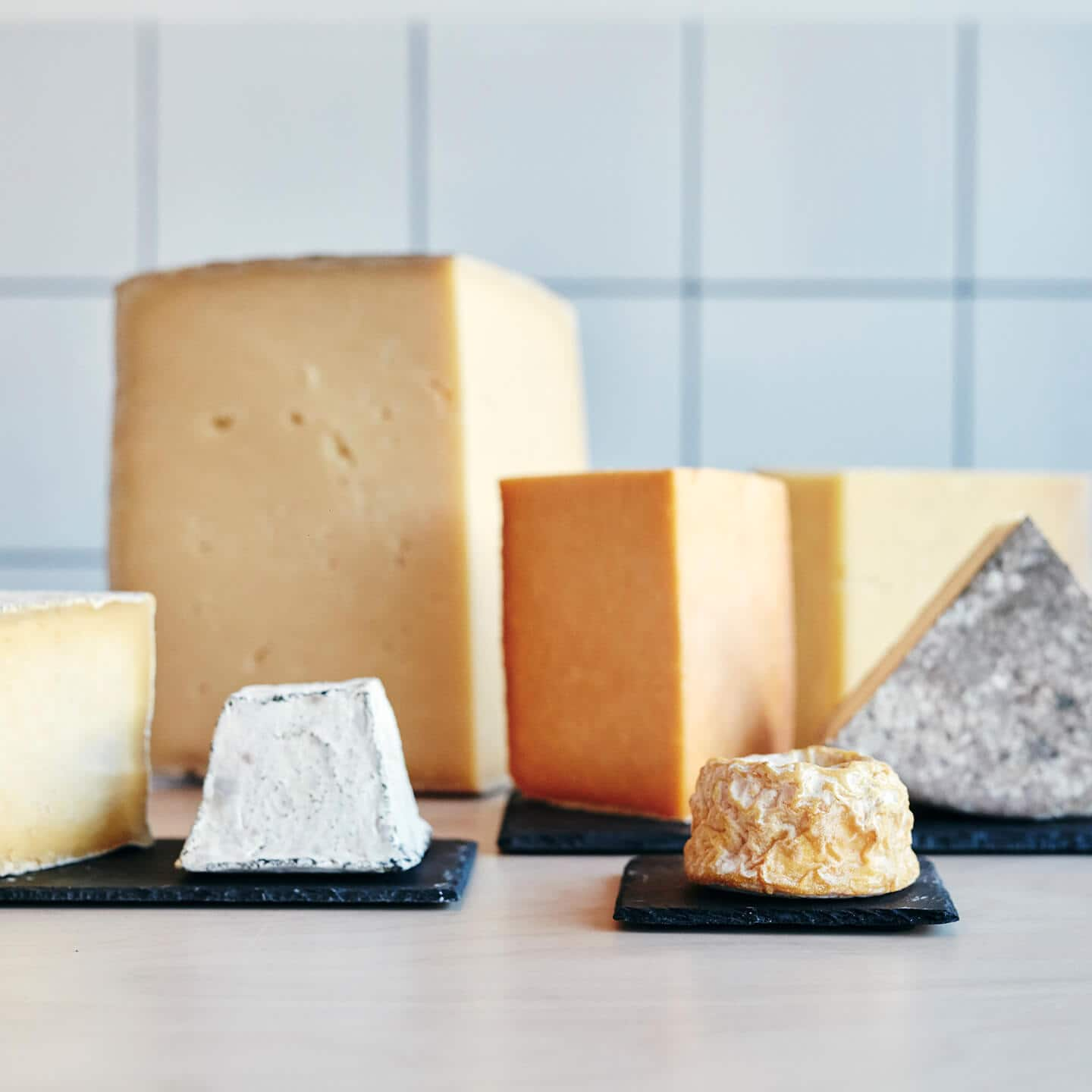
how-to-store-food_slider-2_cheese_card-4.jpg

Formaggio

Il formaggio si conserva al meglio in posti ben ventilati e umidi, ma i formaggi spalmabili hanno bisogno di stare al fresco.

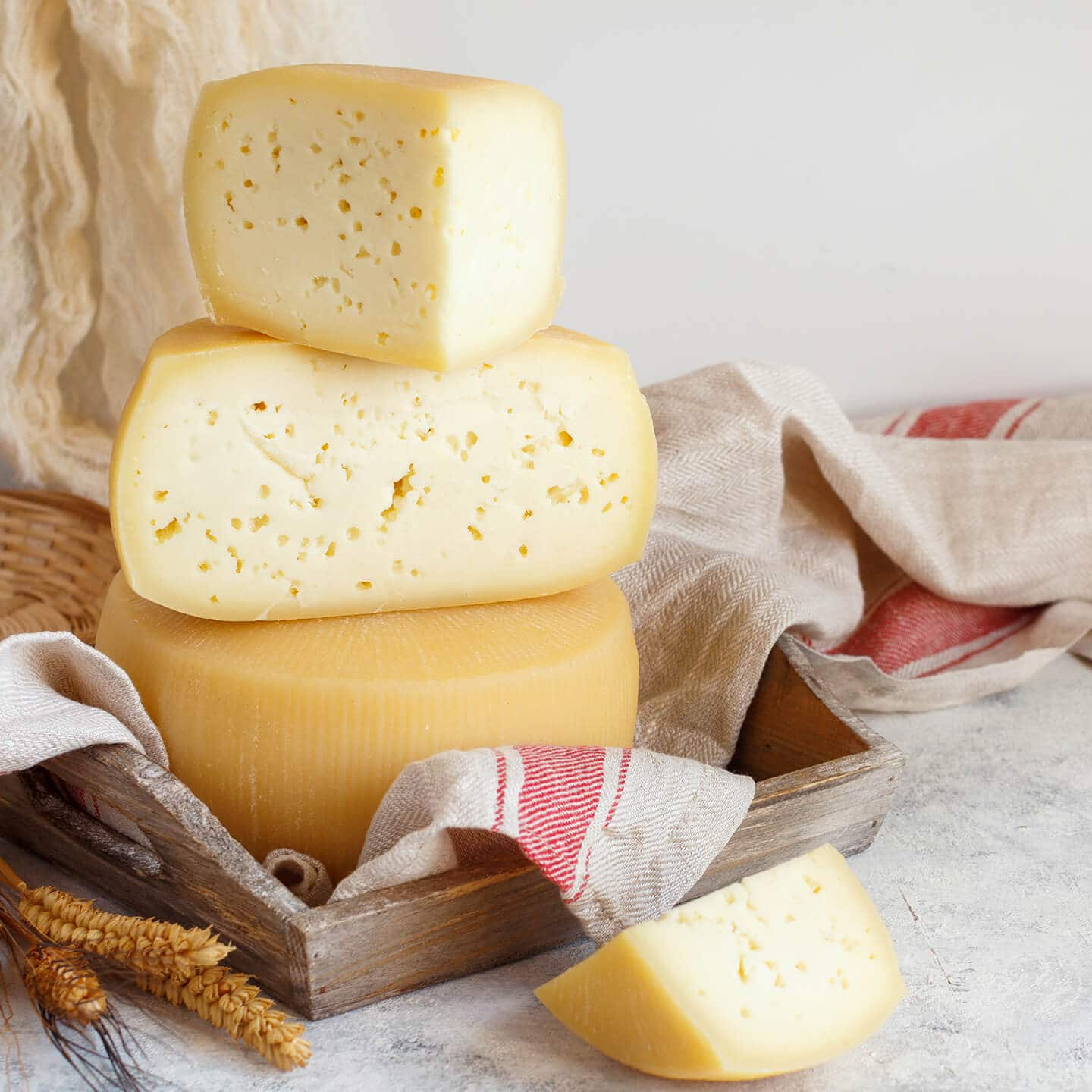
Con l'eccezione dei formaggi cremosi e spalmabili, tutti i tipi di formaggio dovrebbero poter respirare, evitando quindi contenitori ermetici. Per quanto riguarda il formaggio preconfezionato, la cosa migliore da fare è tenerlo nella sua confezione originale, in della carta speciale per avvolgere formaggi, in della carta per sandwhich oppure in contenitori per preservare il formaggio. Ciò eviterà che perdano il loro aroma, e che della muffa si formi sui formaggi più stagionati. Un'altra opzione è quella della pellicola trasparente, ma non si dovrebbero mai usare contenitori di plastica a tenuta stagna. Il formaggio, generalmente, si conserva al meglio nello scaffale intermedio del frigo. I formaggi cremosi, invece, dovrebbero stare in una zona molto più fresca, nello scaffale più in basso. I pezzi di formaggio possono durare fino a tre settimane nel frigo. Le fette di formaggio confezionate e il formaggio spalmabile si seccano in fretta una volta aperte, e perdono tutto il loro sapore, quindi è meglio mangiarle entro una settimana dopo l'apertura
how-to-store-food_slider-2_pasta_card-5.jpg

Pasta

The best way to store pasta, spaetzle and gnocchi

You can store dried pasta for up to a year. It’s important to store it at room temperature and keep it dry and well sealed. Why? Well, like other dried goods – such as flour, muesli and tea – dried pasta is particularly susceptible to pests, such as food moths.

Fresh dough-based products like pasta, spaetzle and gnocchi are extremely susceptible to germs. When well chilled, they will keep in the fridge for three or four days. Proper food preparation is a key factor in ensuring that food stays fresh for as long as possible. Simply make sure to cook pasta only until it is al dente – firm to the bite. Spätzle and gnocchi are ready as soon as they start to float to the surface. You can keep leftover pasta on the top shelf of the fridge, where it will stay fresh for one or two days. It’s best to keep cooked pasta in sealed containers so that it doesn’t become hard.
how-to-store-food_slider-2_meat_card-6.jpg

Meat

Things to remember when storing meat

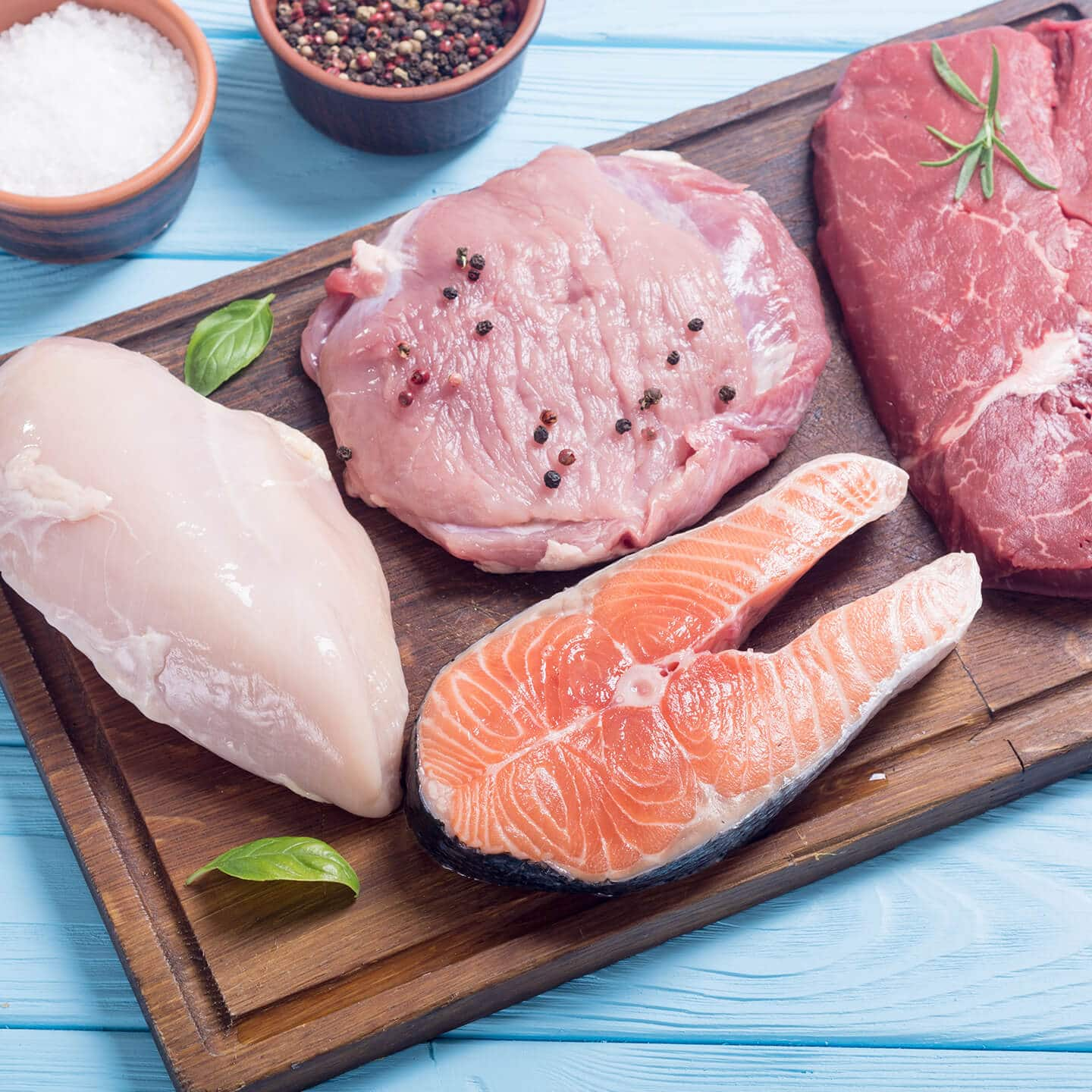
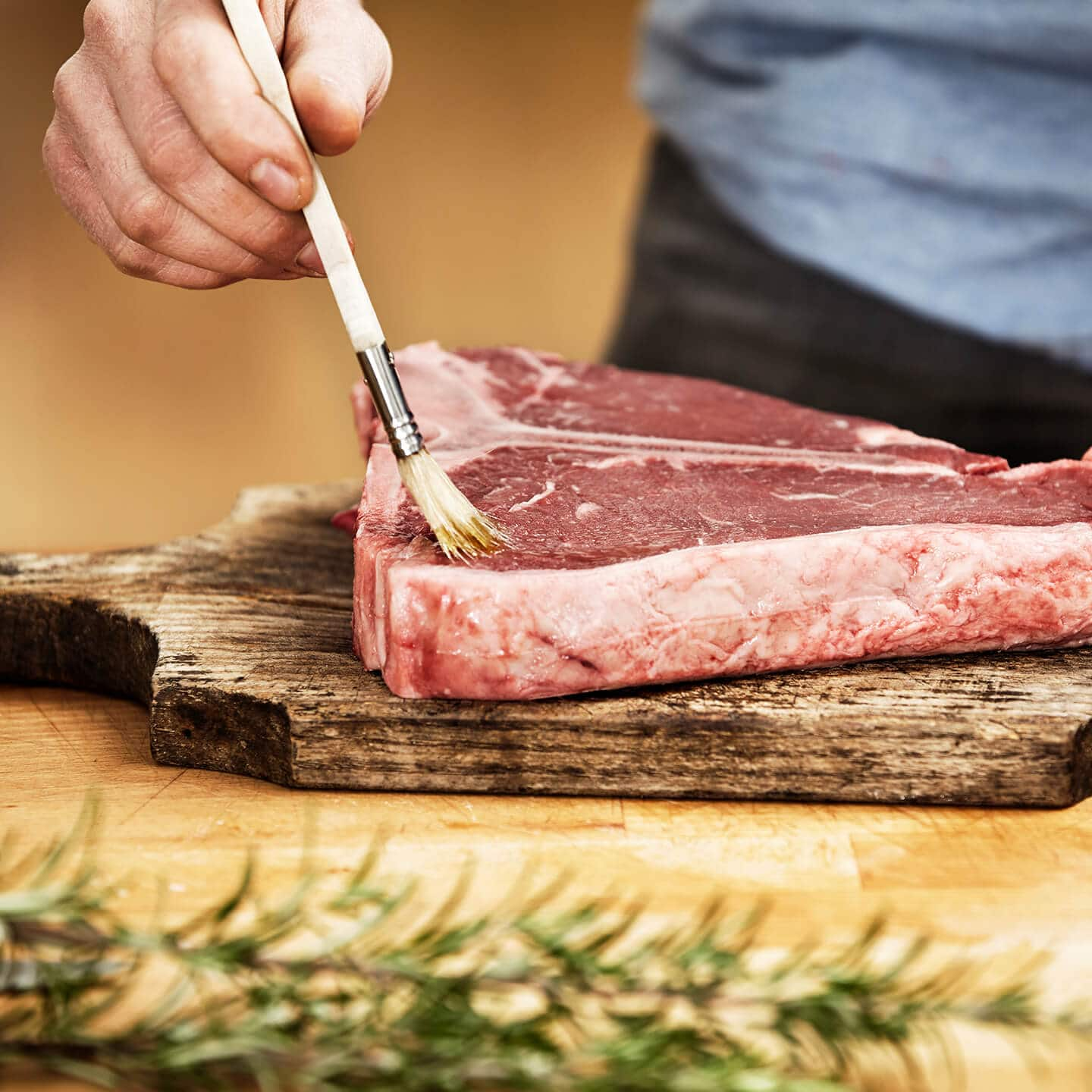
Meat, poultry and sausages are foods that spoil very quickly. If at all possible, you should avoid breaking the cold chain or only do so for a very short time. The best way is to take a cool bag with you to the supermarket. At home, place meat on the bottom shelf of the fridge straight away, as this is the coolest part of the fridge.
​​​​​​​
If you buy meat in plastic packaging, you should replace this before putting it in the fridge. Remove the meat from the packaging, dab it dry with kitchen paper, wrap it in baking paper and place it in an airtight container to protect against germs. Beef can be stored for 3 to 4 days; veal and pork will keep for 2 to 3 days, but poultry only stays fresh for 1 or 2 days. Take care when it comes to minced meats – if possible, you should eat these on the day you buy them. Always defrost frozen meat in the fridge and remember that this can produce defrost water.​​​​​​​
how-to-store-food_slider-2_fish_card-7.jpg

Fish

The best way to store fish

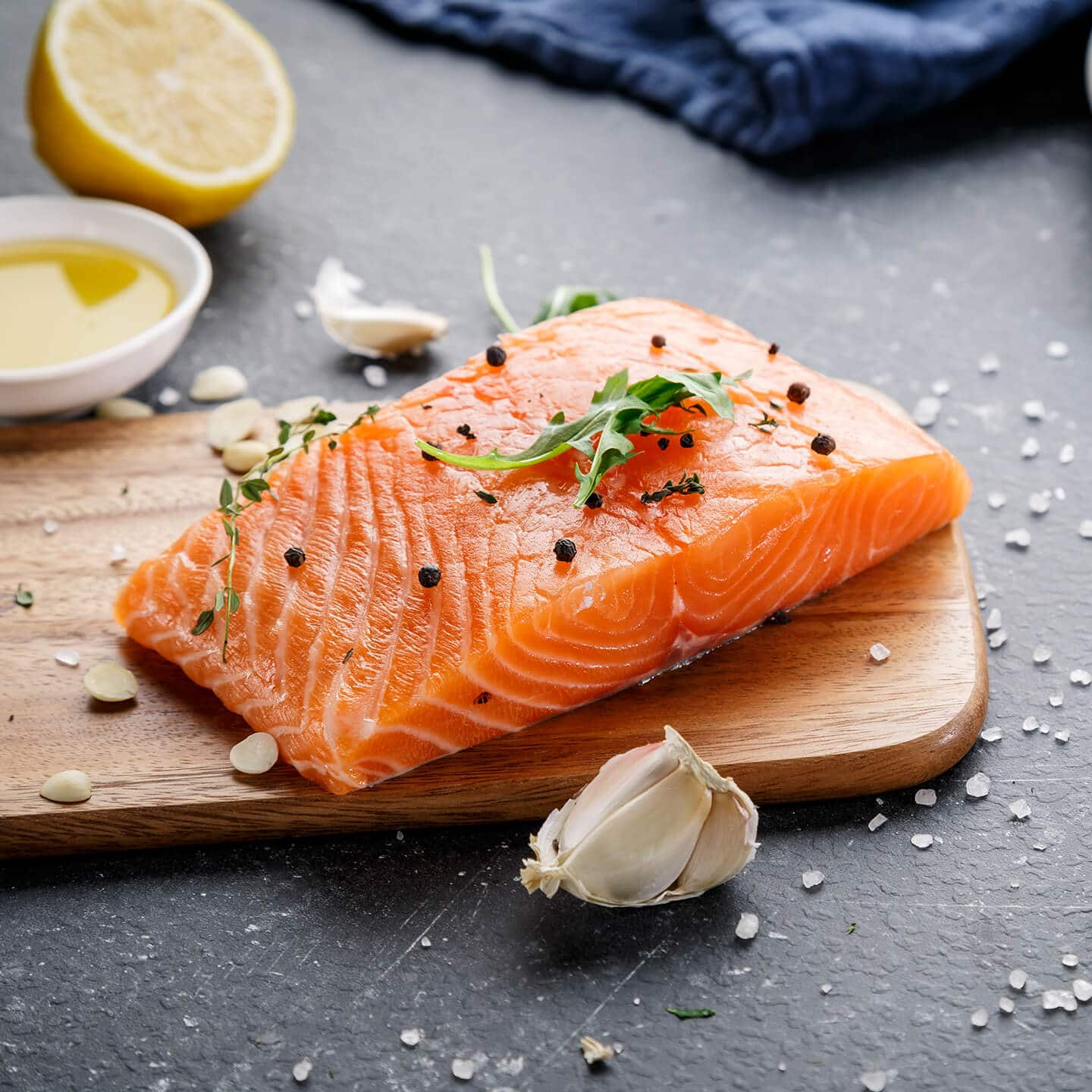
Fish is even more perishable than meat. As a result, it’s best to eat fish straight after you buy it. If you buy fresh fish from the fish counter, don’t leave it in its packaging: store it in a glass or porcelain container, cover it with cling film and ice, and store it in the fridge for 1 day at most.
​​​​​​​
Store pre-packaged fish from the deep-frozen section in your freezer and keep an eye on the best-before date! The smoking process helps smoked fish stay fresh for longer. You can keep this in your fridge, covered in cling film, for up to around 3 days. Always defrost frozen fish in the fridge and remember that this can produce defrost water.​​​​​​​​​​​​​​

Little hint: You don’t need to throw away food past its best-before date

 
  • Most food has a best-before date (BBD) on its packaging. However, food doesn’t automatically go bad just because this date has passed. This is the date until which the manufacturer guarantees typical product characteristics, such as taste, aroma, consistency and colour.
     
  • It’s important to distinguish between the best-before date and the use-by date for perishable foods such as raw fish, mince and fresh poultry. You should not eat products after their use-by date and should throw them away instead.
     
  • Take a look, have a taste, smell food for yourself: trust your senses! It’s often easy to tell whether food is still good enough to eat once its BBD has passed.
     
Braun Did You Know Icon

Did you know?

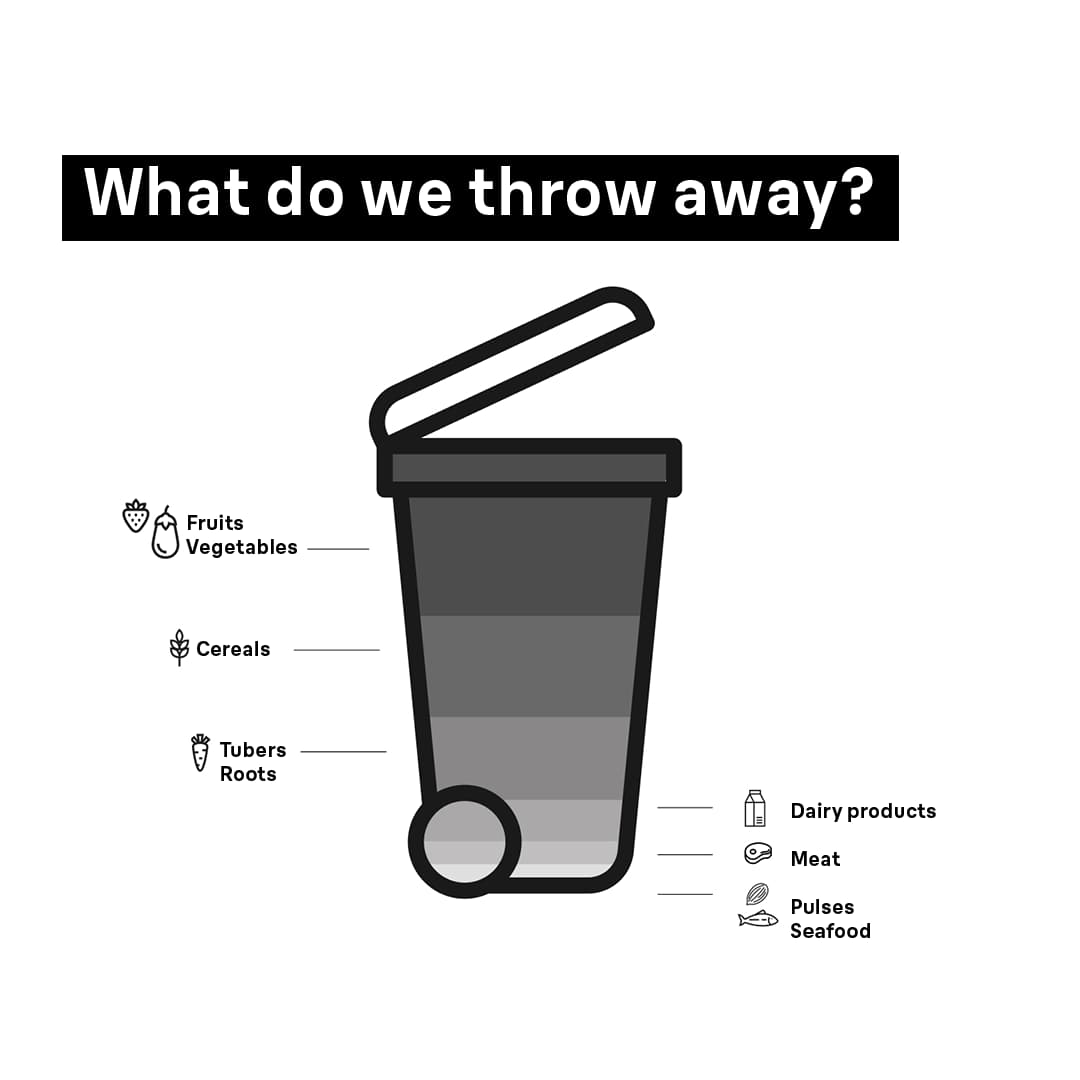
None of us would ever plan to throw away one-third of the food we buy. However, the statistics show that this is precisely the amount that ends up in the bin, unused. According to estimates from the World Health Organization (WHO), this corresponds to 1.3 billion tonnes of discarded food globally each year. This is an inconceivable waste of food when you consider that there are 690 million people around the world who are starving.

Did you know...

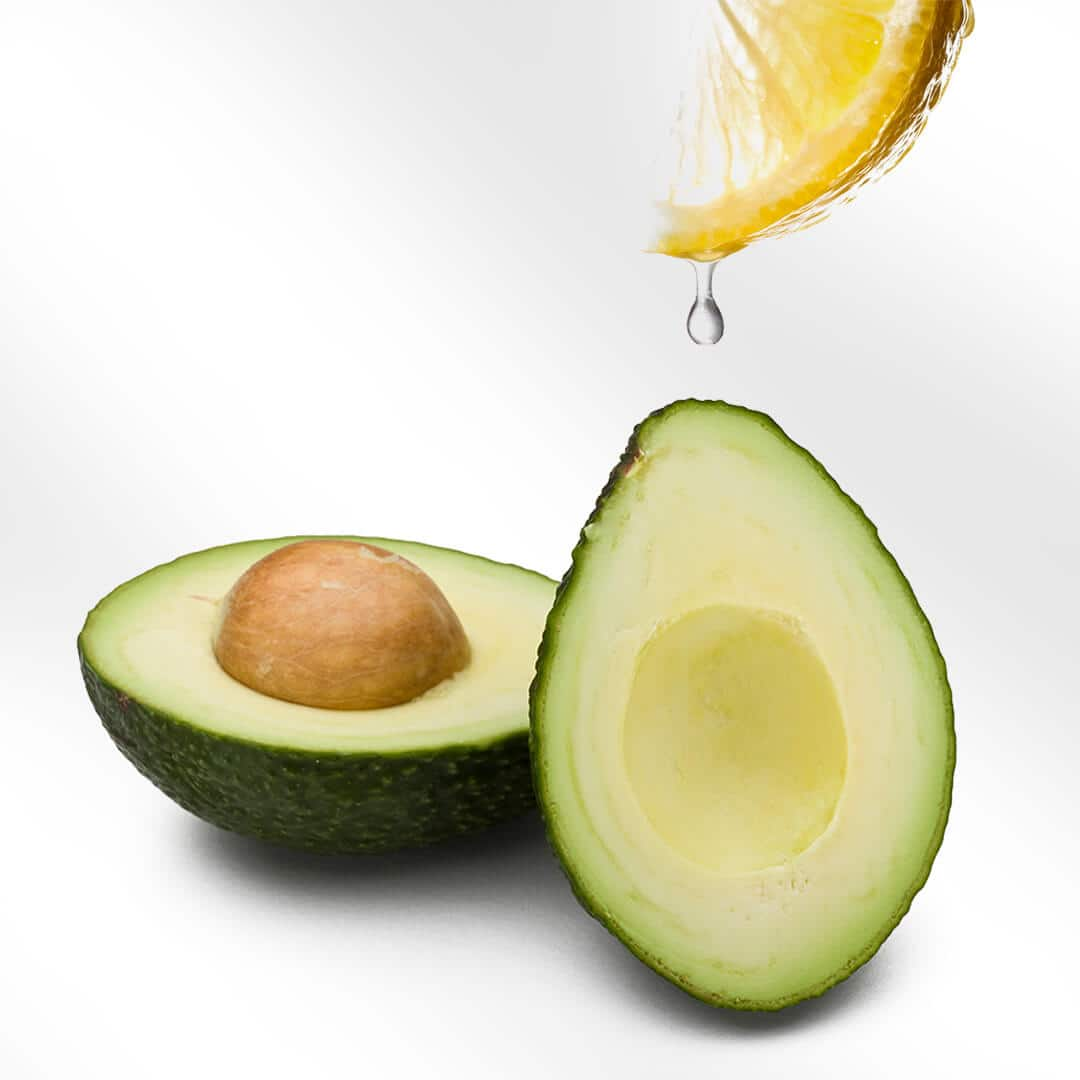
...how to keep your Avocados from browning?

Braun's kitchen hack of the day: after opening an avocado, simply sprinkle some fresh lemon juice on it to keep it from browning. It stays fresh for longer and even tastes good.

Avocado cut in half with citrus juice dripping on it.

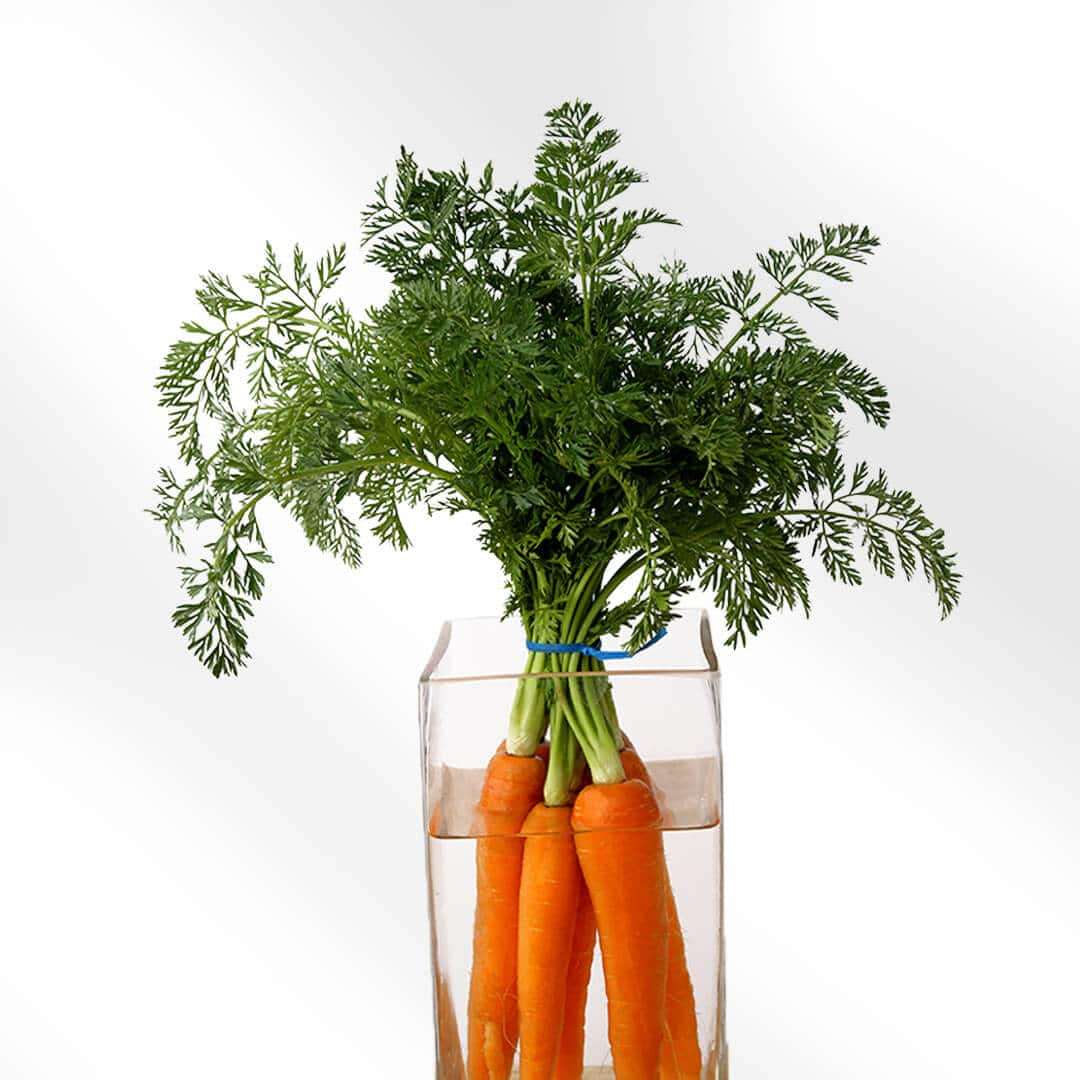
…how to keep your Carrots crisp?

We carrot wait to try this hack at home. Place your carrots in a glass of water to keep them fresh and crispy. Do you already treat your carrots like flowers and keep them fresh in a vase?

en_scs_braun_hack_card-04_Crisp_Carrots_1080 × 1080.jpg

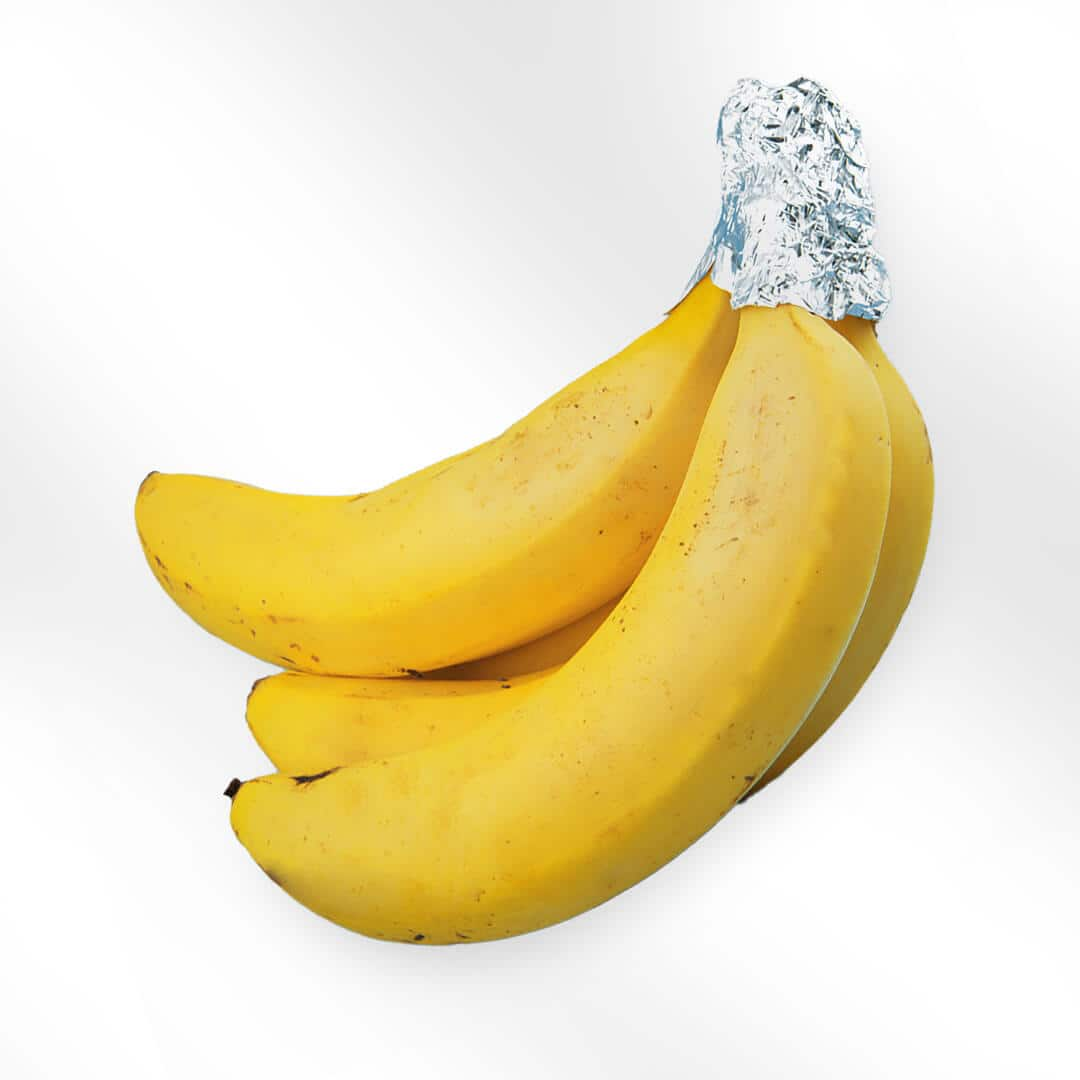
…how to keep your Bananas fresh?

Keep calm and go bananas. Did you know that bananas naturally release a gas called ethylene from their stem, and therefore tend to ripen much faster? Try and cover the stem of the bananas with a small piece of leftover foil, and the ripening process slows dramatically. Have you ever heard about this kitchen hack?

en_scs_braun_hack_card-05_Fresh-Banana_1080 × 1080.jpg

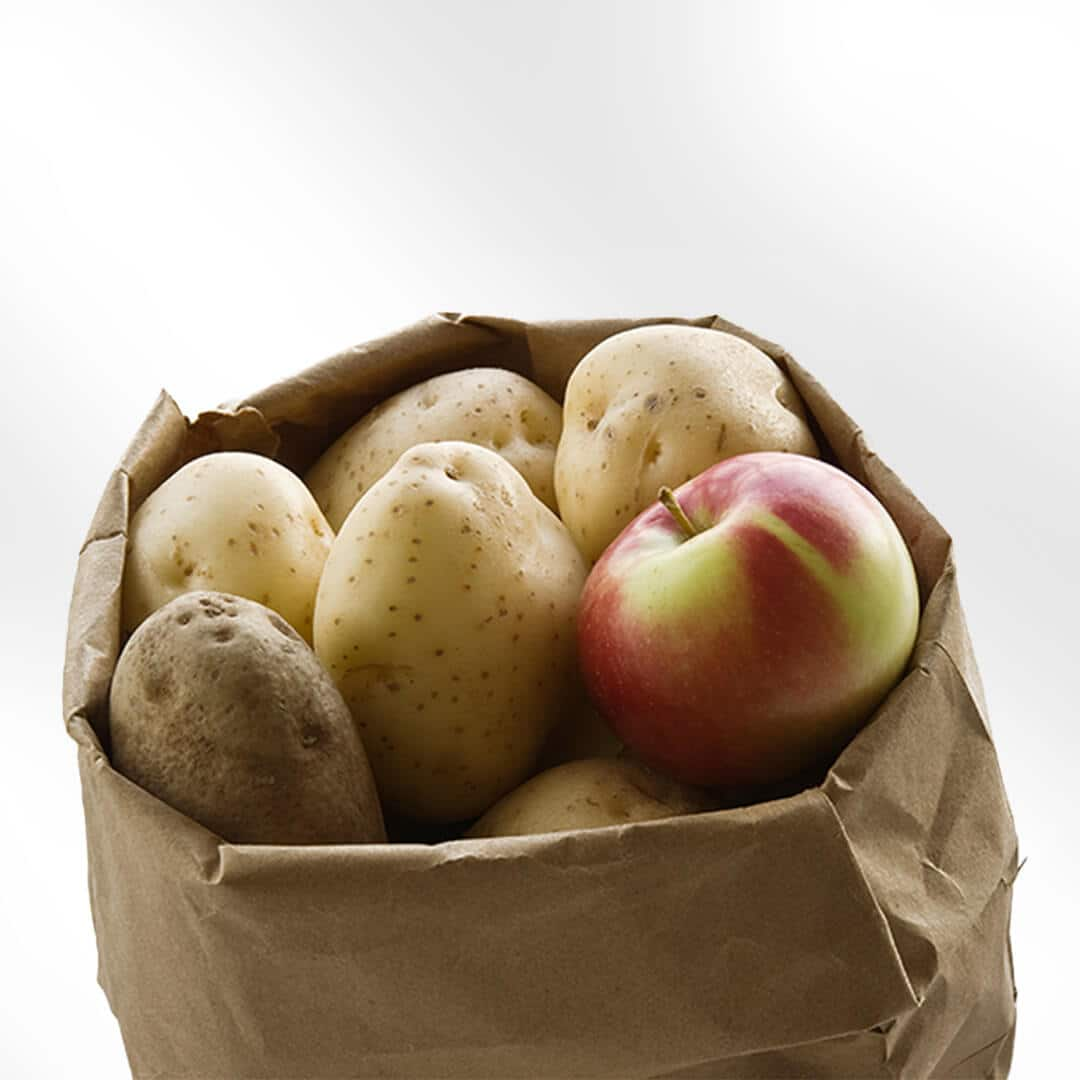
…how to keep your Potatoes from sprouting?

An apple a day keeps the sprouts away. Just place an apple in the same rack with your potatoes. With this little kitchen hack you can keep your potatoes fresh, even if you don't use them up all at once. Have you tried this before? 

en_scs_braun_hack_Card-08_Potatoes_1080 × 1080.jpg

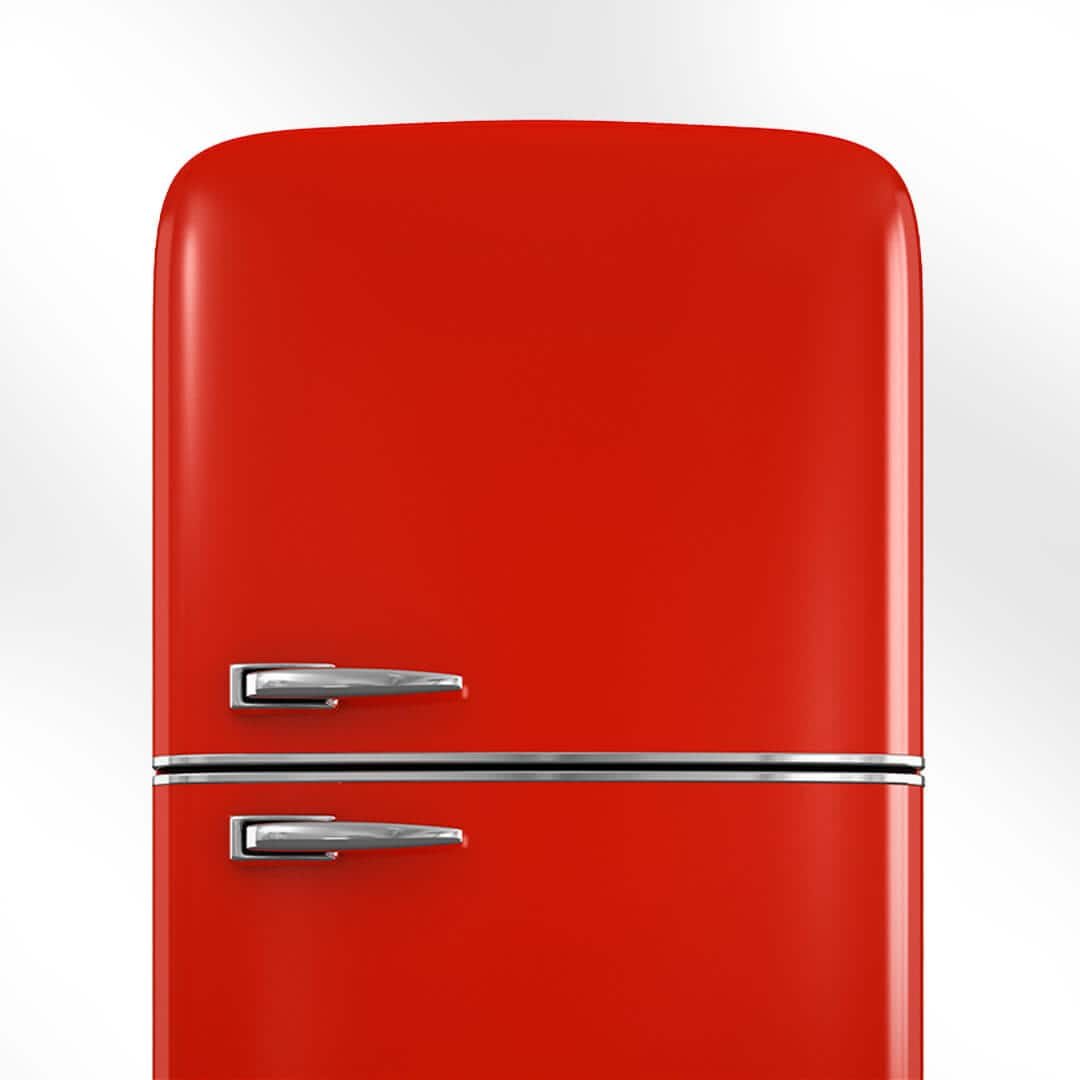
…why you shouldn't put hot food straight into the fridge?

Keep calm and stay cool. Your leftover food should always be allowed to cool to room temperature before placing it in the refrigerator. This way, you can make sure to maintain a secure temperature in your fridge as well as save energy. Have you been aware of that?

Red retro Fridge

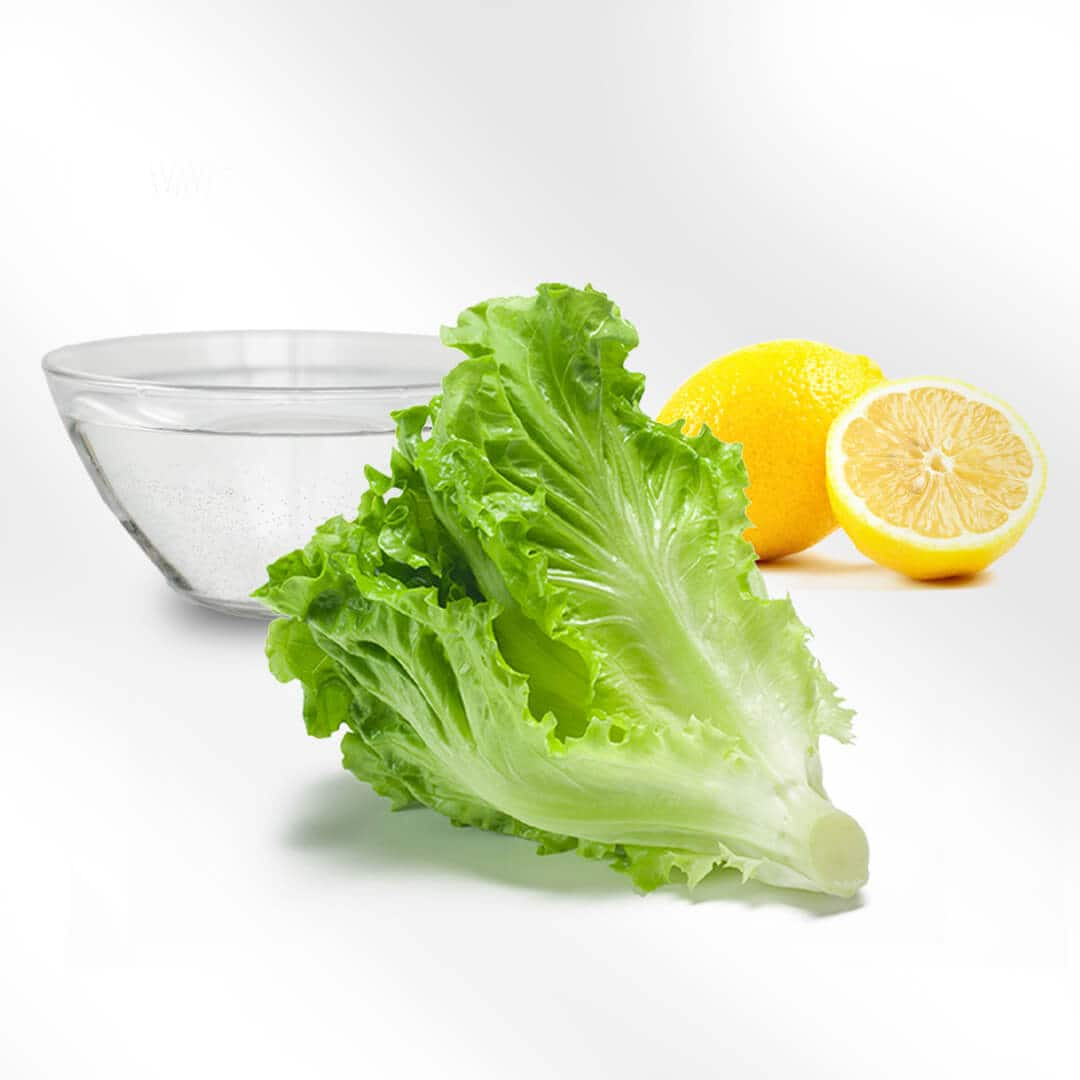
…how to make limp lettuce fresh again?

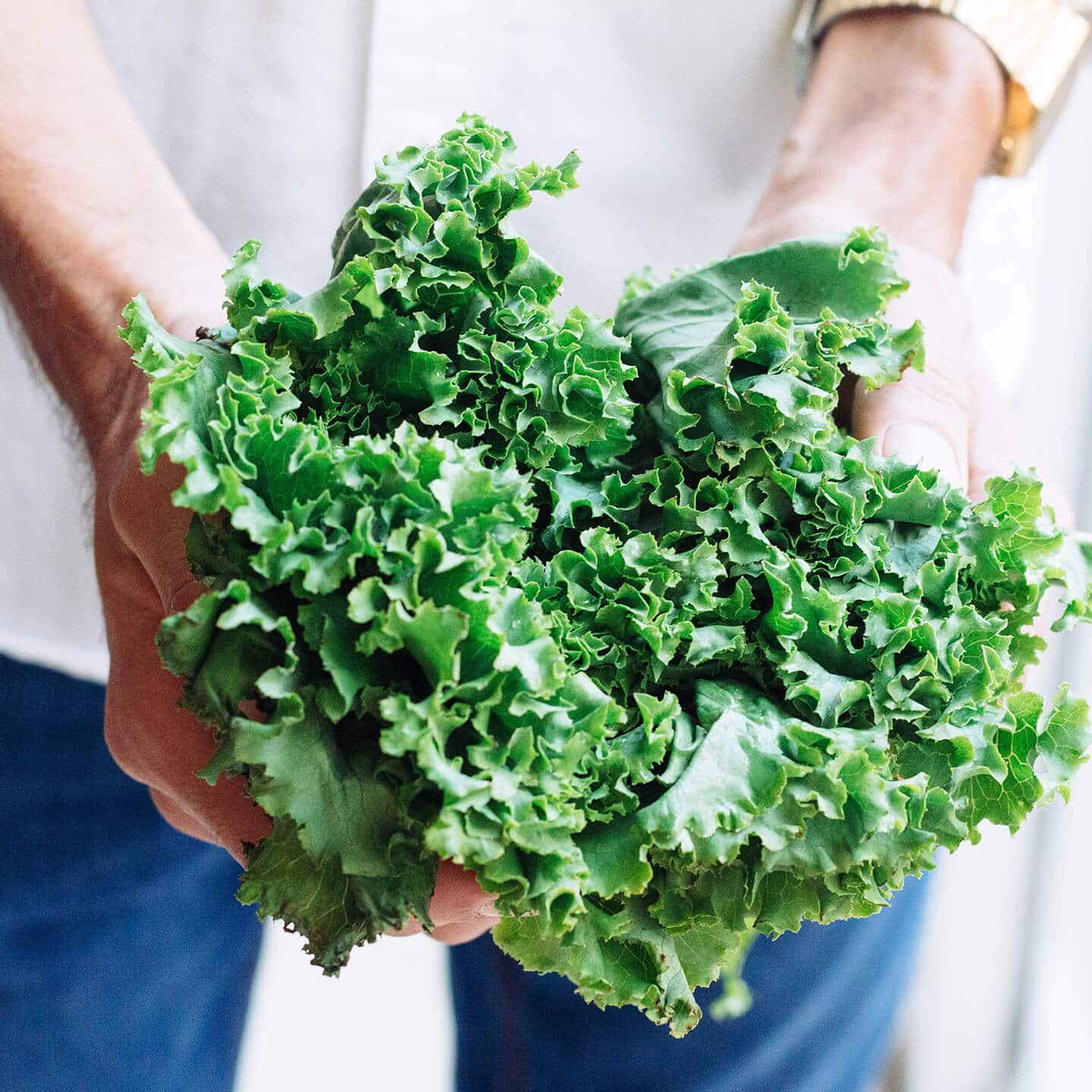
Don't throw away that limp lettuce just yet! Did you know you can bring it back to life by soaking it in cold water with lemon juice? This simple trick is a real hit for anyone who loves fresh, crisp greens.

en_scs_braun_hack_card13_Limplettuce_1080 × 1080.jpg

​​​​​​​​​​​​​​

Braun stands for durable products and sustainable design. We believe that, in the struggle to protect the environment and maintain our quality of life, both today and in the future, every action counts – no matter how small.

Related articles.

Less food waste

Zero waste: Keeping food fresh and getting creative with leftovers.

teaser_zero-waste_header.jpg

Back to school

Food prep for school

Food prep for school
Loading